Koh Tao Culture & Etiquette Thai Customs, Temples & Local Tips
History, temples, manners and a few Thai phrases that make your stay smoother.
History, temples, manners and a few Thai phrases that make your stay smoother.
Koh Tao culture is a mix of southern Thai traditions, a short but unusual island history and a dive-town crowd from all over the world. Most visitors only meet the last part, so this guide fills in the rest: where the island came from, which temples to visit, and the Thai etiquette that keeps you out of awkward moments.
None of the rules are hard. Dress sensibly away from the beach, stay calm when things go wrong, treat temples and the monarchy with respect, and smile a lot. The table of phrases further down will carry you a long way.
The name means Turtle Island, and the island is known for its hawksbill and green turtles. For a long time it was a shelter for fishermen from neighbouring islands, who stopped here to ride out storms. Old European maps called it Pulo Bardia, which hints at early Malay links. A local story says two brothers from Koh Phangan were among the first settlers around what is now Sairee.
The best-known chapter is the penal colony. From 1933, after the 1932 revolution, the island was used as a political prison. In 1947 a royal pardon was granted and the prisoners were moved off, leaving the island empty again. A few families returned over the following decades, and visitors only began to arrive in numbers from the 1980s. Diving took off in the 1990s and shaped the island we know now.
King Chulalongkorn (Rama V) visited on 18 June 1899 and left his royal initials on a large boulder beside Sairee. It is still worshipped by locals today.
| English | Thai | Pronunciation |
|---|---|---|
| Hello (add khrap if you are male, kha if female) | สวัสดี | sa-wat-dee |
| Thank you | ขอบคุณ | khop-khun |
| Excuse me / sorry | ขอโทษ | khaw-thot |
| No problem / never mind | ไม่เป็นไร | mai pen rai |
| Yes (that is right) | ใช่ | chai |
| No (that is not right) | ไม่ใช่ | mai chai |
| How much? | เท่าไหร่ | thao-rai |
| Too expensive | แพงไป | phaeng pai |
| Can you lower the price a little? | ลดหน่อยได้ไหม | lot noi dai mai |
| Delicious | อร่อย | a-roi |
| Not spicy | ไม่เผ็ด | mai phet |
| No plastic bag, thanks | ไม่เอาถุง | mai ao thung |
| No straw, thanks | ไม่เอาหลอด | mai ao lot |
| Bill, please | คิดเงินด้วย | khit ngoen duai |
| Where is the toilet? | ห้องน้ำอยู่ที่ไหน | hong-nam yu thi-nai |
| I do not understand | ไม่เข้าใจ | mai khao-jai |
| Do you speak English? | พูดภาษาอังกฤษได้ไหม | phut pha-sa ang-krit dai mai |
| Help! | ช่วยด้วย | chuay duai |
| Cheers! | ชนแก้ว | chon kaew |
| See you again | แล้วเจอกันใหม่ | laeo choe kan mai |
Koh Tao is not a temple-hopping island, but there are a few places worth stopping at.
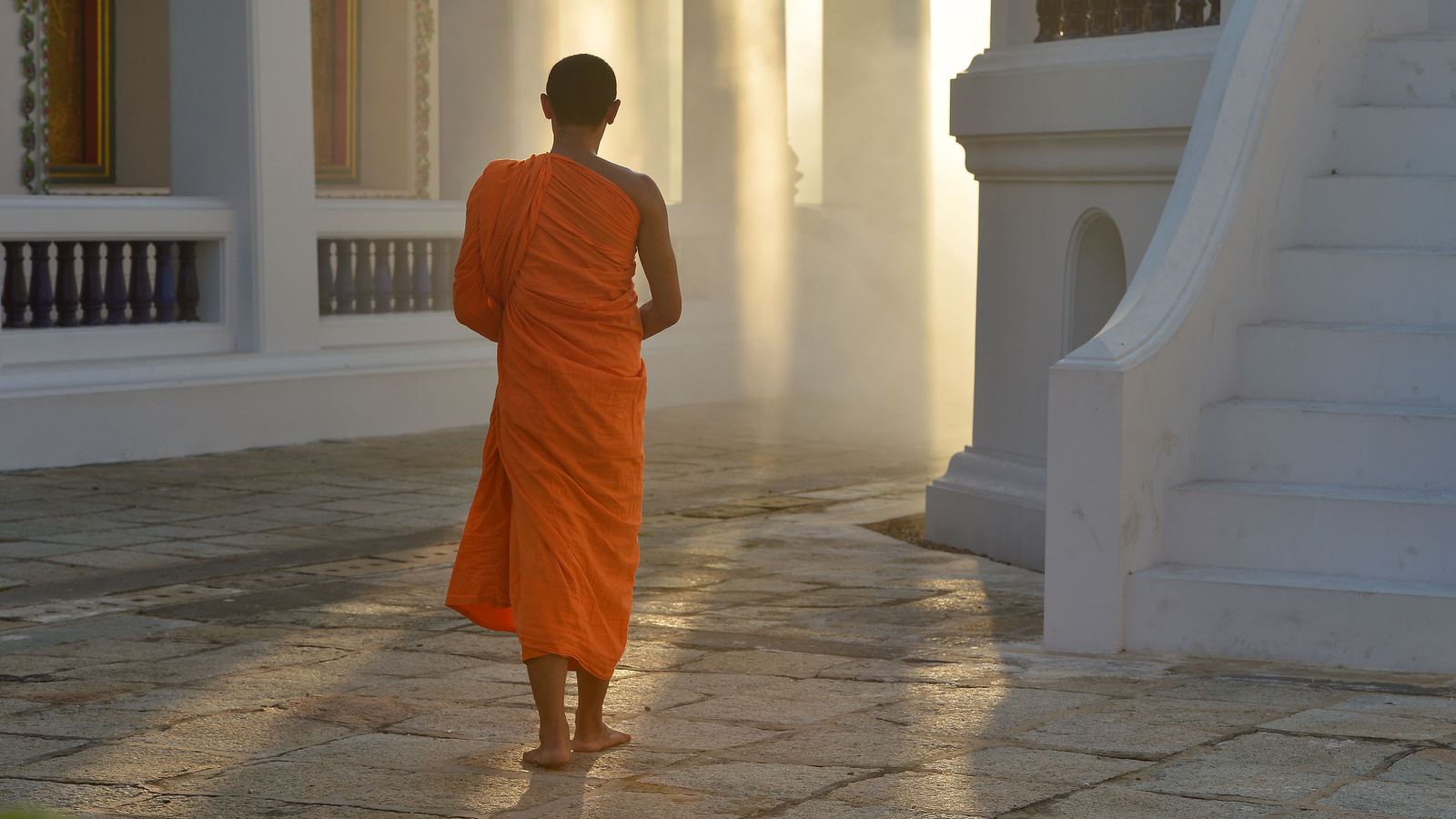
Around 90% of Thais are Buddhist, and the southern islands are no exception. These habits matter most:
Staying calm helps in everyday life too. Raising your voice or showing anger tends to make a situation worse, and Thai people value a cool head (jai yen).
Swimwear belongs on the beach, not in shops, restaurants or on the pier. Throw on a T-shirt and shorts when you leave the sand. Topless sunbathing and nudity are not accepted and can lead to fines or a visit from the police. If you rent a scooter, a helmet and closed shoes make sense, and the same goes for hikes such as the viewpoint trails.
Public displays of affection are best kept mild, and drunkenness that disturbs others reflects badly on the whole island. Some Buddhist holidays and election days restrict alcohol sales, and the rules change, so a closed bar or shop is not personal. For legal basics see the immigration, visa and police guide and our travel tips.
The Thai monarchy is deeply respected, and the law reflects that. Section 112 of the Criminal Code covers defaming, insulting or threatening the king, queen, heir or regent, and carries a prison term of three to 15 years per count. Foreigners are prosecuted too, and the rules apply online as well as in person.
In practice, visitors should avoid joking about, criticising or discussing the royal family in public, and treat royal images with care. Do not step on a dropped coin or banknote to stop it rolling, since it carries the king's image. Do not deface or tear them. Photos and statues, like the one for Rama V at Sairee, are treated as shrines. This is not about politics. It is about knowing the local rules.
Island life revolves around Thai holidays plus a lively expat calendar. See the events page for dates.
Thai meals are shared. Order a few dishes for the table and eat them with rice, using a spoon in your right hand and a fork to push food on. Chopsticks are only for noodle soups, and never leave them upright in a bowl of rice because it resembles an offering for the dead.
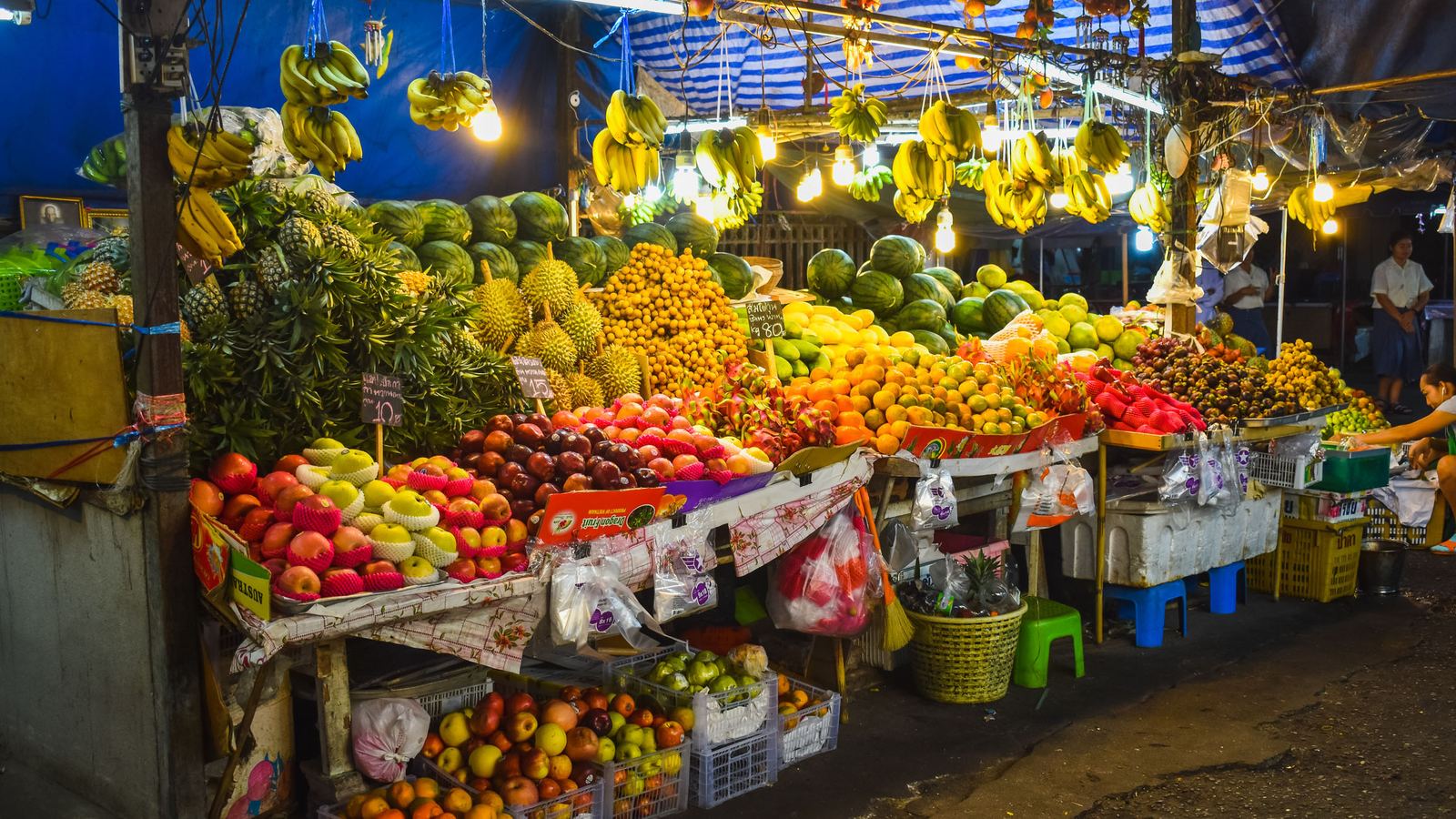
Southern Thai cooking leans spicy, with plenty of turmeric, coconut and seafood. Look for khao gaeng (rice with curry) in Mae Haad, grilled skewers, boat noodles and duck noodle soup. Stalls tend to open around 5pm, and the best sell out. Koh Tao has no big Samui-style night market, but Sairee village and the pier area fill with carts after dark. For sit-down food see the restaurants guide.
Ask for mai phet if you want it mild. Thai mild can still bite.
Thai is a tonal language, so the pronunciations below are approximate. Add khrap at the end if you are male and kha if you are female, and you will sound polite. Twenty phrases are in the table below.
Tipping is not expected but is appreciated for good service. Leaving a little extra on a meal or for a massage, or a round-up on a taxi, is plenty. Check your bill first: some restaurants add a service charge already. Dive instructors and boat crews often receive tips at the end of a trip, and this is a nice gesture if you had a great time.
Bargaining works at markets, with taxi drivers and sometimes for scooters or longer stays. Taxis here have no meter, so agree the fare before you get in. Keep it friendly and calm, aim for a small discount, and do not haggle in shops with fixed prices, restaurants or 7-Eleven. If you cannot agree, smile and walk away.
The island's reefs and turtles are the reason most people come, and care for them is part of local culture. Fresh water is limited, so keep showers short and refill your bottle at refill stations instead of buying plastic ones. On Koh Nang Yuan, single-use plastic is not allowed off the boat.
To give something back, see conservation and volunteering, and our snorkelling guide for reef rules.
Koh Tao was a shelter for fishermen, then a political prison from 1933 until a royal pardon in 1947, and later grew into a diving island from the 1980s and 1990s.
Koh Tao means Turtle Island in Thai. The name refers to the turtles that nest and feed around the island.
Yes. Wat Koh Tao is the island's main temple, about a five-minute walk from Mae Haad pier. Cover your shoulders and knees and take your shoes off before entering buildings.
Do not insult the monarchy, point your feet at people or Buddha images, touch monks, climb on statues or wear swimwear away from the beach.
Tipping is not required, but leaving a little extra at a restaurant or a round-up for good service is appreciated.
Not the famous one. That happens on Koh Phangan, though some Sairee bars host their own parties around the full moon.
Checked in November 2026. Opening hours and timetables change: confirm locally before you go.