Koh Tao dive sites / HTMS Sattakut
HTMS Sattakut: Koh Tao's Most Famous Wreck Dive Site
A 49 m former landing craft, sunk on purpose in 2011, with two big guns and a hull you can look right into.
Koh Tao dive sites / HTMS Sattakut
A 49 m former landing craft, sunk on purpose in 2011, with two big guns and a hull you can look right into.
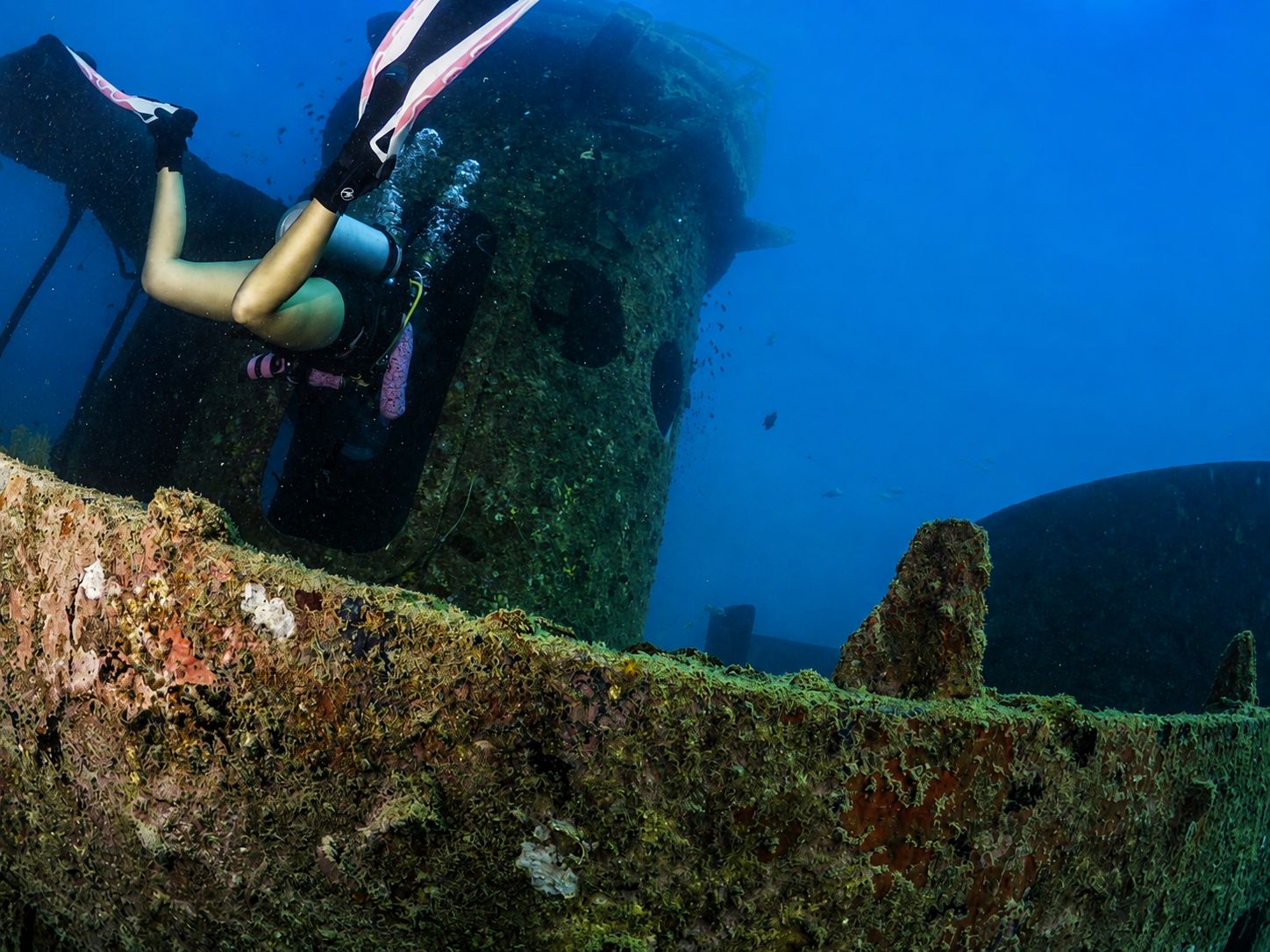
The HTMS Sattakut is the wreck every Koh Tao diver wants to tick off. This former landing craft served with the US Navy and then the Royal Thai Navy, and was sunk in June 2011 off the north-west of the island as an artificial reef. It lies on sand, with its superstructure rising to about 18 m and the stern reaching 30 to 32 m.
Among Koh Tao dive sites it is the best known wreck, and it is usually dived together with the pinnacles of Hin Pee Wee, a few metres to the north. The depth makes it a fun dive and an Advanced course site, rather than a first-week dive.
You descend the mooring toward the wheelhouse or the bow, then circle the wreck: bow gun, central corridor, stern gun. Then you leave the ship, swim north across the sand and finish by slowly coming up over the rocks of Hin Pee Wee. Doing the deep part first and the shallow part second is the standard plan, and it gives you more bottom time than a wreck-only dive.
The ship is about 49 m long and 7 m wide. It has an open main deck, a two-level wheelhouse in the middle and a 40 mm anti-aircraft gun at each end. These guns are the classic photo spots.
Accounts differ on whether the ship sits perfectly upright or leans slightly, so do not be surprised if it looks a little tilted.
Fish treat the wreck as home. Giant groupers, brown sweetlips and one-spot snapper hang around the hull and the superstructure, with yellowtail barracuda, butterflyfish and coral trout close by. Sea snakes and Jenkins whiprays pass through, and whale sharks have been reported nearby now and then.
Look closer for the small stuff: Durban dancing shrimp on the interior staircase, scorpionfish near doors and portholes, nudibranchs, and a skin of corals and sponges growing over the steel.
She was launched on 27 February 1944 at the Commercial Ironworks in Portland, Oregon, as a US Navy Landing Craft Infantry (Large). A few years later she joined the Royal Thai Navy and was renamed HTMS Sattakut, after a Thai victory in the 1941 Franco-Thai War. After decades of patrol, training and transport work she was donated to Koh Tao by the Navy and the Department of Marine and Coastal Resources.
Crews stripped out hazardous materials, and the Navy sank her on 18 June 2011 in about 30 m of water, with support from local government and the dive industry. The idea was to create a new reef and take some pressure off the natural sites.
Current is usually light to moderate. It picks up with the tide and is most noticeable on the exposed upper decks. Visibility is the big variable: anything from 5 to 20 m, with a typical day around 5 to 15 m and clearer days now and then. A thermocline often starts near 18 m.
The calmer months, roughly March to September, tend to be the best for west-coast sites. Visibility and surface conditions are often poorer from around November to January.
At 30 m and more, narcosis and short no-decompression times are real. Open Water divers are limited to 18 m, which only reaches the top of the wheelhouse, so most centres run the Sattakut for Advanced or deep-qualified divers. Going inside the hull is an overhead environment and needs wreck specialty or technical training. Do not go beyond your training.
The top of the wheelhouse is about 18 m, and the stern and seabed are around 30 to 32 m.
The Royal Thai Navy sank her on 18 June 2011 as an artificial reef off Koh Tao.
Mostly not. Open Water divers are limited to 18 m, which only reaches the wheelhouse top. Most centres run it for Advanced or deep-qualified divers.
About 49 m long and 7 m wide.
You can look in through the portholes and doorways. Entering the hull needs wreck specialty or technical training.
A compact cluster of coral-covered pinnacles that rewards a slow dive, and a perfect way to shallow up after the wreck.
1 to 22 mOne of Koh Tao's biggest sites, with two granite pinnacles, a coral garden between them and a famous night dive.
10 to 16 mFour swim-through steel domes in about 13 m of water, built by volunteers to help coral grow.
16 to 28 mA 45 m Royal Thai Navy fast attack craft, sunk in 2023 and already collecting fish and coral.
Learn to dive
Koh Tao is one of the best places in the world to learn to dive: warm, calm water, sites a short boat ride away and schools for every style. Here are the courses most schools offer and the dive schools we know and trust. Schedules, course length and prices are set by each school.
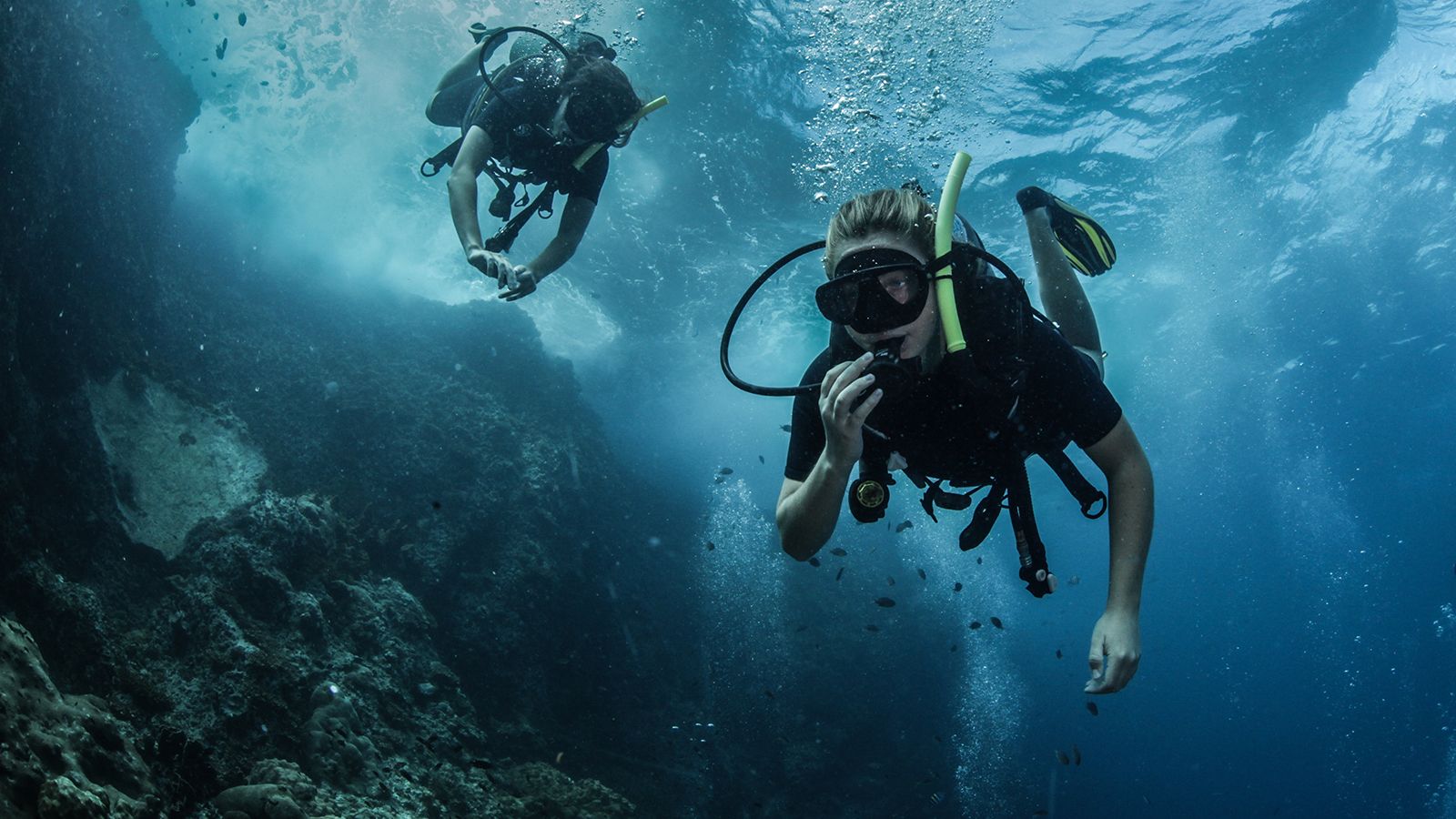
PADI 5-Star · Sairee
PADI 5-Star IDC on Sairee Beach: small groups, every level, taught in seven languages.
Full guide →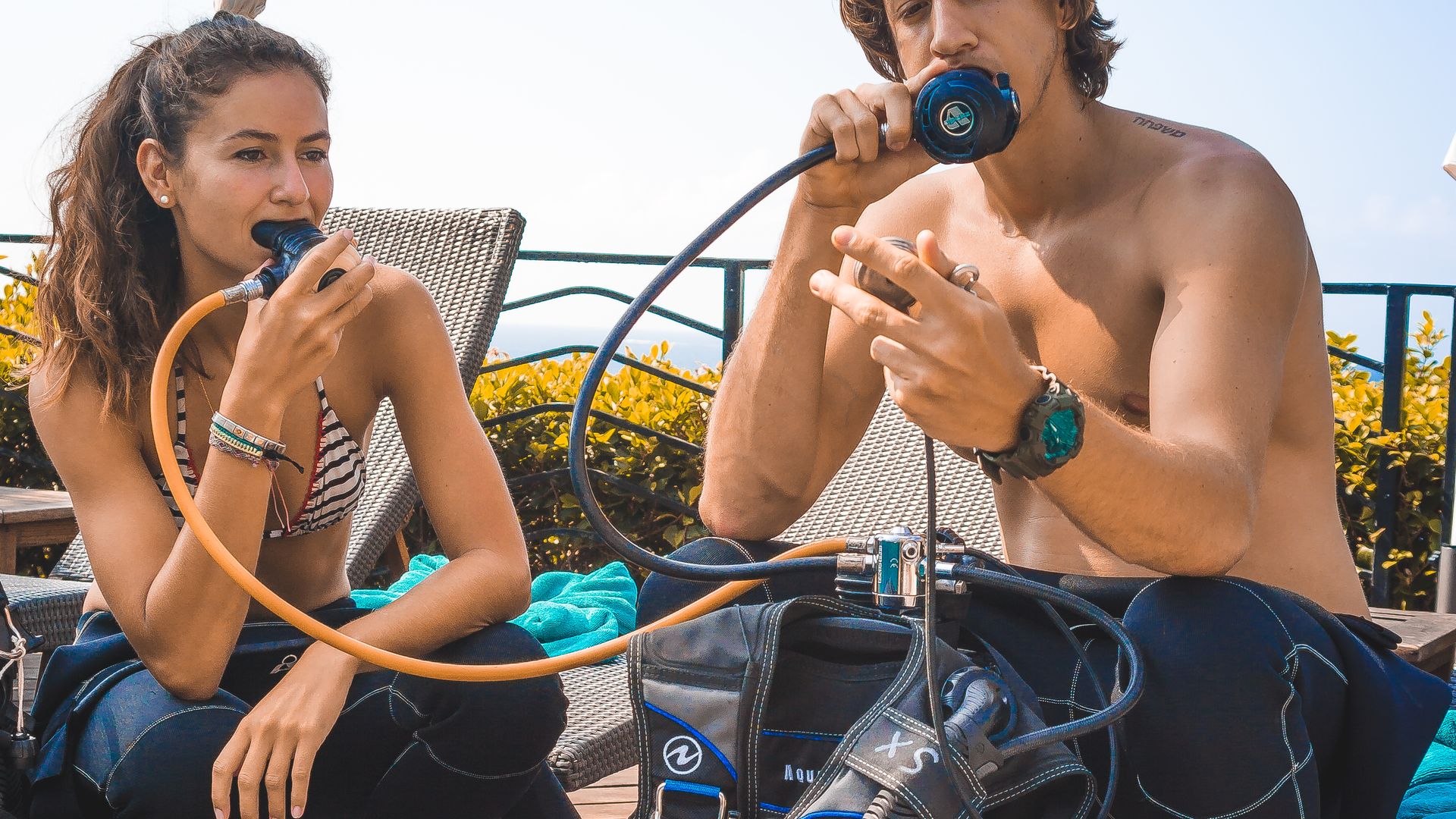
Private club · South coast
Very small classes, a training pool and boats straight from the resort pier.
Full guide →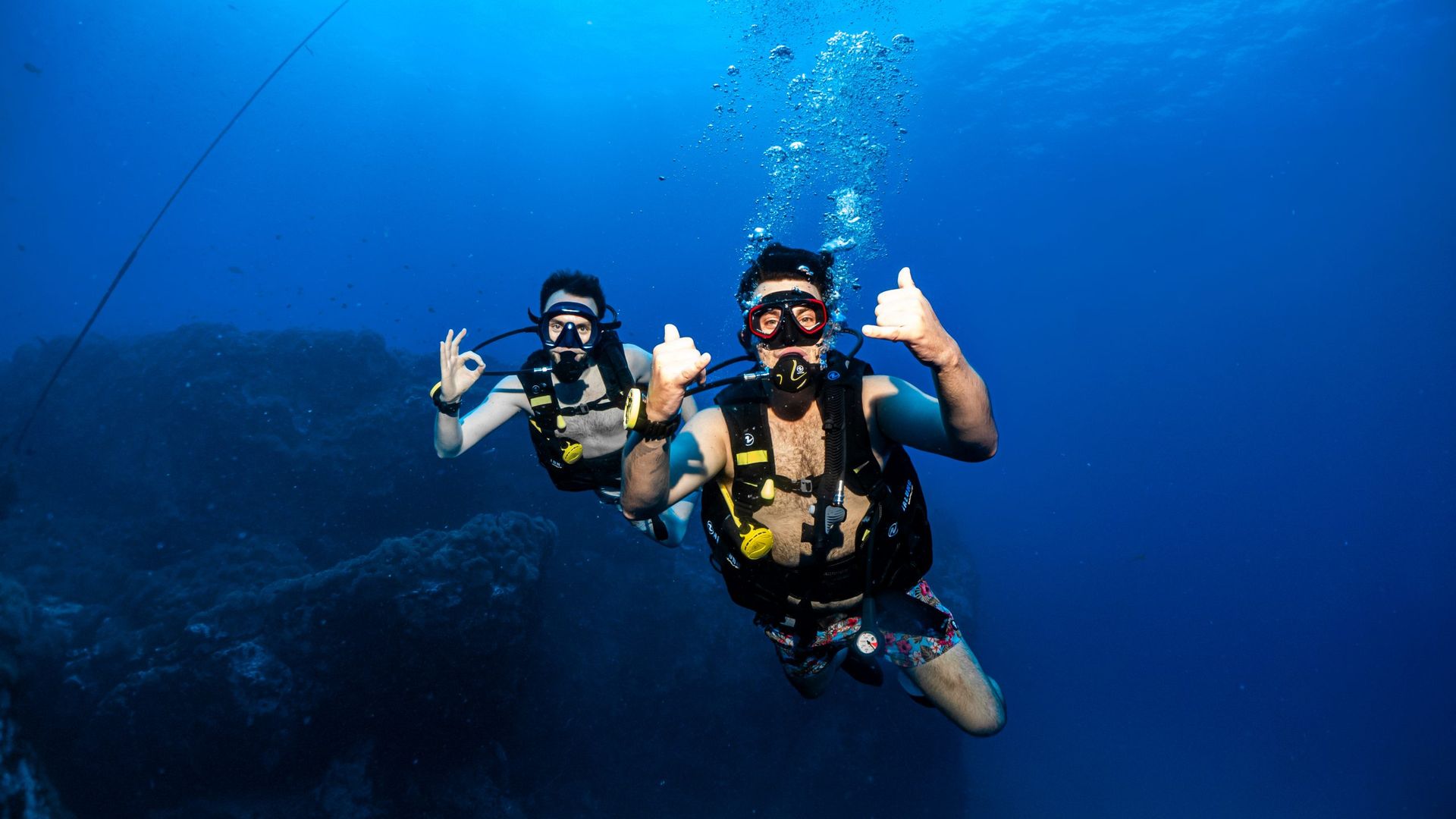
Dive school · Mae Haad
Groups of four, two minutes from the pier, from Open Water to instructor.
Full guide →
French dive school · Mae Haad & Chalok
Courses in French since 2012: SSI and CMAS / FFESSM, groups of four, first dive to instructor.
Full guide →
Freediving & yoga · Mae Haad
Learn to freedive on one breath, with breathwork and yoga in a sea-view shala.
Full guide →
PADI 5-Star CDC · Mae Haad
One of the island's most established dive centres, with a focus on pro training.
Full guide →
Freediving · Sairee
Personal freediving courses with experienced instructors off Sairee Beach.
Full guide →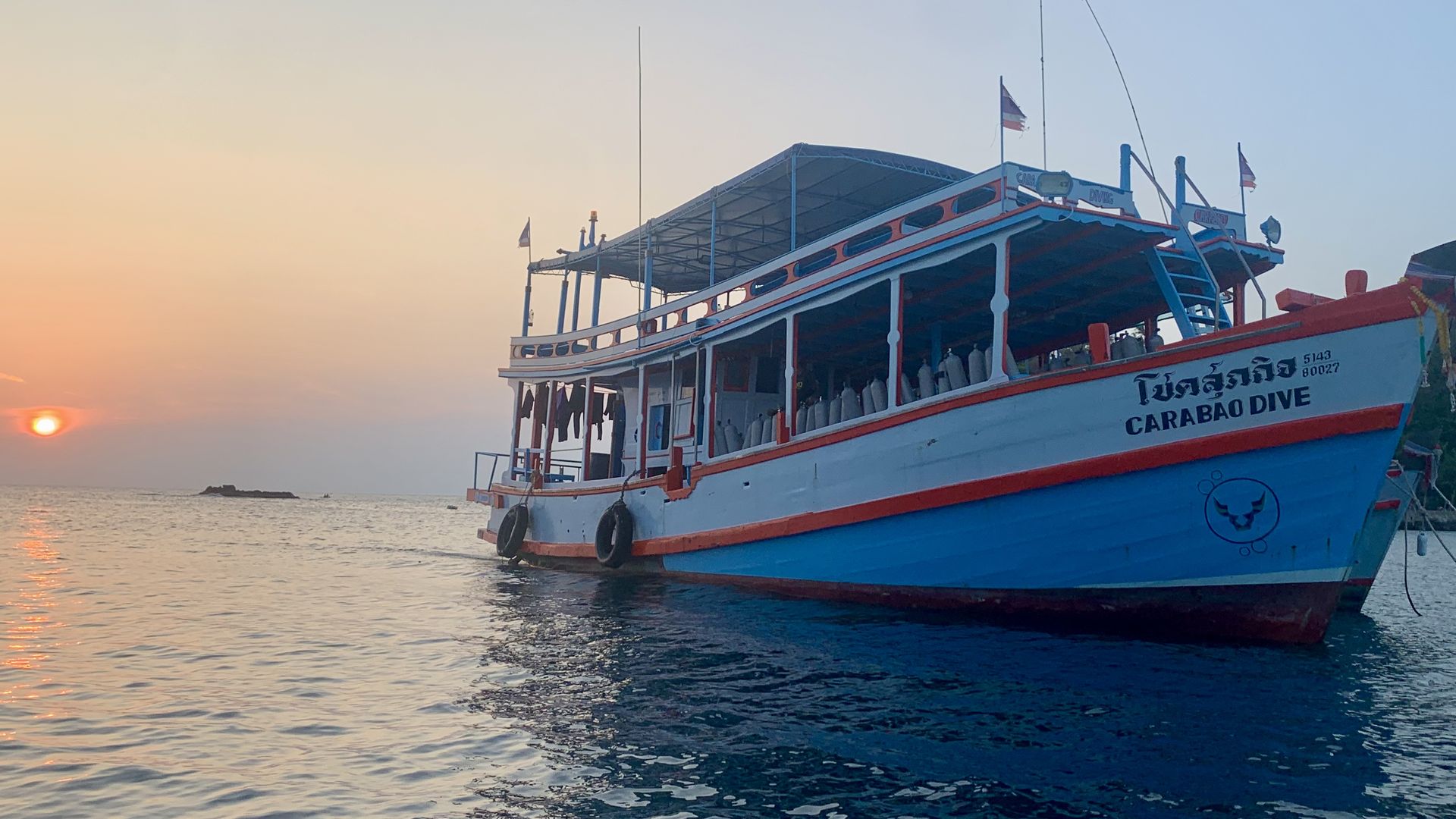
SSI dive resort · Chalok
Dive and stay in the quiet southern bay of Chalok.
Full guide →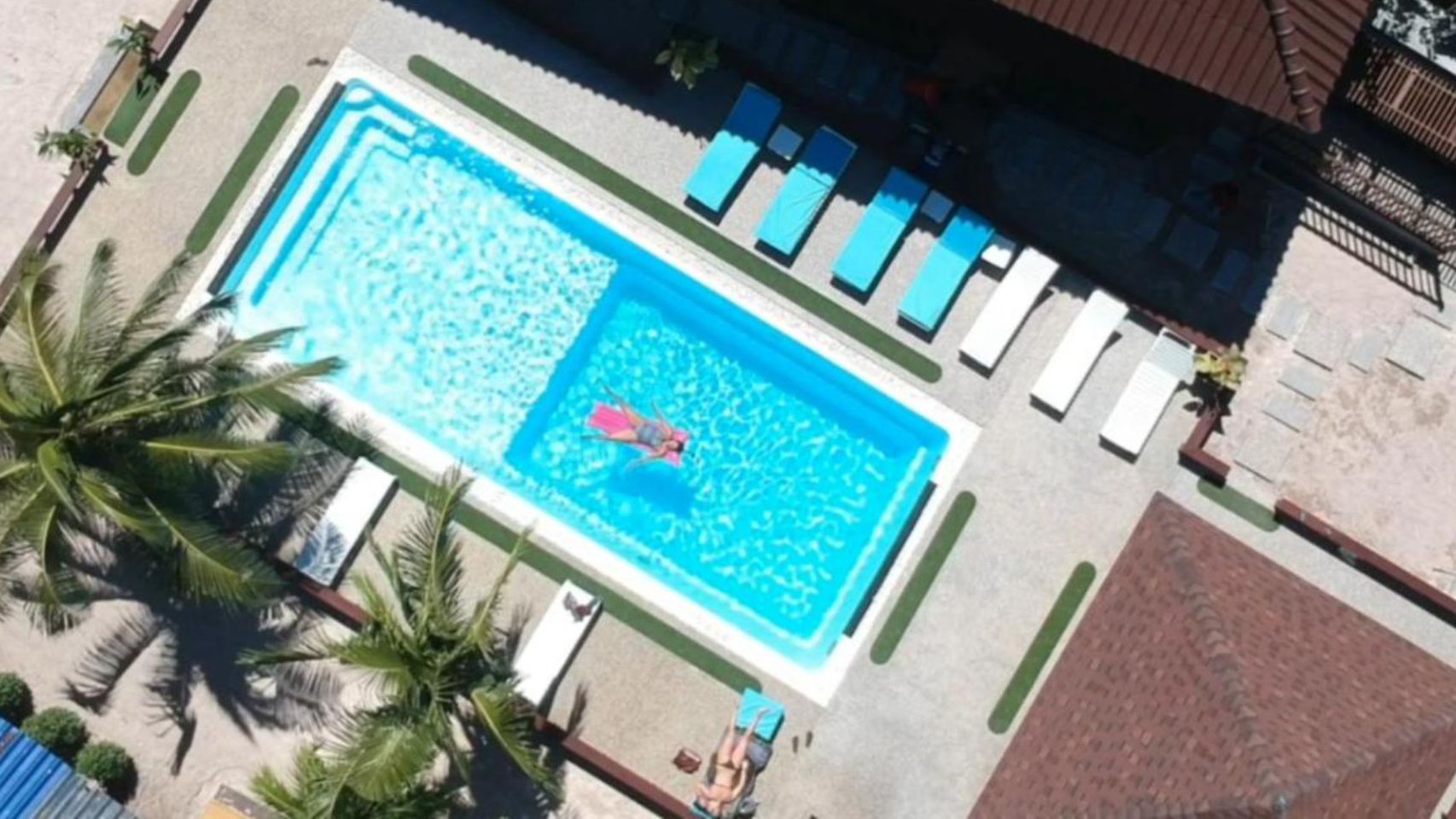
PADI dive resort · Chalok
Courses and fun dives with a resort to stay at, in Chalok.
Full guide →Also on the island: DPM Diving and dozens more. See every dive centre on Koh Tao →