Conservation & Volunteering on Koh Tao: Reef Projects You Can Join
Reef projects, clean-ups and animal rescue run by people who live here, and how to take part.
Reef projects, clean-ups and animal rescue run by people who live here, and how to take part.
Koh Tao conservation has a long history for such a small island. Dive centres, local volunteers and a handful of non-profits have spent years rigging mooring buoys, growing coral, removing ghost nets, running beach clean-ups and caring for stray dogs. Tourism pays for much of this work, and it also puts the most pressure on the island, so visitors are part of the story either way.
This page lists the projects we know are real, what each one does and how to get involved, whether you have an afternoon or a month. Koh Tao volunteering ranges from joining a clean-up for free to taking a Conservation Diver course. Details change, so check each organisation's own channels before you turn up.
New Heaven Reef Conservation Program is the best-known reef project on the island. It runs out of the New Heaven Dive School in Chalok Baan Kao and covers coral nurseries and artificial reefs, giant clam nurseries, coral disease and shark surveys, mooring line maintenance and clean-ups. Visitors can join a Conservation Diver course of one day, three days, one week or longer, and there are competitive internships for people who want to stay for several weeks. Its work on turtles has shifted in recent years towards rescuing and rehabilitating sick or injured animals with the Department of Marine and Coastal Resources (DMCR). Find courses and contact details on the New Heaven Reef Conservation site.
Eco Koh Tao is the conservation team connected to Crystal Dive in Sairee. It has been active for many years, with Reef Check surveys, artificial reefs and coral nurseries, mooring buoy repairs and giant clam rearing before replanting. See Eco Koh Tao for current programmes.
Black Turtle Dive runs a marine conservation programme that grew out of Eco Koh Tao. Its courses cover coral health, monitoring, restoration and species specialties such as sea turtles, sharks and giant clams, and some activities like beach clean-ups are free. Details on the Black Turtle Dive website.
Conservation Diver is a non-profit foundation that provides marine science training, and several Koh Tao centres use its programmes for their restoration and monitoring courses. Learn more at conservationdiver.com.
Many other dive centres on the island run their own PADI Dive Against Debris, Coral Watch and Reef Check courses. Browse our dive centres and ask which ones offer conservation options.
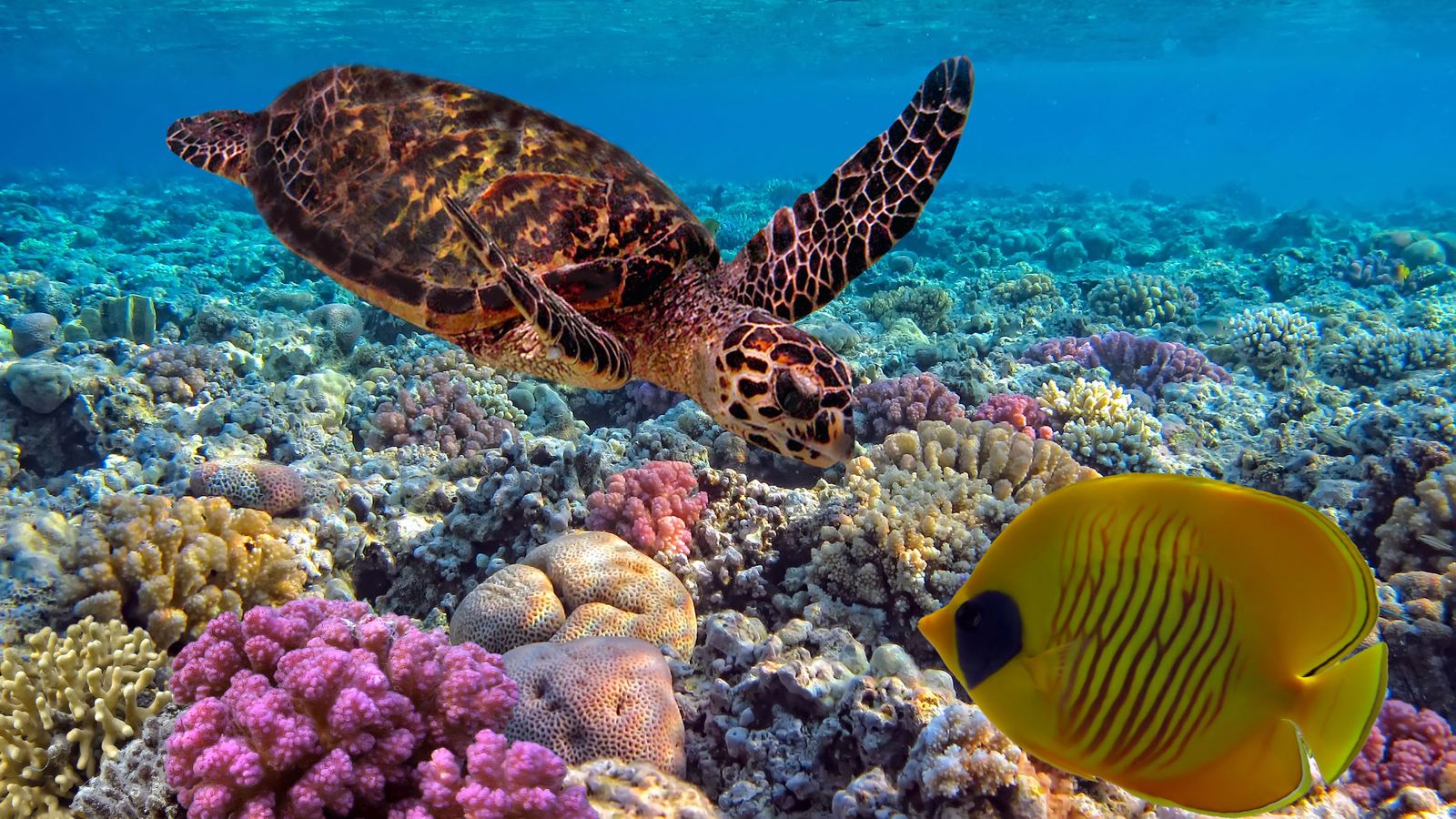
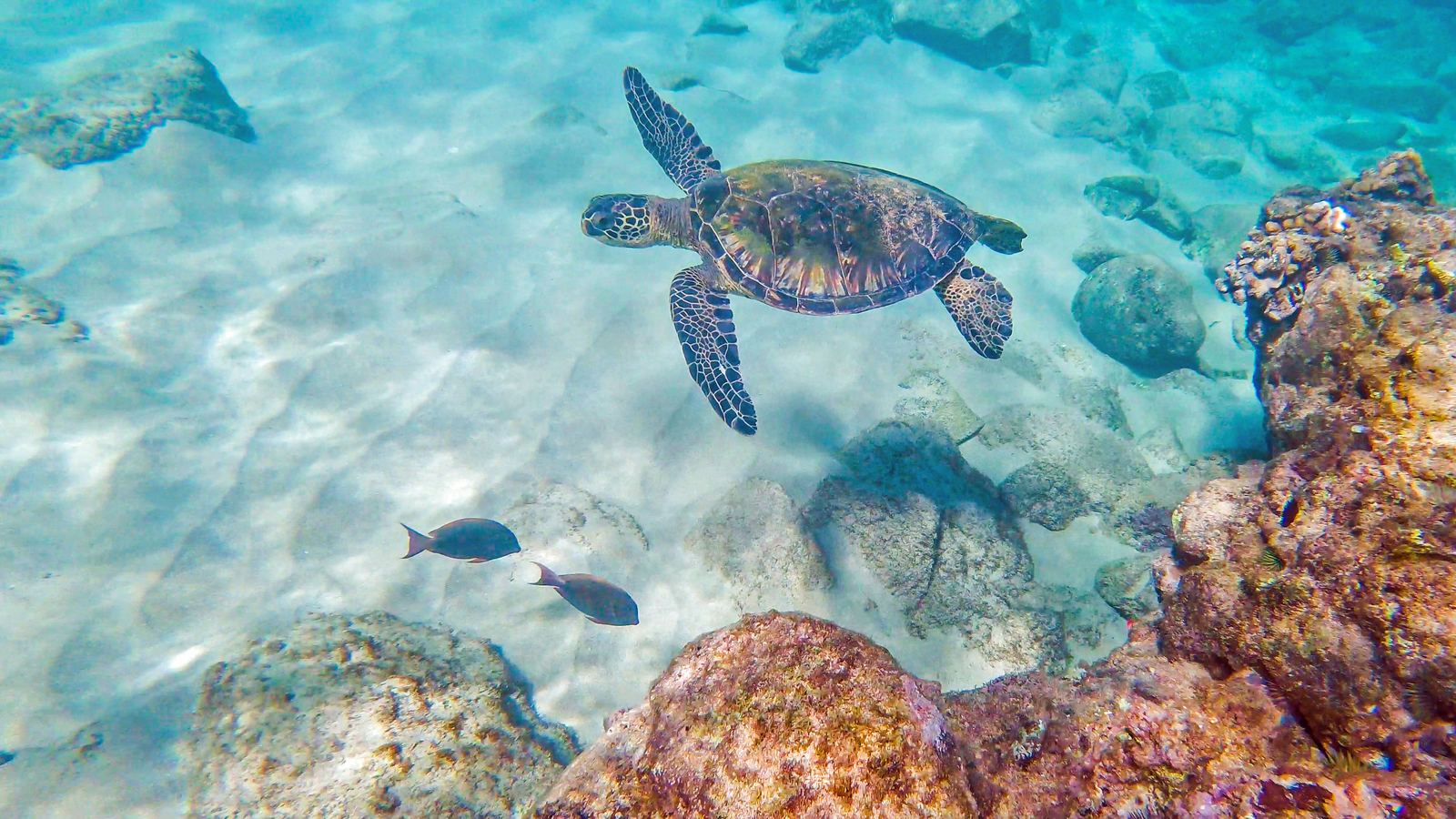
Green and hawksbill turtles are the species you will most often see around the island, and Olive Ridleys are rare visitors. Past head-start projects raised young turtles before release, while current efforts focus on rescue, rehabilitation and citizen-science photo ID of wild turtles. Please do not touch, ride or feed any turtle you meet while snorkelling.
Coral nurseries and artificial reefs are another visible part of the work. Coral fragments that fell on sand, where they would not survive, are moved onto frames and structures and monitored as they grow. Divers can see the results at several sites, and a small nursery area sits in Aow Leuk. Browse more in our Koh Tao dive sites guide. Reef programmes on the island have reported more than a thousand artificial reef structures placed around Koh Tao, though numbers vary by source.
In 2024 the Gulf of Thailand and Andaman Sea had a severe marine heatwave. The DMCR reported that bleaching peaked around May 2024 and that, by April 2025, many bleached corals were recovering while others had died. Gulf reefs were hit harder, and recovery was patchy. Koh Tao was on the list of tourist sites under close observation because of high sea temperatures, though we did not find a published island-wide bleaching figure.
Shallow reefs suffered most, and deeper reefs fared better. The practical message for visitors is simple: stressed coral needs fewer extra pressures. Stay off the reef, keep your fins up, wear a rash vest and avoid chemical sunscreen. Sea temperatures vary year to year, so ask your dive centre or snorkel guide what they are seeing before you go.
Trash Hero is a volunteer movement with local chapters across Thailand, and it has a long record of cleaning Sairee Beach. Anyone can join and there is no signup fee. Because schedules change, ask at your accommodation or follow the group's social pages for the current day and meeting point, and see trashhero.org for the global project.
On World Oceans Day in June 2025, more than 600 people joined a beach and underwater clean-up on Koh Tao. The event removed over 1.8 tonnes of waste, with the DMCR, the municipality, PADI and SSI, the local school and island businesses taking part.
Many dive centres hold their own clean-ups and Dive Against Debris dives, and local community groups run regular land and beach clean-ups at different beaches. Check dive centre noticeboards or ask at your hotel. The long-running Save Ko Tao Club has promoted greener resort practices since around 2000, and is worth asking about locally, though we could not confirm an official current website.
Koh Koh Pups is a volunteer-run dog rescue and adoption shelter on the island. Short-term visitors can book a small-group visit, usually on Monday, Wednesday and Friday at 3 pm, to walk, feed and play with the dogs. A minimum donation is asked per person. Book through their website or by messaging them on Instagram or Facebook.
Koh Tao Animal Clinic is run by the Noistar Thai Animal Rescue Foundation and sits on the Tanote Bay road just outside Mae Haad. It treats animals, runs a free neutering and vaccination programme for stray dogs and relies on donations and fundraising. It has been open since the early 2000s. It is usually open Monday to Saturday during the day, with a vet on call for emergencies, but confirm before you visit. Volunteers sometimes help with walking and washing dogs.
If you want more than an afternoon, look at the conservation courses and internships offered directly by New Heaven, Black Turtle Dive and Eco Koh Tao-linked centres. Most science courses need Advanced Open Water certification, and snorkel-based awareness courses accept younger participants. International volunteer agencies also sell paid placements on Koh Tao, often as weekly packages including training and accommodation. Compare what you get with booking directly, and check how much of your fee supports local projects.
Yes. Short options include beach clean-ups, dog-shelter visits at Koh Koh Pups and one-day conservation courses. Longer placements run through reef programmes and international agencies.
It is a reef conservation project based in Chalok Baan Kao that runs coral nurseries, artificial reefs, giant clam nurseries and ecological surveys. It also teaches Conservation Diver courses and takes interns.
Trash Hero and other local groups have run regular beach clean-ups, including at Sairee. Days and meeting points change, so ask your accommodation or check the group's social media.
Gulf of Thailand reefs, including those near Koh Tao, were stressed by record sea temperatures in 2024. Recovery since then has been uneven, with some coral bouncing back and some dying.
Use a reef-safe sunscreen or a rash vest, never stand on or touch coral, refill your bottle, avoid single-use plastic and book with operators that use mooring buoys and care about reef etiquette.
Yes. Koh Koh Pups takes small booked visits on set afternoons, and the Koh Tao Animal Clinic accepts donations and occasionally helpers. Contact them before you go.
Not always. Beach clean-ups and snorkel-based awareness courses are open to non-divers, while reef science courses and internships usually need Open Water or Advanced Open Water certification.
Checked in November 2026. Opening hours and timetables change: confirm locally before you go.