Koh Tao Dive Sites: A Map and Guide to Every Major Dive Site Around the Island
From calm training bays to deep offshore pinnacles and navy wrecks, here is how Koh Tao's dive sites fit together.
From calm training bays to deep offshore pinnacles and navy wrecks, here is how Koh Tao's dive sites fit together.
Koh Tao is small, but it packs in dozens of dive sites within a short boat ride. Shallow, sheltered bays suit beginners and snorkellers, granite boulder reefs fill the middle ground, and offshore pinnacles and wrecks reward Advanced divers. This page maps the sites by area so you can see what is close to what.
Use the map to browse, then open any site for its depth, level, marine life and route. Sites are grouped by where the boats usually go: around Koh Nang Yuan, the west coast, the north-east, the east, the south, and the offshore pinnacles. Which side is best depends on the season, because boats favour the sheltered coast on any given day.
34 dive sites. Tap a number to open the site guide. Positions are approximate; offshore pinnacles are shown by arrows with their distance.
Koh Tao diving by month →Koh Nang Yuan has some of the island's most varied diving, from the shallow bay at Japanese Gardens and the Twins to Red Rock and the exposed Green Rock. This is also where the Suphairin wreck and Buoyancy World artificial reef sit.
A pile of granite boulders off Koh Nang Yuan, cut with swim-throughs, canyons and caverns.
Advanced (shallow option for OW)23 to 22 mA granite pinnacle just off Koh Nang Yuan, with a cave swim and a drift finish into Japanese Gardens.
Open Water31 to 15 mA shallow, sheltered coral bay on Koh Nang Yuan where many divers take their first breaths underwater.
All levels, beginner friendly45 to 20 mThree granite pinnacles on flat white sand, and the place where thousands of divers log their first proper dives.
All levels, Open Water510 to 16 mA purpose-built reef of concrete sculptures and obstacles, a short swim north of Twins.
Open Water614 to 30 mA granite pinnacle west of Twins where the crack, the big fish and a brand-new wreck all share one dive.
Advanced716 to 28 mA 45 m Royal Thai Navy fast attack craft, sunk in 2023 and already collecting fish and coral.
AdvancedThe west coast is the busy side, with easy training sites off Mae Haad and Sairee plus the wreck of HTMS Sattakut. It is the first choice when the sea is calm and the first to get windy in the south-west monsoon.
One of Koh Tao's biggest sites, with two granite pinnacles, a coral garden between them and a famous night dive.
All levels98 to 28 mA compact cluster of coral-covered pinnacles that rewards a slow dive, and a perfect way to shallow up after the wreck.
Advanced1018 to 32 mA 49 m former landing craft, sunk on purpose in 2011, with two big guns and a hull you can look right into.
Advanced1110 to 16 mFour swim-through steel domes in about 13 m of water, built by volunteers to help coral grow.
Open Water / Advanced126 to 12 mA sandy patch turned into a garden of steel, concrete and recycled objects, shallow and calm enough for everyone.
Open Water / all levels133 to 14 mTwo shallow rock sites near Mae Haad pier, dived as a pair and loved after dark.
Open Water, all levels14ShallowA quiet, shallow muck-diving site off the south-west coast for macro fans.
Not confirmedThe north and north-east have gentle bays such as Mango Bay and Lighthouse Bay that suit snorkellers and relaxed dives. Hin Wong Bay and the east coast pick up from here.
A calm, shallow bay on the north coast, made for first dives, snorkellers and sand-bottom critter hunters.
All levels163 to 14 mA sheltered coral bay at the north-east tip, with a granite pinnacle just a short swim away.
All levels, pinnacle Advanced178 to 40 mThe east coast's big dive: a chain of granite boulders covered in soft corals, with a trench, swim-throughs and hunting fish.
Advanced182 to 20 mA big boulder-strewn horseshoe on the wild east side, with coral bommies, crevices and blacktip reef sharks.
Open WaterThe east coast has a string of bays and rocky points, from Tanote and Mao to Hin Wong and Laem Thian, including the HTMS Hanhak Sattru wreck. It is sheltered during the south-west monsoon and rougher in the north-east monsoon.
A 45 m ex-navy attack craft resting upright on the sand at the mouth of Mao Bay.
Advanced203 to 20 mA gentle, calm slope of boulders and coral beside Koh Tao's newest wreck.
All levels213 to 25 mA quiet east coast headland with a beginner bay, light-filled caverns and a lesser-known pinnacle.
Advanced (bay suits all)225 to 18 mKoh Tao's most varied east coast dive, with natural reef, a sunken catamaran and a coral nursery.
Open Water230 to 10 mTwo tiny bays in a quiet valley, best known for snorkelling among boulders and coral.
Snorkel ok, all levels245 to 25 mA rarely visited cluster of big boulders, corals and sea whips on the south-east coast.
All levelsThe south and south-east are home to calm bays like Aow Leuk and Shark Bay, boulder reefs such as Hin Ngam and Shark Island, and the quiet Buddha Rock in Chalok Bay. A reliable choice when the west coast is windy.
A white-sand bay on the south-east coast where juvenile reef sharks, easy training dives and a small artificial reef share calm water.
All levels, snorkel friendly263 to 12 mA compact, shallow reef of granite boulders and coral restoration structures in a sheltered corner of the south-east coast.
All levels, Open Water friendly270 to 15 mA sandy bay at the south end of the east coast where you can snorkel with green turtles and blacktip reef sharks from the beach.
Snorkellers, all levels280 to 28 mA granite islet off the south-east tip, wrapped in soft corals, sea fans and turtles.
Advanced recommended29to 36 mA retired tech-diving liveaboard resting on the sand at 34 to 36 m, just beyond Shark Island.
Technical / deep nitrox305 to 14 mA lesser-known, beginner-friendly reef named after a rock that looks like a seated Buddha.
All levelsThe open-sea pinnacles, such as Chumphon, Southwest, Sail Rock and Samran, are deeper, more exposed and best for Advanced divers. They are also where Koh Tao's whale sharks and big schools of fish are found.
A granite seamount in open water, covered in anemones and ringed by schools of fish.
Advanced325 to 30 mA cluster of granite peaks offshore, loved for giant groupers and big schools.
Advanced339 to 30 mA rarely visited offshore pinnacle with huge schools and relaxed groupers.
Advanced340 to 40 mA granite rock piercing the surface in open sea, home of the vertical Chimney.
Advanced ideal, Open Water guidedHTMS Sattakut, a former US Navy landing craft, was sunk by the Royal Thai Navy on 18 June 2011 in about 30 m of water. HTMS Suphairin and HTMS Hanhak Sattru are sister ships, former Royal Thai Navy attack craft, and were scuttled in September 2023 off the west of Koh Nang Yuan and at Mao Bay respectively. All three are for Advanced divers, and only experienced divers with wreck training should enter.
MV Trident, an ex-patrol boat, was sunk as a deep wreck in around September 2010 and is a technical dive near Shark Island. Smaller reef projects include Buoyancy World, Junkyard Reef, Hin Fai (Biorock), the Suan Olan reef at Aow Leuk, and the sunken catamaran in Tanote Bay. They give habitat for fish and ease pressure on natural reef, so they suit training and fish-watching.
Local groups such as New Heaven Reef Conservation, Eco Koh Tao and the Coral Tribe run reef surveys, mooring buoy installation and coral nurseries around the island. Several of the sites on this map have restoration structures that are fragile, so keep your buoyancy under control and fins off the sand and coral.
Always use the mooring buoys, never anchor on the reef, and do not feed animals. A Thai order in force since December 2018 bans anchoring on reef, dumping, feeding animals to catch fish and sea walkers, with heavy fines for breaking it. Koh Nang Yuan charges an entry fee per person, paid on arrival.
There are around three dozen well-known sites, including pinnacles, wrecks, bays and artificial reefs. This page maps them all by area.
Sail Rock, a pinnacle between Koh Tao and Koh Phangan with a vertical swim-through called the Chimney, is the most famous. Chumphon Pinnacle is a favourite for whale sharks, and Southwest Pinnacle is also popular.
Sheltered, shallow sites such as Aow Leuk, Hin Ngam, Japanese Gardens, Junkyard Reef and Three Rocks & Pottery are used for training and Discover Scuba.
Yes. HTMS Sattakut (sunk 2011), HTMS Suphairin and HTMS Hanhak Sattru (both sunk in September 2023) and the deep MV Trident are the main wrecks.
It depends on the season. Boats favour the sheltered coast each day, usually the east and south-east in the south-west monsoon, and the west side when the north-east wind picks up.
Learn to dive
Koh Tao is one of the best places in the world to learn to dive: warm, calm water, sites a short boat ride away and schools for every style. Here are the courses most schools offer and the dive schools we know and trust. Schedules, course length and prices are set by each school.
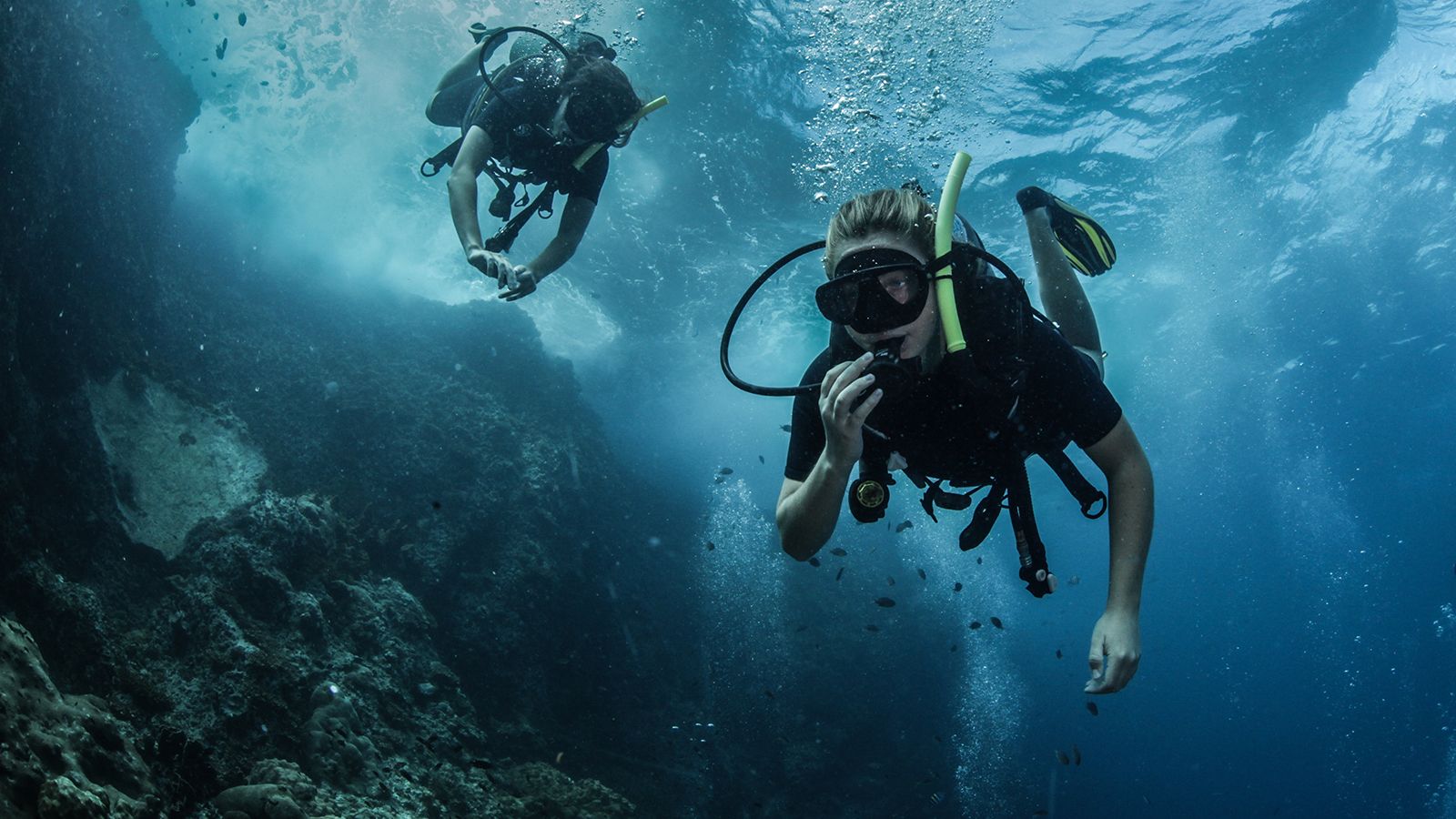
PADI 5-Star · Sairee
PADI 5-Star IDC on Sairee Beach: small groups, every level, taught in seven languages.
Full guide →
Private club · South coast
Very small classes, a training pool and boats straight from the resort pier.
Full guide →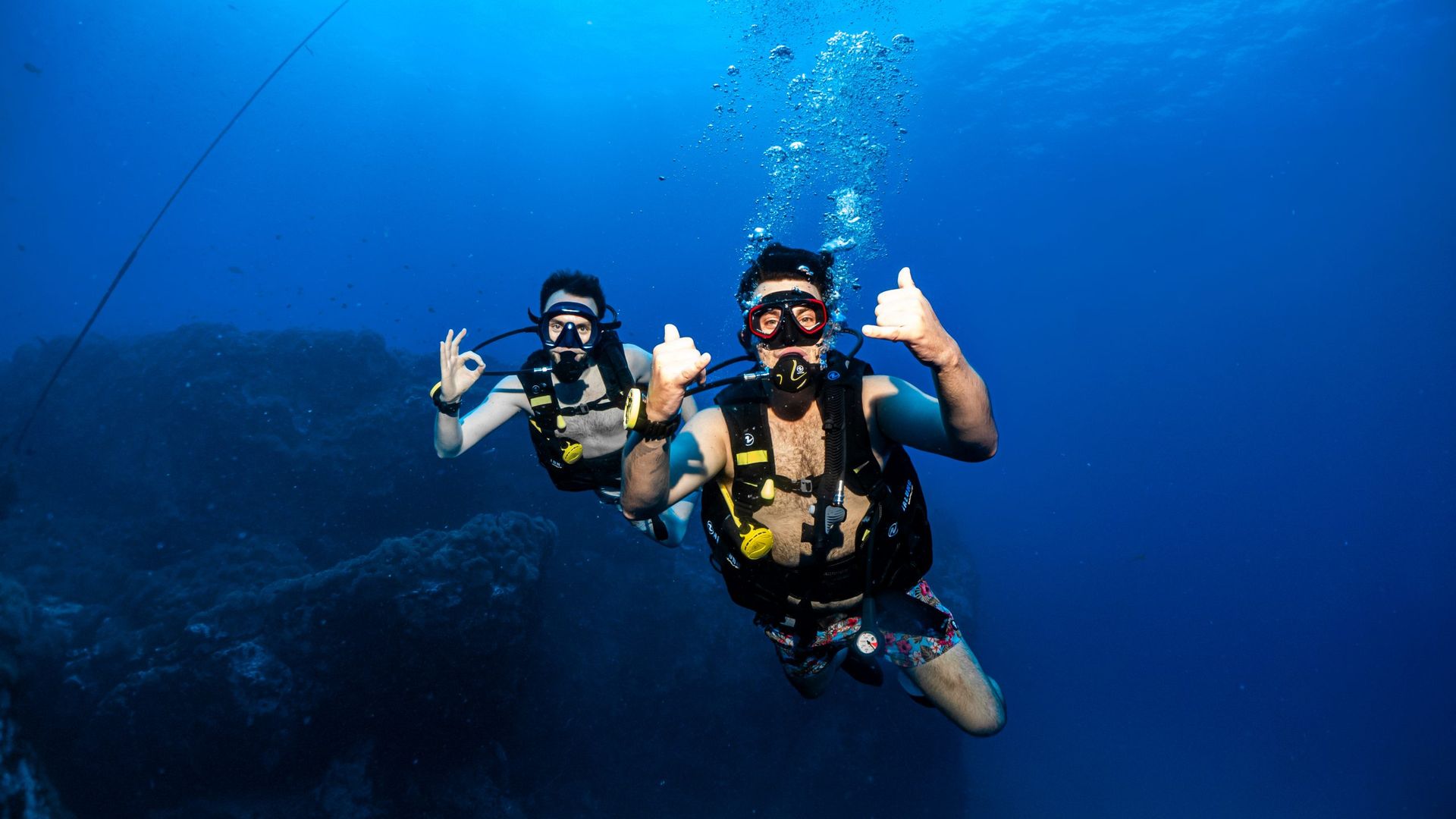
Dive school · Mae Haad
Groups of four, two minutes from the pier, from Open Water to instructor.
Full guide →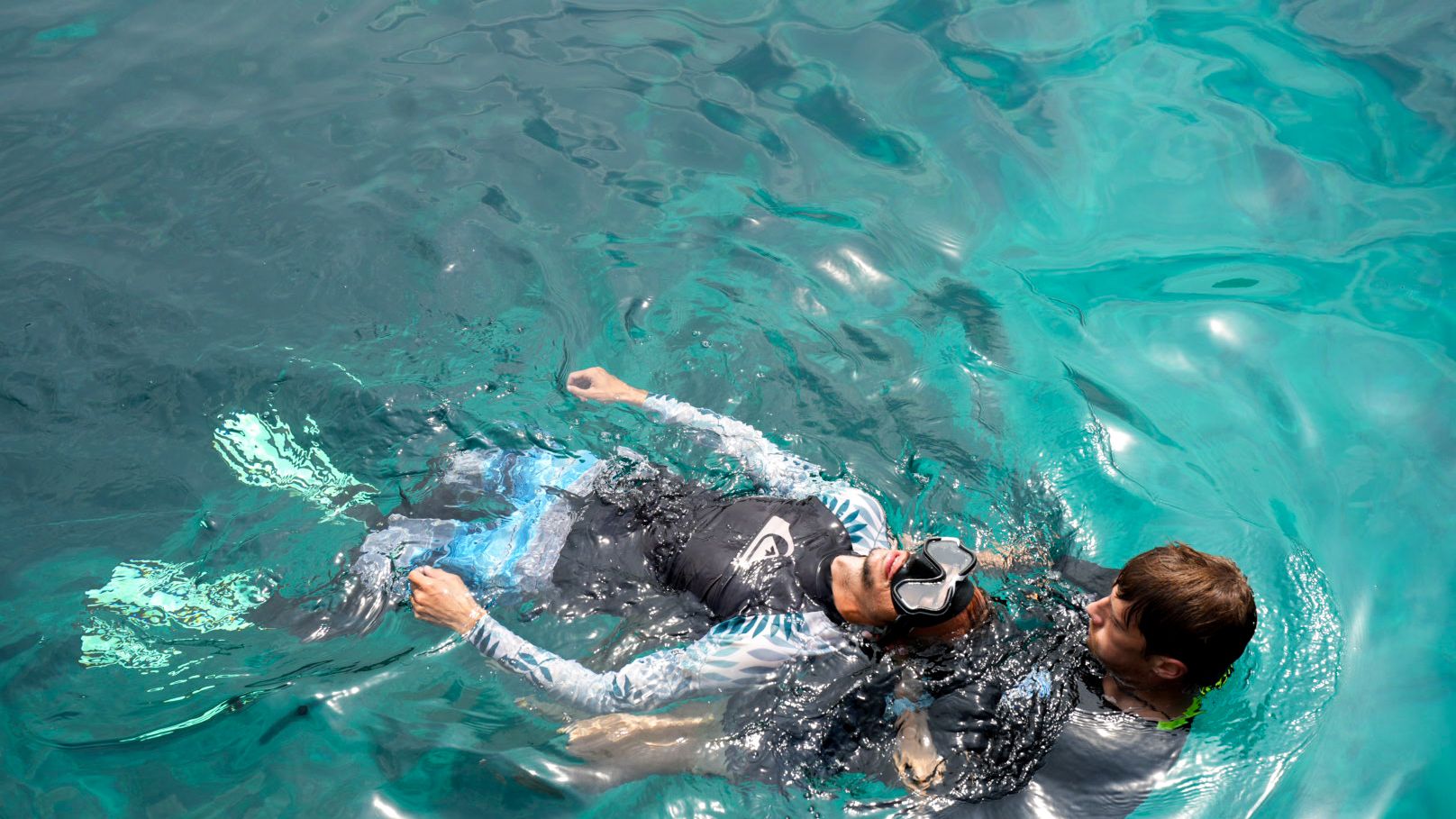
French dive school · Mae Haad & Chalok
Courses in French since 2012: SSI and CMAS / FFESSM, groups of four, first dive to instructor.
Full guide →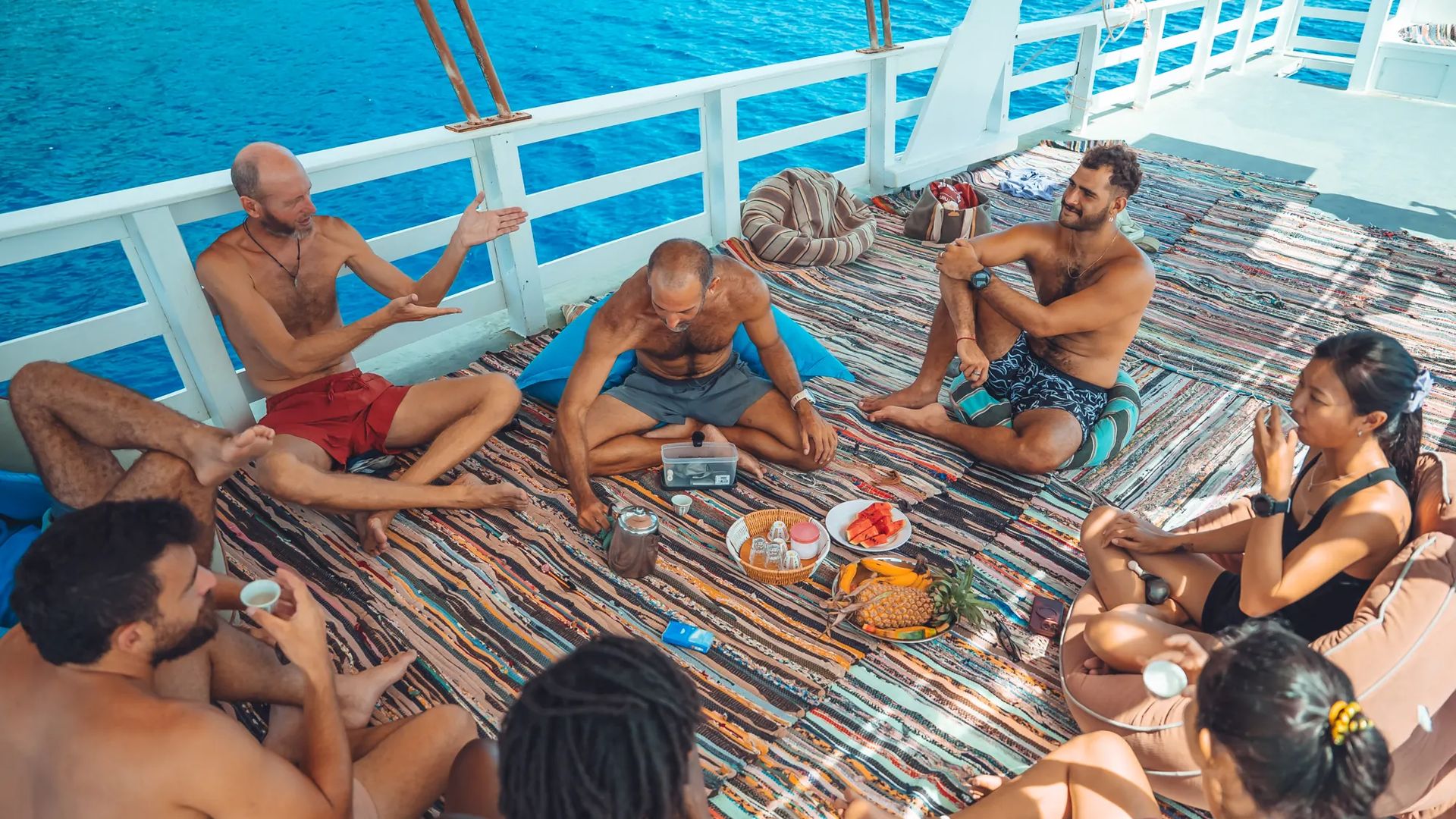
Freediving & yoga · Mae Haad
Learn to freedive on one breath, with breathwork and yoga in a sea-view shala.
Full guide →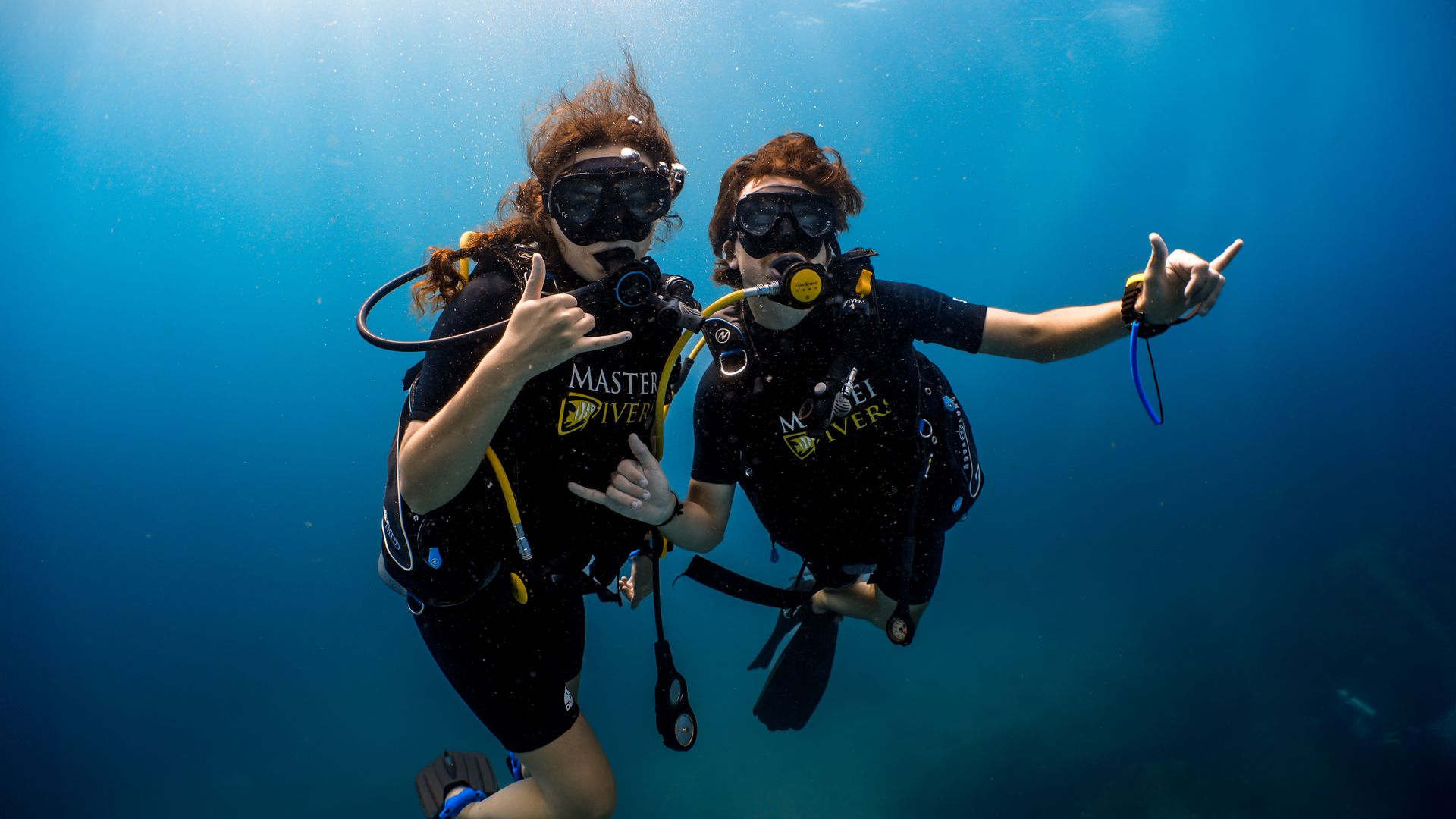
PADI 5-Star CDC · Mae Haad
One of the island's most established dive centres, with a focus on pro training.
Full guide →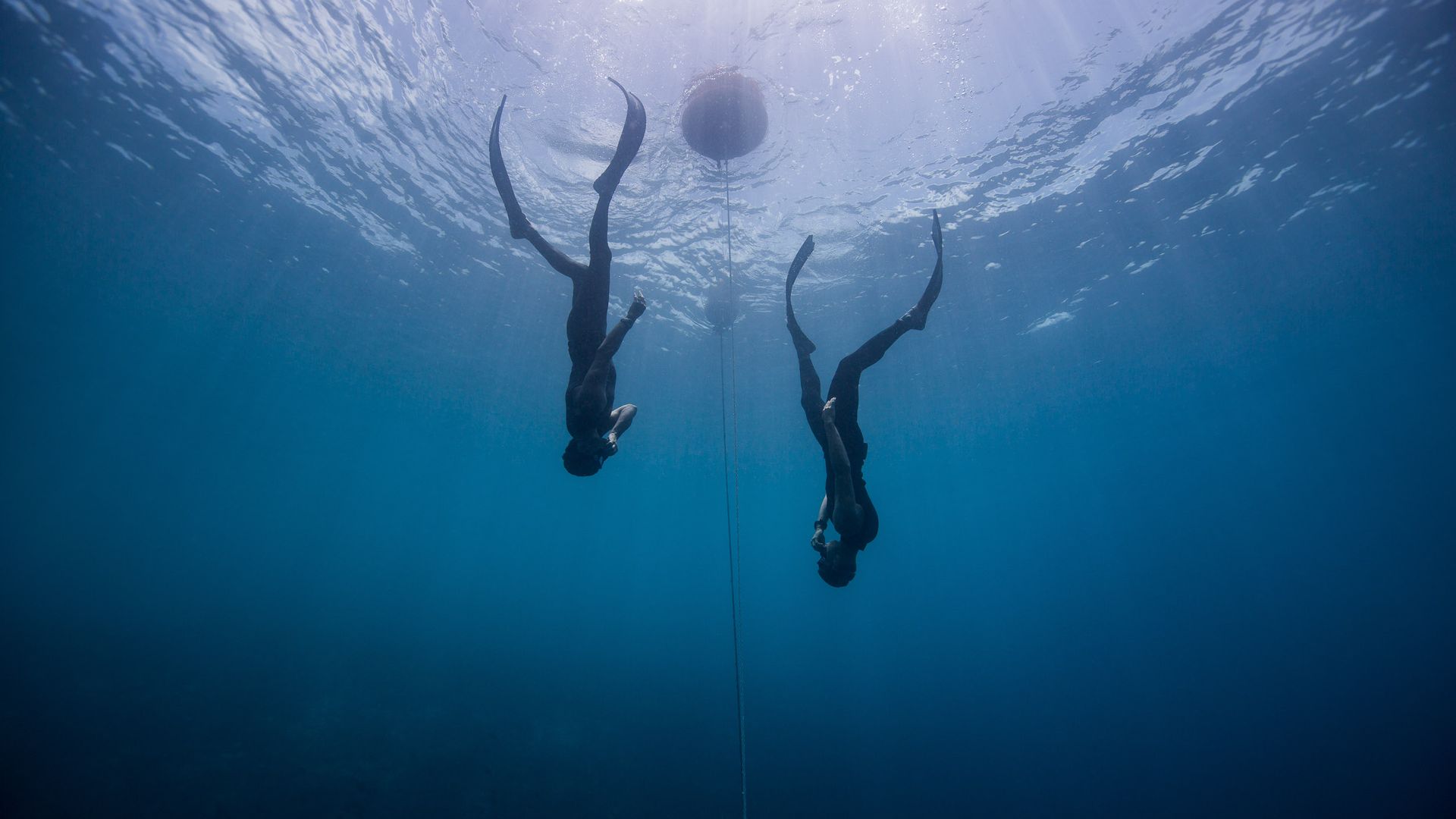
Freediving · Sairee
Personal freediving courses with experienced instructors off Sairee Beach.
Full guide →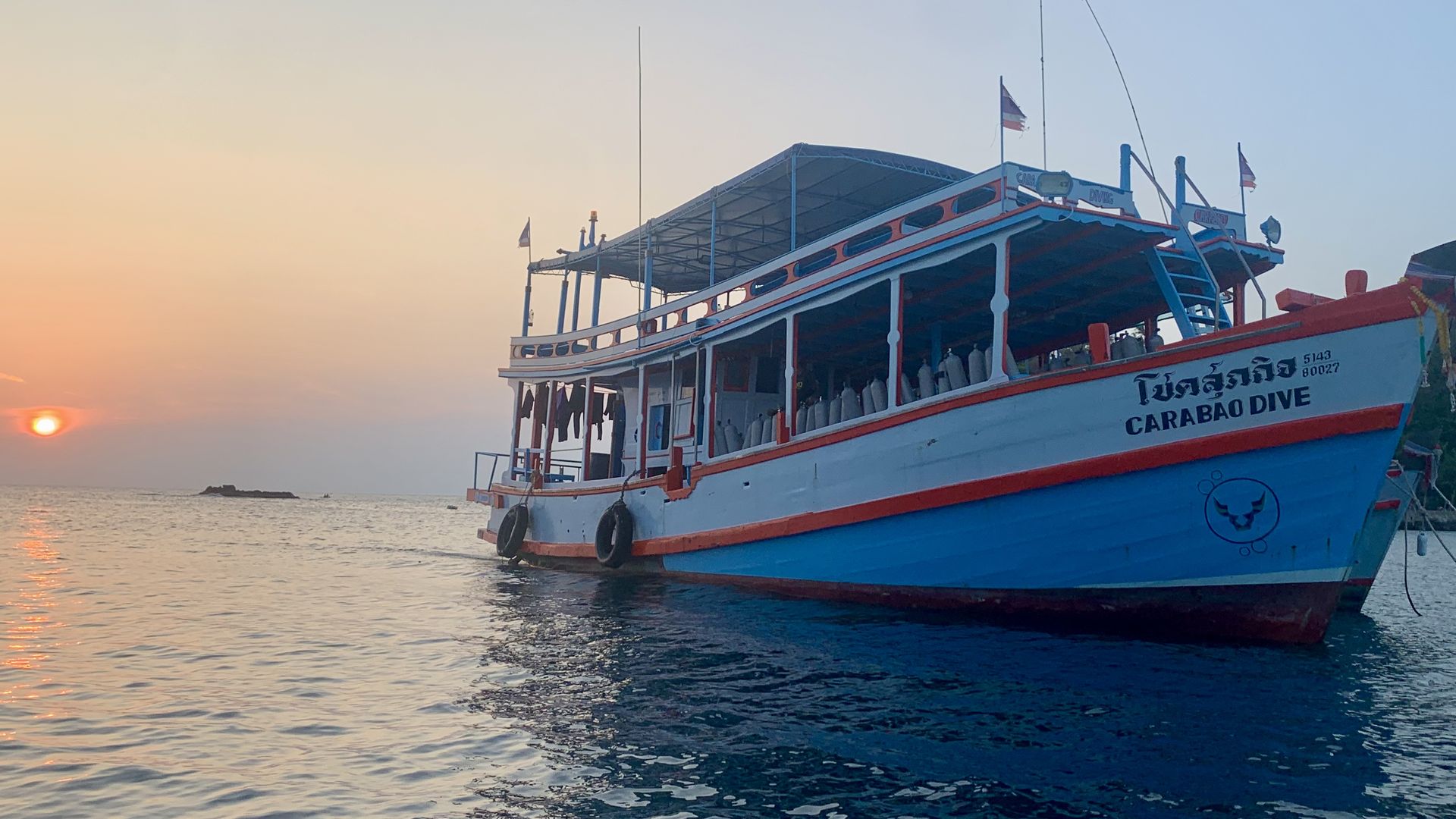
SSI dive resort · Chalok
Dive and stay in the quiet southern bay of Chalok.
Full guide →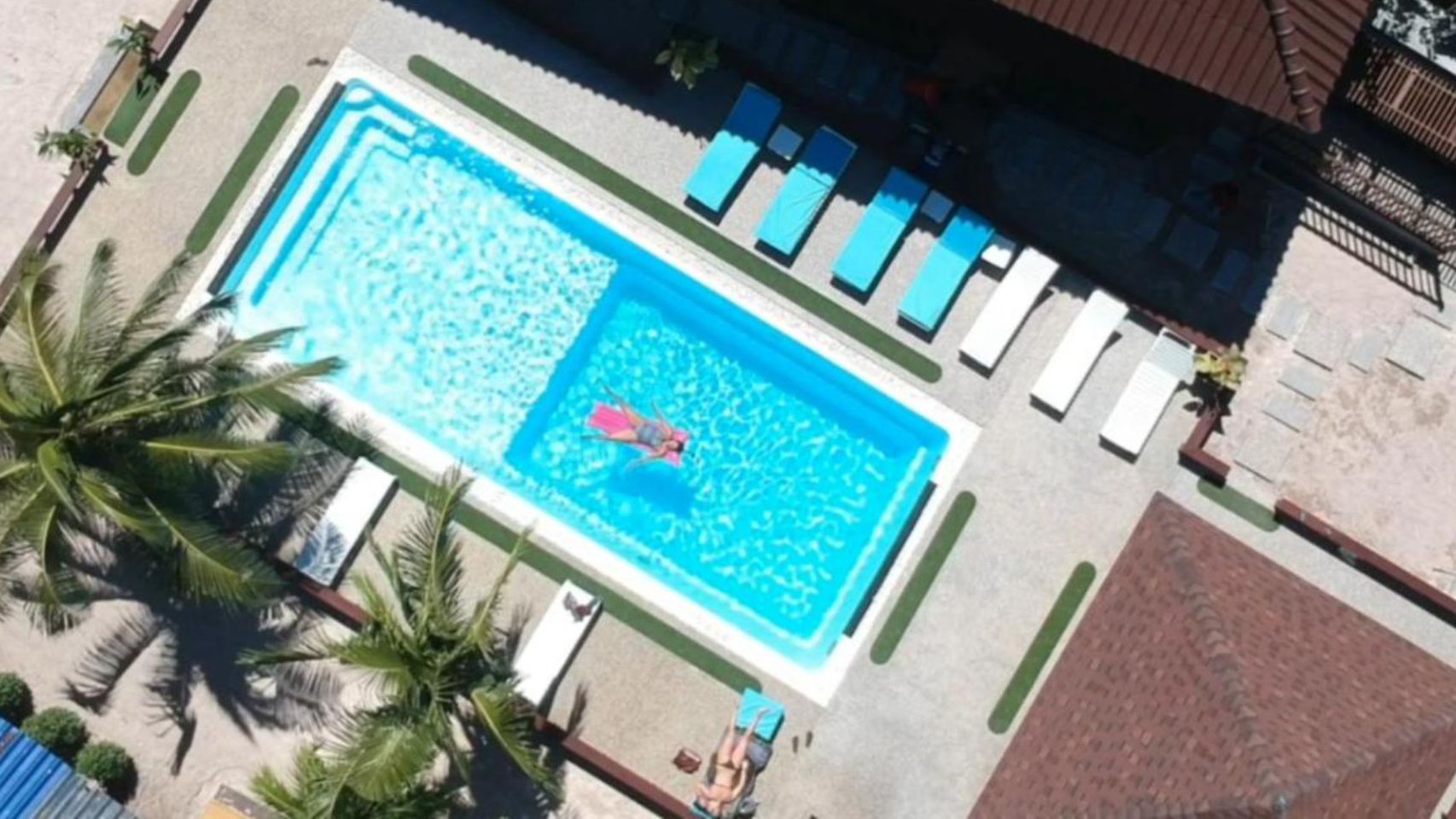
PADI dive resort · Chalok
Courses and fun dives with a resort to stay at, in Chalok.
Full guide →Also on the island: DPM Diving and dozens more. See every dive centre on Koh Tao →