Koh Tao dive sites / Japanese Gardens
Japanese Gardens: Koh Nang Yuan's Beginner Dive and Snorkel Site
A shallow, sheltered coral bay on Koh Nang Yuan where many divers take their first breaths underwater.
Koh Tao dive sites / Japanese Gardens
A shallow, sheltered coral bay on Koh Nang Yuan where many divers take their first breaths underwater.
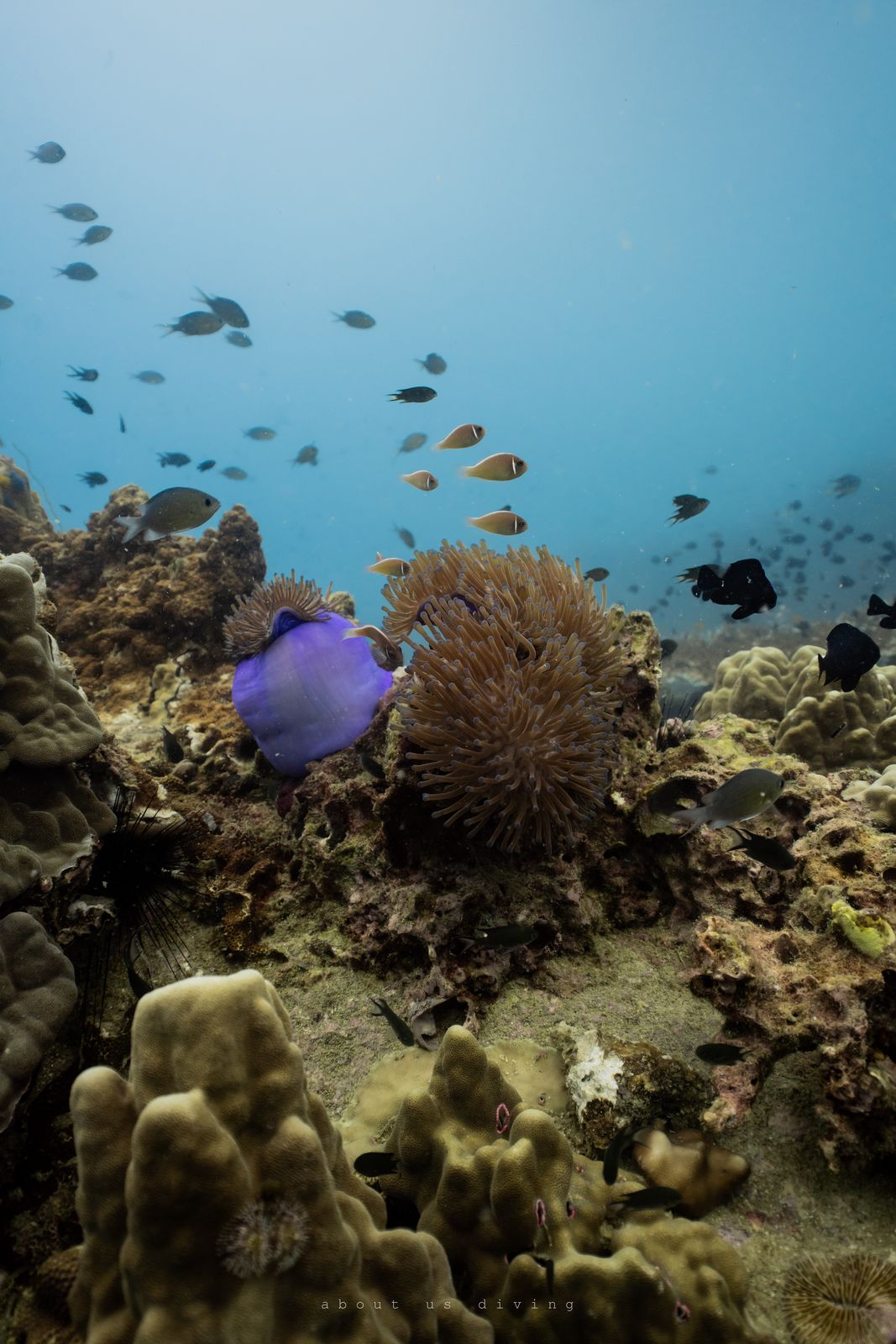
Japanese Gardens is Koh Tao's classic beginner site: a shallow, calm bay on the east side of Koh Nang Yuan, looking back towards Koh Tao. Coral bommies stand on pale sand like plants in a garden, which is where the name comes from. If you are searching for the Japanese Gardens dive site on Koh Tao, you are looking at the easiest and friendliest option around the island.
The reef begins almost at the surface and slopes gently to roughly 10 to 12 m, with the water usually flat and the current light. That makes it a favourite for first-time try dives, Open Water courses, refreshers and photographers, and you can also snorkel it straight from the beach on Nang Yuan.
Boats usually drop you in the shallow end near the beach, or you can enter from the sand. From there it is a slow drift through the bommies at about 5 to 10 m, passing from the middle of the bay towards the eastern side where funnel and mushroom corals cover a large area. There is no rush: the point of this dive is to look closely.
Finish in the shallows for a long safety stop. Many divers also arrive here at the end of a Red Rock dive, following the coastline reef south, so it works as both a standalone site and a gentle ending.
Because the bay is so shallow and calm, it suits students building confidence, refresher dives and photographers who want time with a subject. On a course, expect to practise your skills before heading out to explore.
Most of the site slopes to about 10 to 12 m, and a few areas go slightly deeper, to around 14 or 15 m.
The bay is protected by the headlands of Koh Nang Yuan, with the island lying to the west and open water towards Koh Tao on the east. The layout is easy to follow, which is a big part of why instructors like it for first dives.
The reef is busy with the colourful, easy-to-spot residents: anemonefish, sergeant majors, damselfish, fusiliers, rabbitfish, parrotfish, butterflyfish, bannerfish and red-breasted wrasse. Harlequin sweetlips drift between the bommies, and blue-spotted rays rest on the sand around the table corals.
You will find brain, table, staghorn, lobe and lettuce corals, plus barrel sponges, anemones and giant clams. Christmas tree worms and pufferfish are easy macro subjects. Green turtles, juvenile batfish and banded sea snakes show up from time to time, and pink-tailed triggerfish have been spotted here too.
The calm water and good light make this a rewarding place for slow macro work. Look closely at the anemones, the table corals and the base of the bommies, where small shrimp and juvenile reef fish shelter. A conservation team monitors coral recruitment here to cope with the pressure from visitors.
The bay is sheltered by Nang Yuan's headlands, so there is little wave action and little to no current for most of the year. Visibility averages about 10 m and can range from 2 m on a bad day to 20 m or more on a good one. It is a good choice almost any month, particularly when other sites are rougher.
The site is also reachable by snorkel tours and from the beach at Nang Yuan, so it is popular with visitors who are not diving at all.
This is one of the easiest dives on the island, but the usual rules apply: watch your depth, stay with your buddy and keep clear of the coral. Banded sea snakes live here and are not aggressive, so just give them space. In the shallow end, mind your fins and your surface positioning around other divers and snorkellers.
Most of the site is between about 2 and 12 m. A few areas reach 14 to 15 m.
Yes. It is one of the most popular snorkel spots on Koh Tao, with easy beach access on Koh Nang Yuan.
Yes. It is shallow, sheltered and regularly used for try dives and Open Water training.
The coral bommies are scattered across the sand like an ornamental garden, and the name comes from that look.
Anemonefish, sweetlips, parrotfish, blue-spotted rays, giant clams and many hard corals, with turtles and pink-tailed triggerfish as occasional bonuses.
A granite pinnacle just off Koh Nang Yuan, with a cave swim and a drift finish into Japanese Gardens.
5 to 20 mThree granite pinnacles on flat white sand, and the place where thousands of divers log their first proper dives.
10 to 16 mA purpose-built reef of concrete sculptures and obstacles, a short swim north of Twins.
14 to 30 mA granite pinnacle west of Twins where the crack, the big fish and a brand-new wreck all share one dive.
Learn to dive
Koh Tao is one of the best places in the world to learn to dive: warm, calm water, sites a short boat ride away and schools for every style. Here are the courses most schools offer and the dive schools we know and trust. Schedules, course length and prices are set by each school.
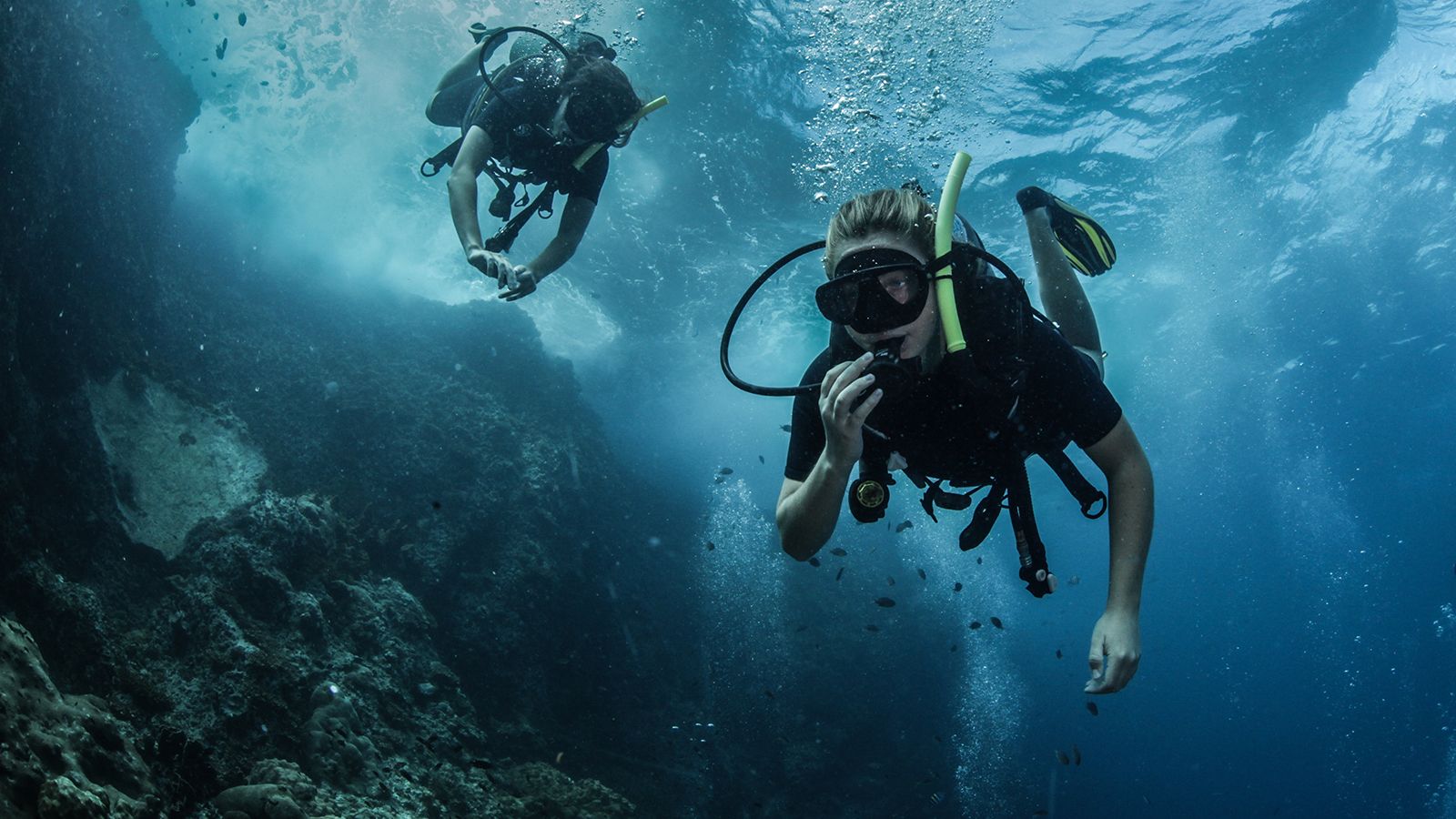
PADI 5-Star · Sairee
PADI 5-Star IDC on Sairee Beach: small groups, every level, taught in seven languages.
Full guide →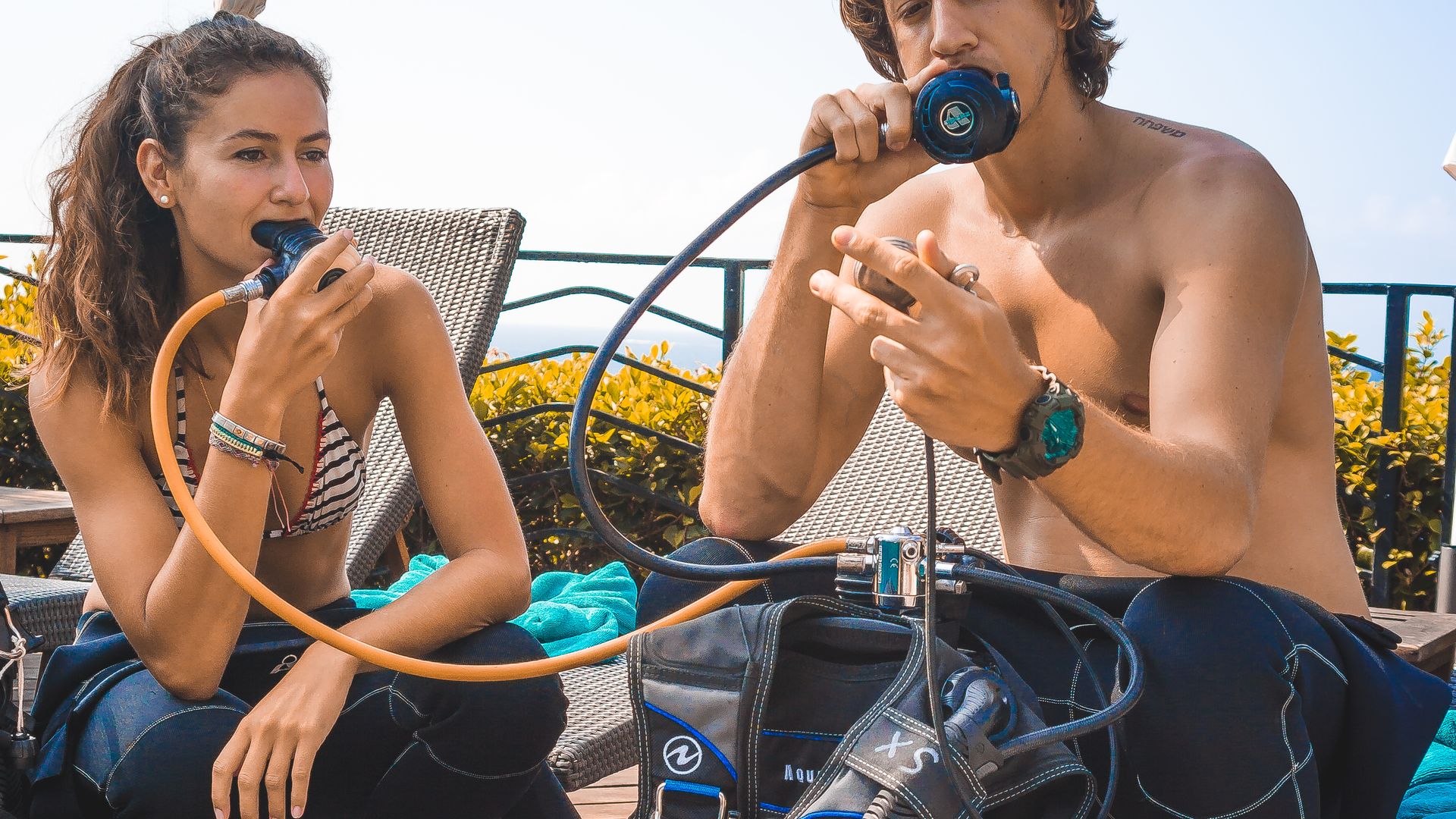
Private club · South coast
Very small classes, a training pool and boats straight from the resort pier.
Full guide →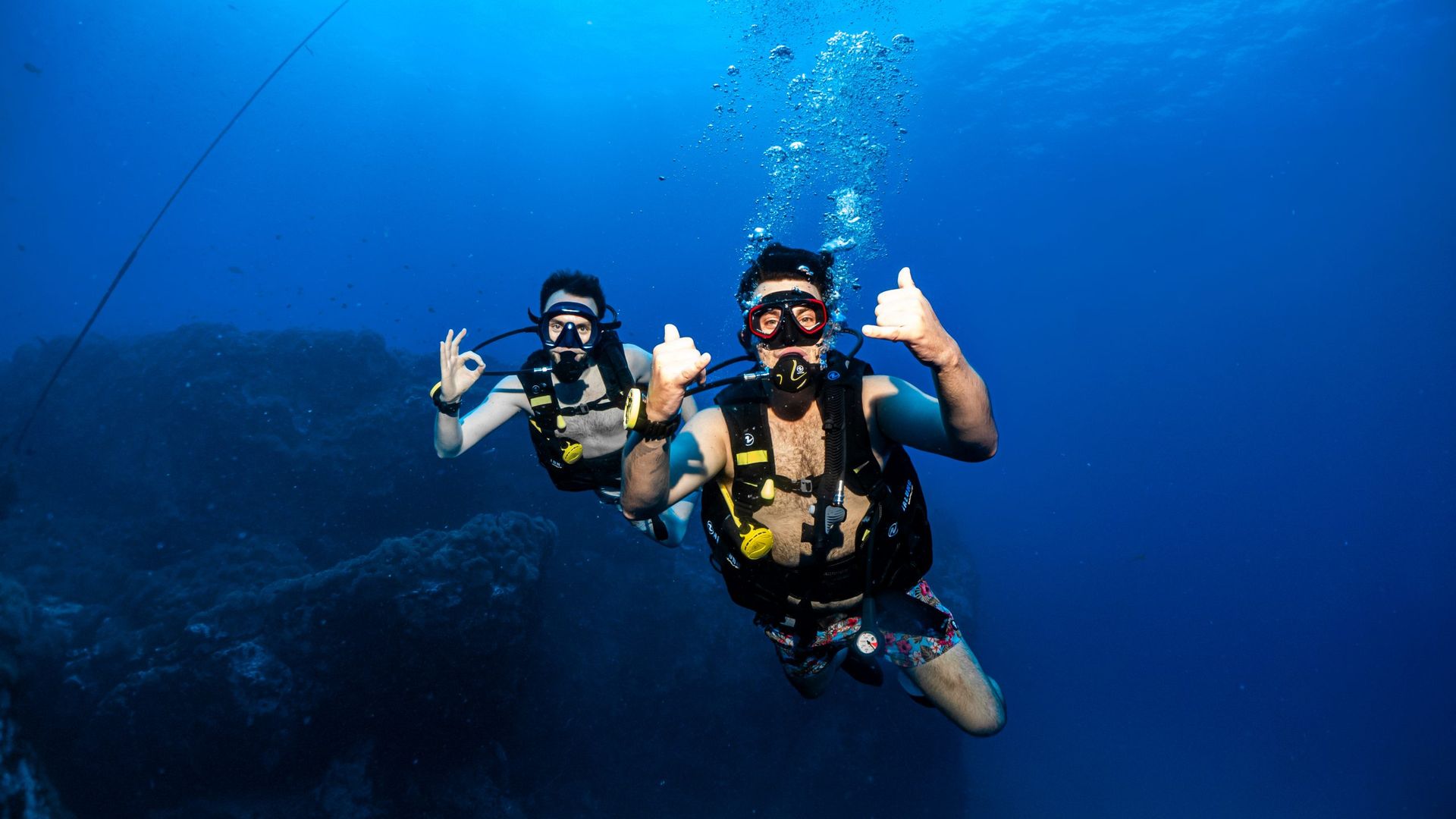
Dive school · Mae Haad
Groups of four, two minutes from the pier, from Open Water to instructor.
Full guide →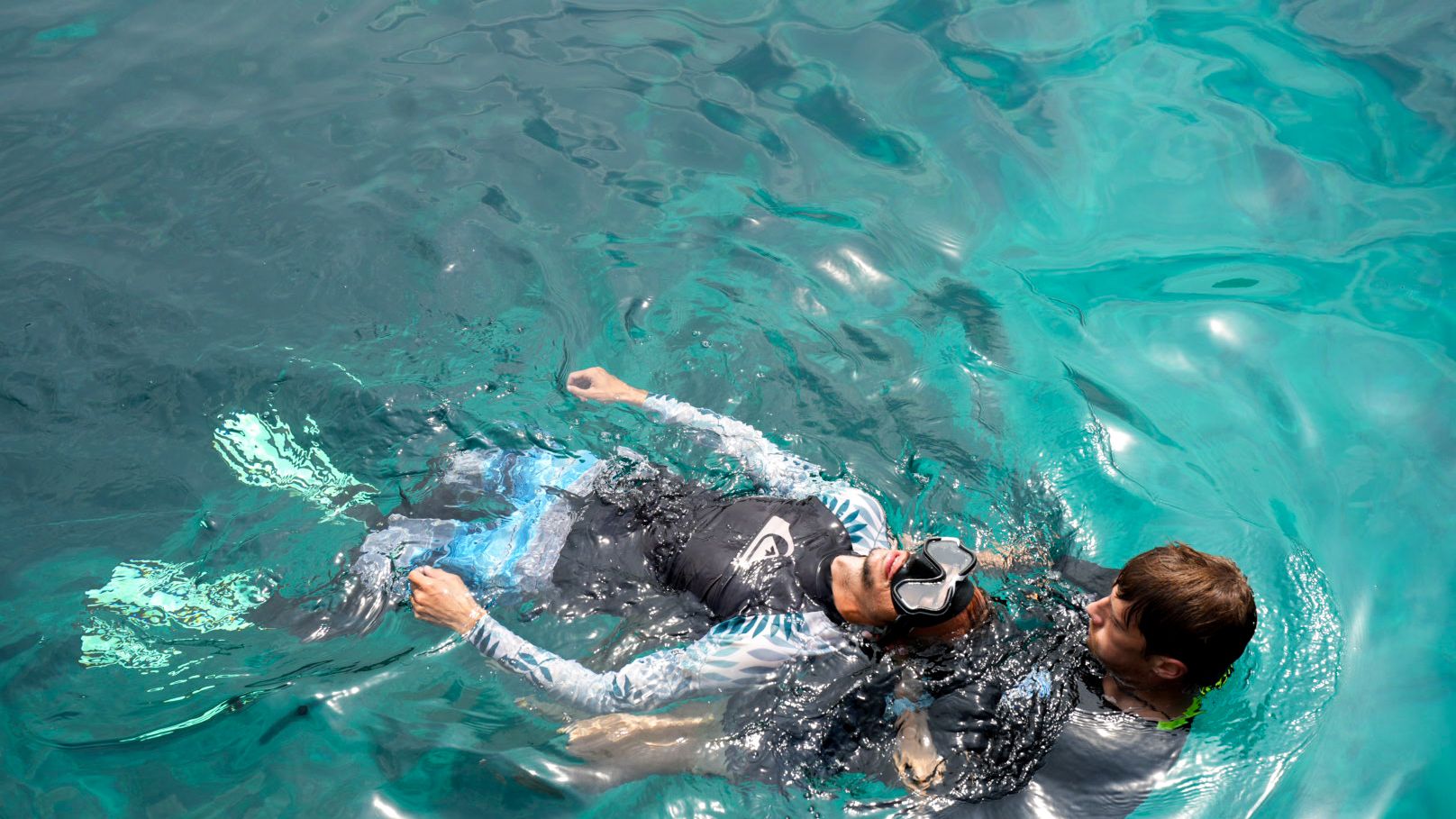
French dive school · Mae Haad & Chalok
Courses in French since 2012: SSI and CMAS / FFESSM, groups of four, first dive to instructor.
Full guide →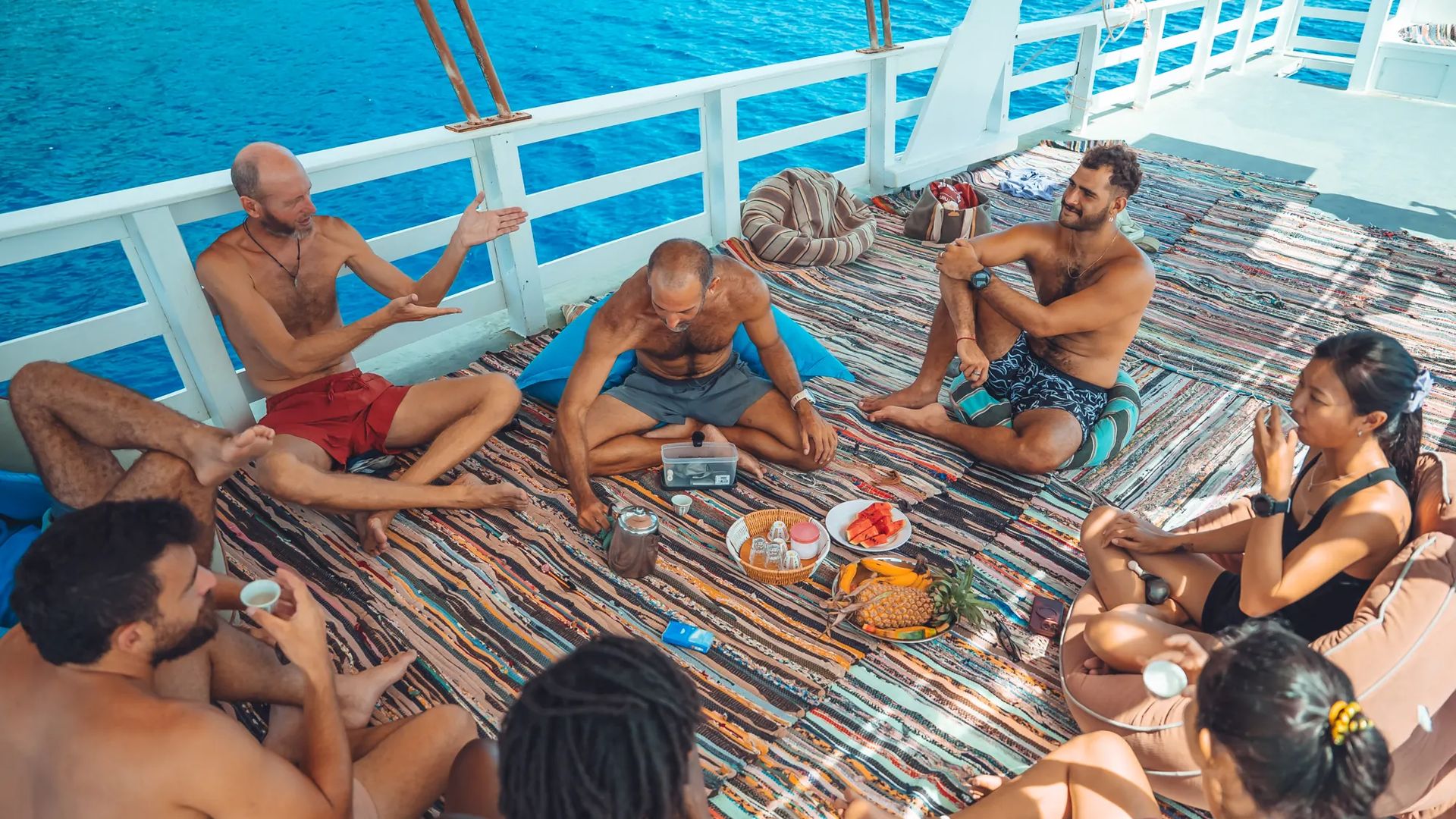
Freediving & yoga · Mae Haad
Learn to freedive on one breath, with breathwork and yoga in a sea-view shala.
Full guide →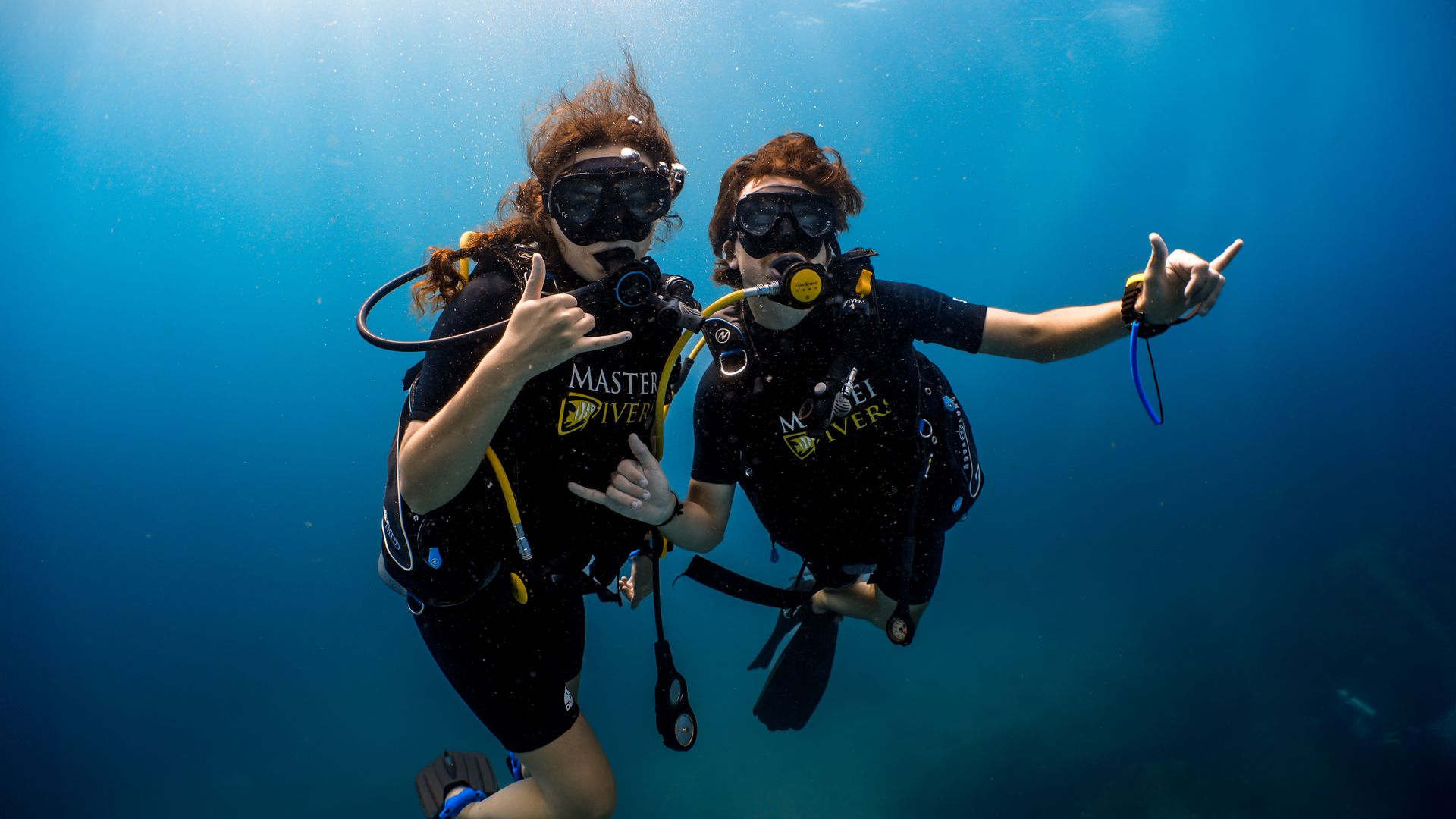
PADI 5-Star CDC · Mae Haad
One of the island's most established dive centres, with a focus on pro training.
Full guide →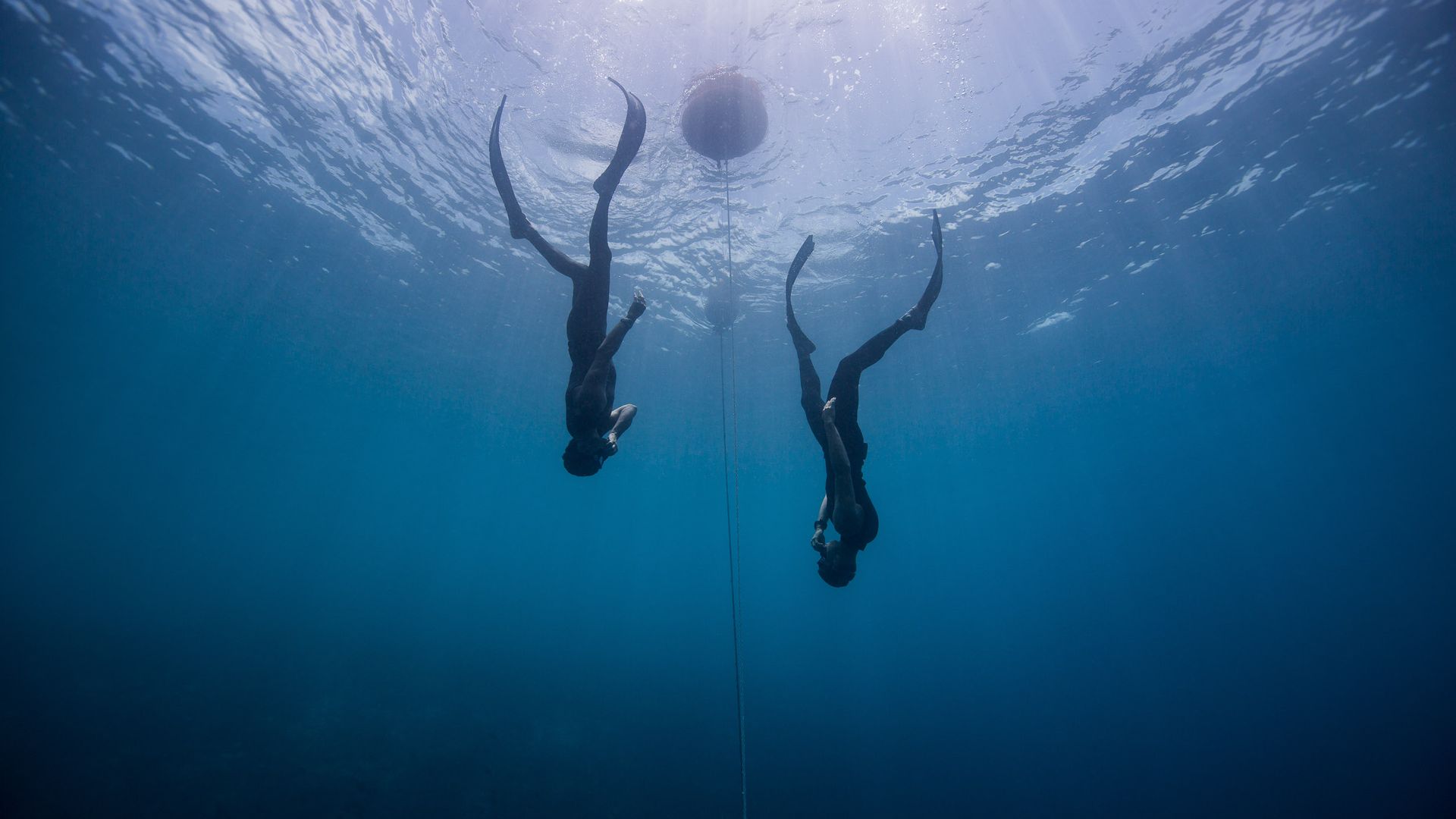
Freediving · Sairee
Personal freediving courses with experienced instructors off Sairee Beach.
Full guide →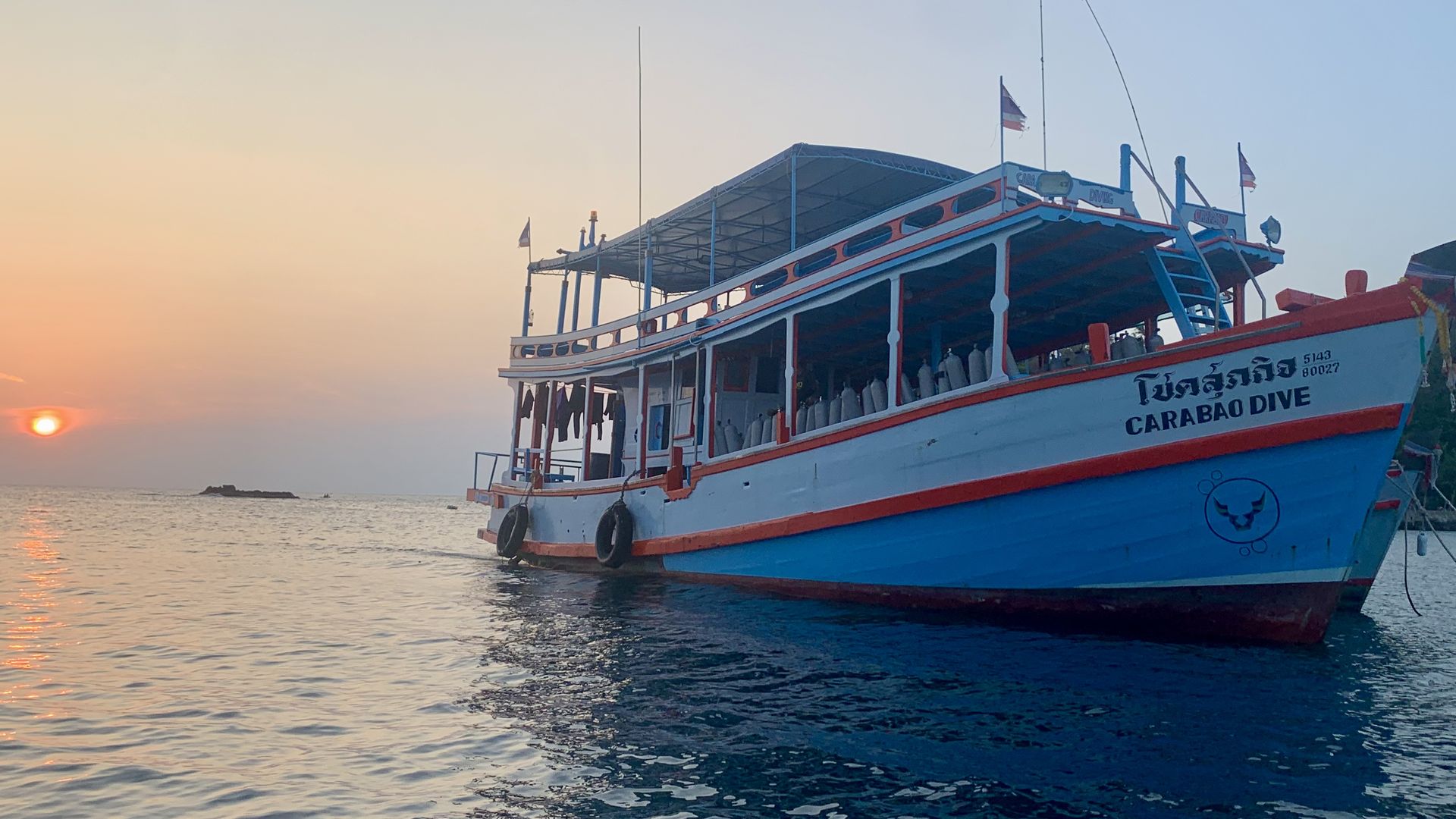
SSI dive resort · Chalok
Dive and stay in the quiet southern bay of Chalok.
Full guide →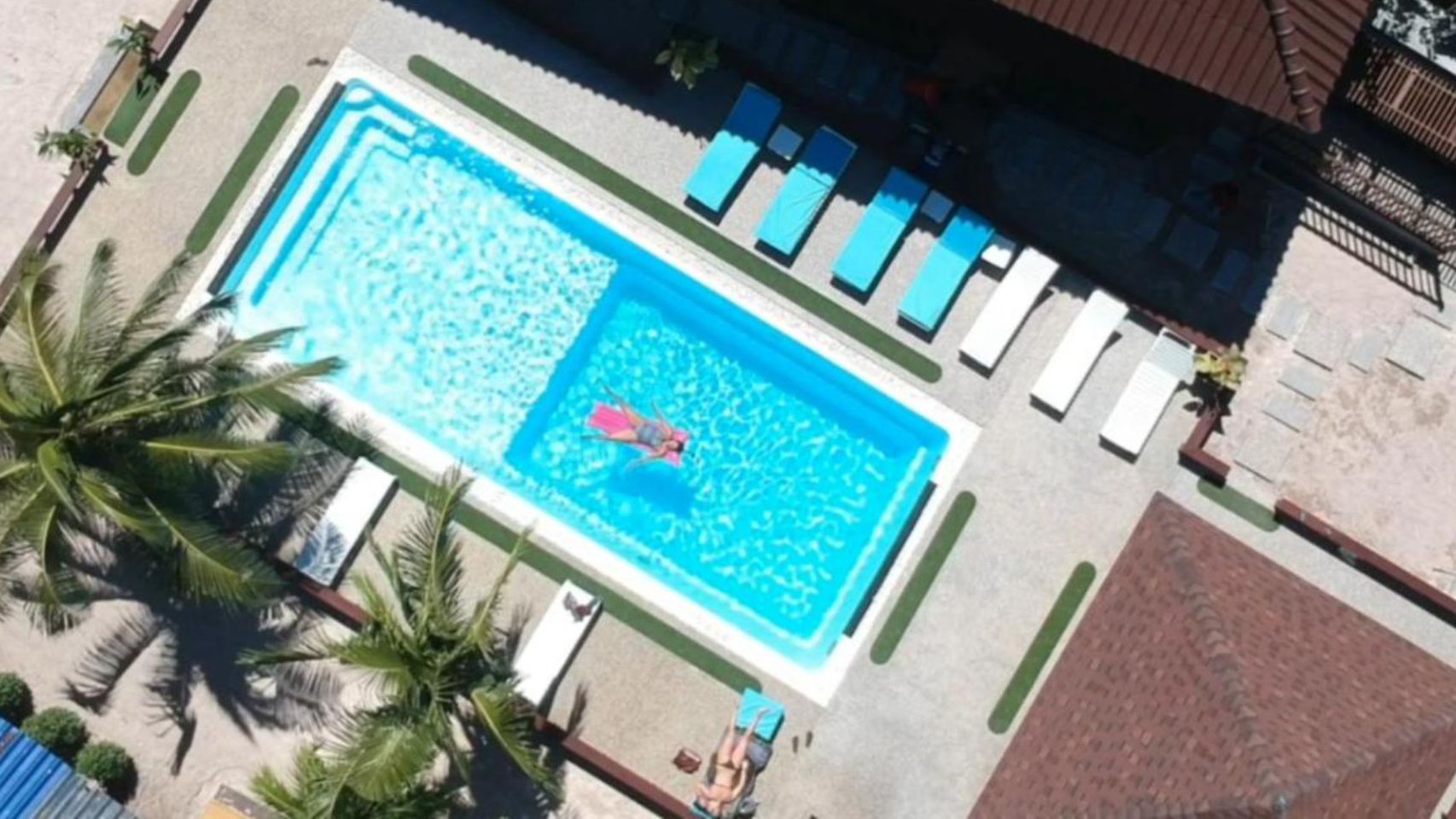
PADI dive resort · Chalok
Courses and fun dives with a resort to stay at, in Chalok.
Full guide →Also on the island: DPM Diving and dozens more. See every dive centre on Koh Tao →