Koh Tao Travel Tips Money, SIM Cards, Safety & Packing
Everything practical you need before and after you step off the boat, from cash and SIM cards to water, safety and packing.
Everything practical you need before and after you step off the boat, from cash and SIM cards to water, safety and packing.
Koh Tao is small, friendly and easy, but a few practical things catch first-time visitors out. This is our short list of Koh Tao travel tips: how to handle money, how to stay connected, and how to stay healthy and safe.
Rules and services change, so treat this as a guide from recent local and traveller sources, not a promise. If something matters to you, such as an ATM limit or a SIM plan, confirm it before you travel.
Koh Tao runs mostly on cash. Street food, small restaurants, minimarts, taxis and scooter rentals nearly always want cash. Dive centres, resorts and mid-range restaurants usually take cards, but some add a surcharge, often around 3 percent, so ask first.
There are ATMs in Mae Haad, Sairee and Chalok, and at the larger 7-Elevens. Thai banks charge foreign cards a fee on every withdrawal, on top of whatever your home bank charges. Because the fee is per transaction, take out a larger amount less often. Many ATMs cap the amount you can take out in a single withdrawal, with a few banks allowing more. When the ATM offers to convert the amount into your home currency, decline it and let your own bank do the conversion, which almost always gives a better rate.
Bring a little cash in a major currency as a backup. Exchange counters in Mae Haad and Sairee take USD, EUR and GBP, and rates are better in town than at the pier. Also keep small notes: breaking a large note for a small purchase can be a hassle.
Koh Tao is not as cheap as the mainland, because almost everything arrives by boat, and prices are higher in peak season and during the Full Moon weeks. Thai food at local places and street snacks are the easiest way to keep costs down, and the beaches and many hikes are free. Simple fan bungalows and dorms sit at one end of the range, and resorts, villas and beach bars at the other.
Carry cash for food stalls, taxis and scooter rentals, and keep a card for resorts and dive centres. Diving is on top of your everyday spending: course prices vary by dive centre; see Where to learn to dive on Koh Tao. Taxi trucks have no meter, so agree the fare before you get in, which is why many visitors walk or rent a scooter. Some beaches and viewpoints charge a small entrance fee, paid in cash.
The main networks are AIS, True and dtac (True and dtac merged in 2023, though networks can still differ). AIS is widely recommended for coverage across the Gulf islands. Signal is fine in the main villages and can drop in remote bays and in the hills.
You have two easy options. A tourist SIM from AIS or True comes in packages that vary by length (around 5 to 30 days) and data. You can buy one at Bangkok airports or at 7-Eleven, but you need your passport for registration. An eSIM is simpler if your phone supports it, and you can install it before you fly, though data usually works out dearer per gigabyte.
Wifi is common in hotels, cafes and restaurants, but speed varies and it can slow down in the evening. If you work remotely, test the connection before you commit to a long stay.
Thailand uses 220V at 50Hz. Sockets are a mix, and most take both flat two-pin and round two-pin plugs (types A, B, C, F and O all show up). UK and Australian visitors need an adapter, and US visitors should check that their device accepts 220V. Most phone and laptop chargers do. A small power strip is handy, because rooms often have few sockets. Power cuts are rare but happen, so carry a power bank.
Do not drink the tap water. Bottled water is easy to find but creates a lot of plastic on a small island, so use refill stations instead. Many cafes, dive centres, hostels and shops have refill points for a small charge, and some are free. The Trash Hero refill network lists participating businesses, and its reusable bottles can be bought at partner locations. Ask your accommodation, as many provide free filtered water.
Laundry shops are everywhere in Sairee, Mae Haad and Chalok. Most charge by the kilo, with same-day or next-day service. Ask about drying time in the wet months.
Most cafes and shops open around 8 or 9am, restaurants take last orders around 9 or 10pm, and bars stay open late, with some closing around midnight or 1am. Tipping is not expected, but rounding up or leaving a little extra for good service is appreciated, and dive crews and drivers often receive tips.
The sun is stronger than most people expect, even on cloudy days. Cover up between 11am and 3pm, drink more than you think you need and reapply sunscreen after swimming. Mosquitoes are around at dusk, and dengue exists in Thailand, so use repellent. Rinse any scrapes from coral or rocks and treat them quickly, because small cuts can become infected in the tropics.
Koh Tao has a few small shrines and temples. Cover your shoulders and knees, take off your shoes before entering buildings, and keep your voice down. Do not touch a Thai person's head, and never point your feet at a Buddha image. Swimwear is fine on the beach but not in shops, restaurants or on the street. Read our culture and etiquette guide for more.
The reef and the beaches are the reason people come, so a few habits help. Say no to plastic bags and straws, bring a refillable bottle, never stand on or touch coral, do not feed fish and keep your sunscreen reef-safe. If you want to give something back, look at conservation and volunteering.
Koh Tao is generally safe, but accidents are the main risk, especially on scooters. The roads are steep, sandy and sometimes slippery, so if you are not an experienced rider, take a taxi or walk. Wear a helmet, check that your travel insurance covers scooter use and diving, and carry a valid licence.
Save our emergency numbers and see immigration, visa and police for official matters. Getting to the island is covered in ferries and getting around, and timing in the best time to visit.
Yes at resorts, dive centres and many mid-range restaurants, sometimes with a surcharge of around 3 percent. Small restaurants, shops and taxis are usually cash only.
Yes. Thai ATMs charge foreign cards a fee on every withdrawal, plus any fee from your home bank. Withdrawing larger amounts less often saves money.
AIS is the most popular choice for coverage on the islands, and True is a close second. An eSIM is the easiest option if your phone supports it.
No. Use bottled water or, better, refill your own bottle at the refill stations in cafes, dive centres and shops.
Thailand uses 220V and sockets that accept flat and round two-pin plugs. Bring a universal adapter if your plug is a UK, Australian or three-pin type.
Generally yes. The biggest risks are scooter accidents, sun and heat, and the occasional theft or rental dispute, so take sensible precautions.
Checked in November 2026. Opening hours and timetables change: confirm locally before you go.
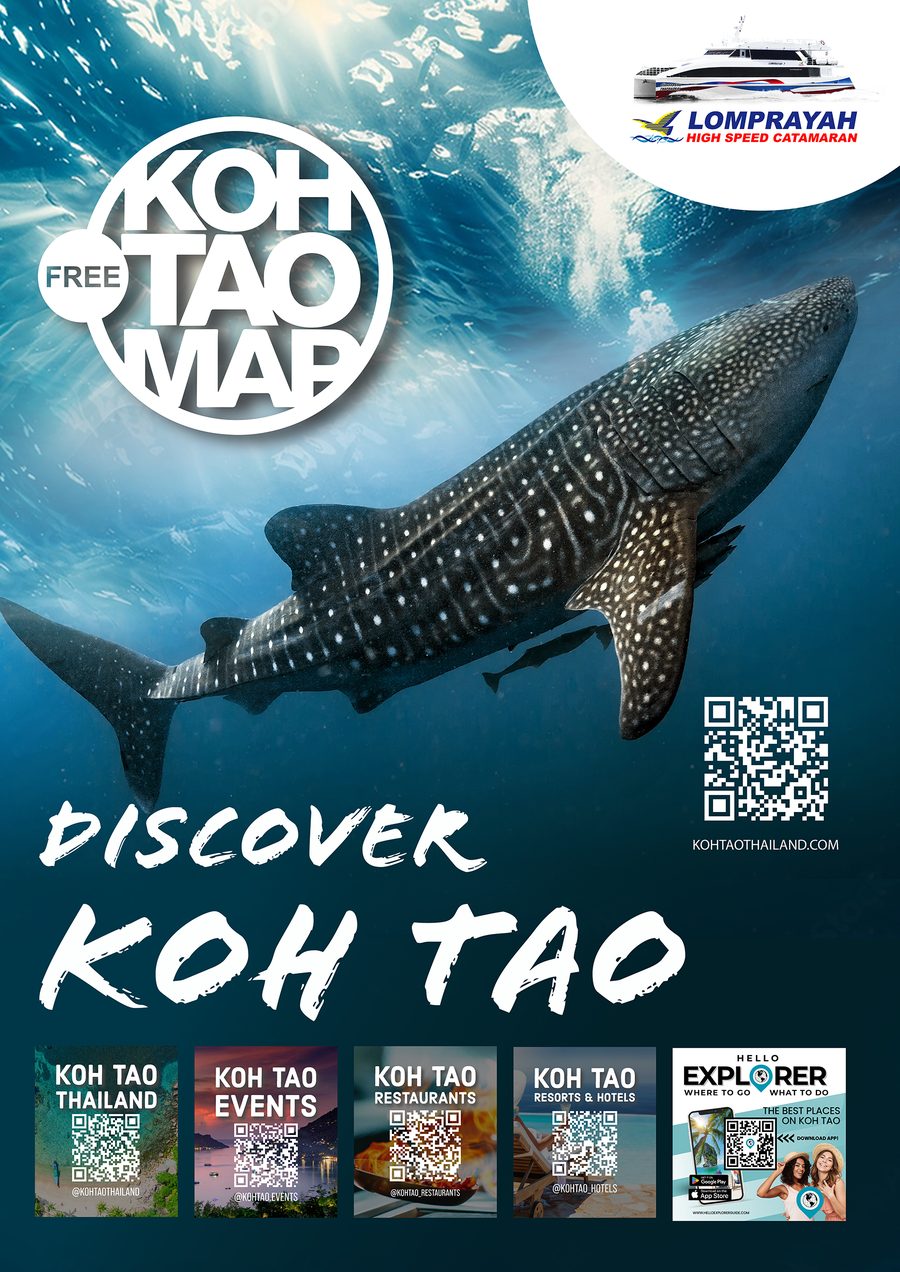
Free Koh Tao Map
Pick up the free Koh Tao Map around the island and follow our Instagram pages for the latest on diving, parties, promos, food and places to stay.
 @kohtaothailandDiving, beaches and island life
 @kohtao.eventsParties, promos and what's on
 @kohtao_restaurantsWhere to eat and drink
 @kohtao_hotelsWhere to stay
Learn to dive
Koh Tao is one of the best places in the world to learn to dive: warm, calm water, sites a short boat ride away and schools for every style. Here are the courses most schools offer and the dive schools we know and trust. Schedules, course length and prices are set by each school.
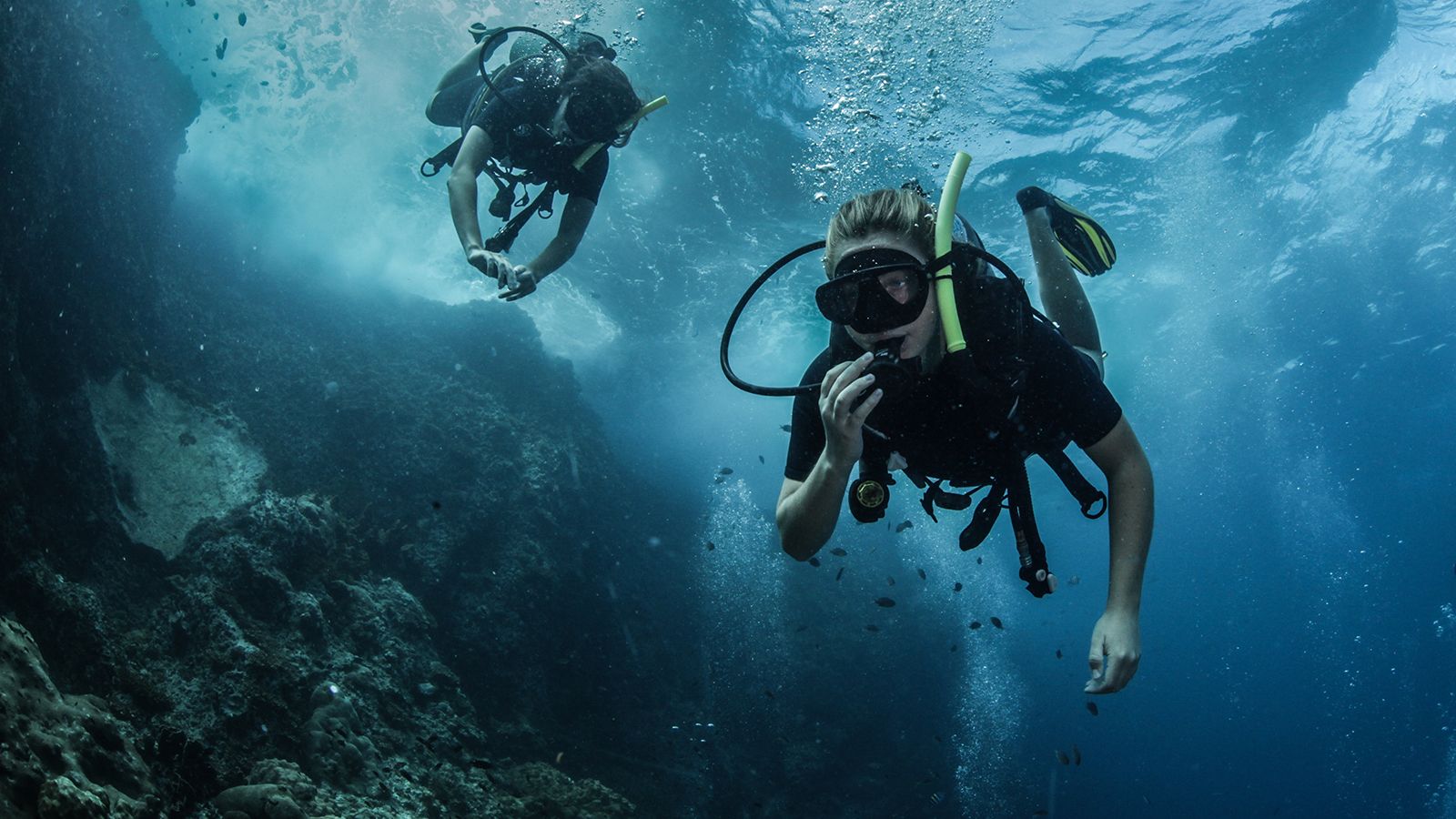
PADI 5-Star · Sairee
PADI 5-Star IDC on Sairee Beach: small groups, every level, taught in seven languages.
Full guide →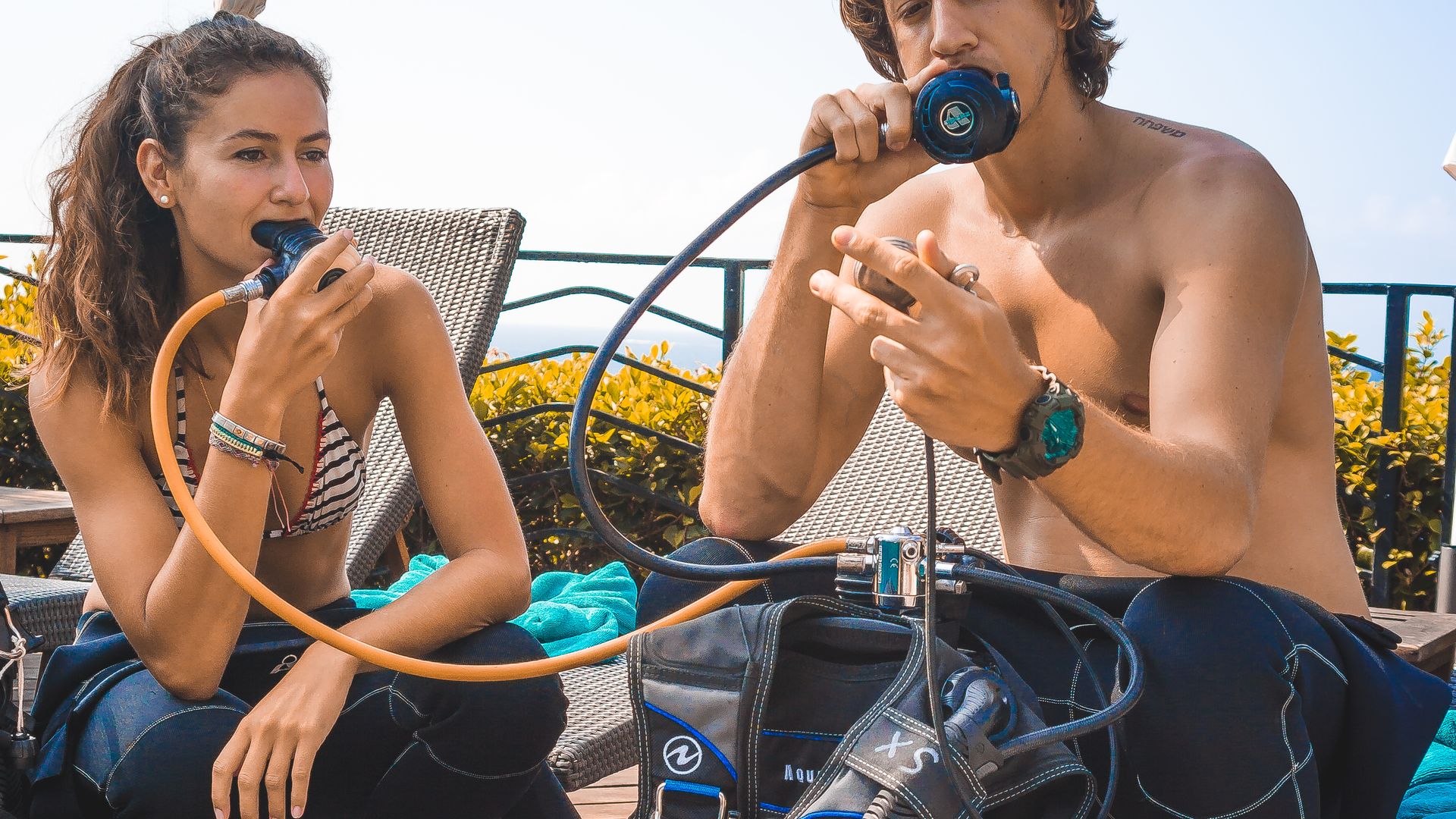
Private club · South coast
Very small classes, a training pool and boats straight from the resort pier.
Full guide →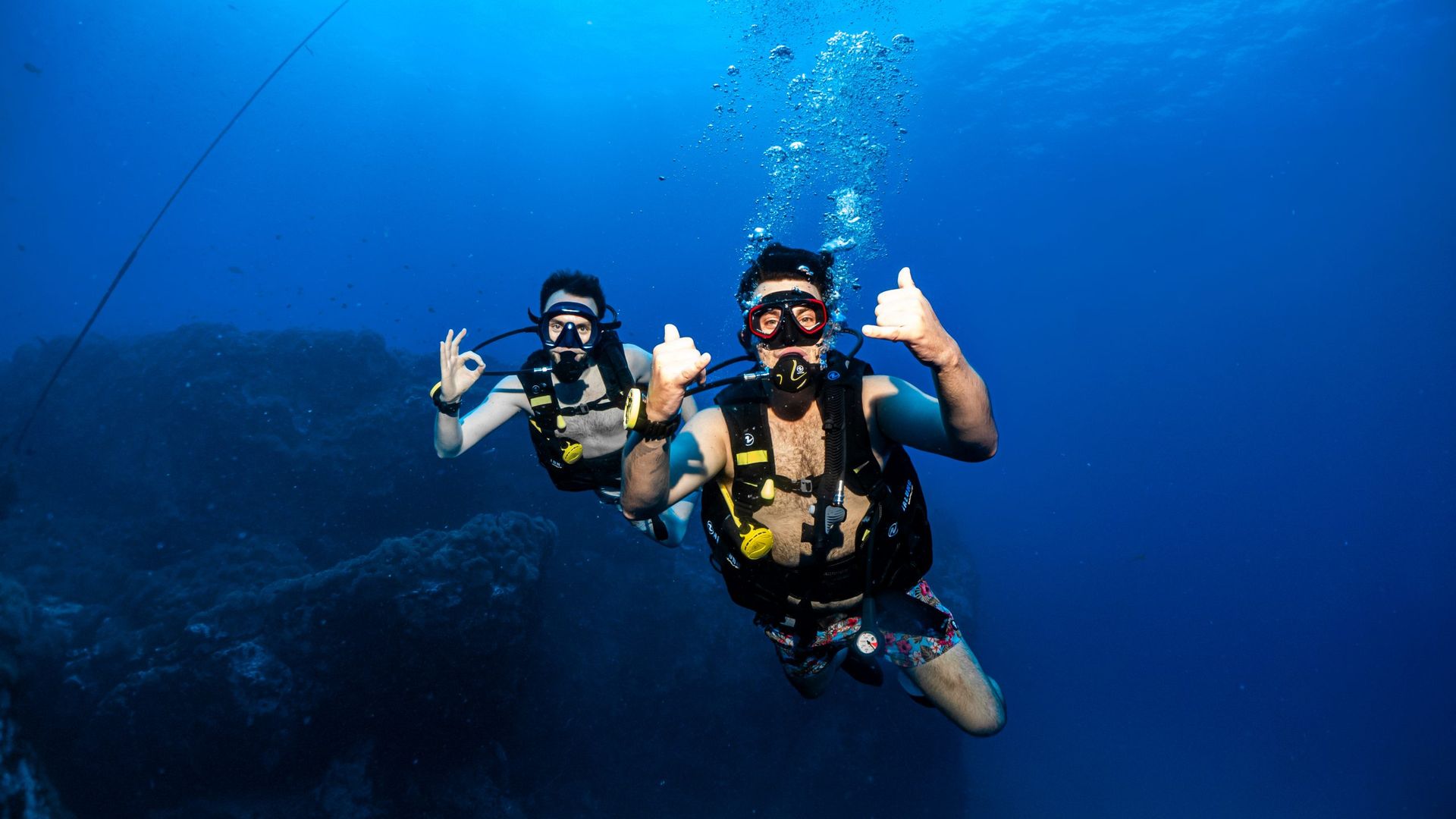
Dive school · Mae Haad
Groups of four, two minutes from the pier, from Open Water to instructor.
Full guide →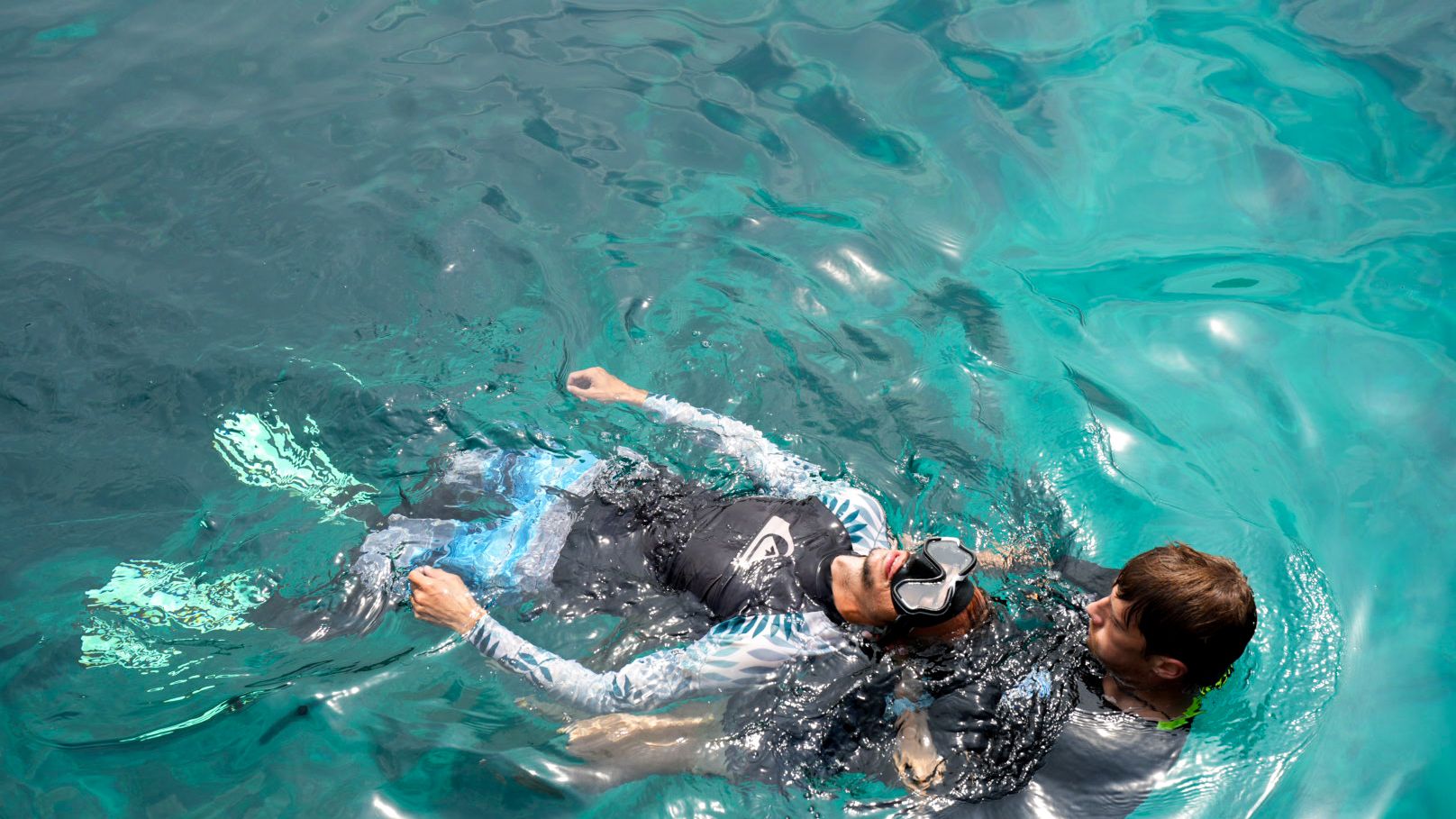
French dive school · Mae Haad & Chalok
Courses in French since 2012: SSI and CMAS / FFESSM, groups of four, first dive to instructor.
Full guide →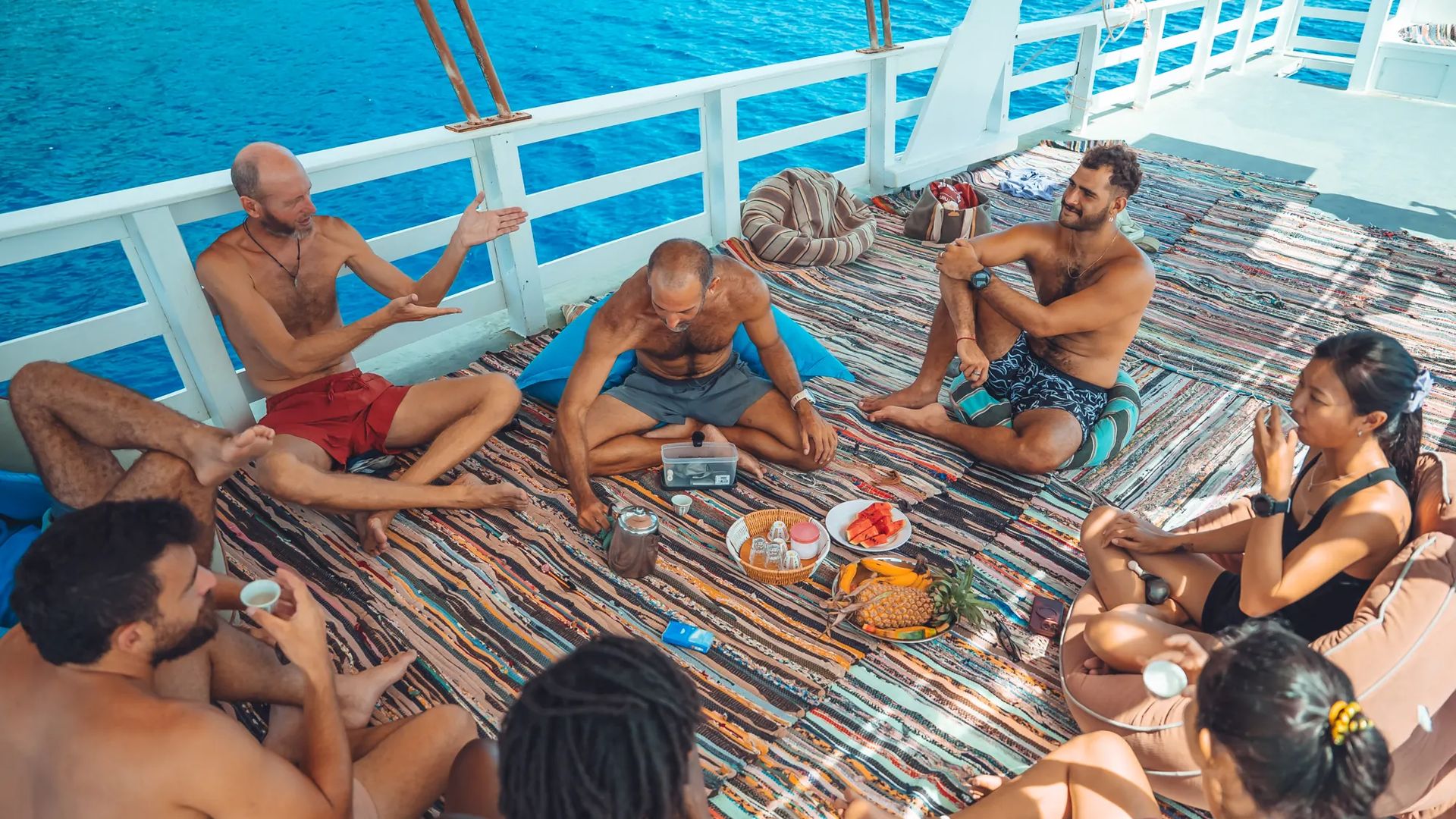
Freediving & yoga · Mae Haad
Learn to freedive on one breath, with breathwork and yoga in a sea-view shala.
Full guide →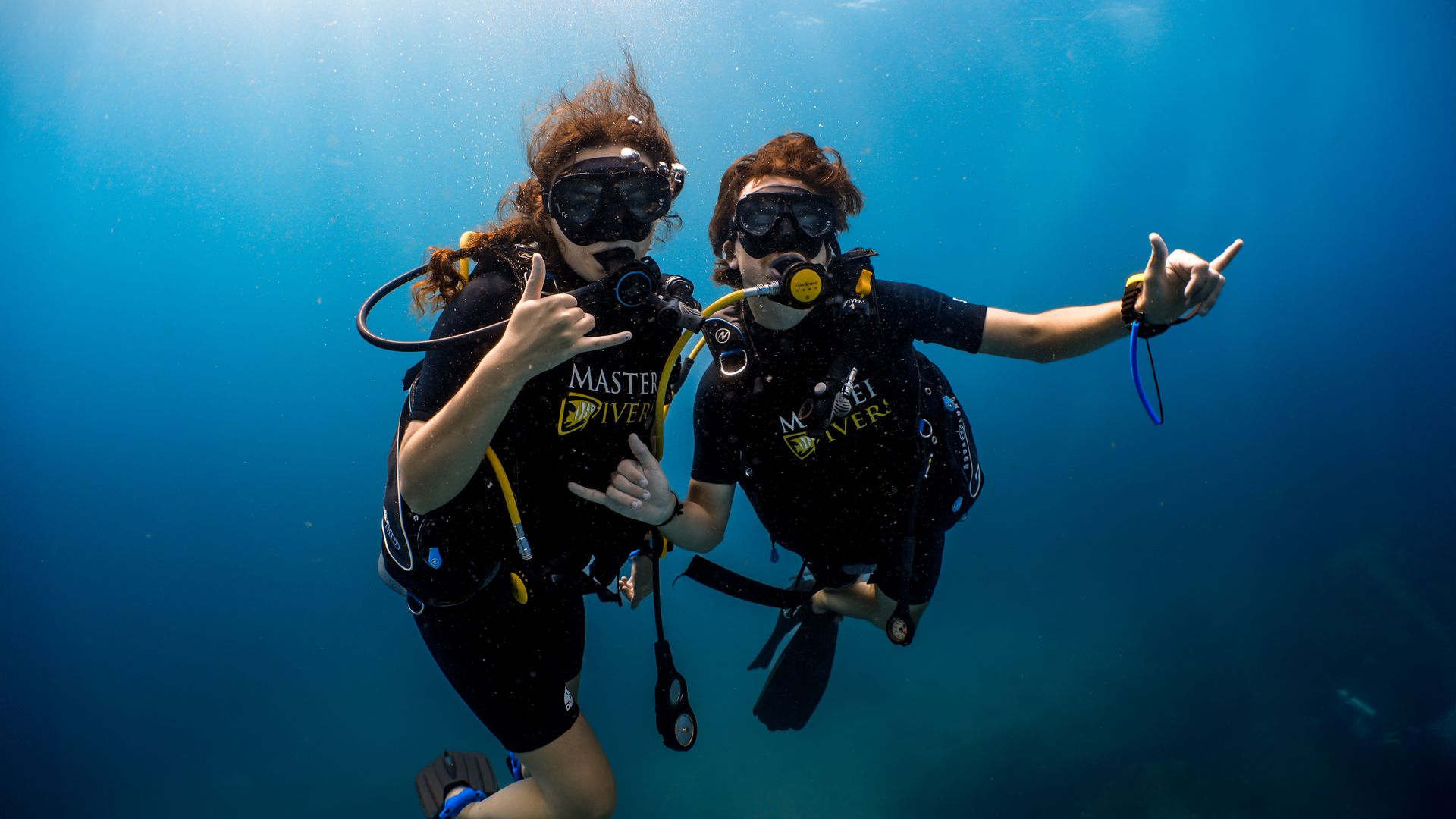
PADI 5-Star CDC · Mae Haad
One of the island's most established dive centres, with a focus on pro training.
Full guide →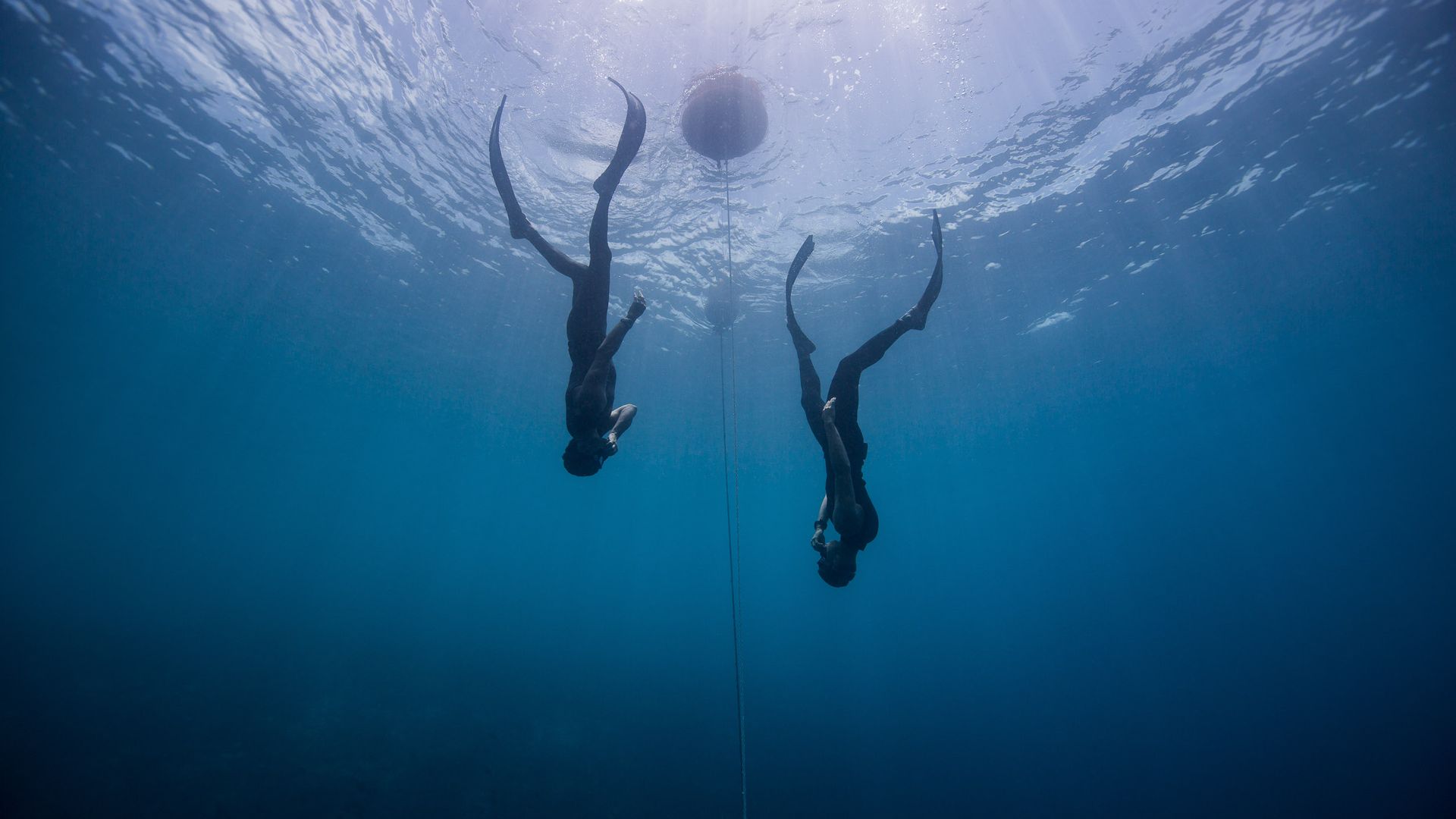
Freediving · Sairee
Personal freediving courses with experienced instructors off Sairee Beach.
Full guide →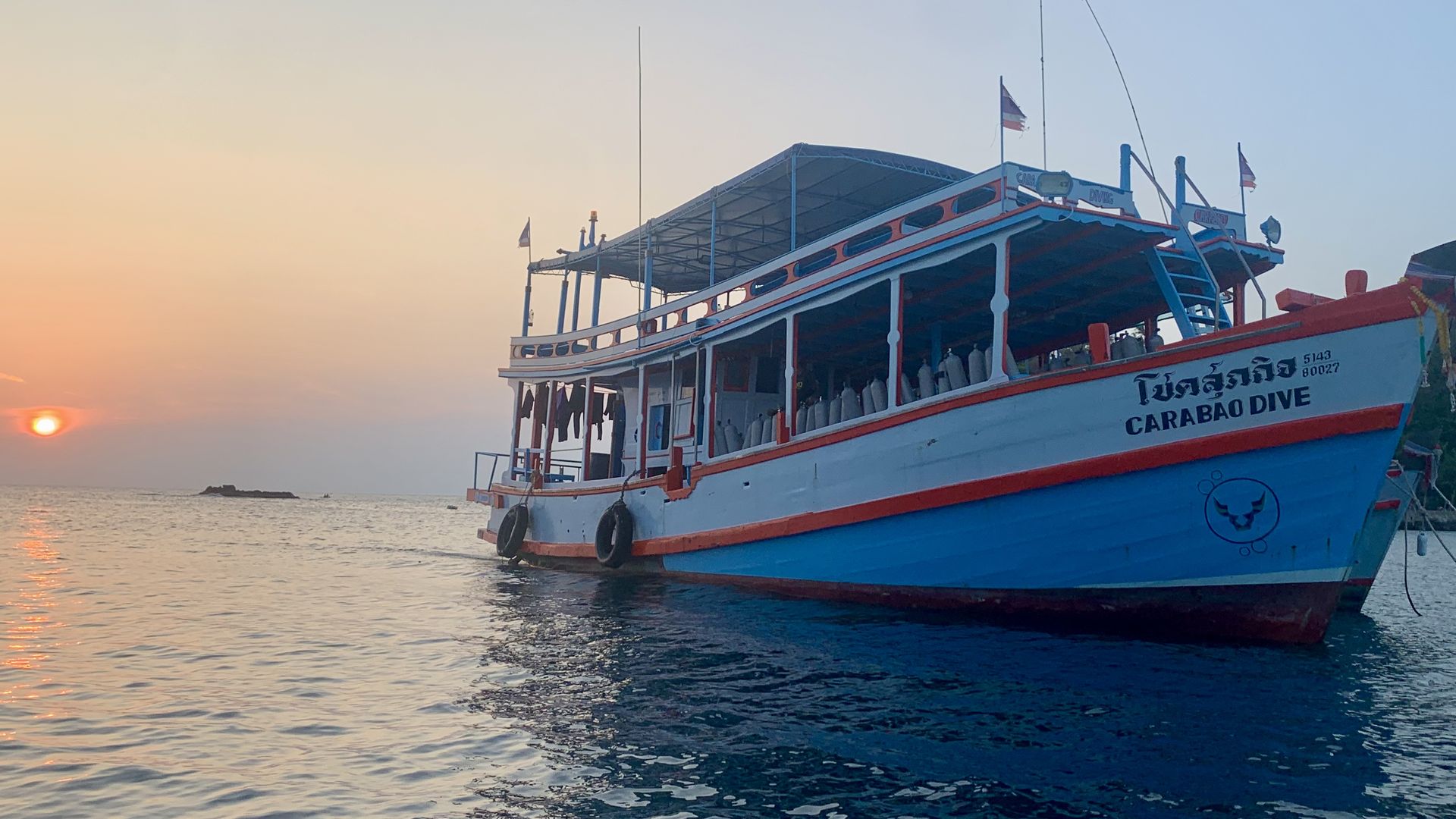
SSI dive resort · Chalok
Dive and stay in the quiet southern bay of Chalok.
Full guide →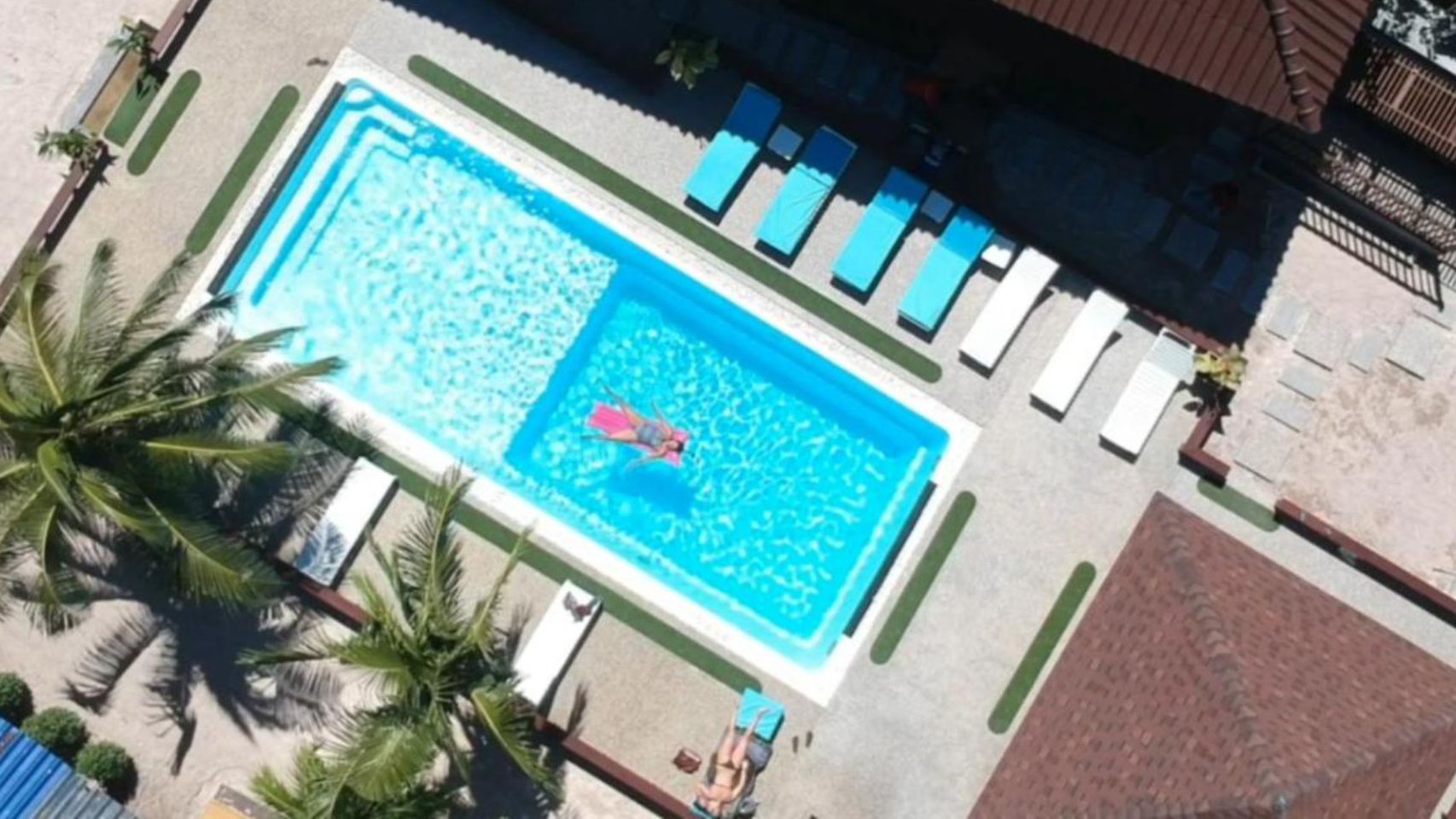
PADI dive resort · Chalok
Courses and fun dives with a resort to stay at, in Chalok.
Full guide →Also on the island: DPM Diving and dozens more. See every dive centre on Koh Tao →