Koh Tao dive sites / Sail Rock
Sail Rock: (Hin Bai), the Gulf of Thailand's Best Dive Site
A granite rock piercing the surface in open sea, home of the vertical Chimney.
Koh Tao dive sites / Sail Rock
A granite rock piercing the surface in open sea, home of the vertical Chimney.
Sail Rock, known in Thai as Hin Bai, is widely regarded as the best dive site in the Gulf of Thailand. A big mushroom-shaped granite rock rises about 10 m out of open water roughly midway between Koh Tao and Koh Phangan, closer to Phangan. Below the surface the walls drop into the blue with pillars, ledges and cavernous overhangs.
A Sail Rock dive from Koh Tao is a full-day outing: about 1 to 1.5 hours by boat each way, usually with two dives and lunch. It is worth waiting for a calm day and good visibility.
Most groups descend along the outer walls or one of the outlying pinnacles, work around the main rock, then enter the Chimney from the top at about 5 m and exit around 18 m. Some guides brief it the other way round, so listen to your briefing. The dive finishes shallow on the rock.
Think of the dive in three parts. First the outside: the walls, pillars and overhangs, and the big schools that circle the rock. Then the Chimney, which most divers remember for years. Then the shallow finish on the rock itself, where there is plenty of colour and small life to watch while you complete your safety stop.
Two dives are standard on the day, and some trips add a third on the way back to Koh Tao. Boats usually run to Sail Rock a few times a week in season, so ask your dive centre which day suits you.
The signature is the Chimney, a vertical swim-through inside the rock. Divers go single file through a shaft filled with glassfish, sponges and groupers. The top opening is around 5 to 6 m and the exit is around 12 to 18 m, though exact depths vary with who you ask.
It is narrow, so good buoyancy matters. Pause to watch the fish, and bring a torch.
Inside, the light filters down from the top and the glassfish fill the shaft, so it feels like swimming through a living column. Keep your fins close to your body and avoid kicking the walls. If your group is large, hang back a moment and let the diver ahead clear the exit. A wide-angle lens and a torch both earn their place here.
The main pinnacle has smaller clusters off its south-west and north sides, and outlying pinnacles to the south, east and west. The east pinnacle tops out at 16 to 18 m, standing on sand below 30 m. The west cluster stands in about 32 m with its top at about 18 m. A ledge at about 12 m is calm enough for training.
Walls are covered with corals, sponges, giant black coral and anemones down to about 18 m. The bottom is steeper on the north side, where sand slopes to 40 m. Experienced divers may find a secret pinnacle off the north side with a guide.
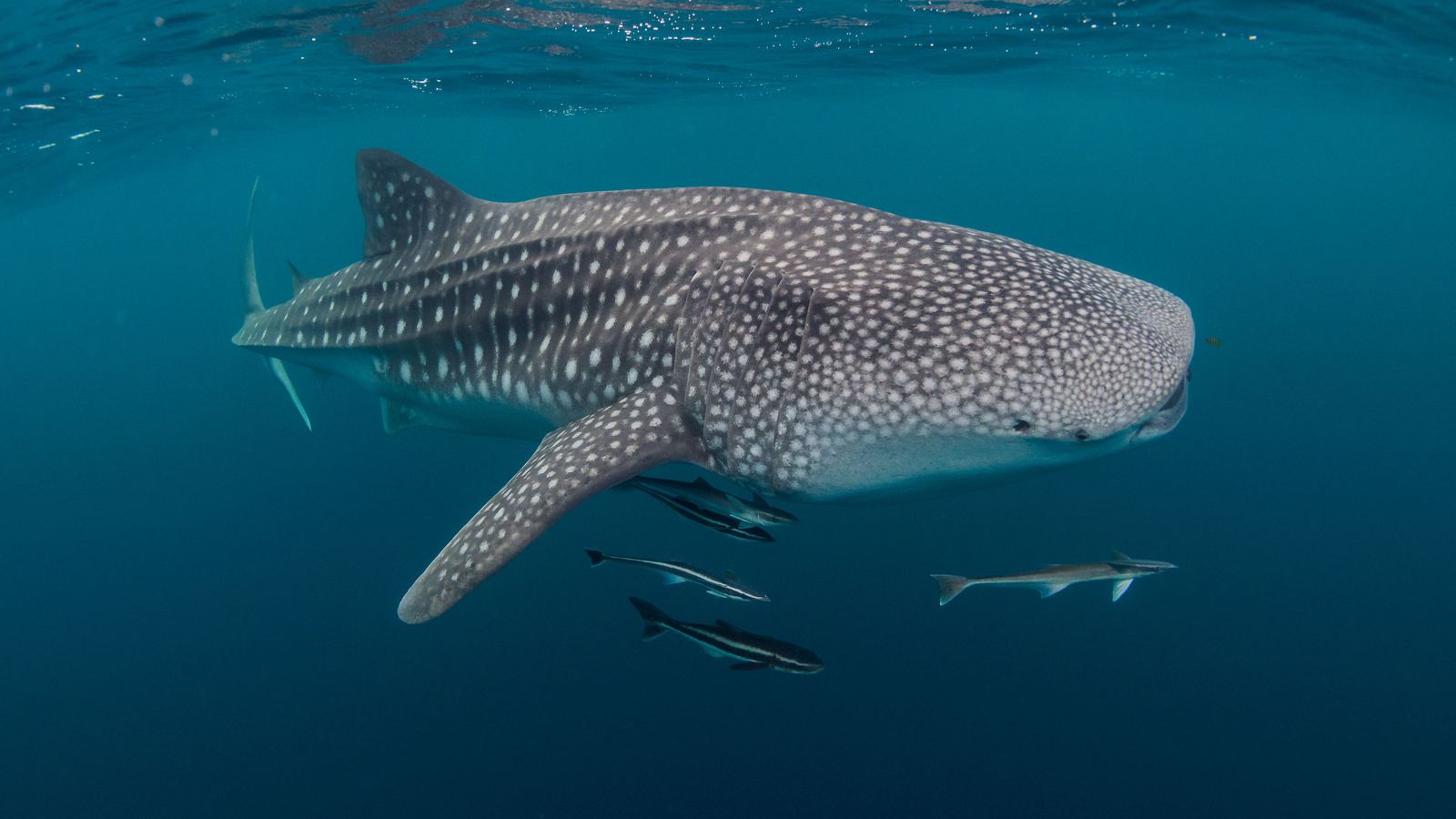
This is big-fish water. Barracuda, big-eye trevally, snapper and fusiliers gather in schools that can number in the thousands, with queenfish and Spanish mackerel around them.
The schools are the show. Trevally wheel around the rock like weather. Moray eels hide in the crevices, and scorpionfish sit perfectly camouflaged on the rock, so look twice before you put a hand down.
Conditions are variable. The mainland often shelters the rock, but it is open to wind-driven waves and current, so dive centres time trips for calmer periods. Visibility is roughly 10 to 40 m, and can be limited on one side of the rock. Calmer water is often cited from May to September, with good visibility in March and April too. Trips are cancelled in rough weather.
Depth reaches 40 m on the northern sand, so Advanced certification is ideal, though Open Water divers can dive the shallower parts with a guide. Watch for current, wind-driven waves, crowded groups and the narrow Chimney.
Boat days to Sail Rock can be rough in the monsoon weeks, so check the forecast and your dive centre's advice. Listen carefully to the briefing, especially about entering the Chimney and where to surface.
It runs from the top of the rock at about 5 to 6 m down to roughly 18 m. Exact depths vary slightly.
About 1 to 1.5 hours each way by dive boat. It is usually a full-day trip with two dives.
Yes, sometimes. Sightings are seasonal and never guaranteed.
Open Water divers can dive the shallower parts with a guide, but Advanced is recommended for the deeper walls and the Chimney.
In open water roughly midway between Koh Tao and Koh Phangan, closer to Phangan.
A rarely visited offshore pinnacle with huge schools and relaxed groupers.
0 to 28 mA granite islet off the south-east tip, wrapped in soft corals, sea fans and turtles.
to 36 mA retired tech-diving liveaboard resting on the sand at 34 to 36 m, just beyond Shark Island.
5 to 25 mA rarely visited cluster of big boulders, corals and sea whips on the south-east coast.
Learn to dive
Koh Tao is one of the best places in the world to learn to dive: warm, calm water, sites a short boat ride away and schools for every style. Here are the courses most schools offer and the dive schools we know and trust. Schedules, course length and prices are set by each school.
PADI 5-Star · Sairee
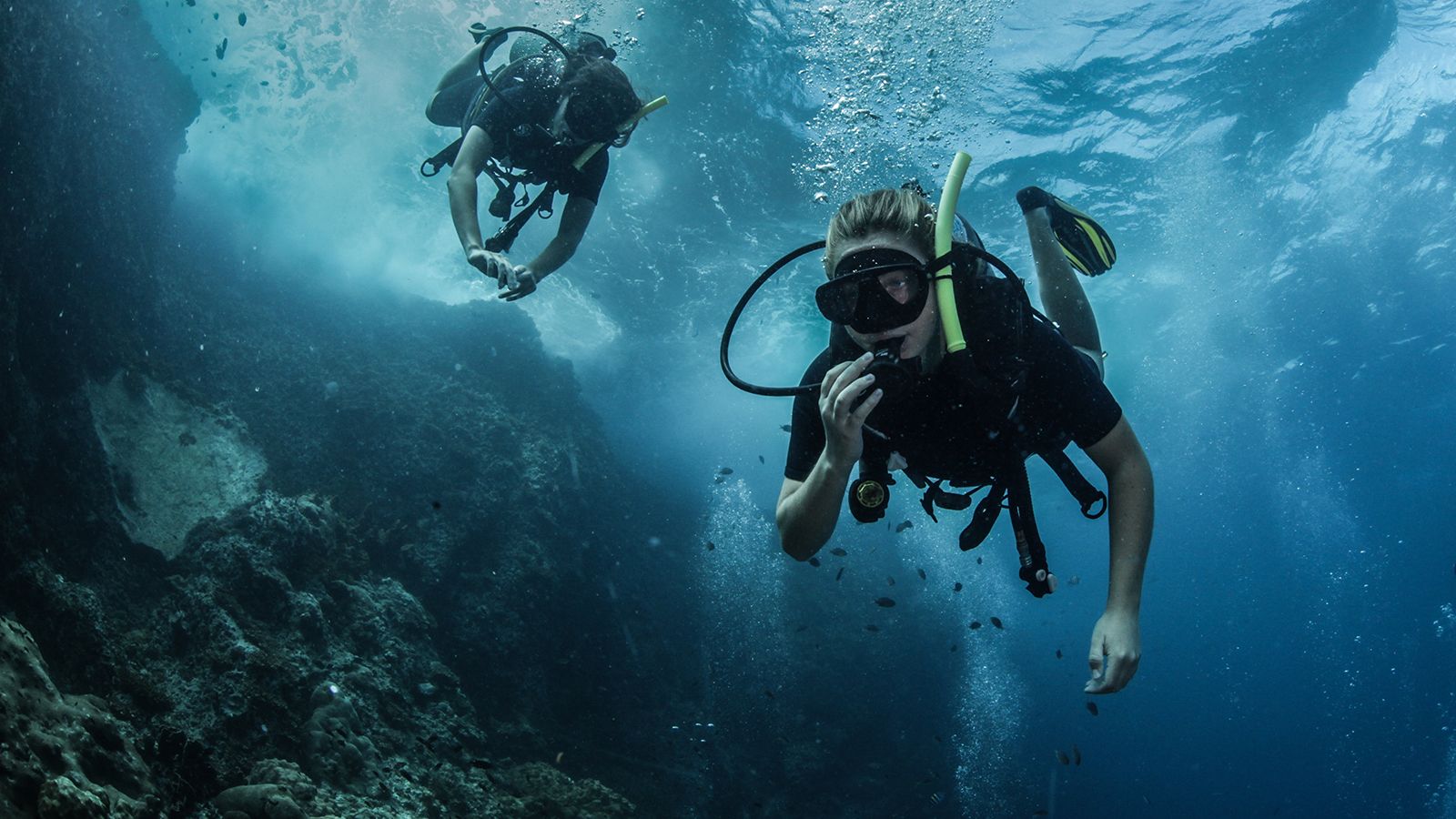
PADI 5-Star IDC on Sairee Beach: small groups, every level, taught in seven languages.
Full guide →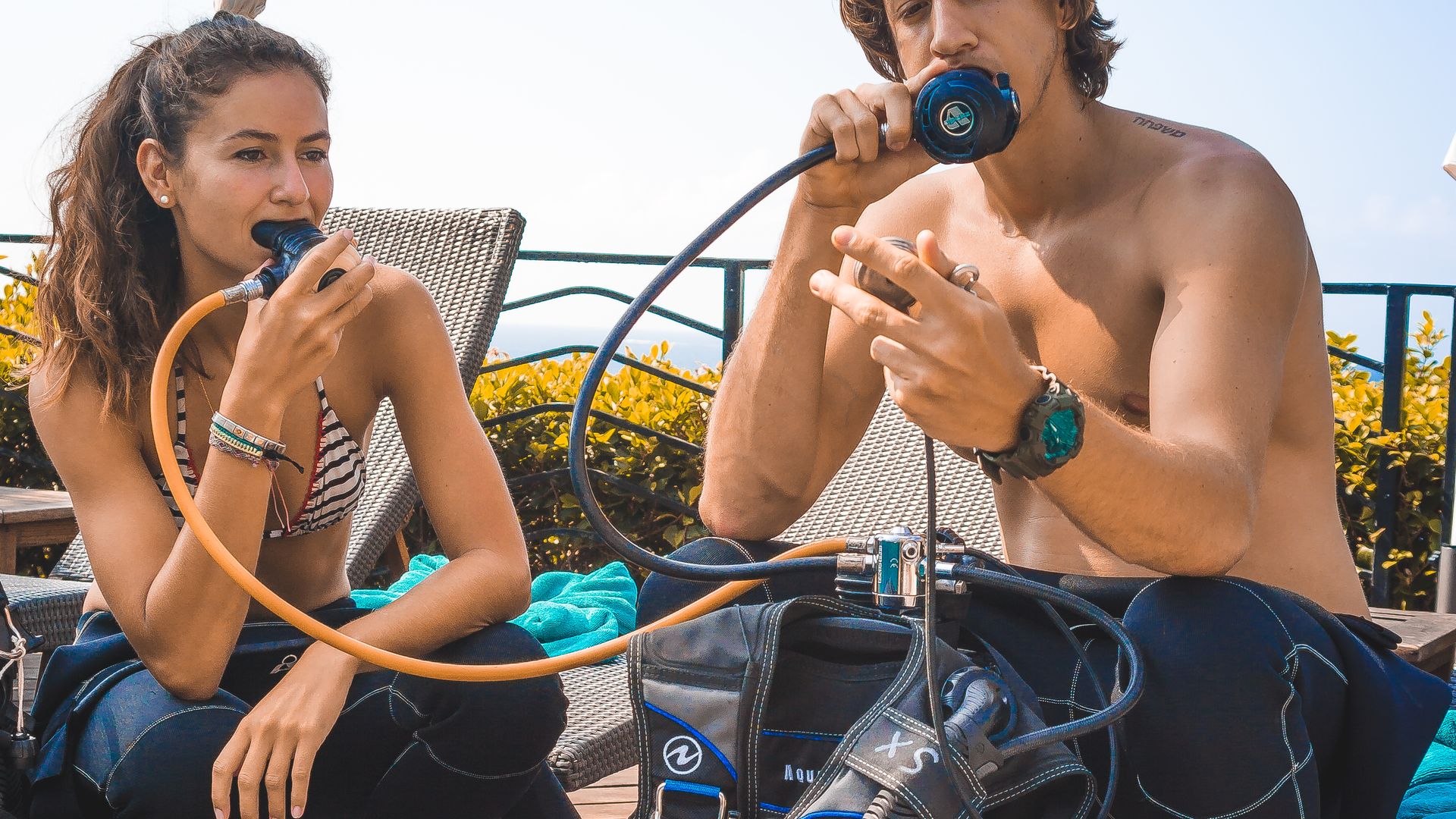
Private club · South coast
Very small classes, a training pool and boats straight from the resort pier.
Full guide →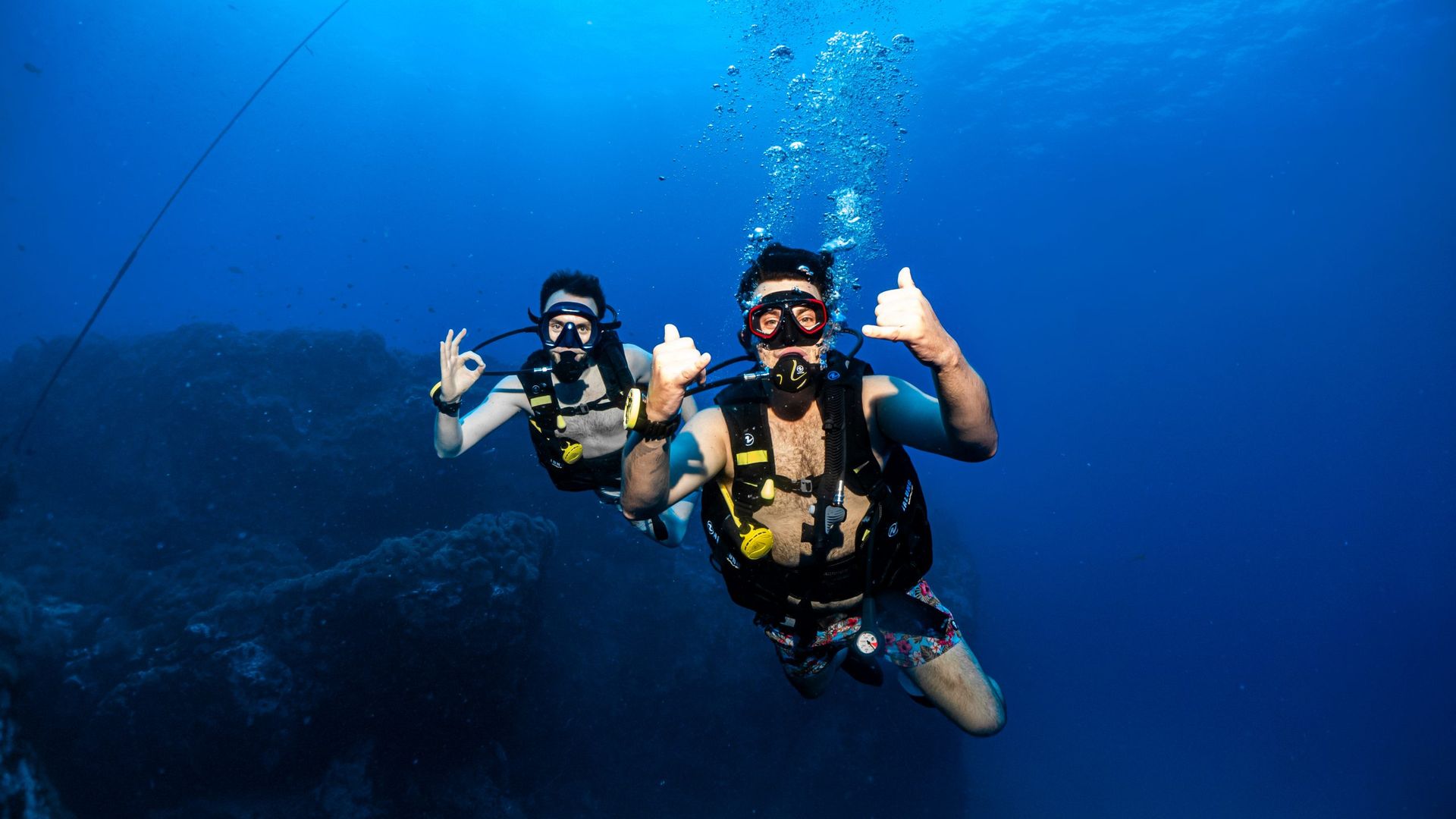
Dive school · Mae Haad
Groups of four, two minutes from the pier, from Open Water to instructor.
Full guide →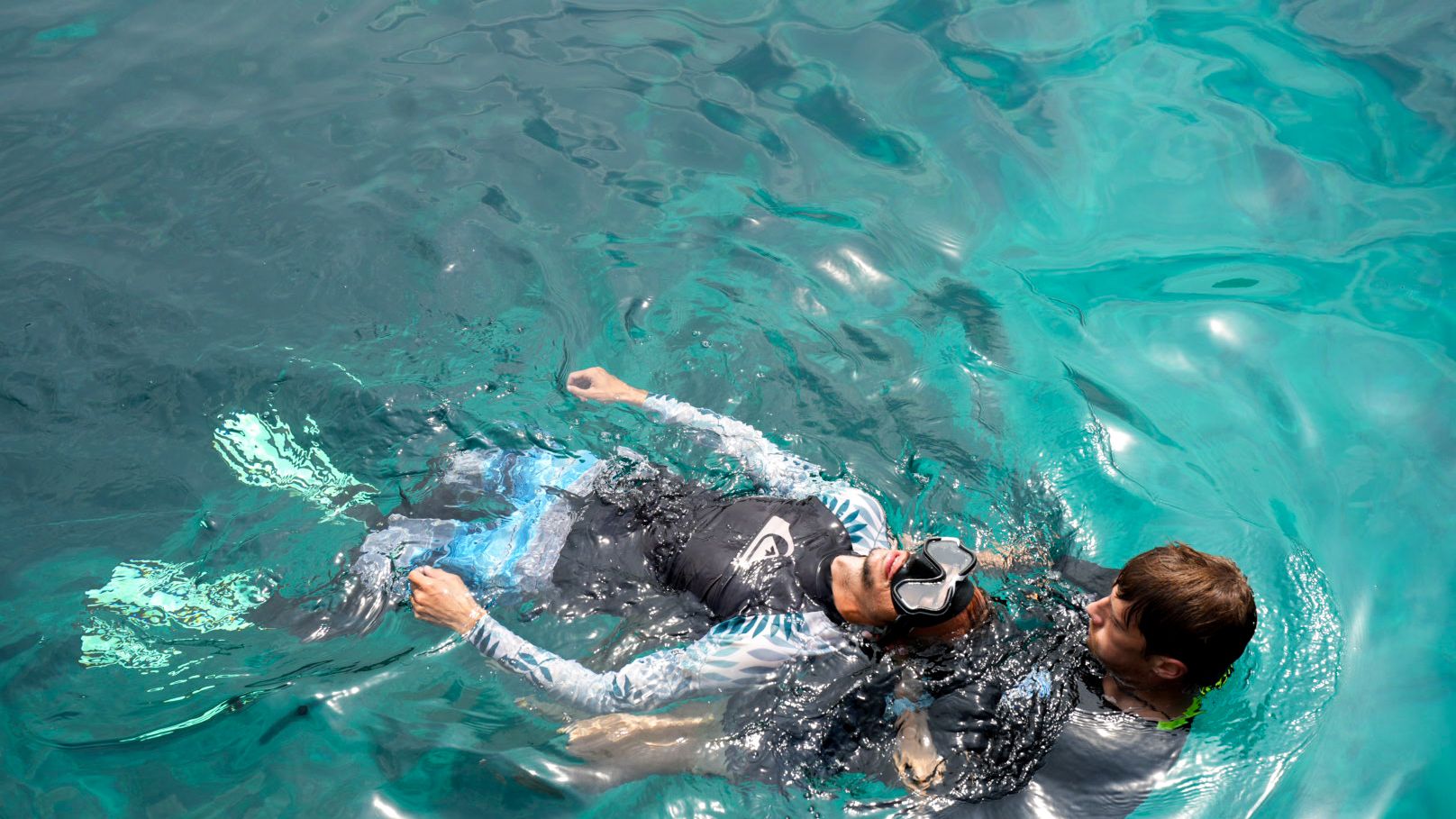
French dive school · Mae Haad & Chalok
Courses in French since 2012: SSI and CMAS / FFESSM, groups of four, first dive to instructor.
Full guide →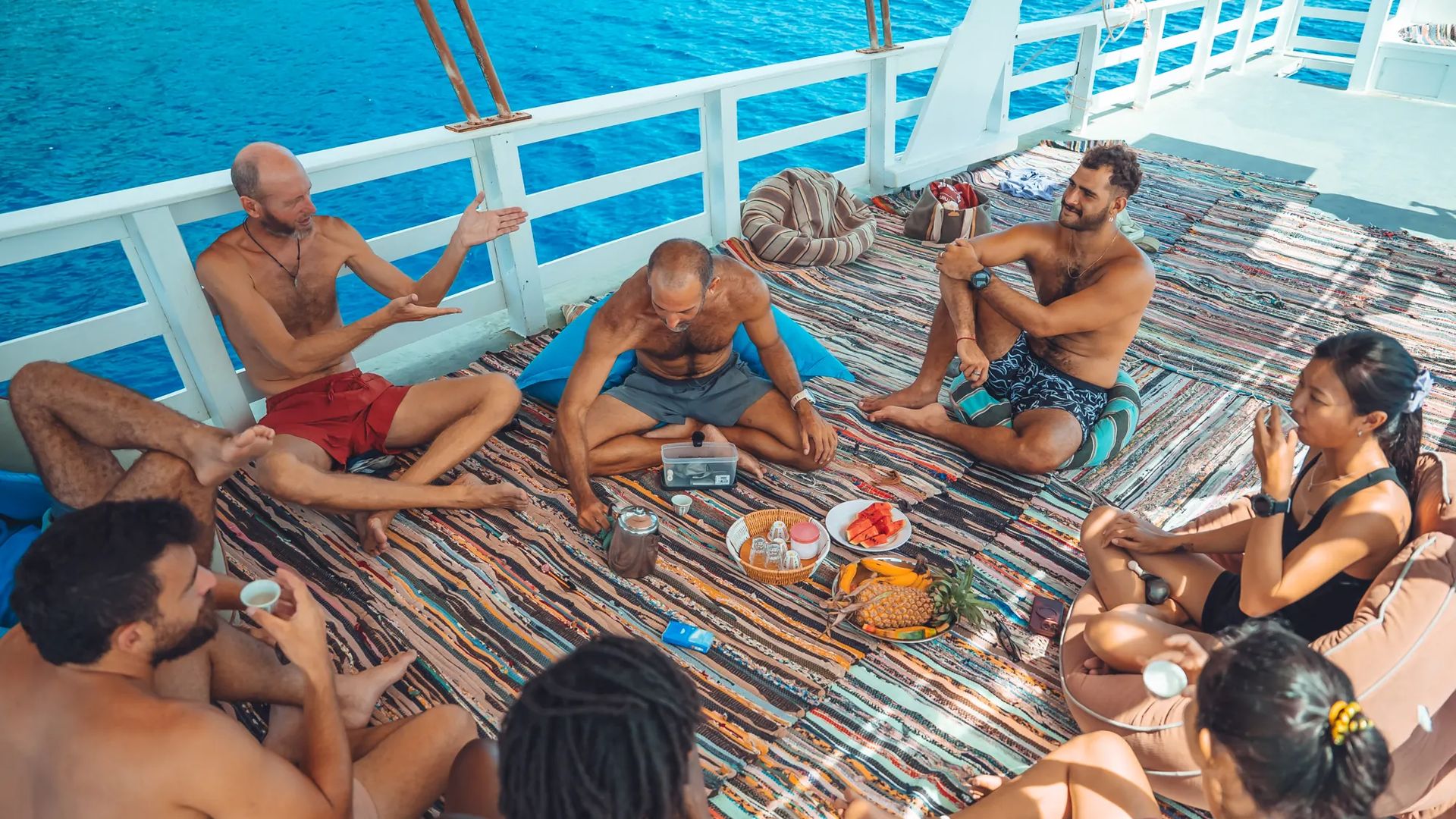
Freediving & yoga · Mae Haad
Learn to freedive on one breath, with breathwork and yoga in a sea-view shala.
Full guide →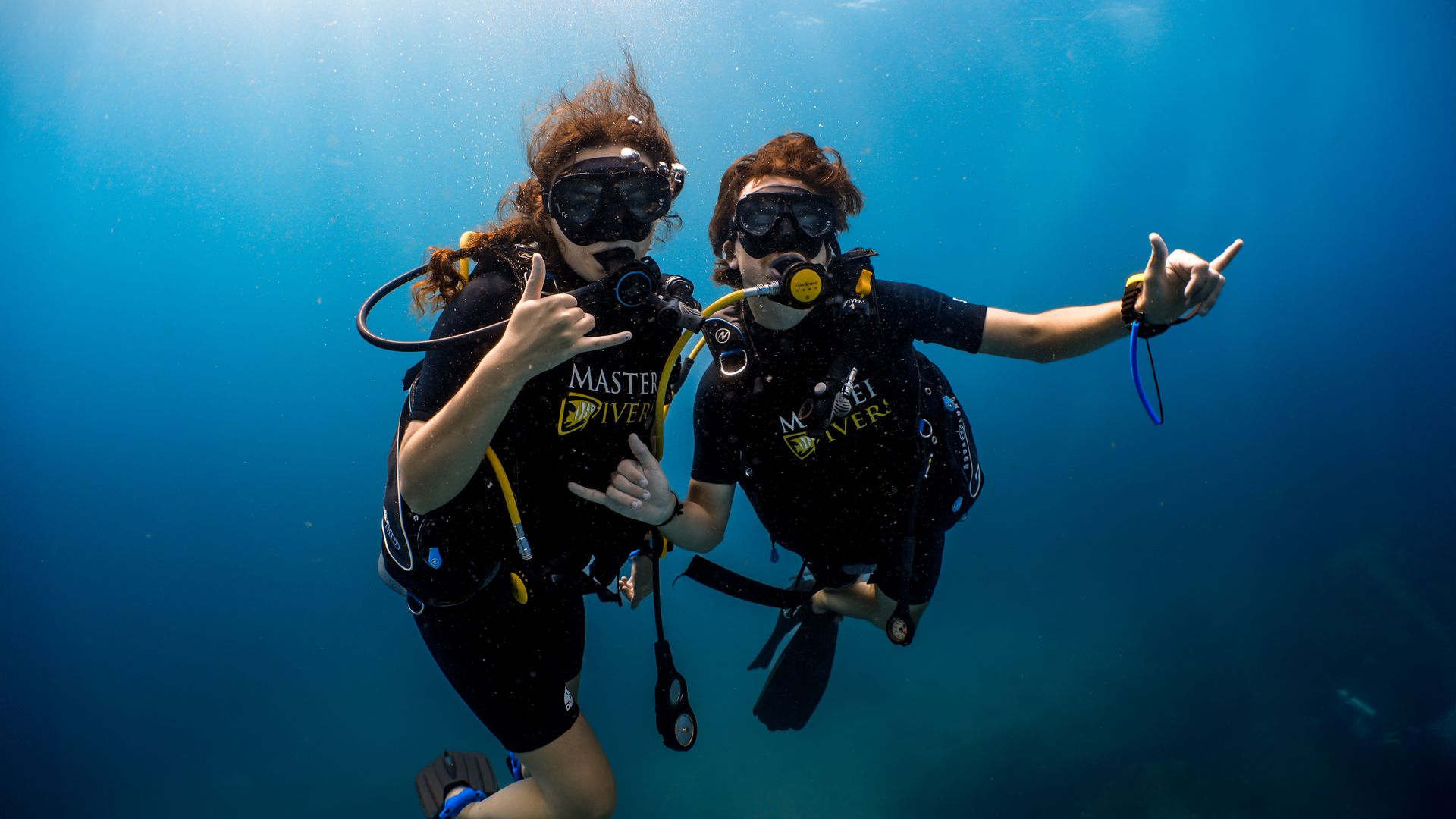
PADI 5-Star CDC · Mae Haad
One of the island's most established dive centres, with a focus on pro training.
Full guide →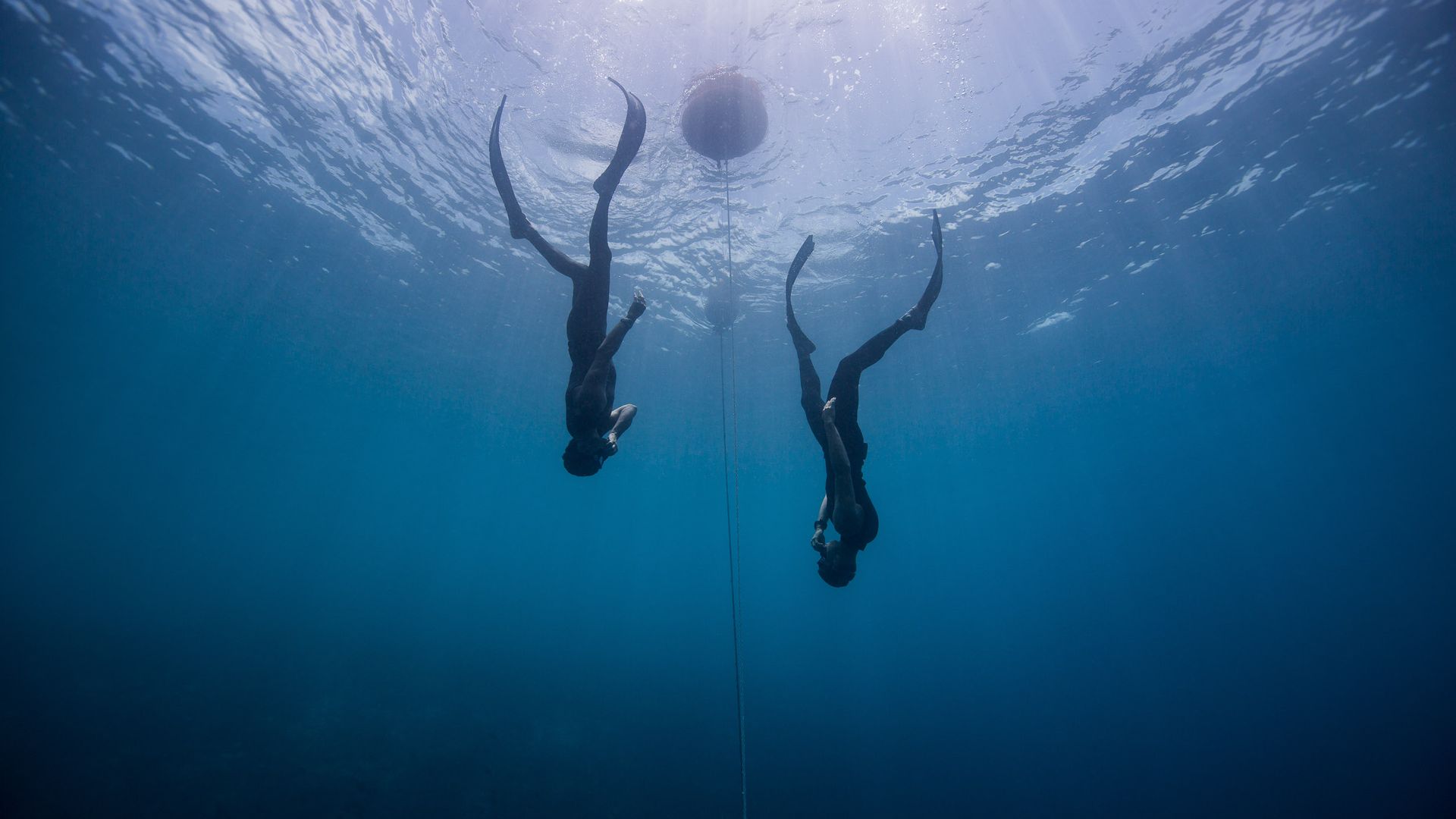
Freediving · Sairee
Personal freediving courses with experienced instructors off Sairee Beach.
Full guide →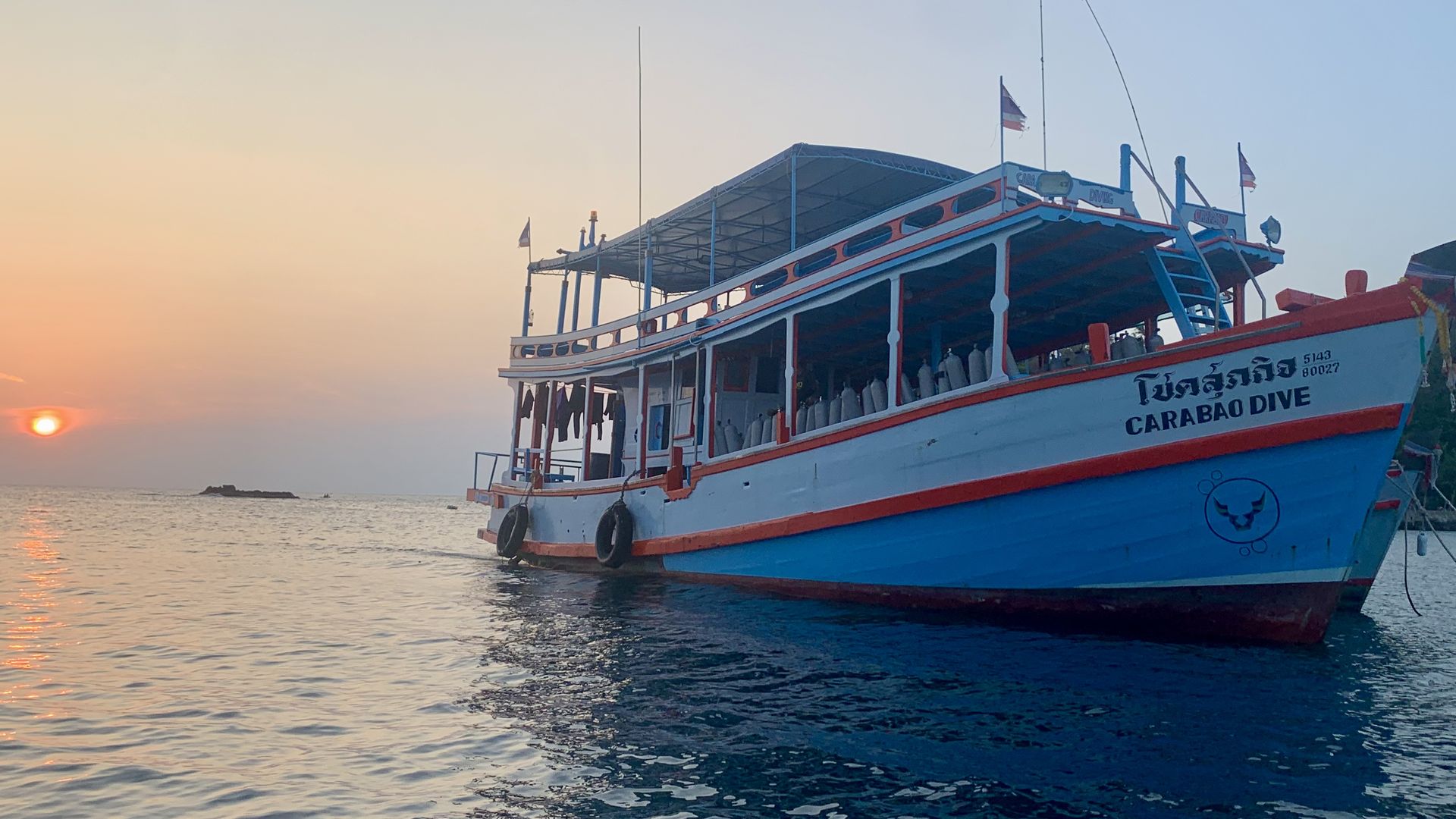
SSI dive resort · Chalok
Dive and stay in the quiet southern bay of Chalok.
Full guide →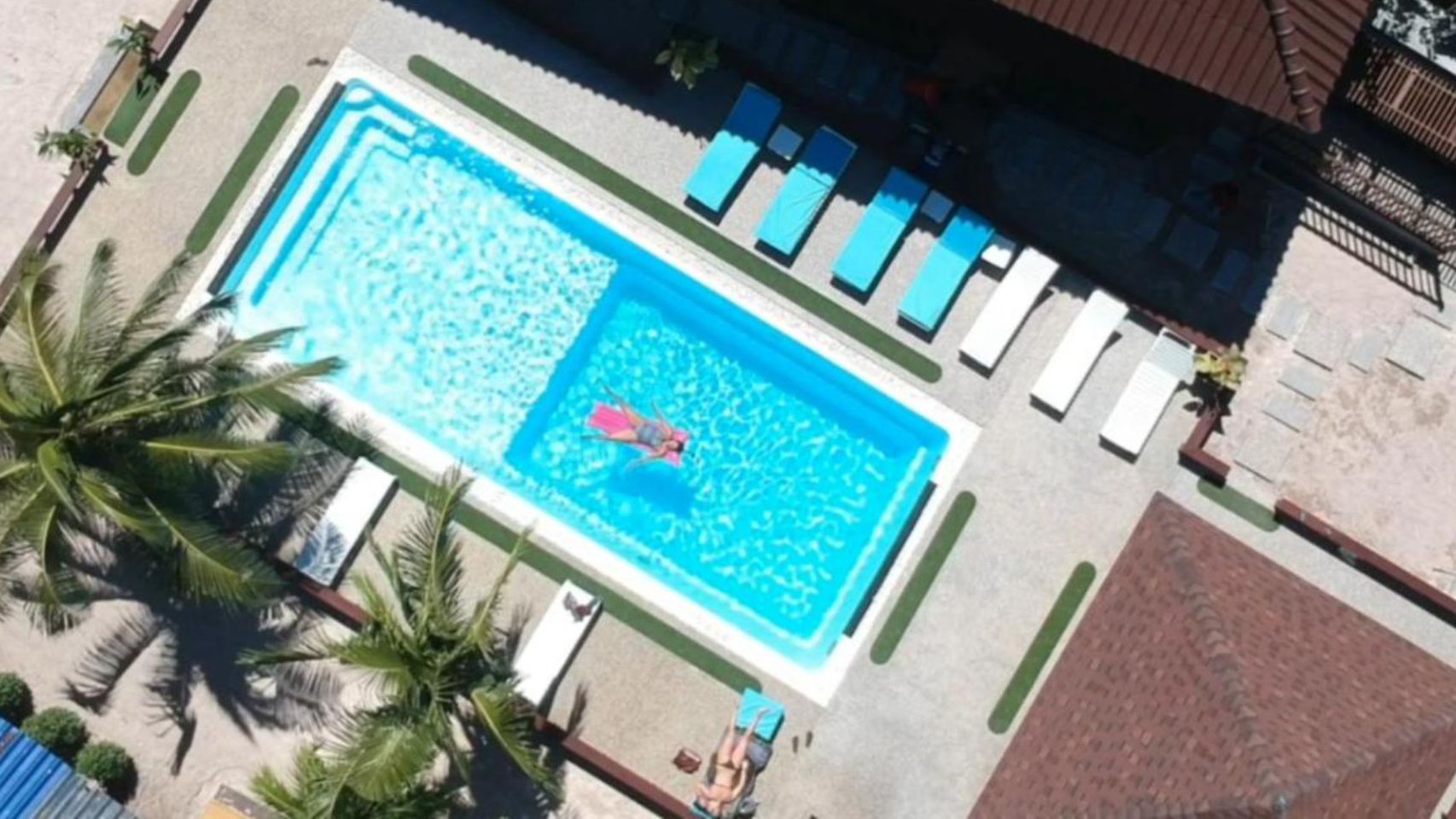
PADI dive resort · Chalok
Courses and fun dives with a resort to stay at, in Chalok.
Full guide →Also on the island: DPM Diving and dozens more. See every dive centre on Koh Tao →