Koh Tao dive sites / Shark Island
Shark Island: Koh Tao's Colourful Boulder Dive Site
A granite islet off the south-east tip, wrapped in soft corals, sea fans and turtles.
Koh Tao dive sites / Shark Island
A granite islet off the south-east tip, wrapped in soft corals, sea fans and turtles.
Shark Island is one of the most colourful dive sites in Koh Tao, and the name is a bit of a trick. It comes from the rock above the water, which looks like a shark's dorsal fin, not from sharks. This small, uninhabited granite islet sits about 300 m off the south-east tip of the island, a short boat ride from Mae Haad or Sairee.
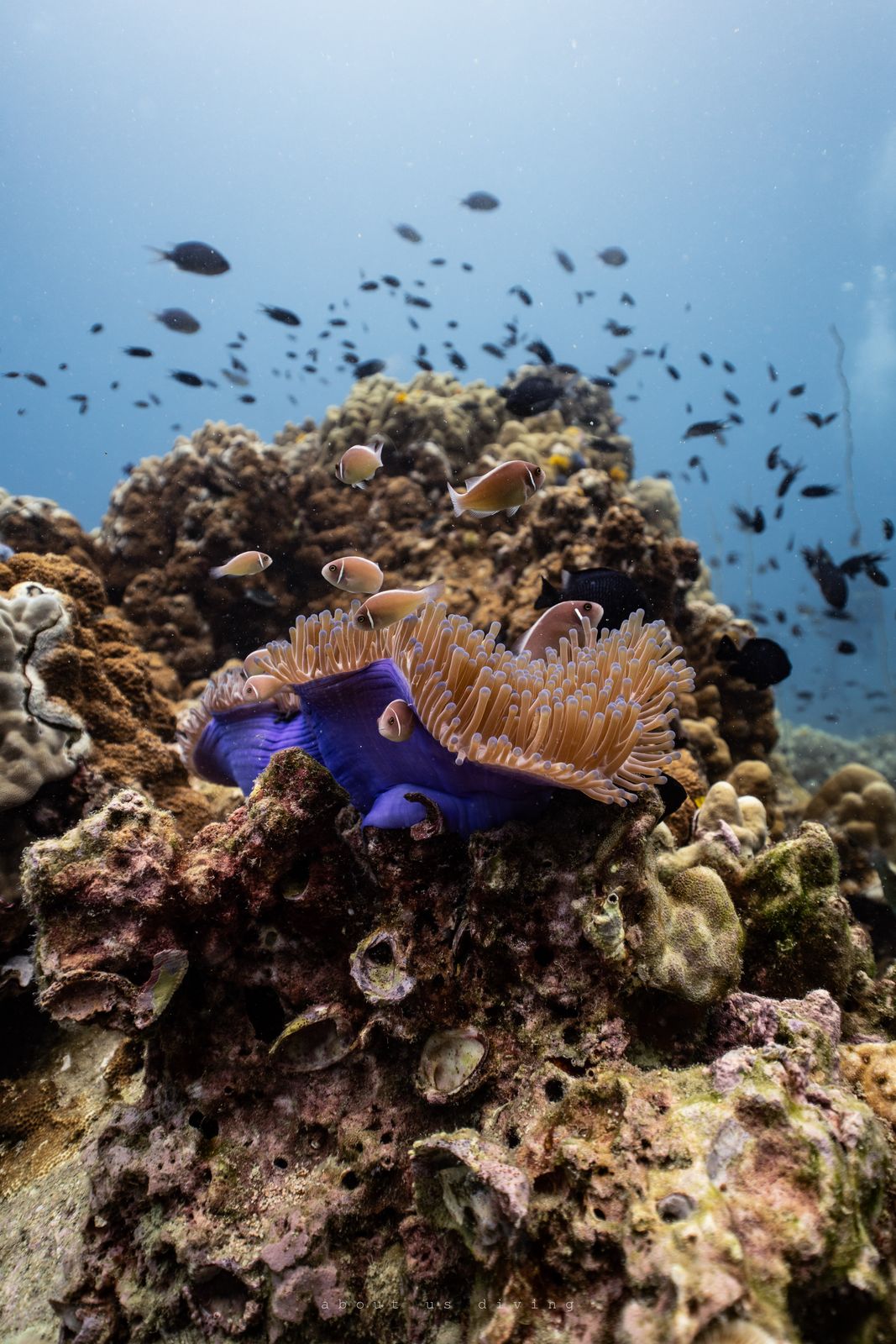
Under the surface, big granite boulders form slopes, gullies and corridors covered in purple soft corals, gorgonian fans and barrel sponges. Most of the dive happens between 10 and 18 m, so it feels generous without being deep. The catch is the current, which is why many guides treat it as a site for confident divers.
Boat rides to Shark Island are short, and you tend to see the fin of rock long before you reach it. Your guide will pick the side based on the current that morning, which is part of what makes each dive here a little different.
You can circle the whole islet, but it takes good air consumption, so most operators dive one side per trip. The usual plan is to drop in on one side, follow the boulders at 10 to 18 m with the current, and check the overhangs for rays as you go.
Finish in the shallows around the rocks and do your safety stop at about 5 m. The average dive depth is around 14 m, which gives you a long, relaxed bottom time when the water is kind.
The islet is made of large granite boulders, some rising more than 10 m above the surface and reaching about 15 m below it. Outlying rocks sit beyond the main islet. One side has shallower coral gardens and the other has deeper boulder areas with overhangs and crevices.
Boulders run from the surface to around 15 to 18 m, and then the bottom turns to sand. That sand slopes down to roughly 25 to 28 m at the south-east end, which is the deepest part of the site. The Trident wreck lies further off in that direction, but it is not part of the normal dive.
Shark Island is a good example of why the east side is worth the trip. The granite is covered in life from top to bottom, so even the shallow part of the dive keeps you busy. Slow down and look into the gullies, because that is where the small stuff hides.
This is a site for variety. Yellowtail barracuda and batfish follow divers around, blue-spotted ribbontail rays rest under the overhangs, and titan triggerfish guard patches of reef, so give them space. Turtles are regular visitors and are often the highlight of the dive.
The island is exposed, so currents can be strong, and on rough days the boat may move the dive to another site. Visibility ranges widely, from about 2 m on a bad day to 30 m on a great one, and 10 to 20 m is typical.
We do not have a reliable best month for Shark Island, so check with your dive centre for the week you are here. The shelter on the lee side of the islet can make a big difference to comfort.
Watch for strong current, boat traffic around the islet, and depths to 25 to 28 m on the sandy side. Circling the entire island burns air fast, so keep an eye on your gauge. The site is used for deep training and fish ID dives rather than standard Open Water courses, and guides will tell you on the day whether the conditions suit your level.
The rock above the water looks like a shark's dorsal fin. Sharks are not especially common here.
From the surface down to about 28 m, though most of the dive is between 10 and 18 m.
Yes, turtles are seen here regularly, along with barracuda, batfish and ribbontail rays.
Sometimes, in calm conditions. It is mostly a boat dive, and the current can be strong.
A retired tech-diving liveaboard resting on the sand at 34 to 36 m, just beyond Shark Island.
3 to 12 mA compact, shallow reef of granite boulders and coral restoration structures in a sheltered corner of the south-east coast.
0 to 18 mA white-sand bay on the south-east coast where juvenile reef sharks, easy training dives and a small artificial reef share calm water.
5 to 25 mA rarely visited cluster of big boulders, corals and sea whips on the south-east coast.
Learn to dive
Koh Tao is one of the best places in the world to learn to dive: warm, calm water, sites a short boat ride away and schools for every style. Here are the courses most schools offer and the dive schools we know and trust. Schedules, course length and prices are set by each school.
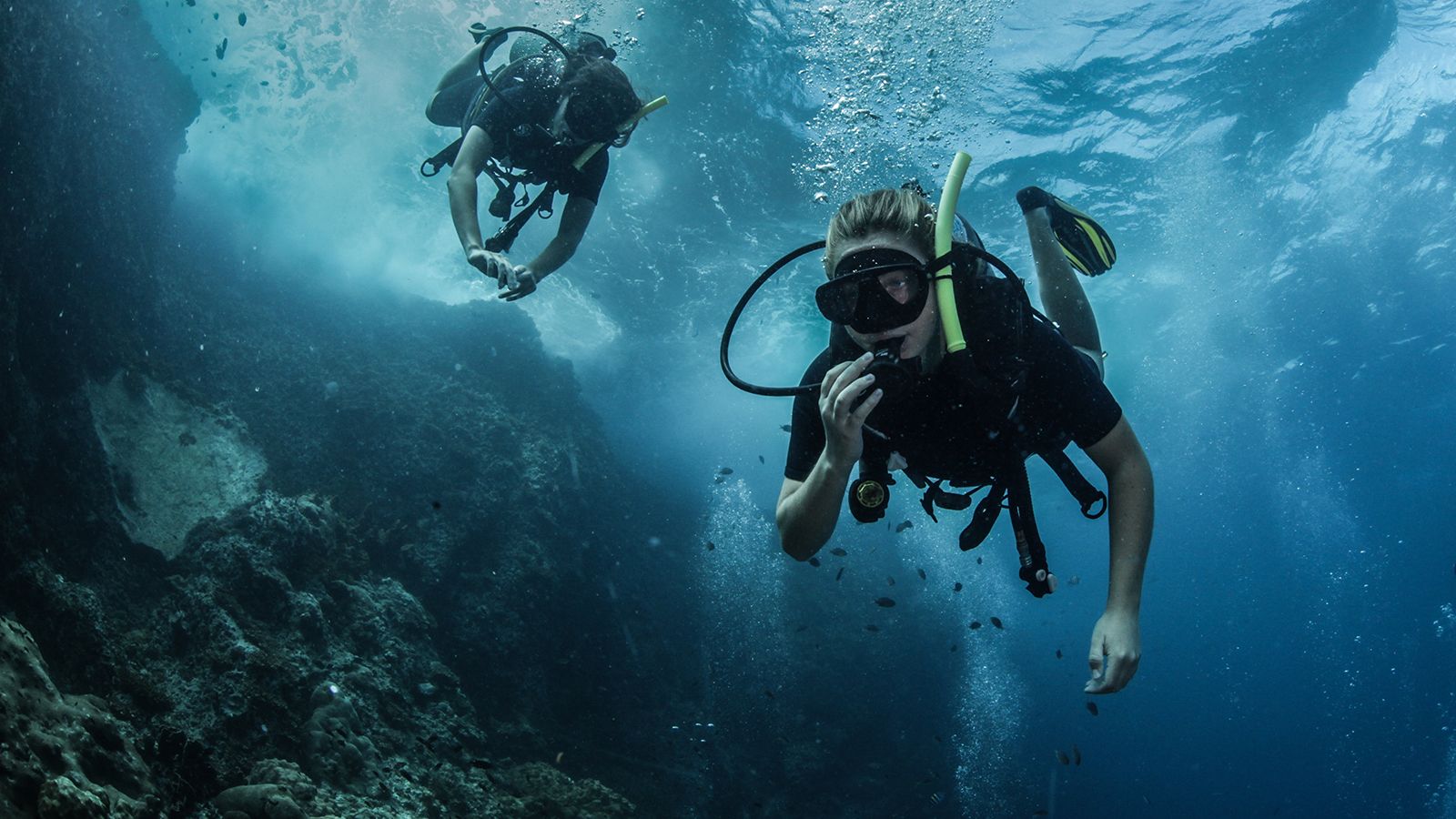
PADI 5-Star · Sairee
PADI 5-Star IDC on Sairee Beach: small groups, every level, taught in seven languages.
Full guide →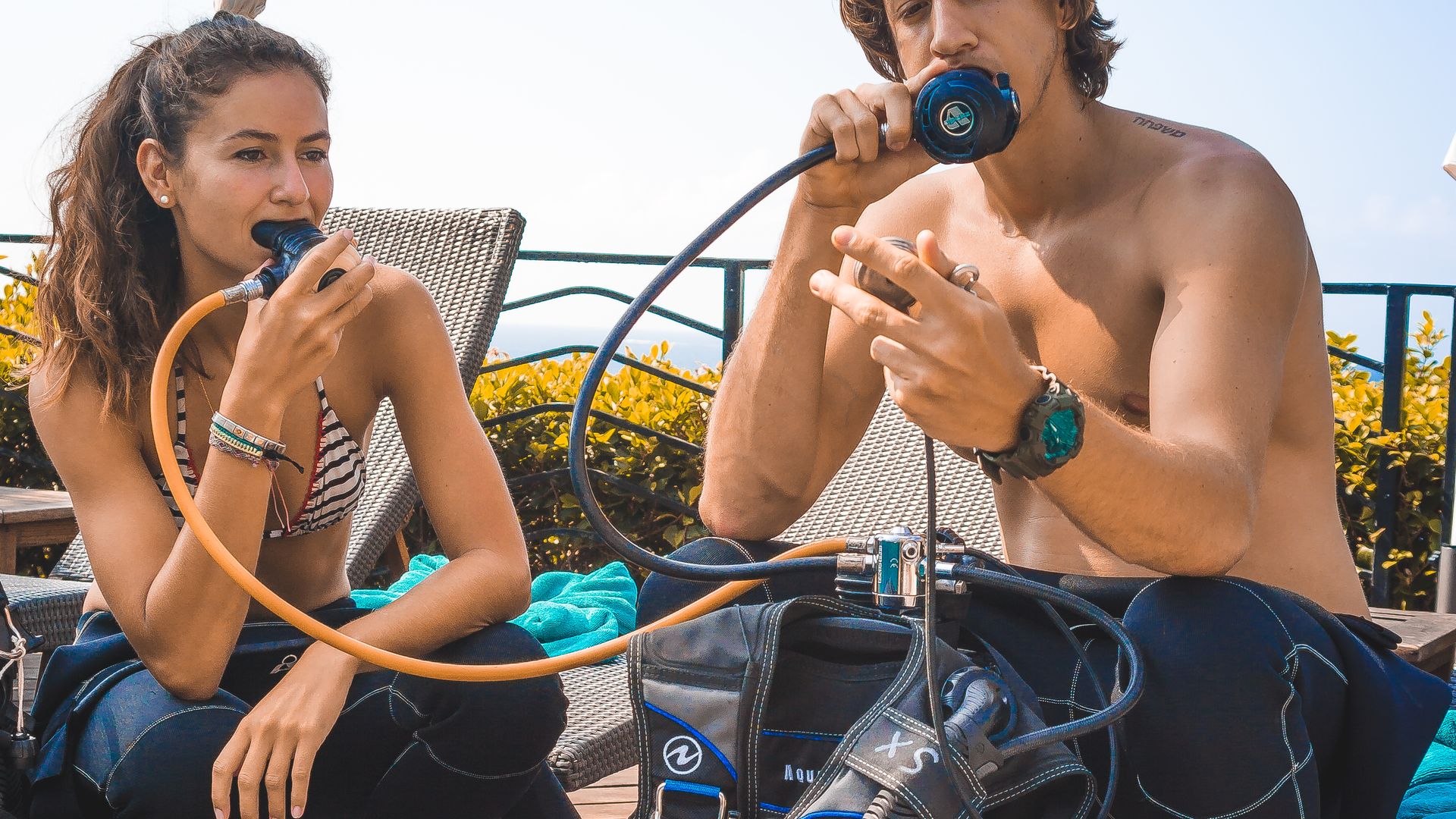
Private club · South coast
Very small classes, a training pool and boats straight from the resort pier.
Full guide →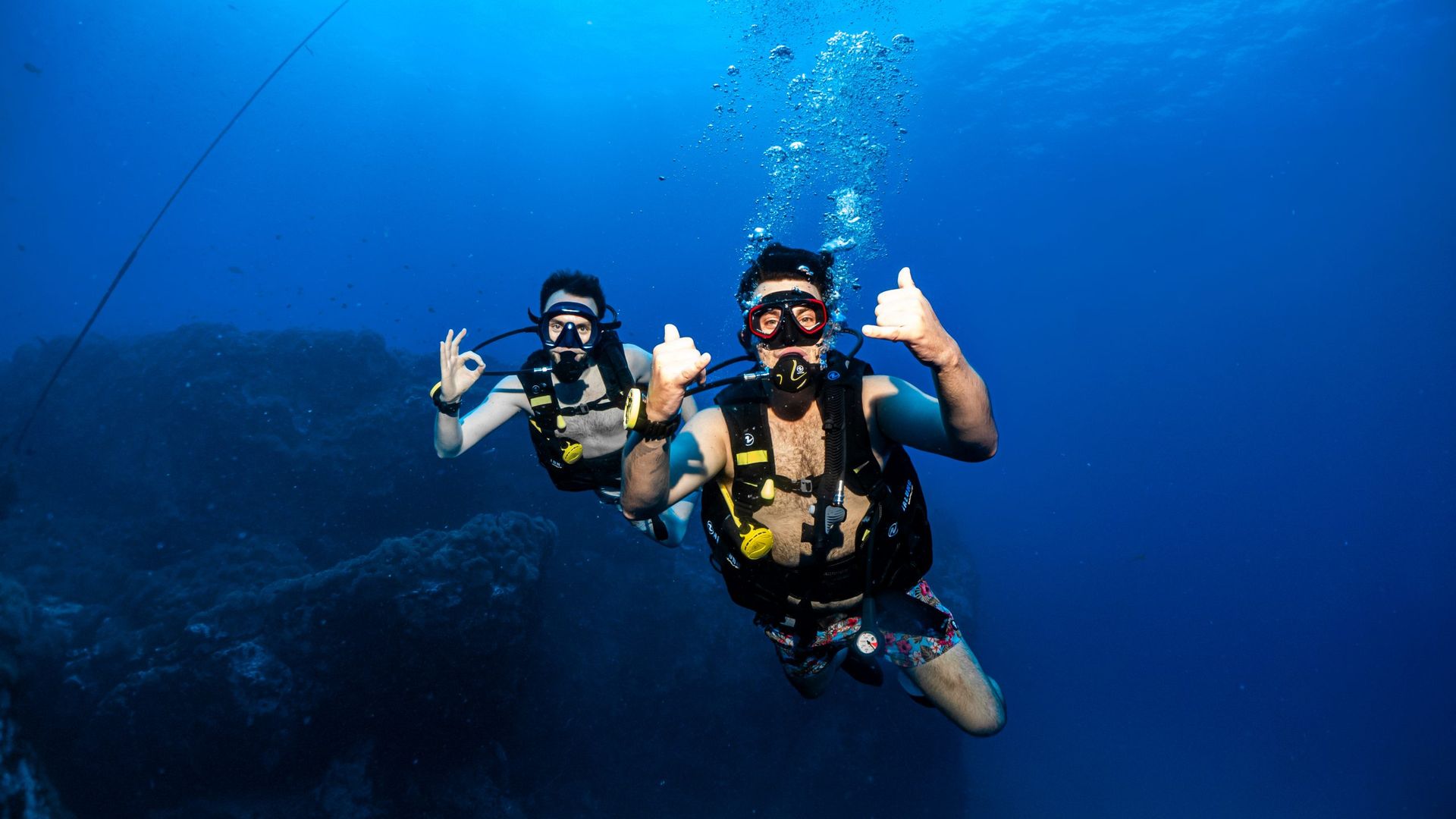
Dive school · Mae Haad
Groups of four, two minutes from the pier, from Open Water to instructor.
Full guide →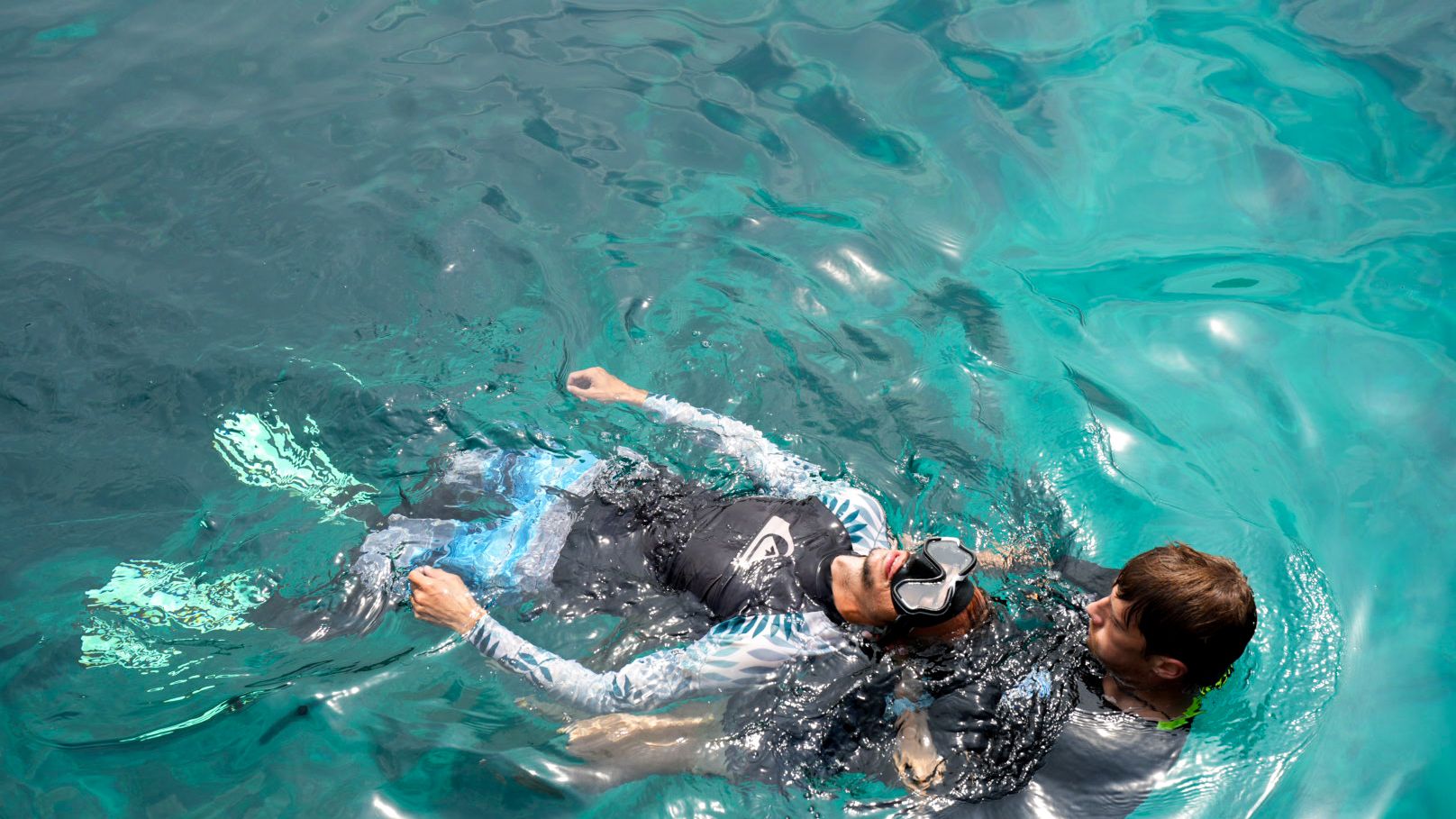
French dive school · Mae Haad & Chalok
Courses in French since 2012: SSI and CMAS / FFESSM, groups of four, first dive to instructor.
Full guide →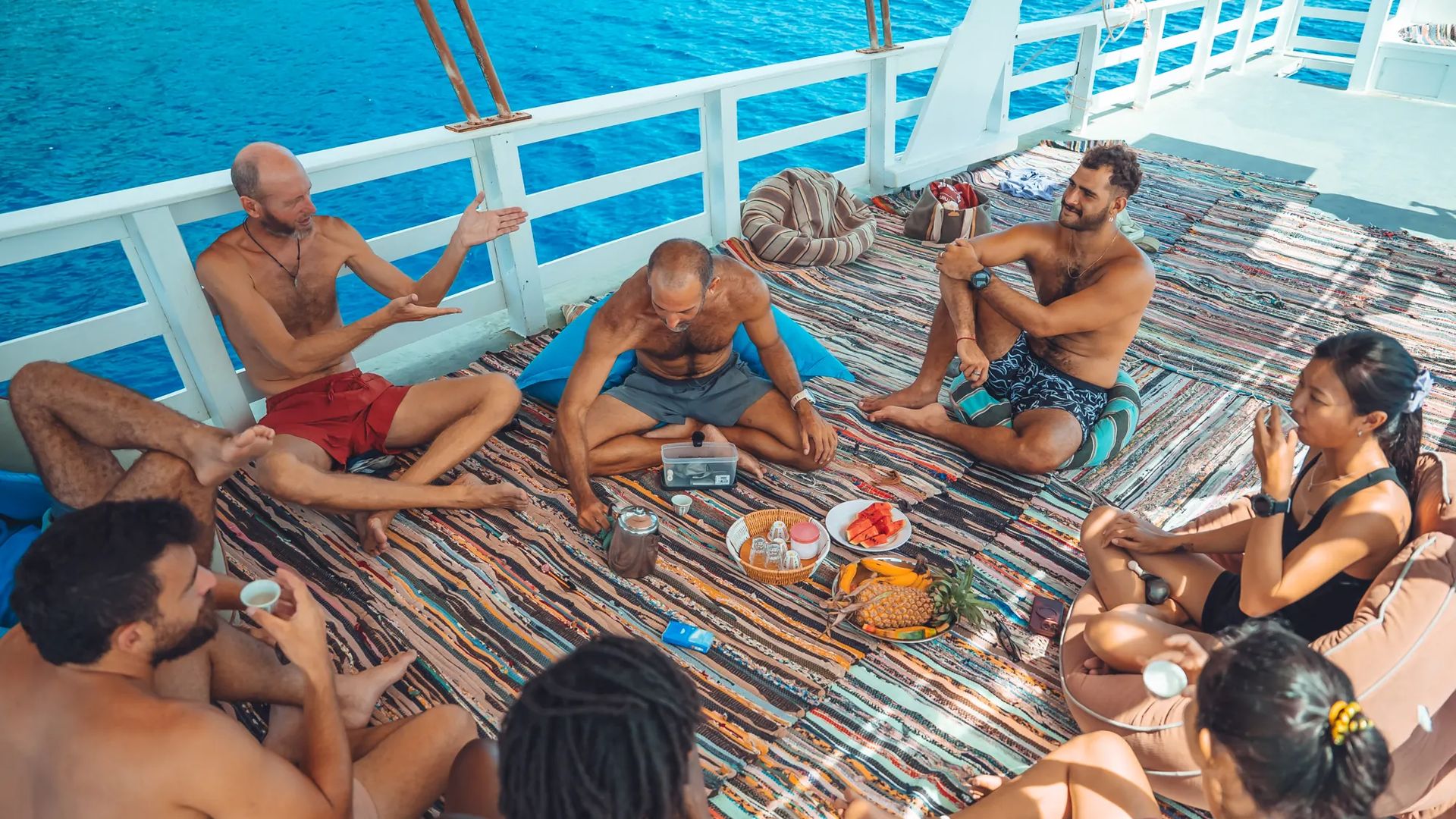
Freediving & yoga · Mae Haad
Learn to freedive on one breath, with breathwork and yoga in a sea-view shala.
Full guide →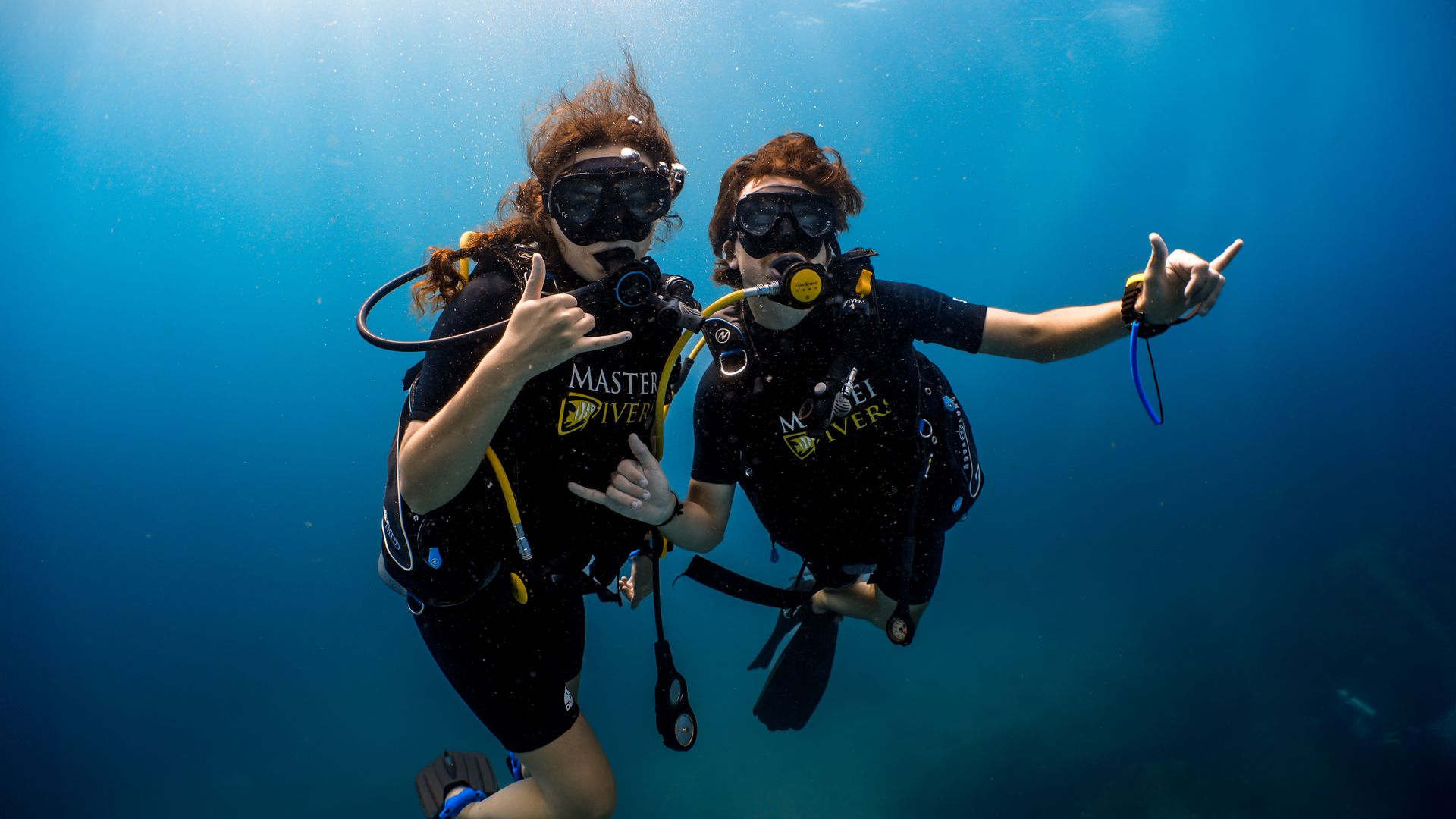
PADI 5-Star CDC · Mae Haad
One of the island's most established dive centres, with a focus on pro training.
Full guide →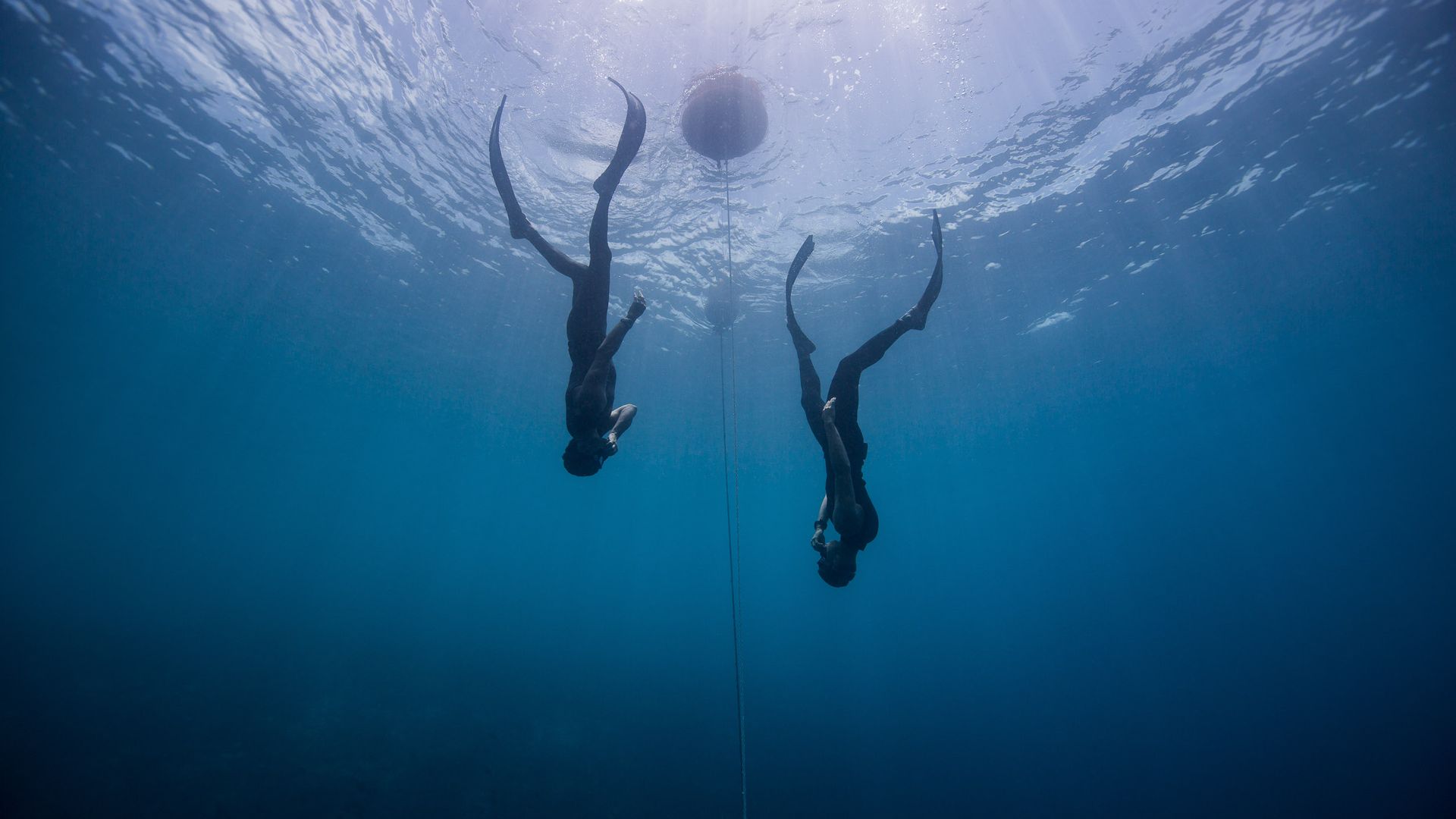
Freediving · Sairee
Personal freediving courses with experienced instructors off Sairee Beach.
Full guide →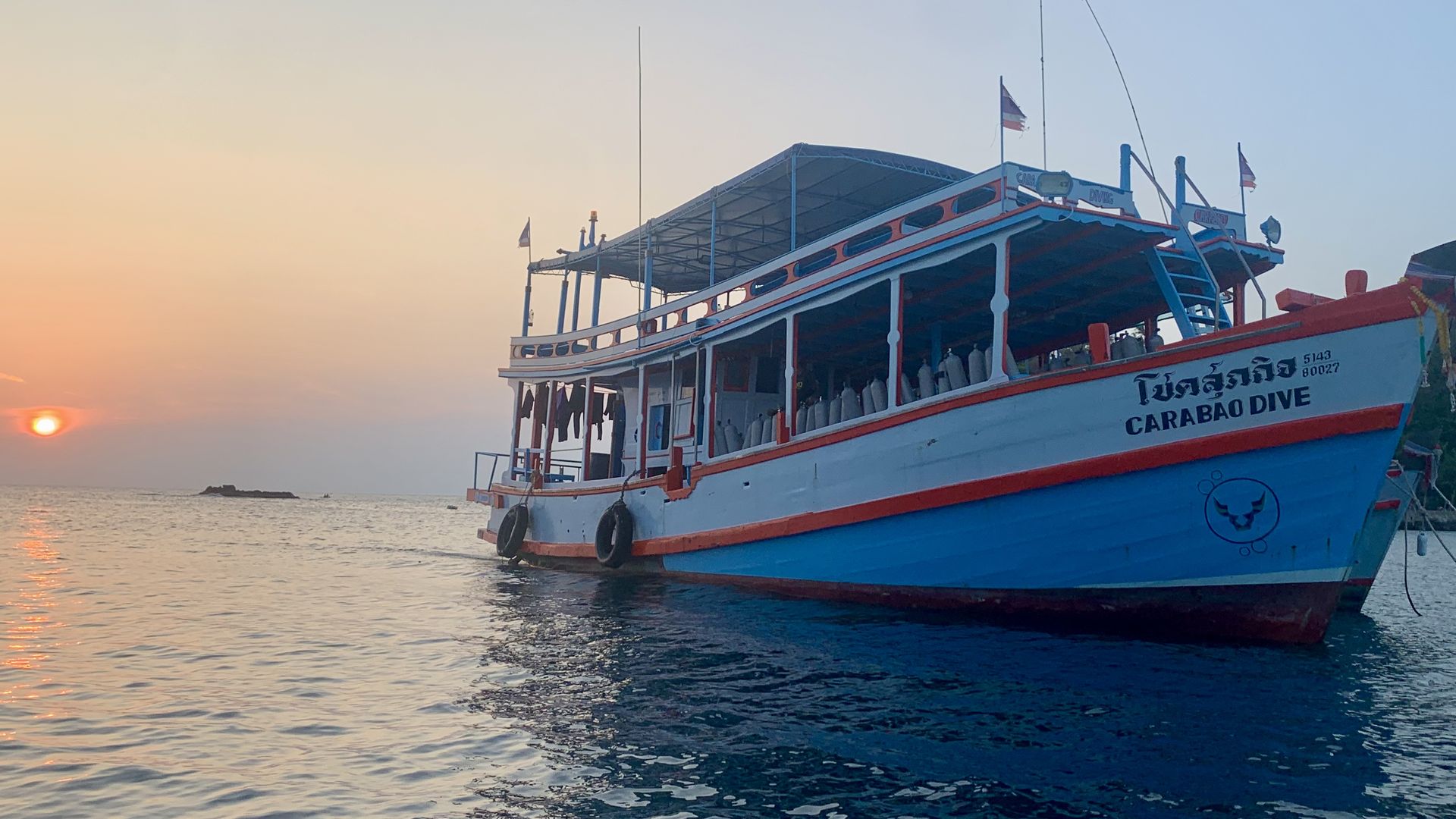
SSI dive resort · Chalok
Dive and stay in the quiet southern bay of Chalok.
Full guide →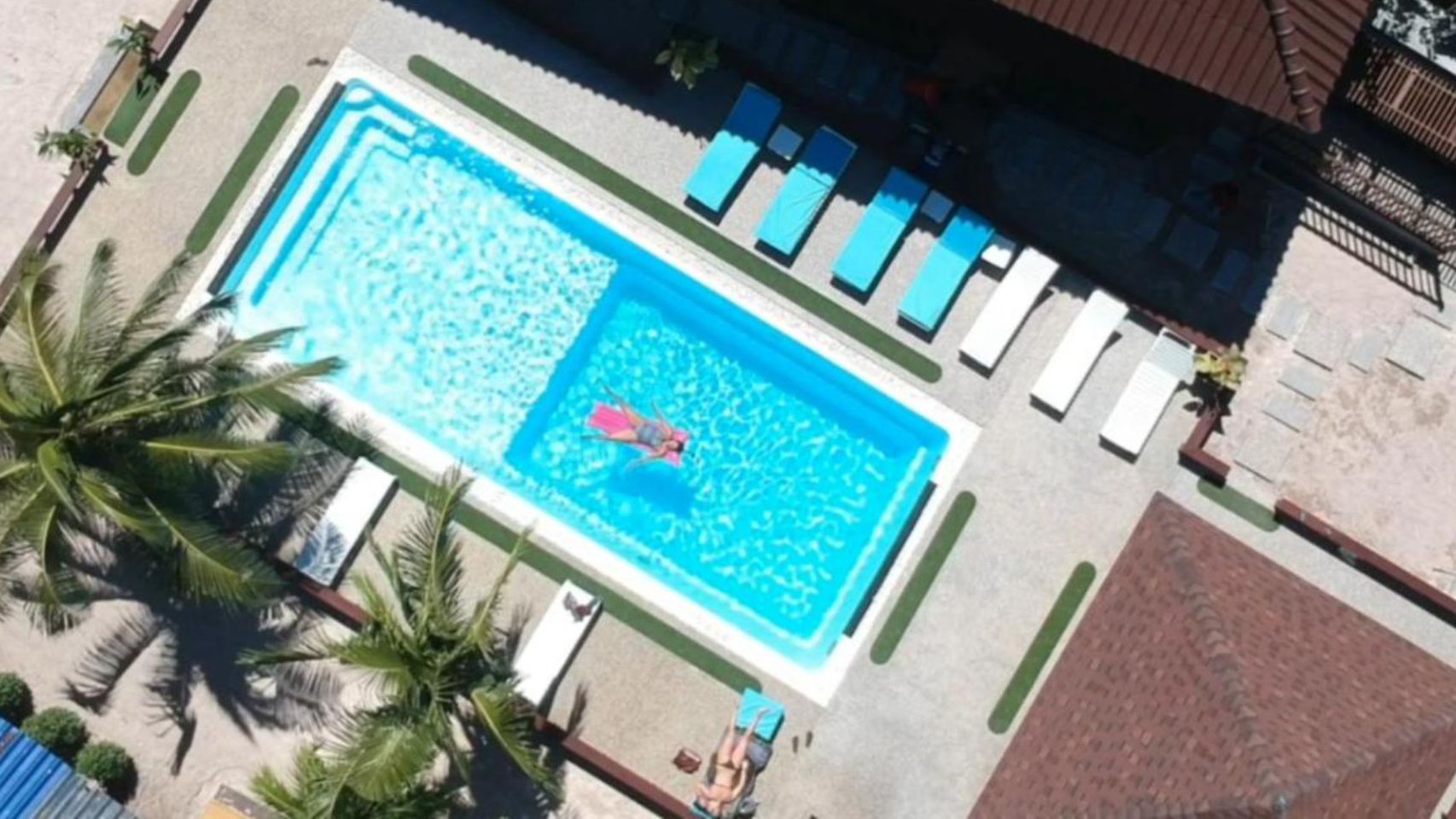
PADI dive resort · Chalok
Courses and fun dives with a resort to stay at, in Chalok.
Full guide →Also on the island: DPM Diving and dozens more. See every dive centre on Koh Tao →