Koh Tao dive sites / Twins
Twins: Koh Nang Yuan's Twin Peaks Pinnacle Dive Site
Three granite pinnacles on flat white sand, and the place where thousands of divers log their first proper dives.
Koh Tao dive sites / Twins
Three granite pinnacles on flat white sand, and the place where thousands of divers log their first proper dives.
Twins is probably the busiest dive site on Koh Tao, and it earns that reputation honestly. Just off the west side of Koh Nang Yuan, it is where thousands of Open Water students do their training dives, thanks to flat conditions, almost no current and a layout you can understand in minutes. Locals also call it Twins Pinnacle or Twin Peaks, and if you are searching for the Twins dive site on Koh Tao, this is the one.
Despite the name, there are three granite formations here: two main pinnacles of boulders and a smaller, deeper cluster to the west. They sit in a rough east-to-west line on a sandy floor, so you can hardly get lost. Add hard and soft corals, ledges, cracks and a saddleback anemonefish family and you have a site that suits beginners but still holds the interest of experienced divers.
A good plan is to begin at the smaller, deeper peak in the west, head east to the middle peak, and finish on the shallow peak. That way you spend your deepest time first, finish in the shallows and can use the top of the shallow peak for your safety stop. If you prefer, the sandy area around the rocks makes a handy spot for skills practice, which is why so many courses run here.
Because Buoyancy World lies a short swim north across the sand, it is easy to combine the two. Many groups warm up with a few skills among the sculptures and then explore the pinnacles.
Twins also pairs well with a second dive at nearby No Name Pinnacle, which lies about 200 m to the west. If you are on a course, your instructor will usually choose the order for you, but fun divers can mix and match.
The average depth is about 10 to 12 m, and the deepest points are around 18 to 22 m depending on where you measure.
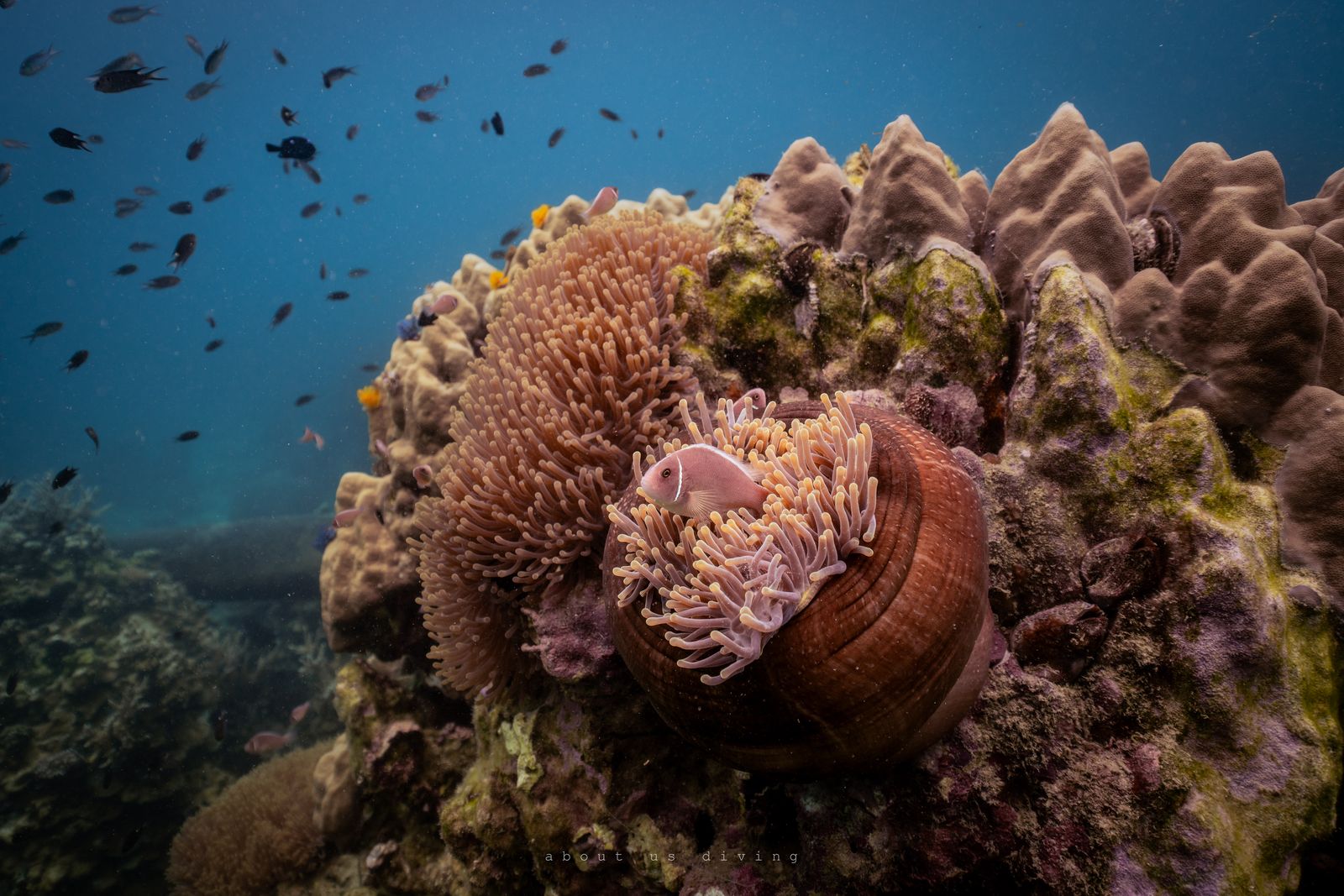
The rocks are covered in hard and soft corals and attract a steady crowd: Weibel's butterflyfish, six-banded angelfish, wrasse, parrotfish, bannerfish, snapper and fusiliers. Moray eels watch from crevices, and yellow boxfish tuck into the cracks. The deeper peak sometimes has longface emperor, and groupers and trevally drift past.
Look closely for the small stuff: nudibranchs, pipefish, wart slugs, cowfish, scribbled filefish and various shrimp. The saddleback anemonefish family is a highlight, so watch them from outside the ring of rocks. Turtles pass occasionally, and banded sea kraits are sometimes seen.
Twins is a good site for learning to look. Slow down at each rock, check the ledges and shadows, and scan the sand for anything that does not belong. Divers who return several times often notice something new on each visit.
Twins is flat almost all year, with very little current. Visibility is typically about 5 to 20 m, and up to 25 m has been reported. Because it is sheltered by Nang Yuan, it can be dived in most months, even when the weather is unsettled. The June to August monsoon can bring wind and chop at the surface, which is the main thing to watch for.
The main issue at Twins is crowds, with training groups sharing a small area, so keep track of your own group and your buddy. Watch your fins around other divers and the corals, and only enter the north archway on the middle peak if your buoyancy is solid. At the surface, monsoon wind and chop from June to August can make boarding and entries bumpy.
Nobody is sure. It may refer to the two main pinnacles, or to the two peaks of Koh Nang Yuan.
About 5 m at the top of the shallow peak, and up to around 18 to 20 m on the deeper peak.
Yes. It has flat conditions, almost no current and an easy layout, and it is one of the main training sites for Open Water students.
A short swim north across the sand.
It is often busy, because so many courses use it. Diving early or late in the day helps.
A purpose-built reef of concrete sculptures and obstacles, a short swim north of Twins.
14 to 30 mA granite pinnacle west of Twins where the crack, the big fish and a brand-new wreck all share one dive.
1 to 15 mA shallow, sheltered coral bay on Koh Nang Yuan where many divers take their first breaths underwater.
16 to 28 mA 45 m Royal Thai Navy fast attack craft, sunk in 2023 and already collecting fish and coral.
Learn to dive
Koh Tao is one of the best places in the world to learn to dive: warm, calm water, sites a short boat ride away and schools for every style. Here are the courses most schools offer and the dive schools we know and trust. Schedules, course length and prices are set by each school.
PADI 5-Star · Sairee
PADI 5-Star IDC on Sairee Beach: small groups, every level, taught in seven languages.
Full guide →
Private club · South coast
Very small classes, a training pool and boats straight from the resort pier.
Full guide →
Dive school · Mae Haad
Groups of four, two minutes from the pier, from Open Water to instructor.
Full guide →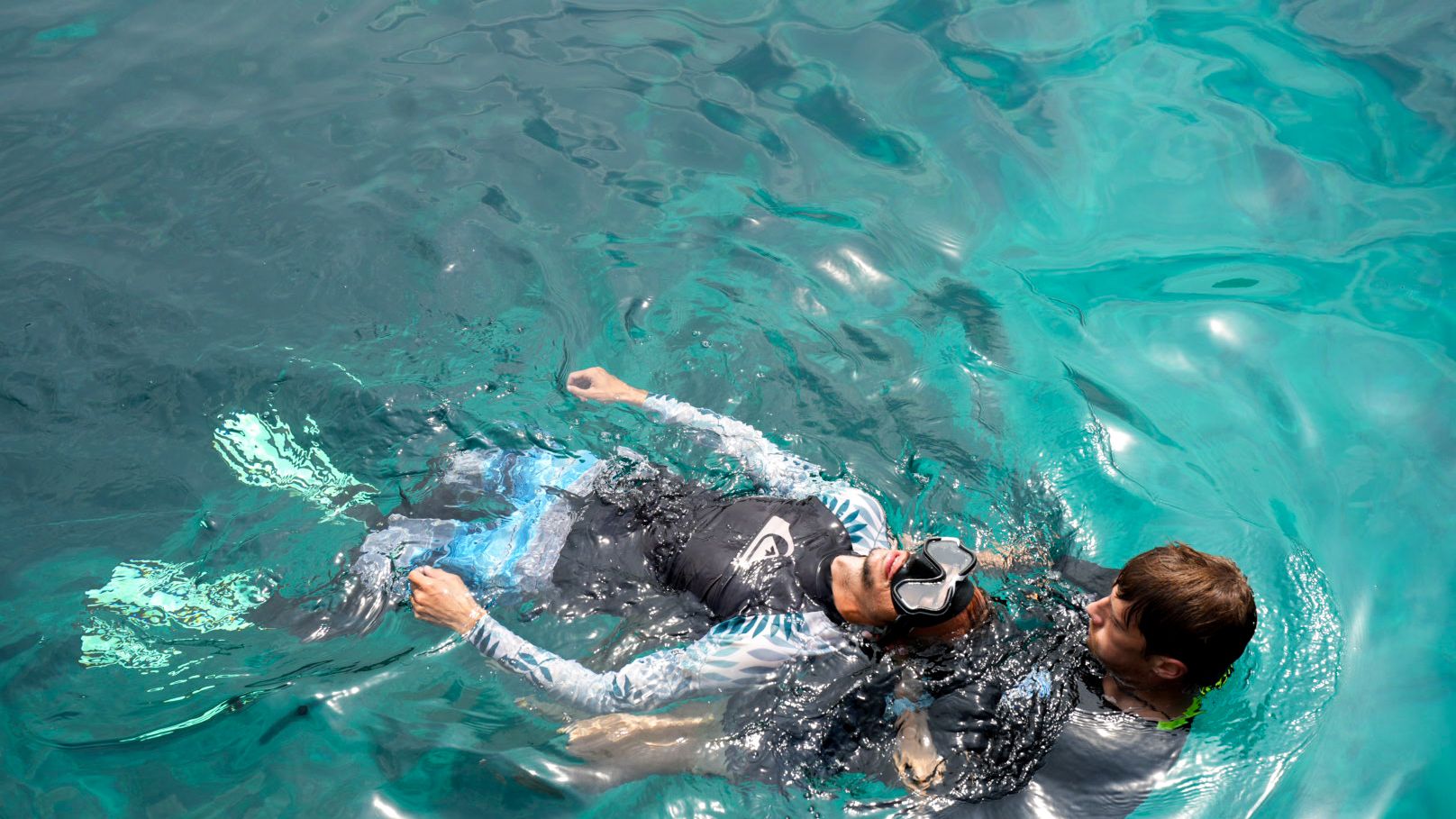
French dive school · Mae Haad & Chalok
Courses in French since 2012: SSI and CMAS / FFESSM, groups of four, first dive to instructor.
Full guide →
Freediving & yoga · Mae Haad
Learn to freedive on one breath, with breathwork and yoga in a sea-view shala.
Full guide →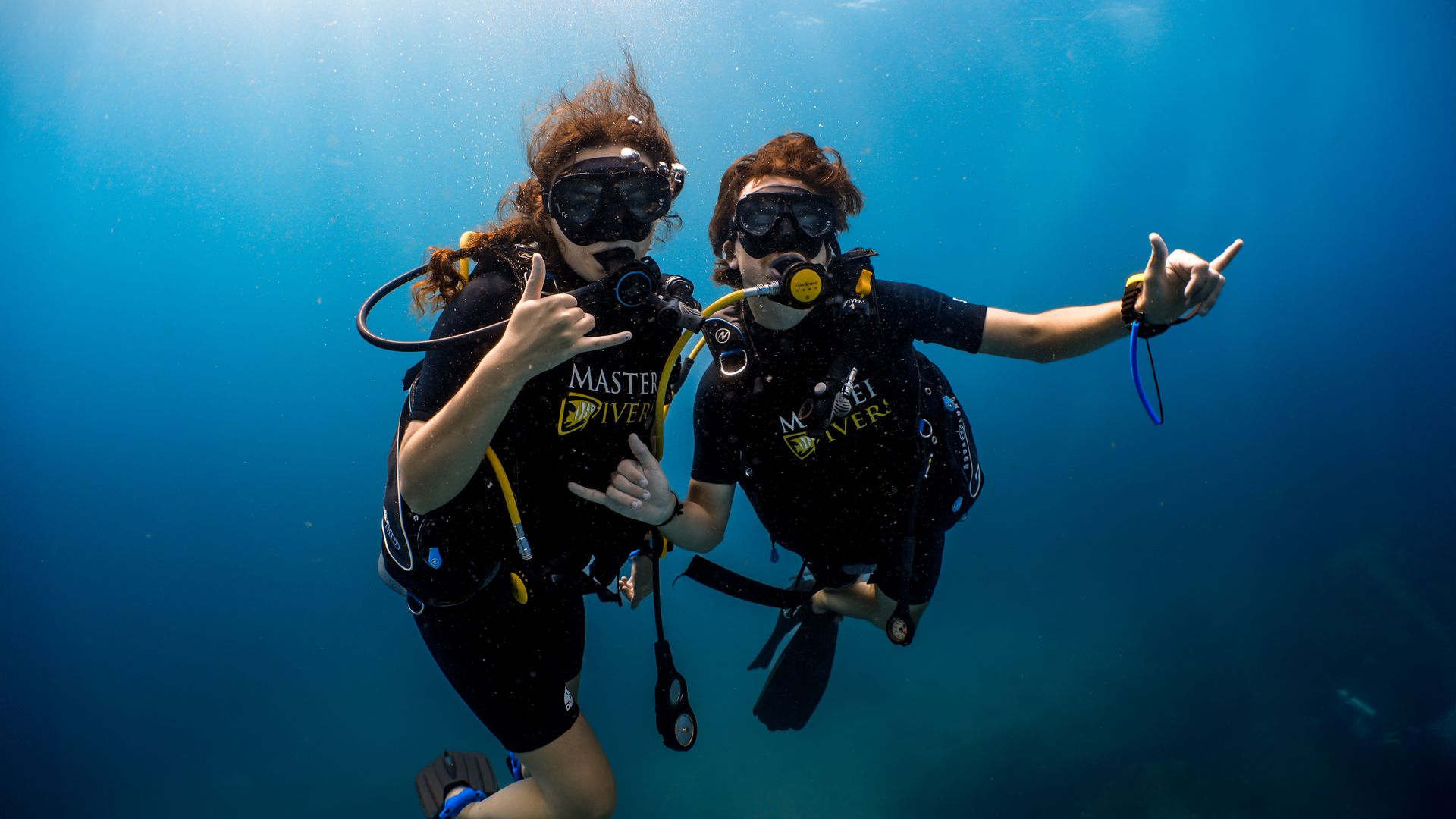
PADI 5-Star CDC · Mae Haad
One of the island's most established dive centres, with a focus on pro training.
Full guide →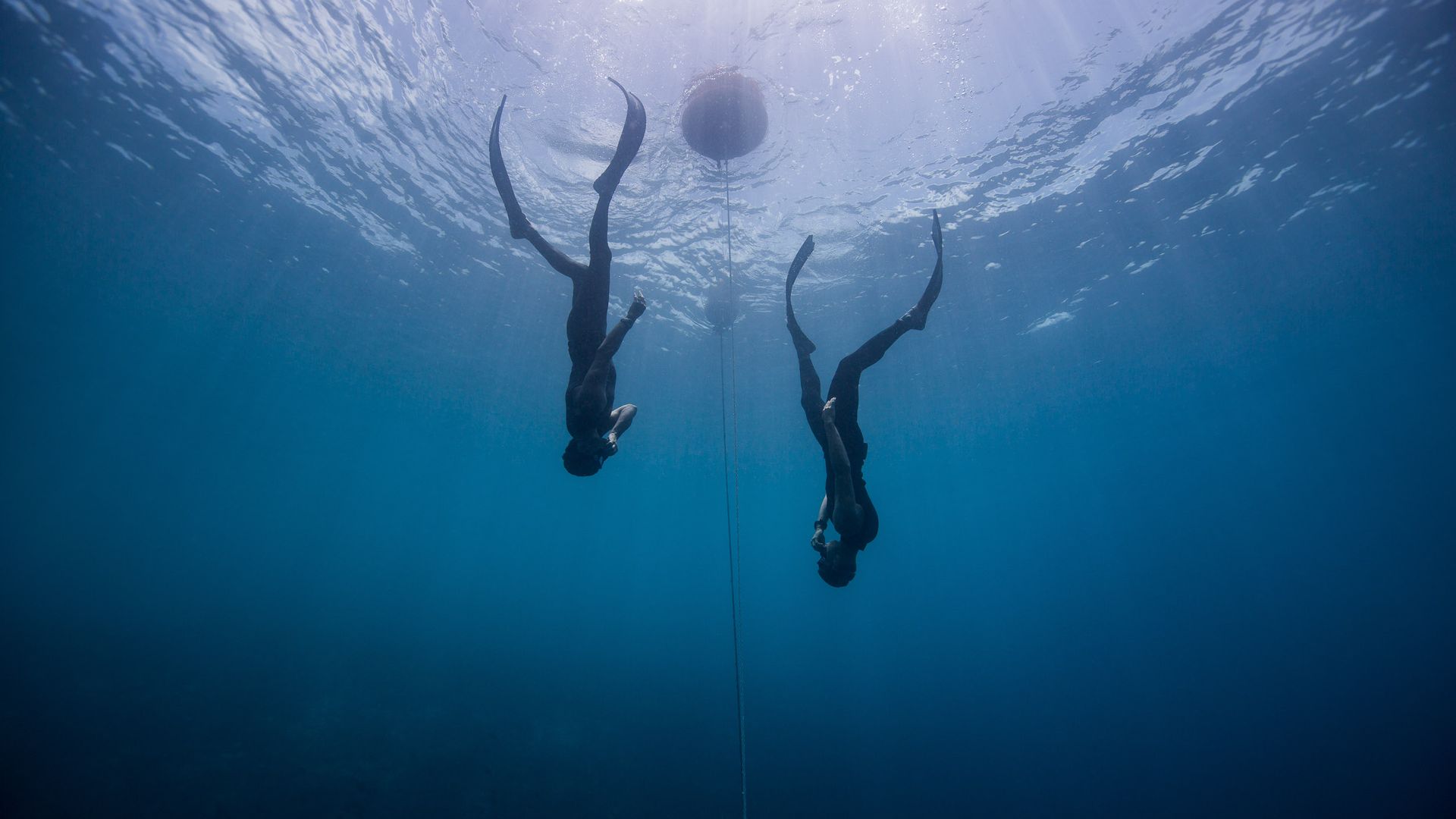
Freediving · Sairee
Personal freediving courses with experienced instructors off Sairee Beach.
Full guide →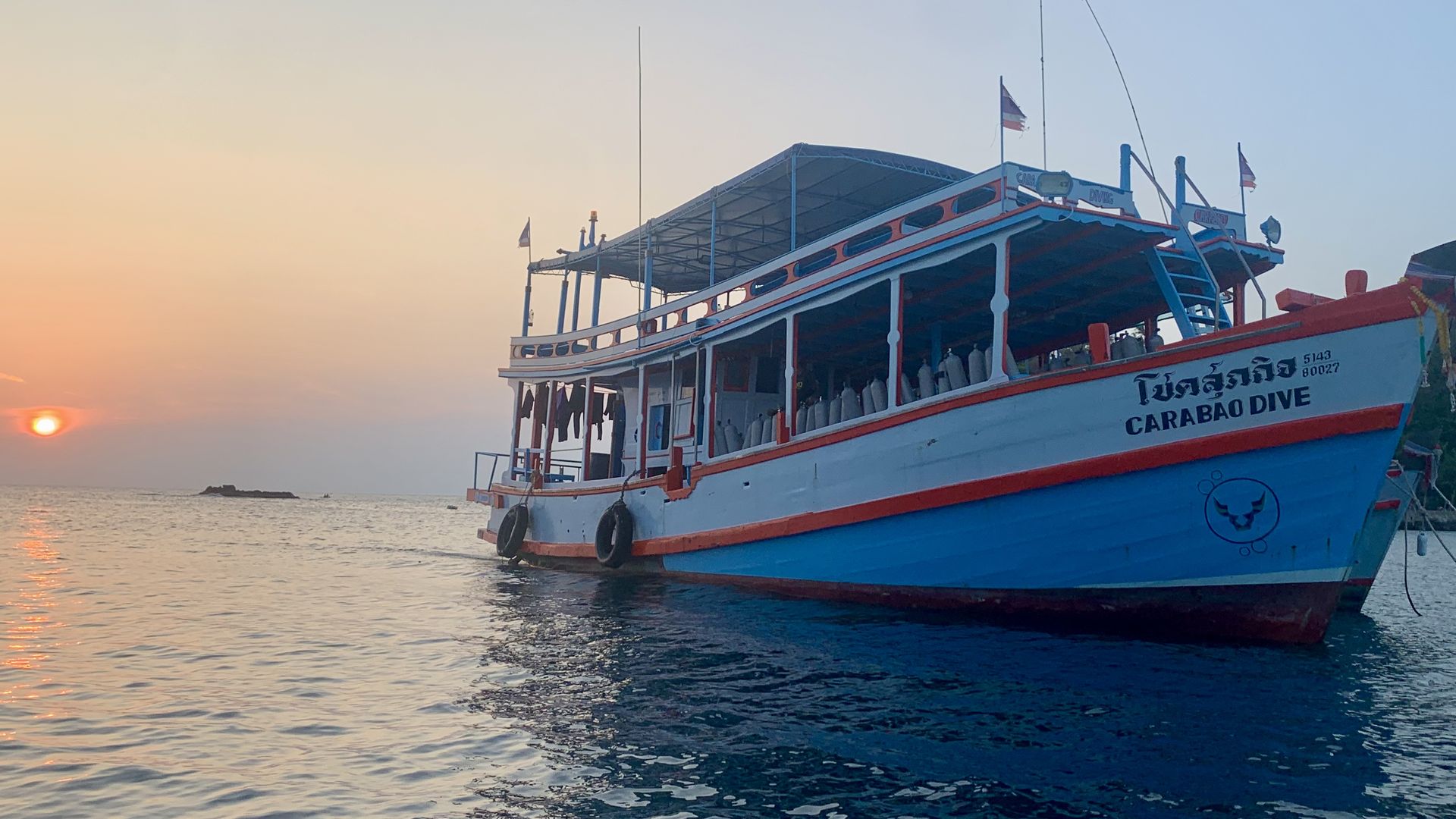
SSI dive resort · Chalok
Dive and stay in the quiet southern bay of Chalok.
Full guide →
PADI dive resort · Chalok
Courses and fun dives with a resort to stay at, in Chalok.
Full guide →Also on the island: DPM Diving and dozens more. See every dive centre on Koh Tao →