Koh Tao Diving by Month A Month-by-Month Guide to Koh Tao's Dive Seasons
Koh Tao is diveable all year, but visibility, sea state and sightings change a lot from month to month.
Koh Tao is diveable all year, but visibility, sea state and sightings change a lot from month to month.
You can dive Koh Tao every month of the year, with water at roughly 26 to 30 C throughout. What changes is the sea state, how far you can see underwater, and which sites the boats can reach comfortably.
As a rule, February to May is the best stretch: dry, calm and clear, with whale shark season at its centre. June to September is windier on the west coast but still very good, because boats move to the sheltered east and south-east sites. October to January brings the north-east monsoon, with heavy rain, run-off and rougher seas. Operators draw the month boundaries in slightly different places, so use the ratings below as a guide rather than a promise.
Mixed, seas settling slowly
Rain and surge are still around early in the month, and run-off clouds the water. Some operators say conditions are easing, others advise caution, so check the forecast. Whale sharks have historically been seen around New Year, though never reliably.
Calm and clear, best season starts
The dry season is in full swing, with calm, glassy seas and some of the clearest water of the year. Schooling fish are active and coral spawning begins. One of the best months to book.
Excellent, whale shark season opens
Dry, sunny and calm. The main whale shark season starts, plankton blooms attract life, and turtles are around. Offshore pinnacles come into their own.
Peak: driest and often clearest
The driest and hottest month, with visibility often at its best. Whale sharks are possible, and baby blacktips gather in Shark Bay. Expect Songkran crowds in mid-April.
Great, whale sharks may linger
Still dry and calm, although the south-west monsoon begins late in the month. Whale sharks can hang around and baby blacktips are still in Shark Bay.
Good, windier on the west
Some showers and more wind on the west coast, so boats start favouring sheltered sites. Early-season whale shark sightings are possible. Plenty of good diving with a bit less predictability.
Good, east side sheltered
The west is windier, so the east and south-east sites are favoured. Rain is isolated. A solid month if you stay flexible about where you dive.
Good, reef fish everywhere
Sporadic rain and variable seas, but reef fish are abundant. East-coast and sheltered sites do best when the west is choppy.
Good, often calm
Seas are often calm and the mixed weather is manageable. One operator reports whale sharks as historically good in September, so it is worth asking.
Transition, visibility dropping
The wet season arrives with storms, and it gets windy late in the month. Boats shift to the west side, and visibility can fall to around 5 m after rain.
Wet, rough on the east
The north-east monsoon starts with heavy downpours and rough seas on the east. Sheltered diving is usually still possible, but expect poor visibility. Sail Rock trips are often skipped.
Cooler, choppy and wet
Rain, strong winds and the coolest water of the year. Sheltered sites still run, and whale sharks are possible around New Year, but visibility is limited.
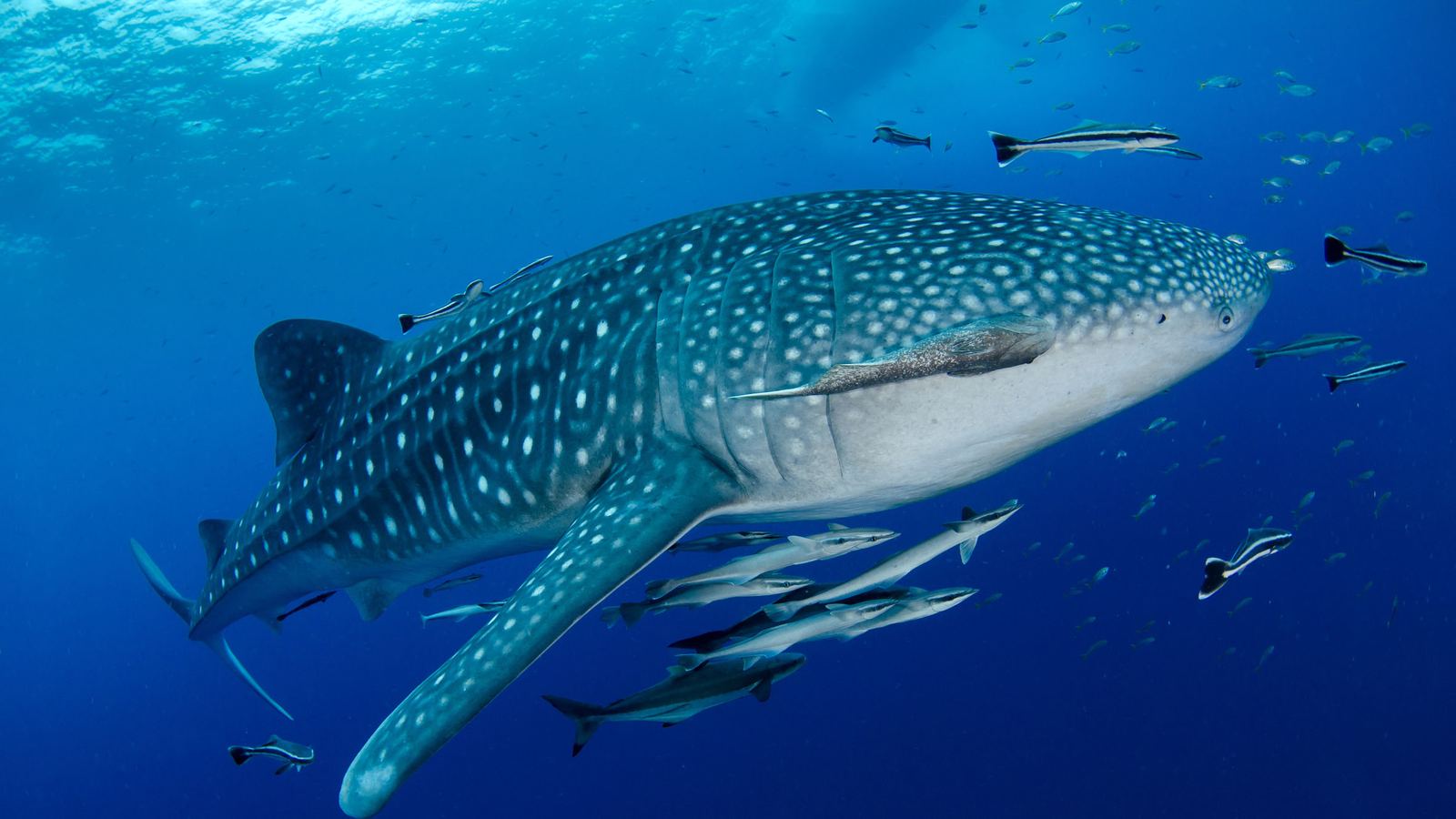
The main whale shark season runs from March to May, mostly at Chumphon Pinnacle and Southwest Pinnacle. Sightings are also possible from June to September and around New Year.
They are never guaranteed, so treat any sighting as a bonus. If whale sharks are the goal, plan several days of diving in March to May and stay flexible about which boat you join.
Green and hawksbill turtles both live around the island. Greens can be seen daily at Shark Bay, which is a good snorkel spot. Local conservation work over roughly a decade reportedly reversed their decline, so seeing one is a sign that the effort is paying off.
The south-west monsoon runs roughly from May to September. The west coast is windier, and dive boats favour sheltered east and south-east sites such as Aow Leuk.
The north-east monsoon runs roughly from October or November to December or January. Expect heavy rain, run-off and rougher seas. Sheltered diving is usually still possible, but far-off trips like Sail Rock are often skipped in the roughest weeks.
Koh Tao's reefs have been through several bleaching events. The first documented one was in 2010, with disease and Drupella snail predation causing coral cover to fall sharply, and signs of recovery appeared by 2014. Bleaching was also reported in 2014 and 2016.
In 2024, Thailand's marine and coastal resources department said bleaching across the Gulf peaked in May, and that a good share of reefs were showing recovery by April 2025. We do not have confirmed Koh Tao-specific figures for 2024, but the centre of Shark Bay is known to be damaged. Reef surveys, artificial reefs and coral nurseries run by local groups are helping, so please dive and snorkel gently.
Koh Nang Yuan charges an entry fee per person (with a lower rate for Thai citizens), and disposable plastic and cans are not allowed. The island is open from 10 am to 5 pm.
Since 1 December 2018, an order (755/2561) bans anchoring on the reef, dumping, feeding animals to attract them, and sea walkers. Use the mooring buoys. Penalties can include up to one year in prison or a heavy fine. We are not aware of a general Koh Tao marine park entrance fee for divers.
April is often the year's best, with calm seas and the clearest water, and February to May is the best stretch overall.
Mainly March to May, at Chumphon and Southwest Pinnacle. Sightings are also possible from June to September and around New Year, but never guaranteed.
Yes. Boats move to sheltered sites, so diving usually continues, but visibility is lower and far-off trips like Sail Rock may be cancelled in the roughest weeks.
Around 26 to 30 C all year. The coolest months are October and December, and March to May is the warmest.
Koh Nang Yuan charges an entry fee per person, paid on arrival. We are not aware of a general island-wide marine park fee for divers.
Learn to dive
Koh Tao is one of the best places in the world to learn to dive: warm, calm water, sites a short boat ride away and schools for every style. Here are the courses most schools offer and the dive schools we know and trust. Schedules, course length and prices are set by each school.
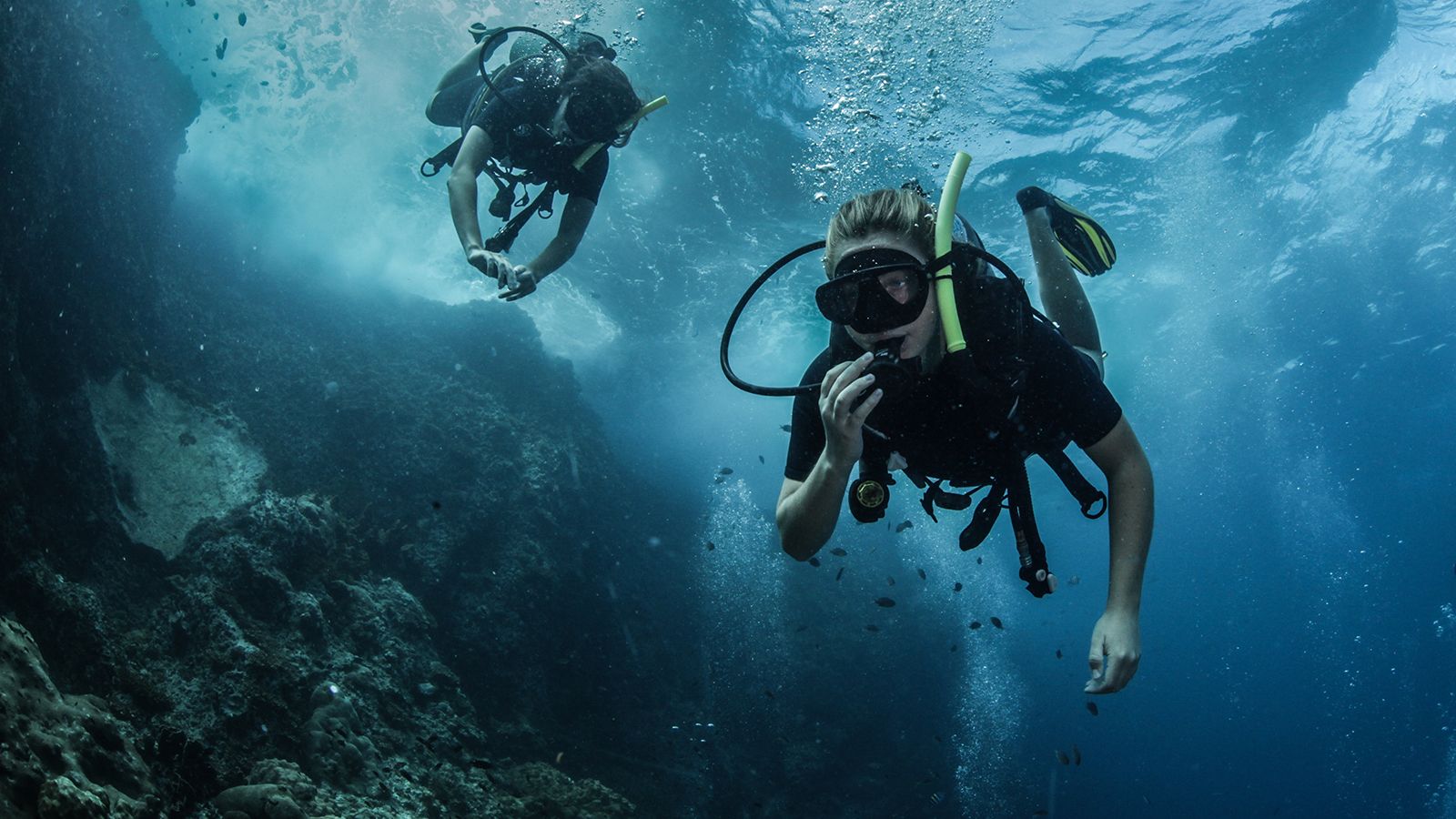
PADI 5-Star · Sairee
PADI 5-Star IDC on Sairee Beach: small groups, every level, taught in seven languages.
Full guide →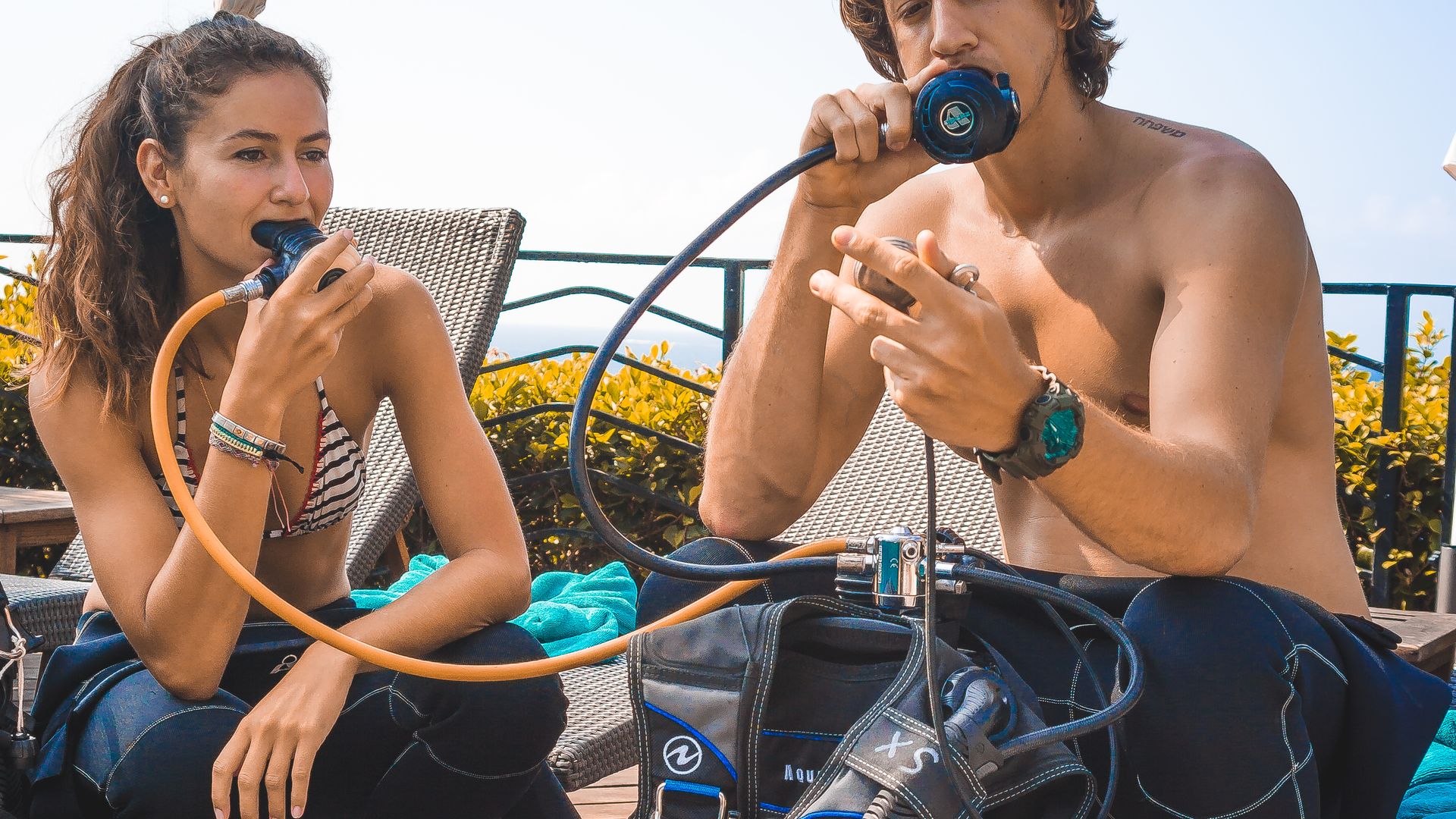
Private club · South coast
Very small classes, a training pool and boats straight from the resort pier.
Full guide →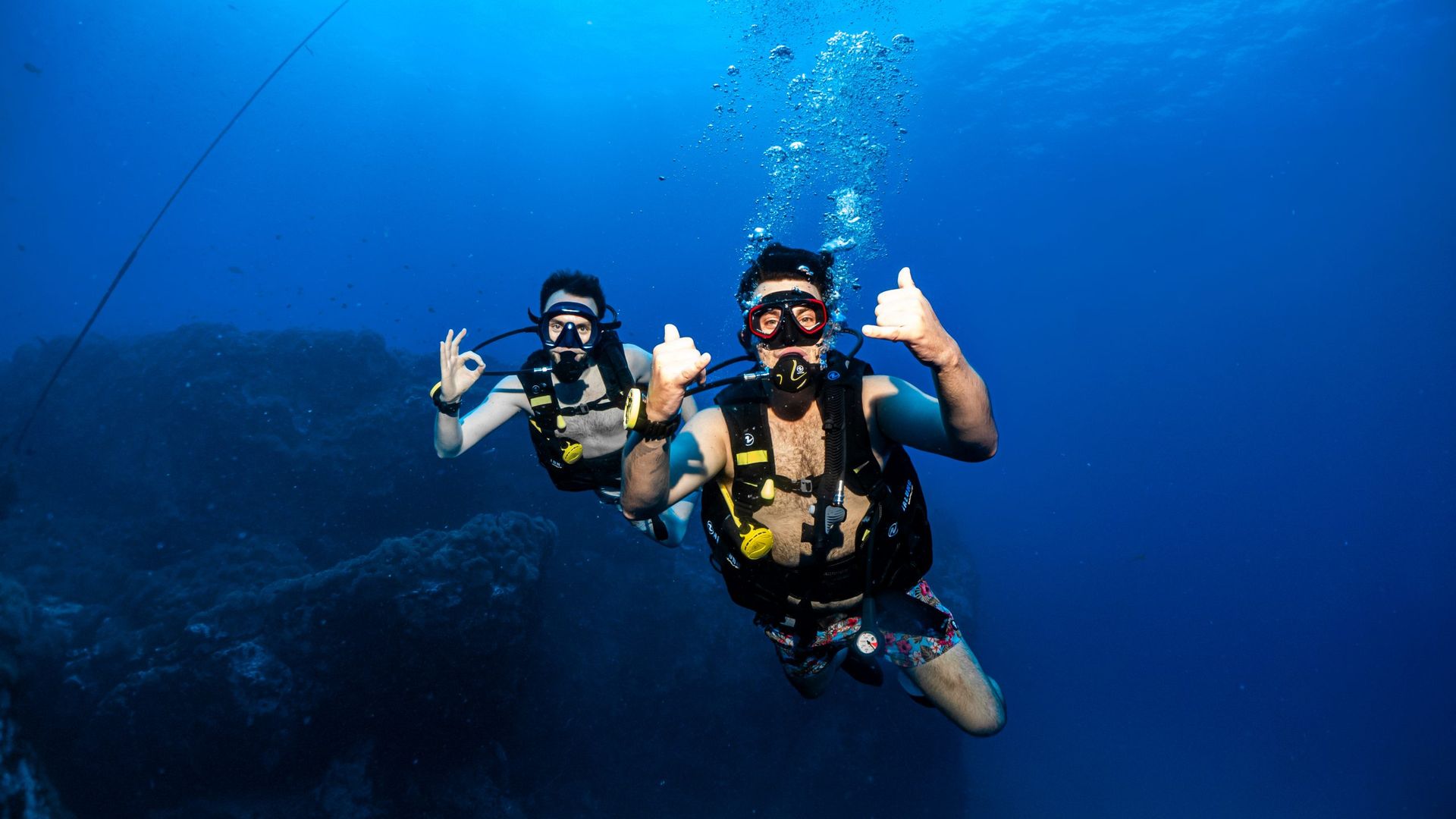
Dive school · Mae Haad
Groups of four, two minutes from the pier, from Open Water to instructor.
Full guide →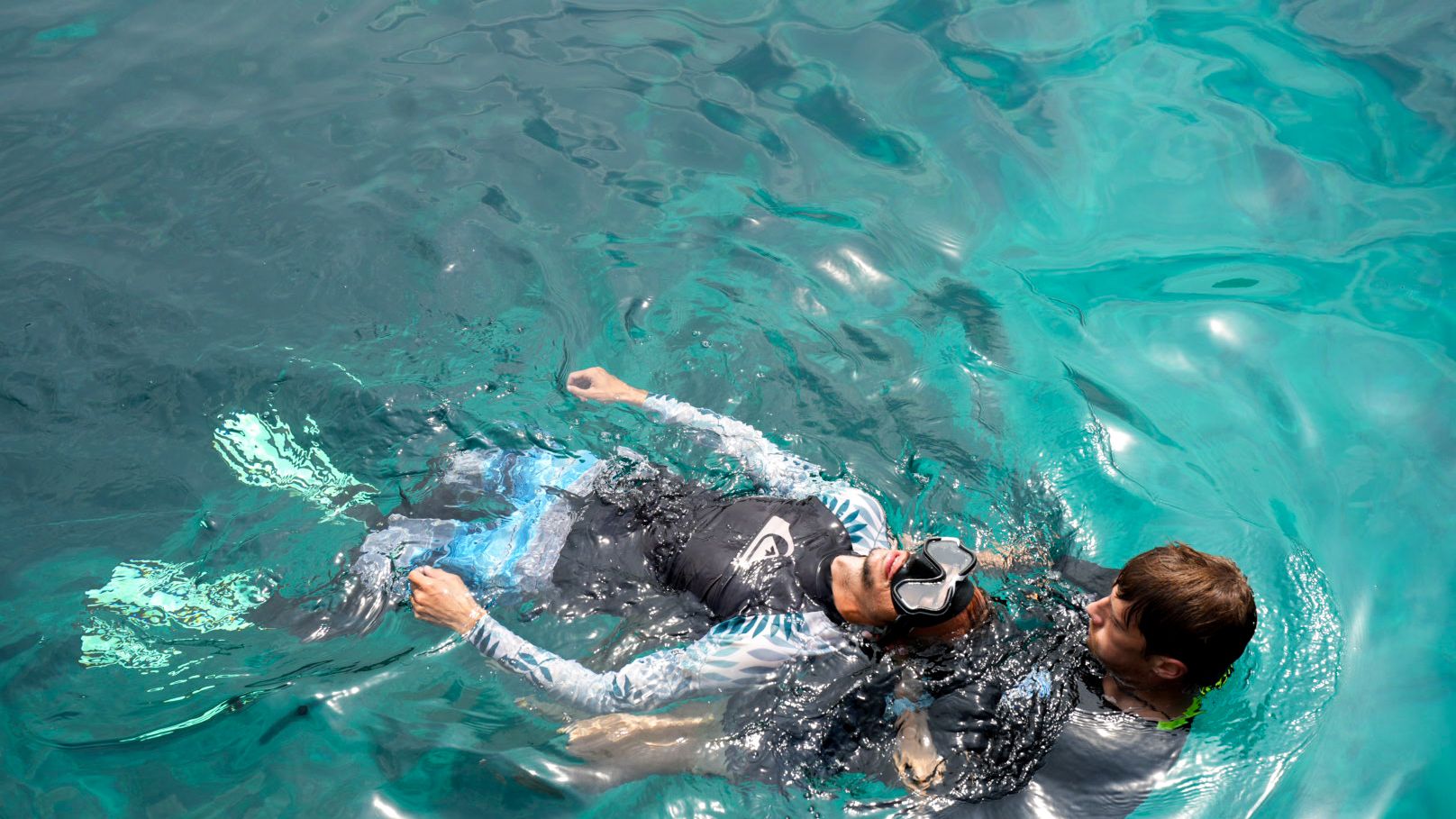
French dive school · Mae Haad & Chalok
Courses in French since 2012: SSI and CMAS / FFESSM, groups of four, first dive to instructor.
Full guide →
Freediving & yoga · Mae Haad
Learn to freedive on one breath, with breathwork and yoga in a sea-view shala.
Full guide →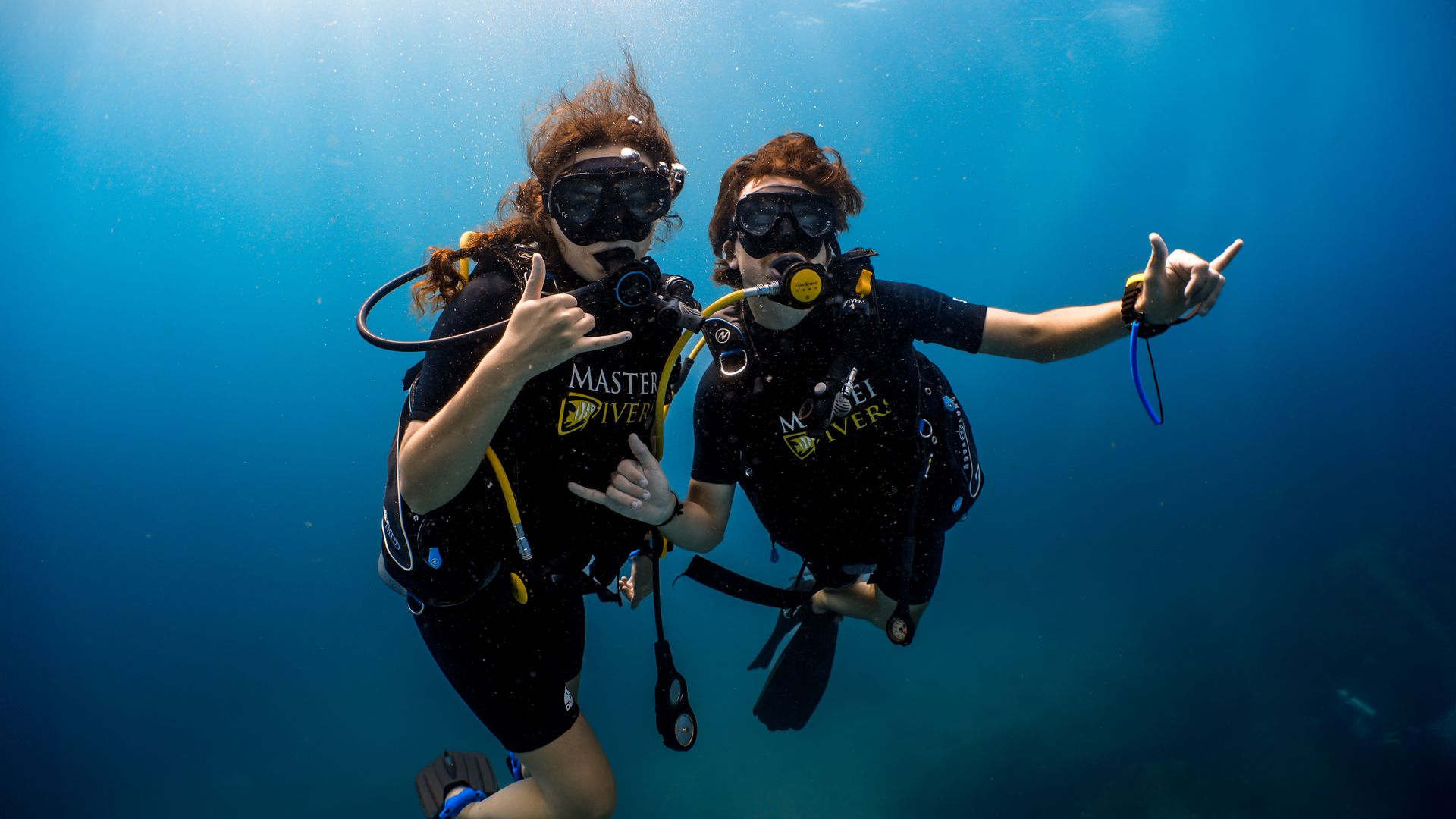
PADI 5-Star CDC · Mae Haad
One of the island's most established dive centres, with a focus on pro training.
Full guide →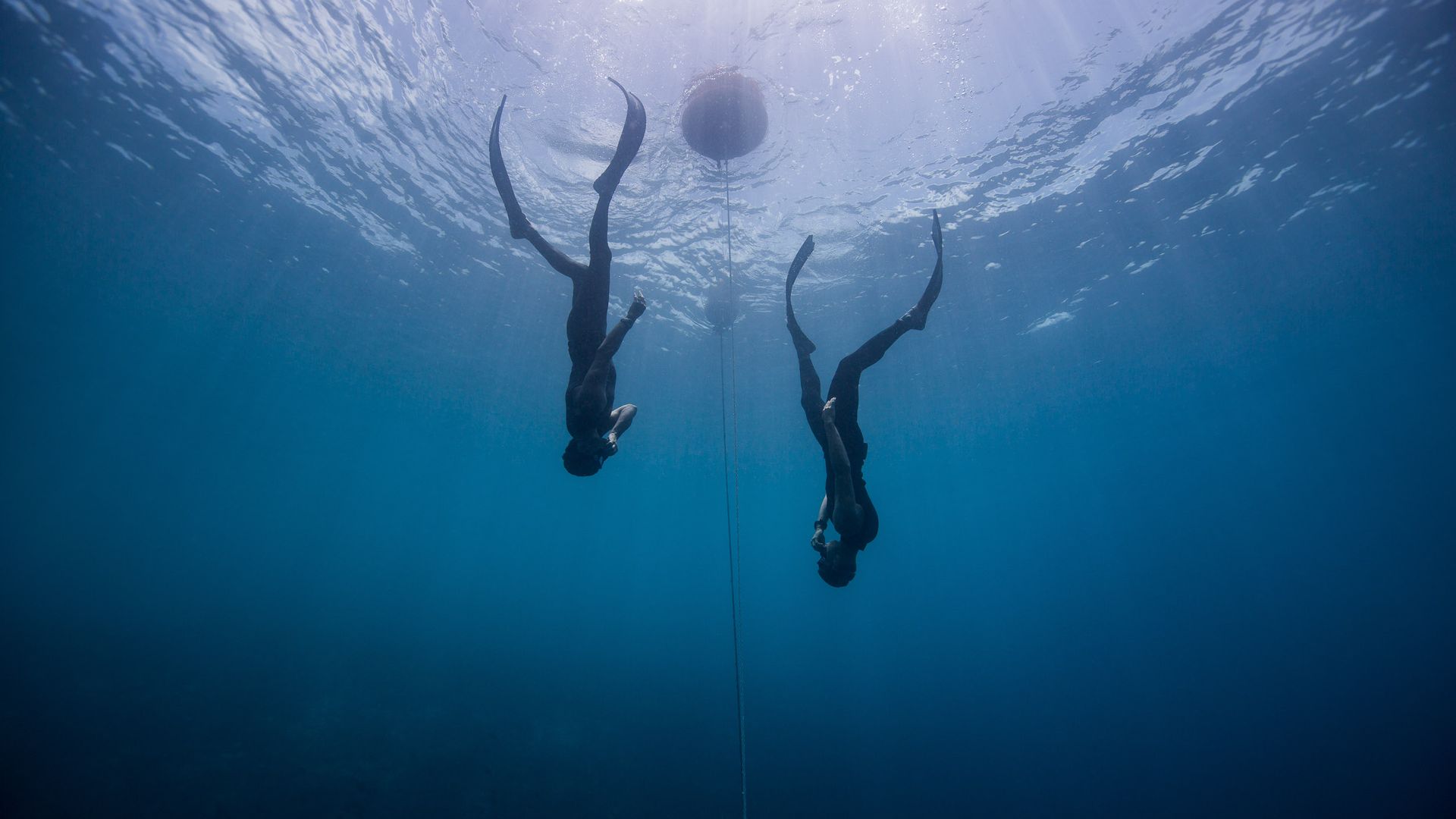
Freediving · Sairee
Personal freediving courses with experienced instructors off Sairee Beach.
Full guide →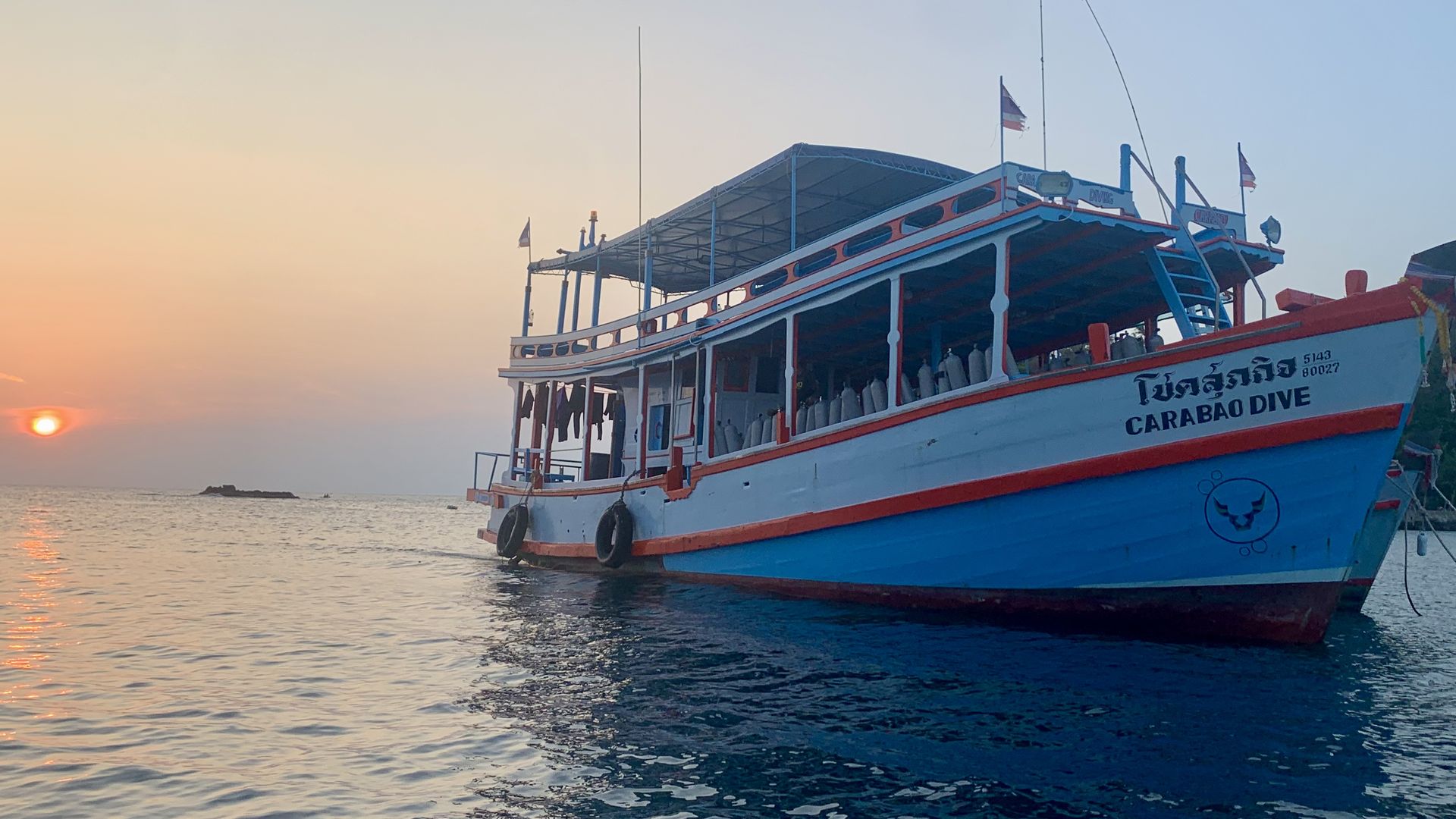
SSI dive resort · Chalok
Dive and stay in the quiet southern bay of Chalok.
Full guide →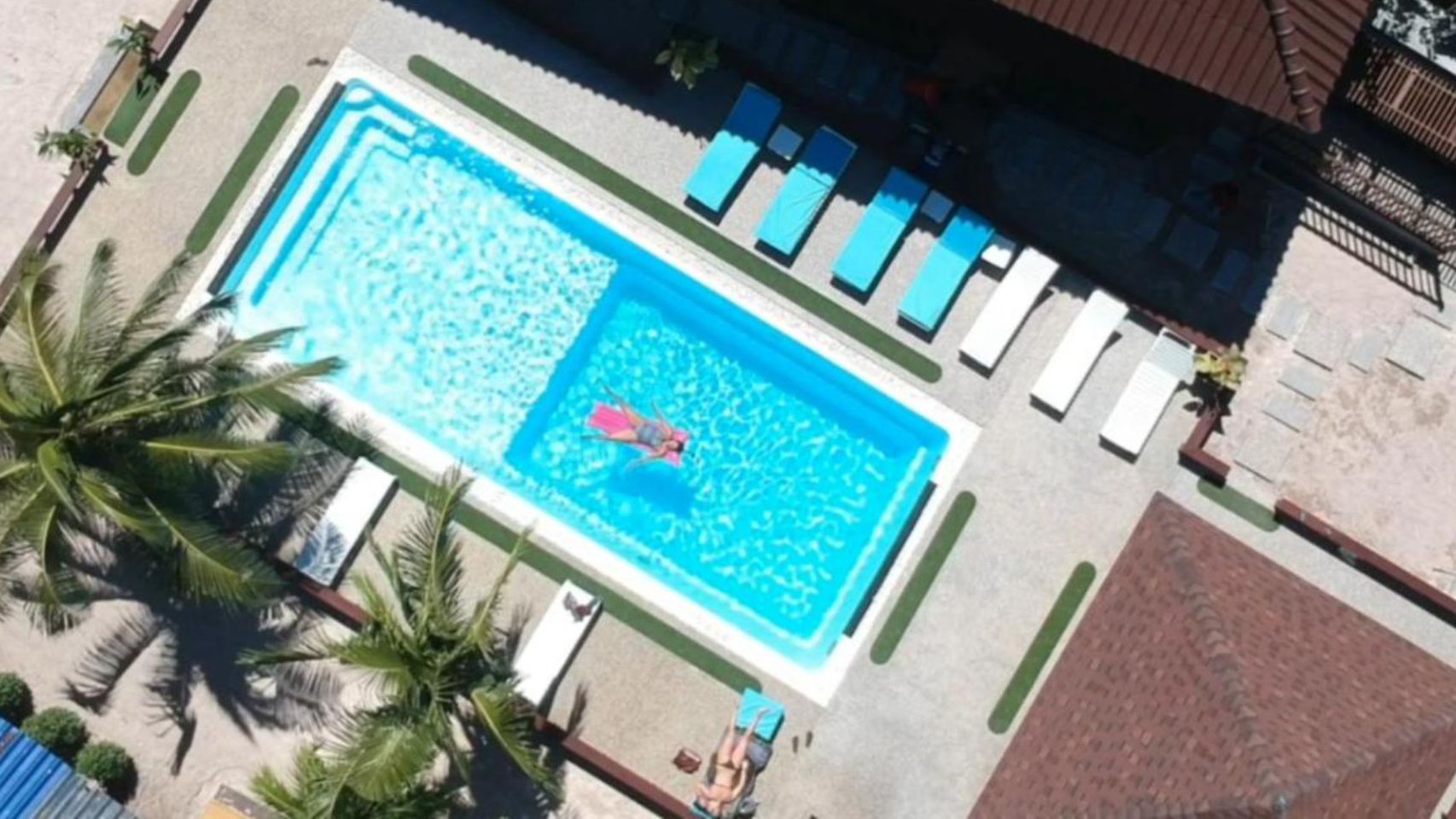
PADI dive resort · Chalok
Courses and fun dives with a resort to stay at, in Chalok.
Full guide →Also on the island: DPM Diving and dozens more. See every dive centre on Koh Tao →