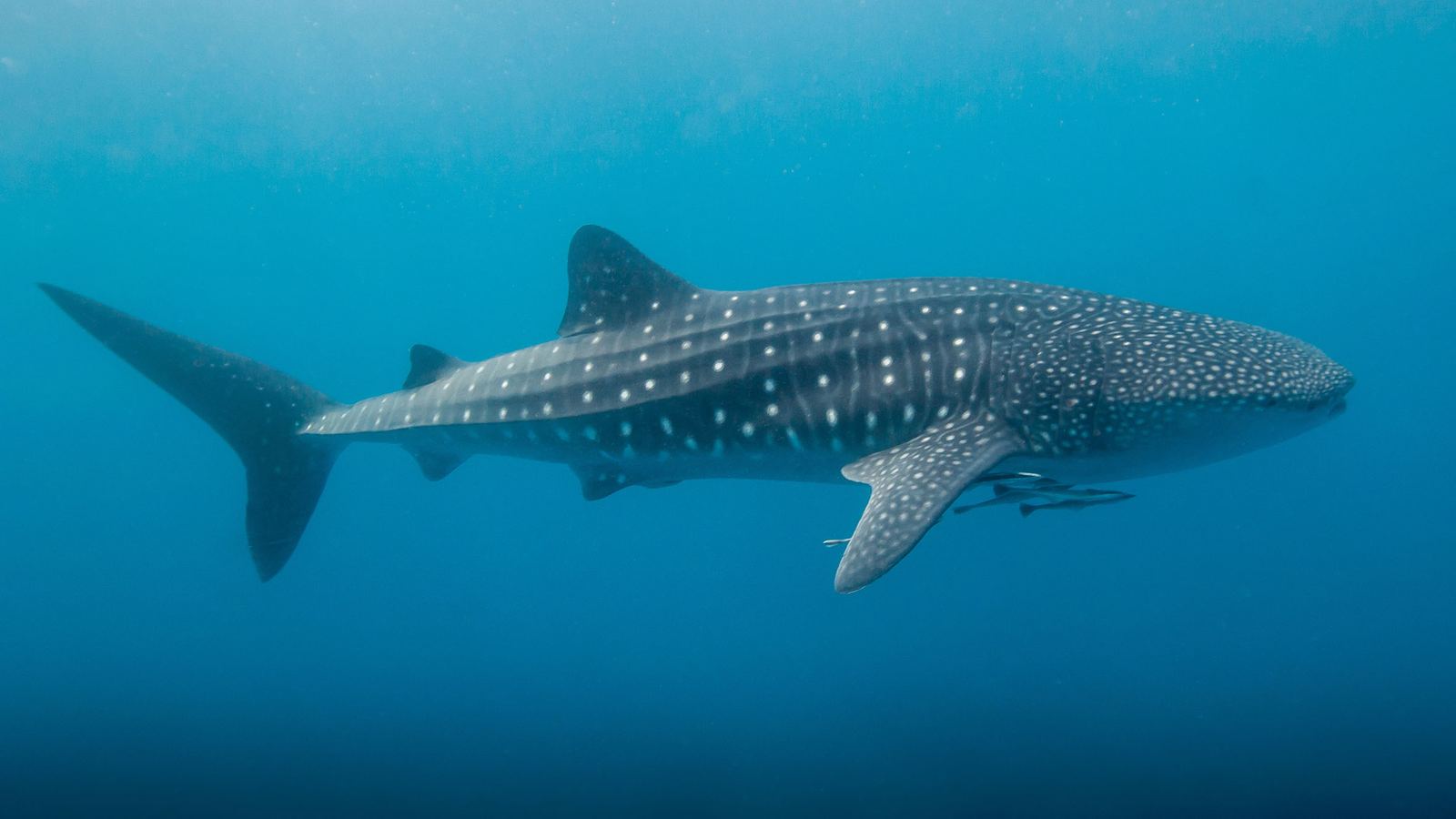
Koh Tao dive sites / Chumphon Pinnacle
Chumphon Pinnacle: Dive Site, Koh Tao's Most Famous Dive
A granite seamount in open water, covered in anemones and ringed by schools of fish.
Koh Tao dive sites / Chumphon Pinnacle
A granite seamount in open water, covered in anemones and ringed by schools of fish.
Chumphon Pinnacle is the dive Koh Tao is best known for. It is a granite mountain that never breaks the surface, sitting in open water about 10 to 12 km north-west of the island, facing the Chumphon coast on the mainland. The top is at around 14 m, and the sand around the base is 30 m or more below.
If you are researching Chumphon Pinnacle Koh Tao dive trips, expect a proper outing. It is a 40 to 45 minute boat ride from Sairee or Mae Haad, a deeper dive than most, and it depends on the weather. In return you get big schools, giant groupers and the island's best chance of a whale shark.
Boats tie up or drop you at the summit area, and most dives start by going down to around 14 to 18 m. From there you circle the main pinnacle, usually keeping the rock on one side and letting the current help. Drop to 25 to 30 m to look for groupers and the big schools, then come back up to the shallower tops for your safety stop.
It is easy to drift deeper than planned while watching the fish, so keep an eye on your computer.
If you can, plan for a second dive on the same trip. Many centres run Chumphon as a two-dive outing, and the light, the schools and the current can feel quite different the second time around. Open Water divers on board can usually enjoy the summit area, while Advanced divers get the full multi-level profile from 14 m down to 30 m and beyond.
The site is one large main pinnacle, elongated roughly north to south, rising from sand at about 30 to 36 m to a summit near 14 m. There are shelves at around 18 m, and ledges and plateaus covered in hard and soft corals, sea whips, gorgonian fans and barrel sponges.
Smaller rocks stand around the main pinnacle. A cluster off the south-west side is known as Barracuda Rock, and there are further groups off the north side. The gaps between the rocks are where chevron barracuda and other schooling fish tend to gather. A swim-through has been reported on the west side at about 25 m. Away from the rock, the seabed is sand.
The summit is the first thing you see: dense anemone beds, with pink anemonefish in every one. They are thickest on top and on the south-eastern side, and they sway in the slight current.
The real draw is the fish traffic:
Chumphon is generally considered the best place on Koh Tao to see a whale shark, and now and then divers see more than one on the same dive. Sightings are talked about most in March to May and again in September and October, but nobody can promise one. Go for the whole site, and treat a whale shark as a bonus.
Visibility is usually 10 to 30 m, often 20 m or better, helped by the distance from the mainland. A thermocline around 18 to 20 m can make the water cloudier below it. Current is often slight, but wind and waves can bring surface chop and stronger flow, since the site is fully exposed.
Good visibility is reported for most of the year. Windy, choppy spells can cancel trips, so build a spare day into your plans if the dive matters to you.
Depths of 30 to 36 m (some operators quote up to 40 m if you leave the rock) mean narcosis and short no-stop times. Advanced certification or the Deep Diver specialty is recommended, and Open Water divers can usually only enjoy the summit area. Expect a long boat ride, other boats in high season, and the occasional cancellation for weather.
The top of the main pinnacle is about 14 m and the base is around 30 to 36 m. Some operators quote up to 40 m if you drift off the rock.
Roughly 40 to 45 minutes from Koh Tao, about 10 to 12 km to the north-west.
It is the most likely Koh Tao site for whale sharks, with sightings talked about most in March to May and September to October. They are never guaranteed.
Advanced certification or a Deep Diver specialty is recommended because of the 30 m+ depths. Open Water divers are usually limited to the shallower summit.
Yes, it is the dive Koh Tao is best known for, thanks to the anemone-covered summit, big schools and whale shark chances.
A pile of granite boulders off Koh Nang Yuan, cut with swim-throughs, canyons and caverns.
3 to 22 mA granite pinnacle just off Koh Nang Yuan, with a cave swim and a drift finish into Japanese Gardens.
10 to 16 mA purpose-built reef of concrete sculptures and obstacles, a short swim north of Twins.
14 to 30 mA granite pinnacle west of Twins where the crack, the big fish and a brand-new wreck all share one dive.
Learn to dive
Koh Tao is one of the best places in the world to learn to dive: warm, calm water, sites a short boat ride away and schools for every style. Here are the courses most schools offer and the dive schools we know and trust. Schedules, course length and prices are set by each school.
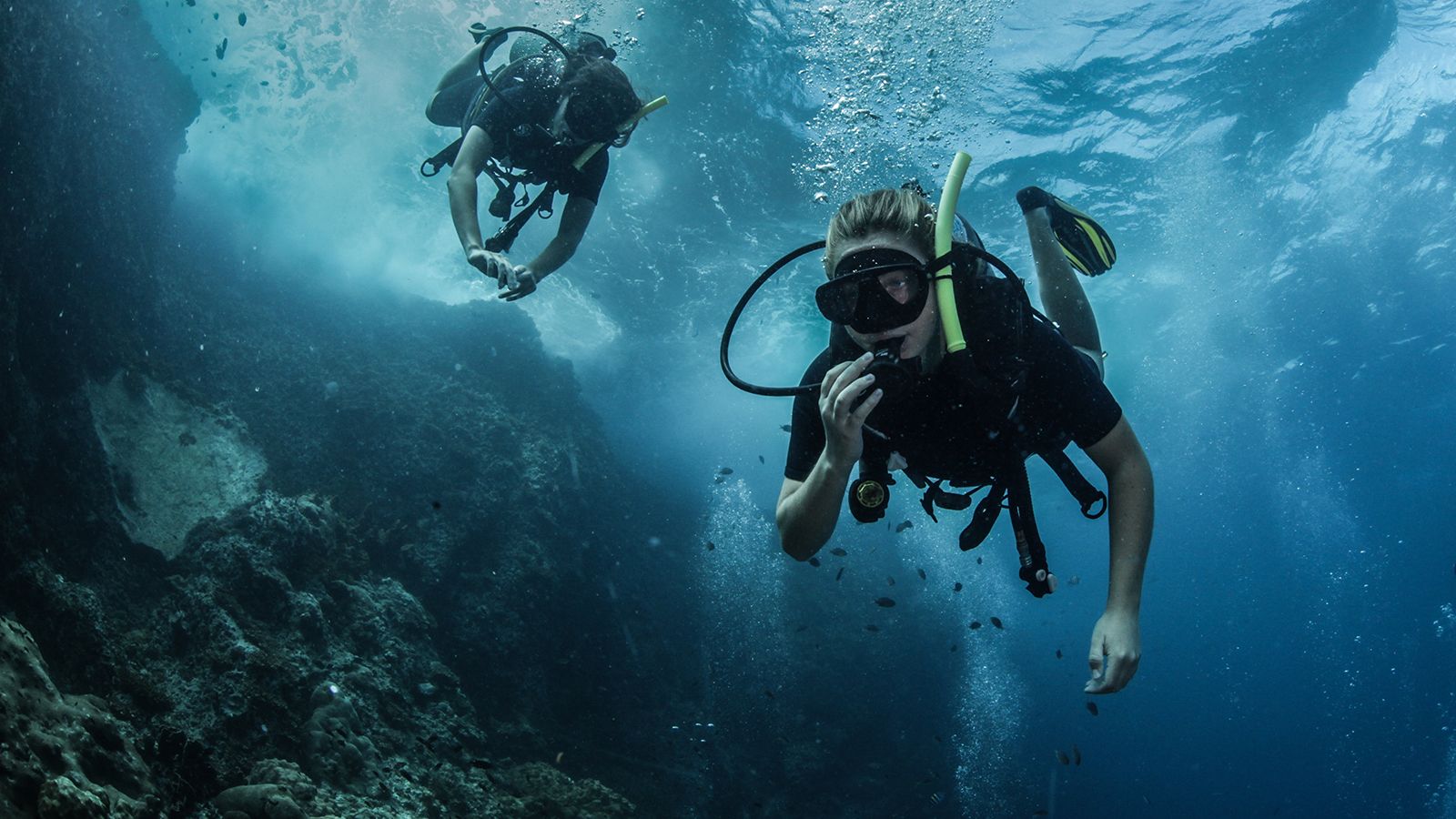
PADI 5-Star · Sairee
PADI 5-Star IDC on Sairee Beach: small groups, every level, taught in seven languages.
Full guide →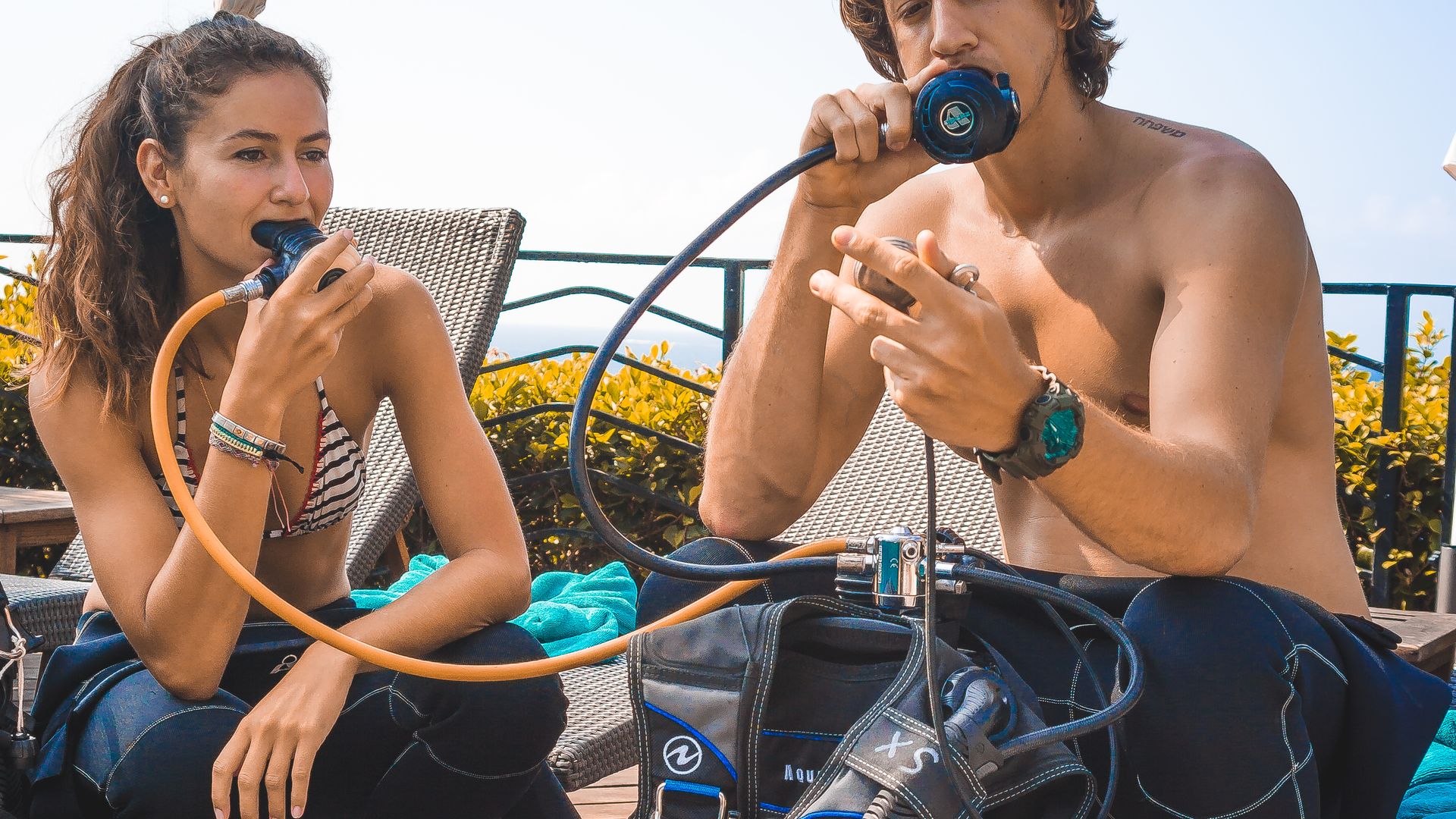
Private club · South coast
Very small classes, a training pool and boats straight from the resort pier.
Full guide →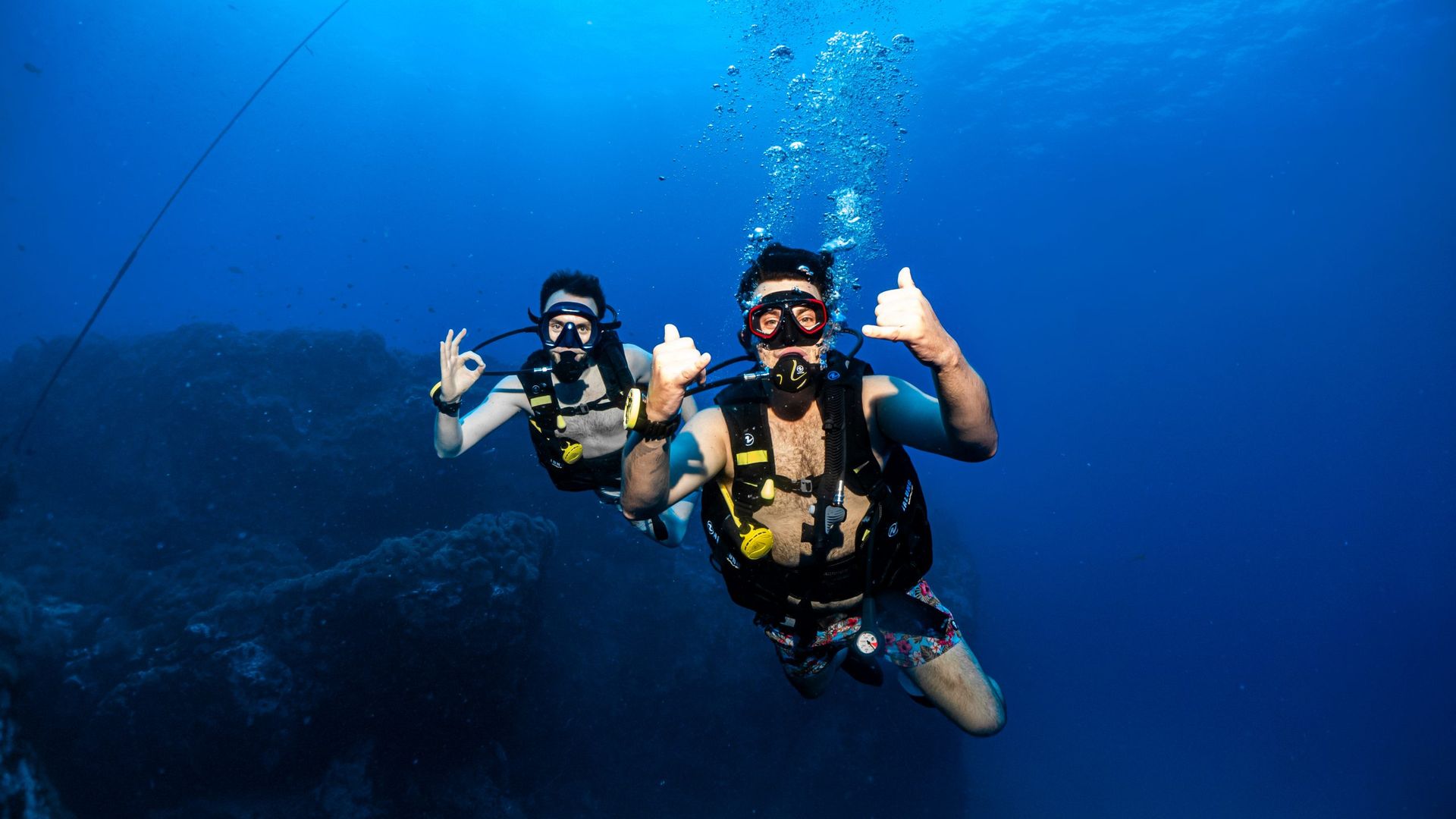
Dive school · Mae Haad
Groups of four, two minutes from the pier, from Open Water to instructor.
Full guide →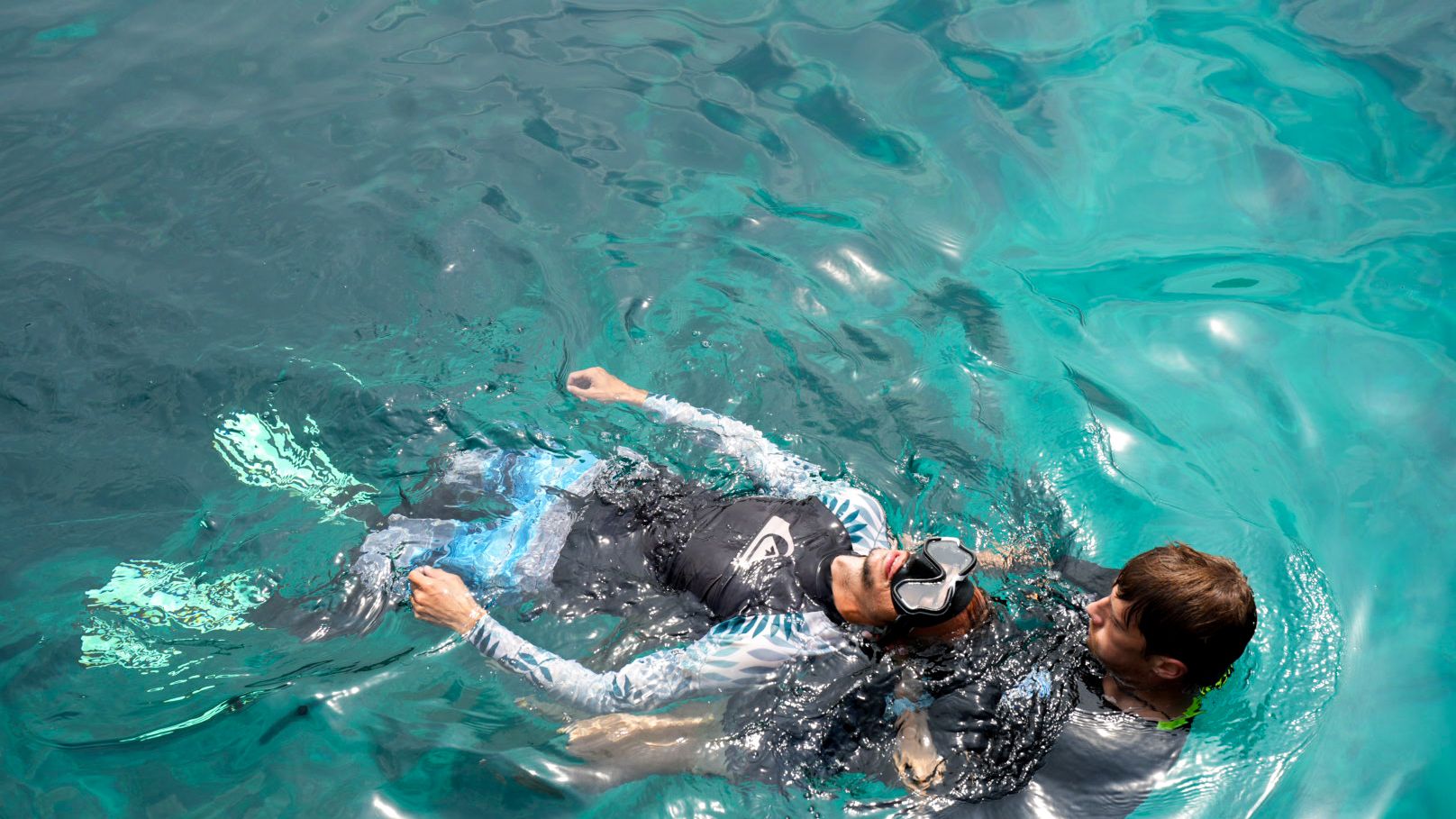
French dive school · Mae Haad & Chalok
Courses in French since 2012: SSI and CMAS / FFESSM, groups of four, first dive to instructor.
Full guide →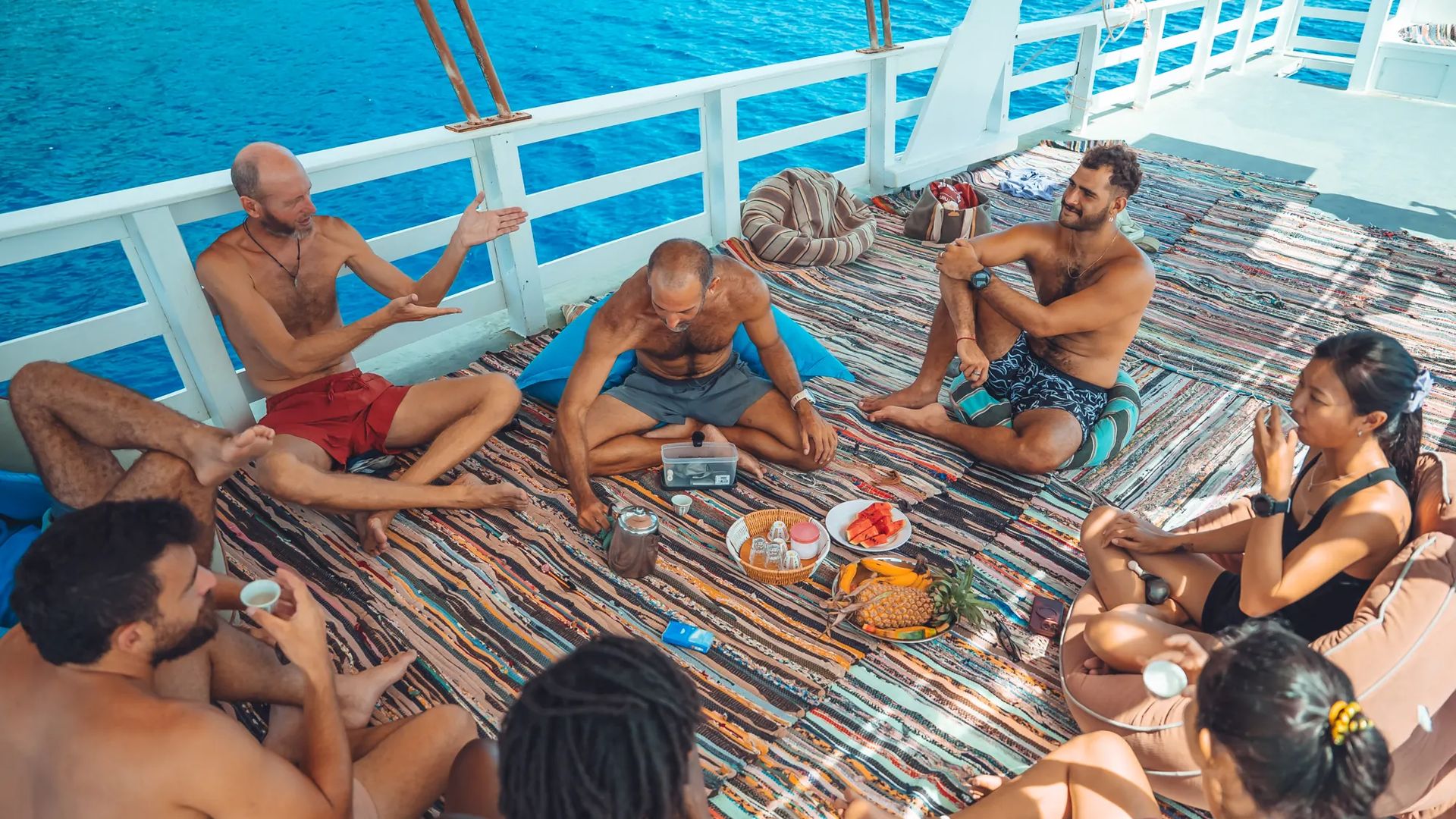
Freediving & yoga · Mae Haad
Learn to freedive on one breath, with breathwork and yoga in a sea-view shala.
Full guide →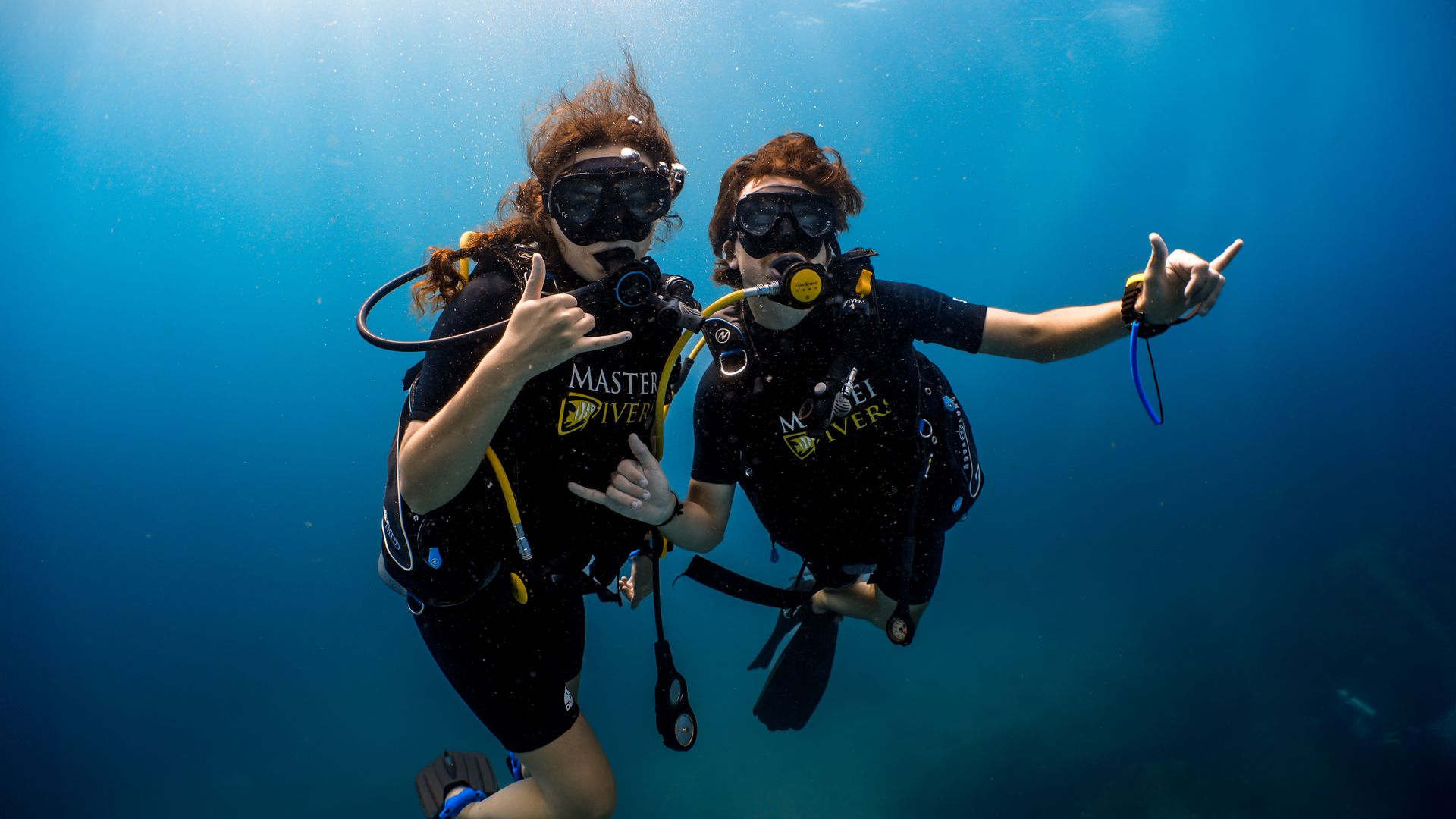
PADI 5-Star CDC · Mae Haad
One of the island's most established dive centres, with a focus on pro training.
Full guide →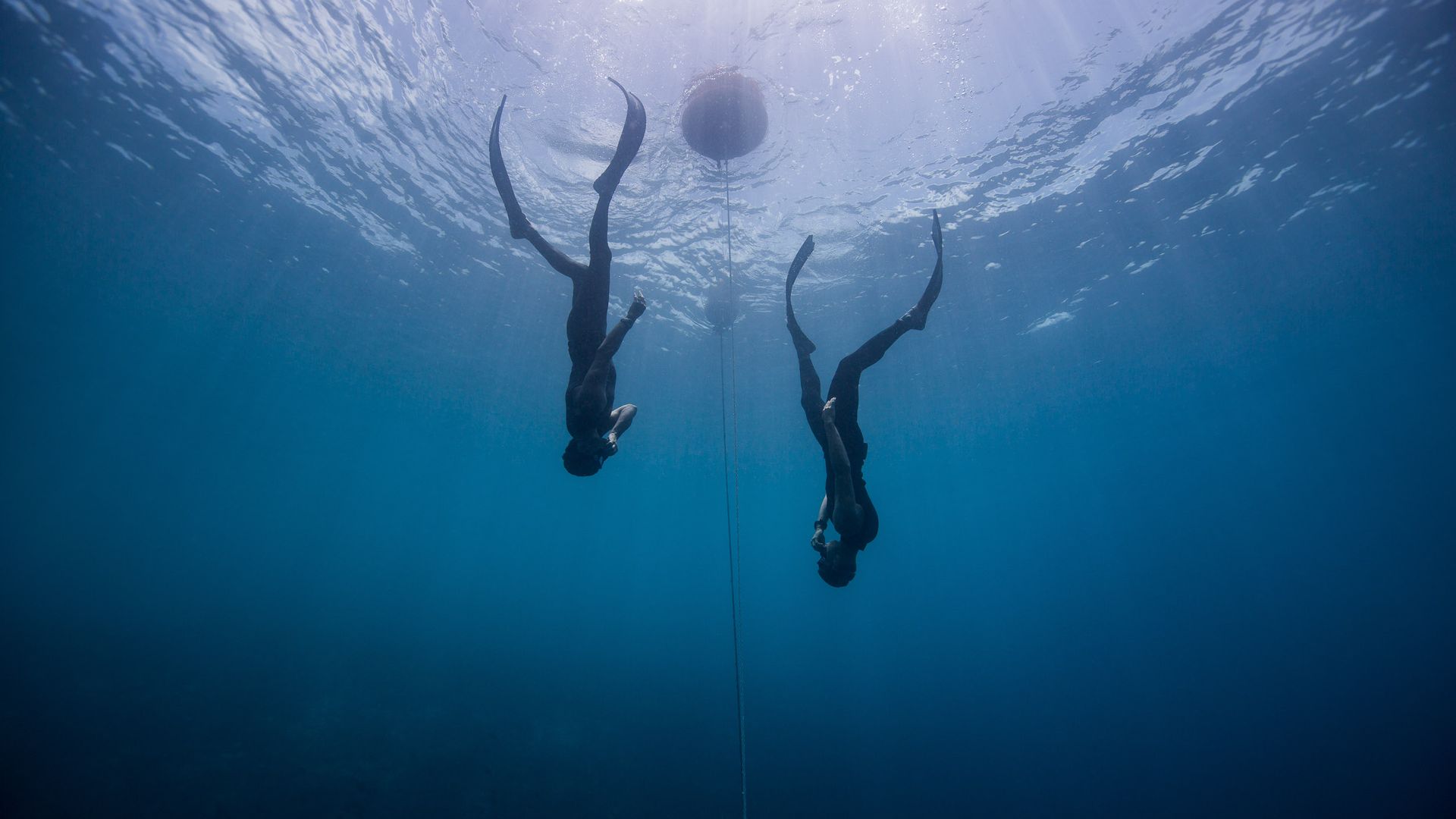
Freediving · Sairee
Personal freediving courses with experienced instructors off Sairee Beach.
Full guide →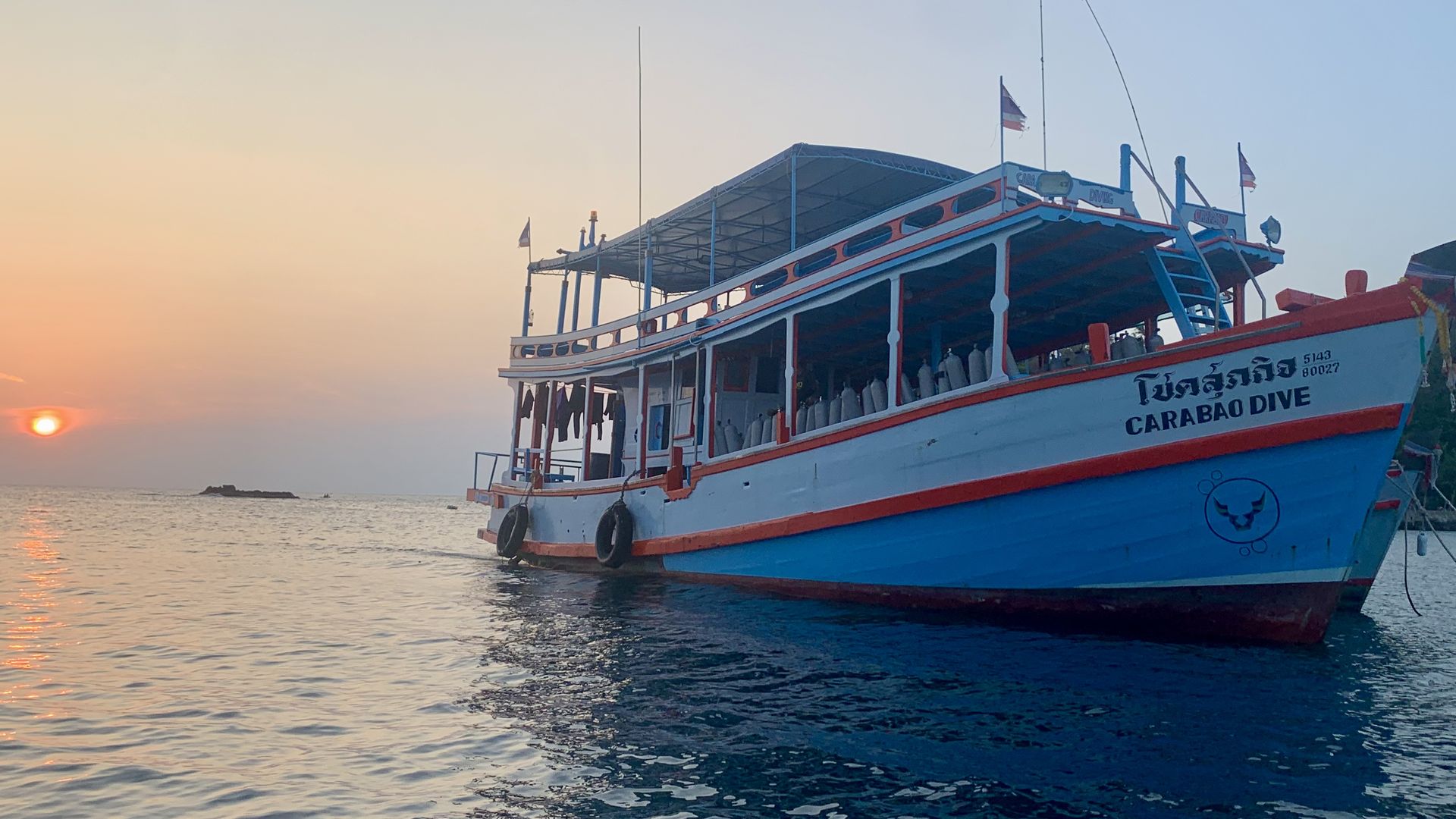
SSI dive resort · Chalok
Dive and stay in the quiet southern bay of Chalok.
Full guide →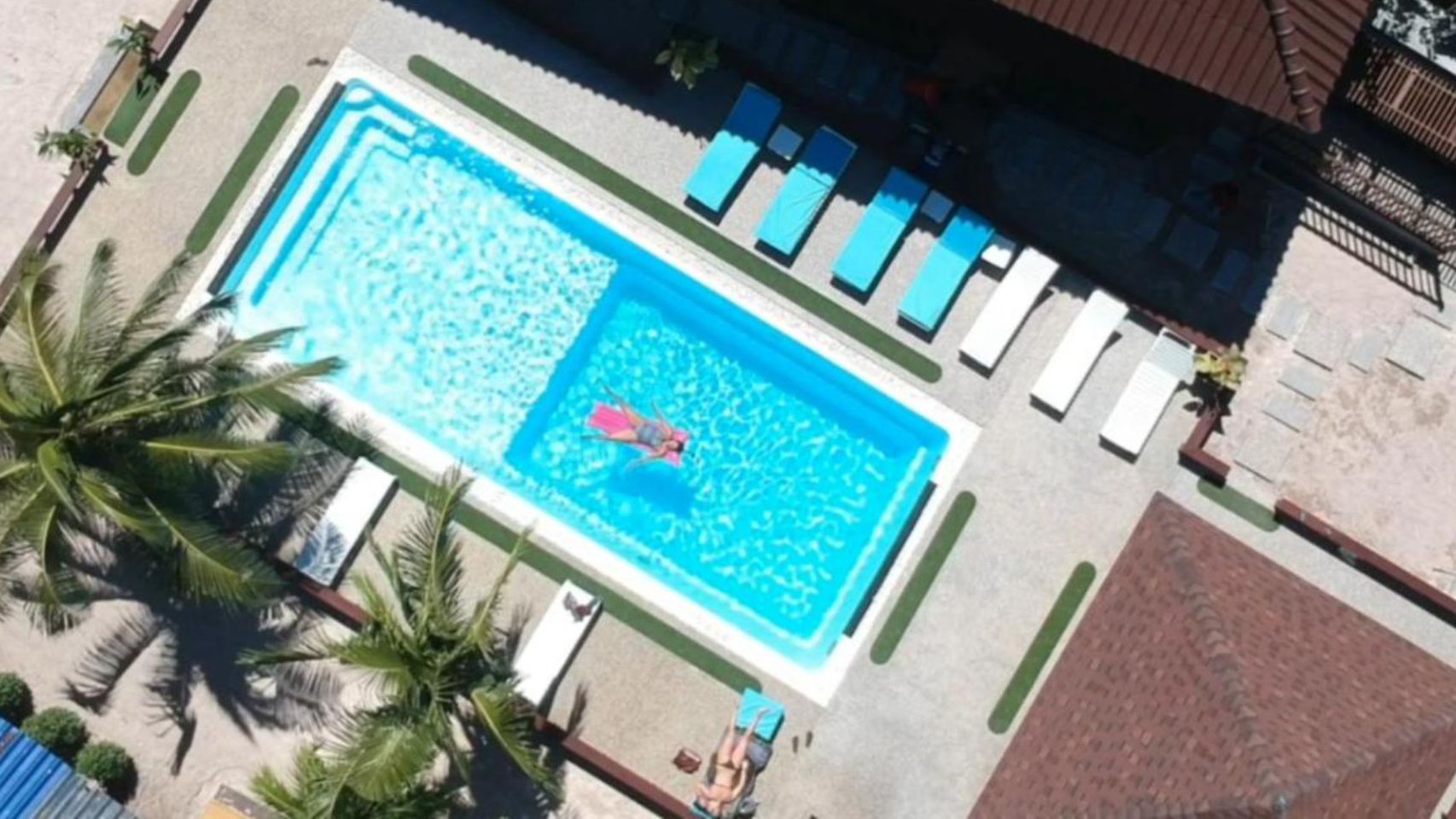
PADI dive resort · Chalok
Courses and fun dives with a resort to stay at, in Chalok.
Full guide →Also on the island: DPM Diving and dozens more. See every dive centre on Koh Tao →