
Plan your trip / Koh Tao history
Koh Tao history: From Turtle Island to Dive Capital
A prison island, a royal visit, two brothers in a boat and a diving boom: the short, unusual story of Koh Tao.
Plan your trip / Koh Tao history
A prison island, a royal visit, two brothers in a boat and a diving boom: the short, unusual story of Koh Tao.
Koh Tao has one of the shortest histories of any inhabited island in Thailand. For centuries it had no permanent village at all. Then, in less than a hundred years, it went from a remote prison to one of the busiest dive islands in the world. Here is the story, told simply.
Koh Tao means "Turtle Island". People say the name comes from the island's shape seen from the sea, and it fits the green and hawksbill turtles that still nest and feed here. For a long time the island was only a stop for fishermen from Koh Phangan, Koh Samui and the mainland, who sheltered in its bays during storms. Old European sea charts marked it under another name, Pulo Bardia.
On 18 June 1899, King Chulalongkorn (Rama V) visited the island and carved his royal initials on a large boulder in the bay of Jor Por Ror, between Mae Haad and Sairee. The rock is still a sacred place: you will see flowers, incense and small offerings there. Please be quiet and respectful, and do not climb on it.
After the end of absolute monarchy in 1932 and the failed Boworadet rebellion of 1933, the government needed a remote place to hold political prisoners. Koh Tao, deep in the Gulf with rough seas all around, was chosen. Prisoners and guards lived on the island for more than a decade.
In 1947 Prime Minister Khuang Aphaiwong asked for a royal pardon for all the prisoners on the island. It was granted, everyone was taken back to the mainland, and Koh Tao was empty again.
Island families tell of two brothers who sailed over from Koh Phangan in the late 1940s and settled around what is now Sairee. Other families followed from Koh Phangan and Koh Samui over the next years. They planted coconuts, grew vegetables and fished. Many of the island's land-owning families today descend from these first settlers.
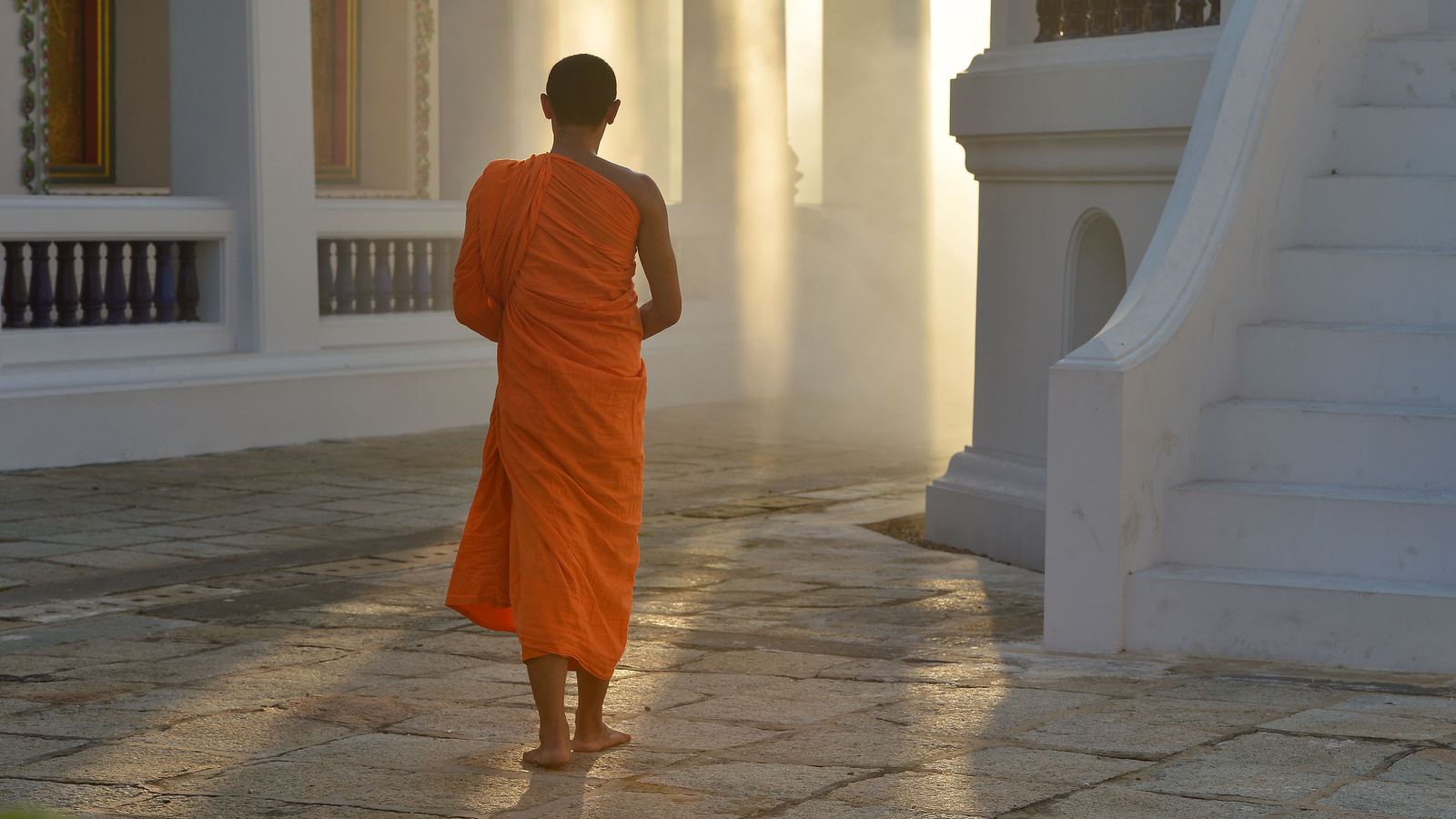
From the 1980s, travellers exploring the Gulf islands started taking the long boat ride to Koh Tao. They found simple bungalows, empty beaches and some of the clearest water in Thailand. The first dive schools opened, and through the 1990s and 2000s diving turned Koh Tao into one of the busiest places in the world to learn to dive.
Today the island is home to a few thousand residents, Thai and foreign, and welcomes visitors from all over the world. Tourism is the main income, especially diving. With growth came new challenges: water, waste and protecting the reefs. Many local groups, schools and dive centres now run coral restoration, turtle and clean-up projects. You can join some of them: see conservation and volunteering.
For temples, customs and useful Thai phrases, read Koh Tao culture and etiquette.
"Koh Tao" means Turtle Island in Thai. The name is linked to the island's shape seen from the sea, and green and hawksbill turtles still live around it.
Yes. From 1933 to 1947 it was used as a political prison. In 1947 the prisoners received a royal pardon and the island was emptied.
A boulder at Jor Por Ror, between Mae Haad and Sairee, where King Chulalongkorn carved his initials during his visit on 18 June 1899. It is still a sacred place.
Backpackers started arriving in the 1980s, and diving made the island famous in the 1990s.
Checked in November 2026. Things change on a small island: confirm locally before you go.