Koh Tao dive sites / Aow Leuk
Aow Leuk: Koh Tao's Sheltered Bay for Beginners and Snorkellers
A white-sand bay on the south-east coast where juvenile reef sharks, easy training dives and a small artificial reef share calm water.
Koh Tao dive sites / Aow Leuk
A white-sand bay on the south-east coast where juvenile reef sharks, easy training dives and a small artificial reef share calm water.
Aow Leuk (also written Ao Leuk) is the easy-going bay of Koh Tao's south-east coast. If you search for the Aow Leuk dive site on Koh Tao, you are looking at a curve of white sand, a coral fringe that starts almost at the shoreline, and a wide flat sandy floor that has become the island's classroom for new divers.
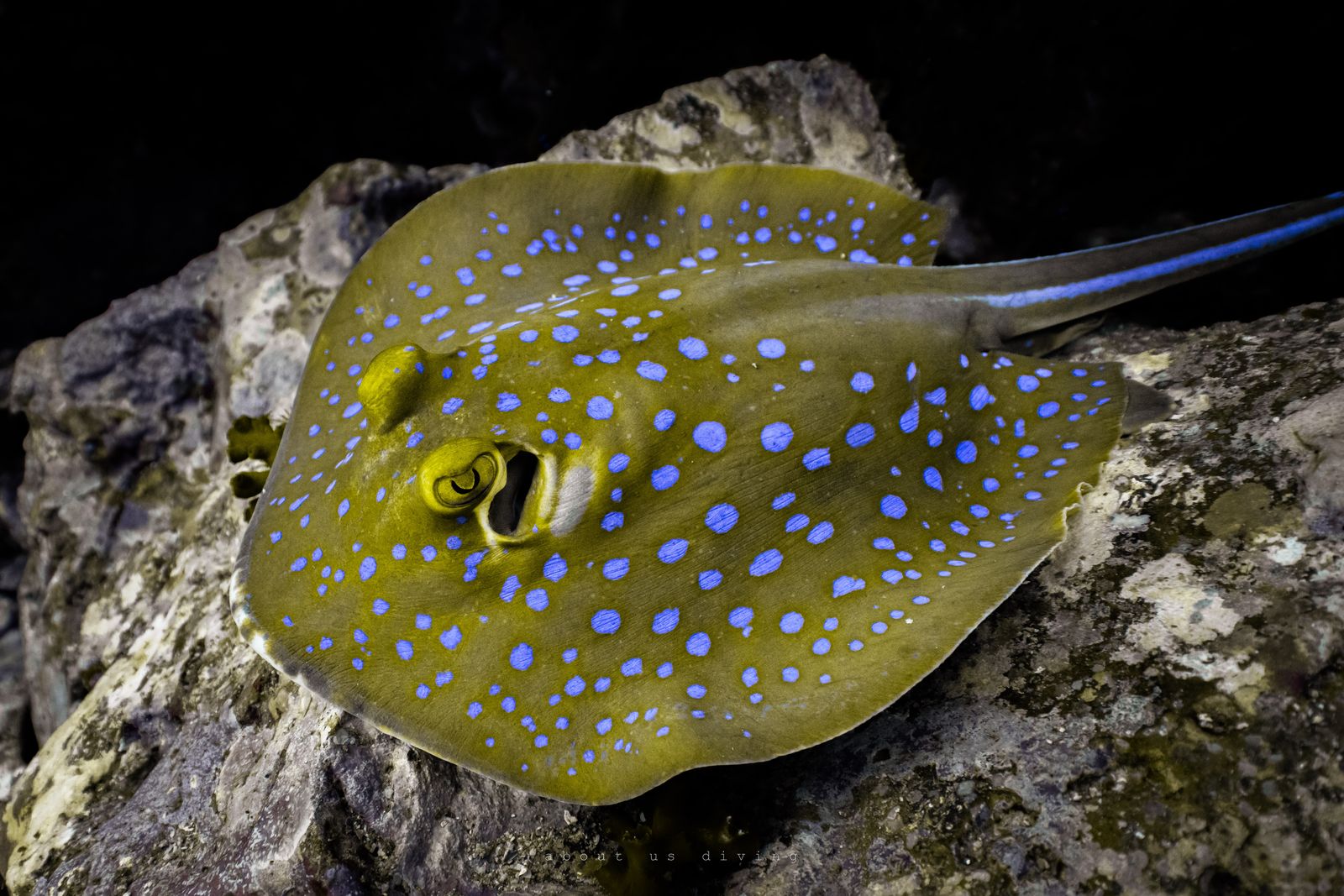
It is also one of the best places on the island to snorkel. Small juvenile blacktip reef sharks patrol the shallows, and because the bay stays calm when the west coast is windy, dive schools, freedivers and snorkel boats all end up here. Boats from the west side usually need around 15 to 20 minutes to reach it, and you can also walk in from the beach.
A typical dive starts from the beach or the boat and follows the northern reef at 5 to 10 m. The coral here is a mix of staghorn, table and boulder heads, with giant barrel sponges and Christmas tree worms sitting on the boulders.
From there you cross the sand to the artificial reef at around 14 to 16 m, spend some time looking around the structures, and then swim back along the reef for the safety stop. Skills sessions for courses stay on the sand and do not go this far.
If you only have time for one thing, make it the shallow reef on the northern side. It is where the coral and the juvenile sharks are, and it is shallow enough to stay down for a long time.
The northern side has a fringing reef that rises from a few metres and slopes down to about 10 m. A broad band of sand separates it from a rockier southern end, where granite boulders reach roughly 12 to 15 m. Some guides call that southern corner Hin Ngam.
Out on the sand at around 14 to 16 m is the Suan Olan artificial reef: a reef pyramid, concrete modules and a sunken model of a mini car. Coral nursery frames run by conservation groups are also set in the bay. The map on this page is schematic, so treat the positions as a guide rather than a survey.
The bay is protected, so there is very little current. That is why it works as a fallback when the west coast is rough. June to September, when the west side is windier and boats move east, is a natural time to come, and February to May is good for general clarity.
Late October to December is the weakest stretch. The north-east monsoon can make the east side rough, and run-off cuts visibility. Because the bottom is sandy and shallow, visibility also drops after heavy rain or when divers stir up the sand. Neighbouring sites such as Shark Island and Hin Ngam are usually quoted at 10 to 25 m.
Aow Leuk is used for Discover Scuba, Open Water skills, buoyancy practice and refreshers. Freediving courses run here too, and the calm water suits yoga classes on the surface. Reef-monitoring dives also happen in the bay.
The depth is gentle, from the surface down to roughly 16 to 18 m at the deepest part of the sand and artificial reef. Exact numbers vary with the tide and where you measure.
Because the water is so calm, it is also a good place to try a first snorkel before you commit to a boat trip somewhere deeper.
Tour boats pass over the shallow reef, so surface with a marker and stay aware of traffic. Scorpionfish blend in with the reef, so look before you put a hand down. Shallow coral is easy to damage, so good buoyancy matters more here than depth skills.
Small juvenile blacktip reef sharks are often seen in the shallows, especially early or late in the day. They are shy and not dangerous if you keep your distance.
From the surface down to roughly 16 to 18 m at the sand and artificial reef. The average dive depth is closer to 8 m.
Entering from the beach usually means a small fee, paid in cash. Arriving by boat avoids the fee.
Yes. The sheltered sandy bay is one of Koh Tao's main training and Discover Scuba sites, with almost no current.
It is a group of reef structures on the sand at about 14 to 16 m, including a pyramid, concrete modules and a sunken mini-car model. It was started around 2010, and conservation groups have added more structures since.
A compact, shallow reef of granite boulders and coral restoration structures in a sheltered corner of the south-east coast.
5 to 25 mA rarely visited cluster of big boulders, corals and sea whips on the south-east coast.
0 to 28 mA granite islet off the south-east tip, wrapped in soft corals, sea fans and turtles.
to 36 mA retired tech-diving liveaboard resting on the sand at 34 to 36 m, just beyond Shark Island.
Learn to dive
Koh Tao is one of the best places in the world to learn to dive: warm, calm water, sites a short boat ride away and schools for every style. Here are the courses most schools offer and the dive schools we know and trust. Schedules, course length and prices are set by each school.
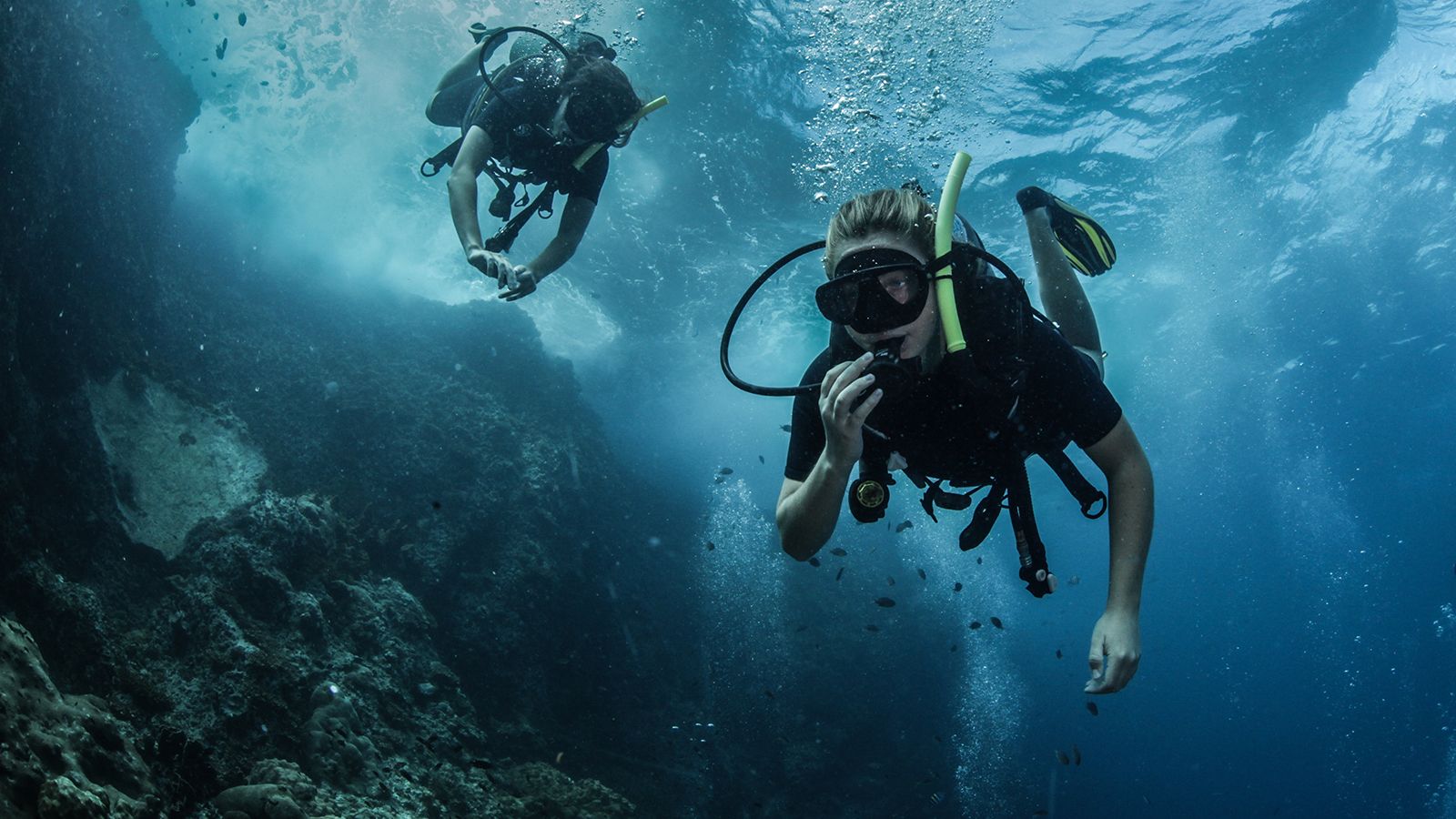
PADI 5-Star · Sairee
PADI 5-Star IDC on Sairee Beach: small groups, every level, taught in seven languages.
Full guide →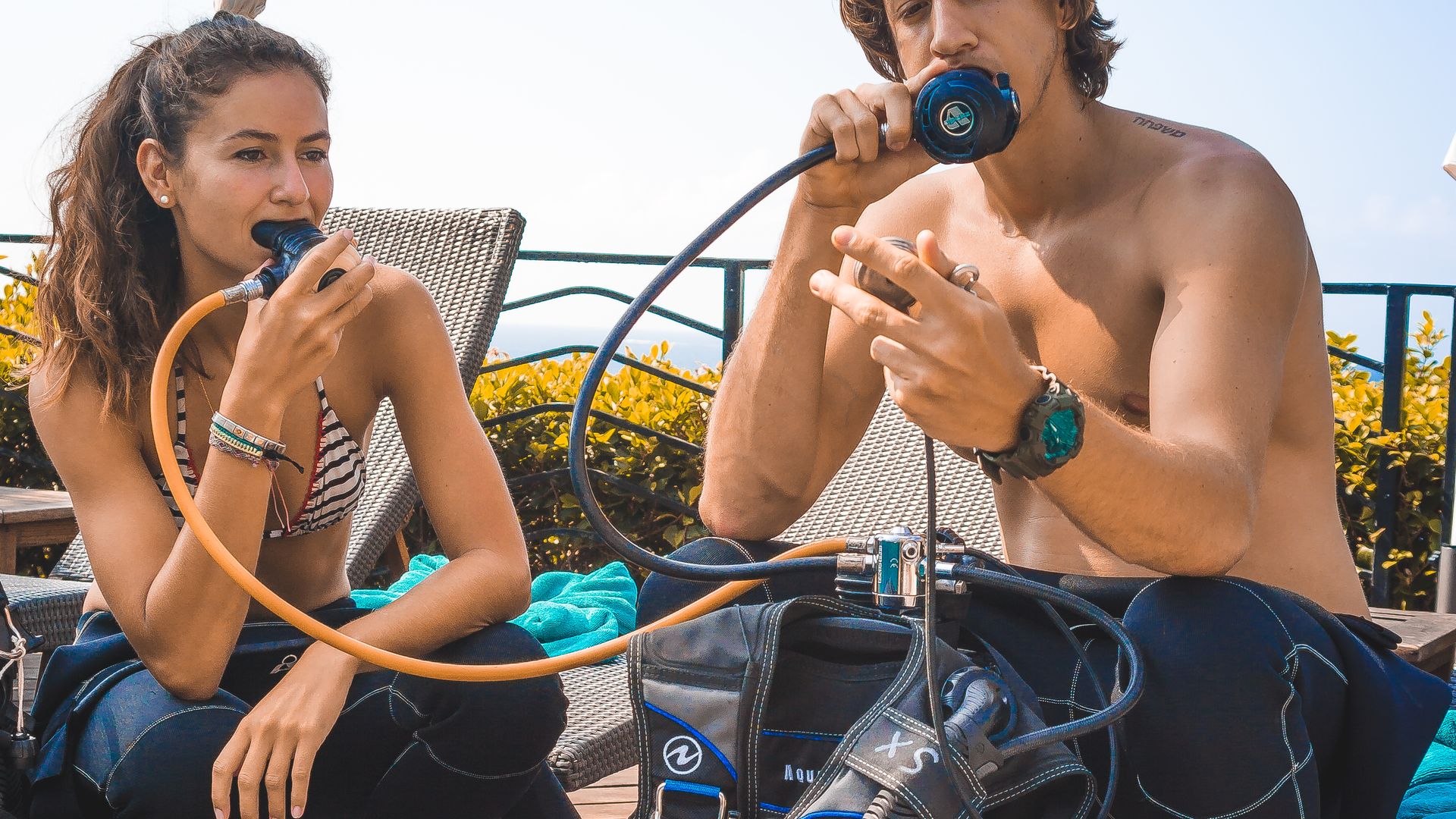
Private club · South coast
Very small classes, a training pool and boats straight from the resort pier.
Full guide →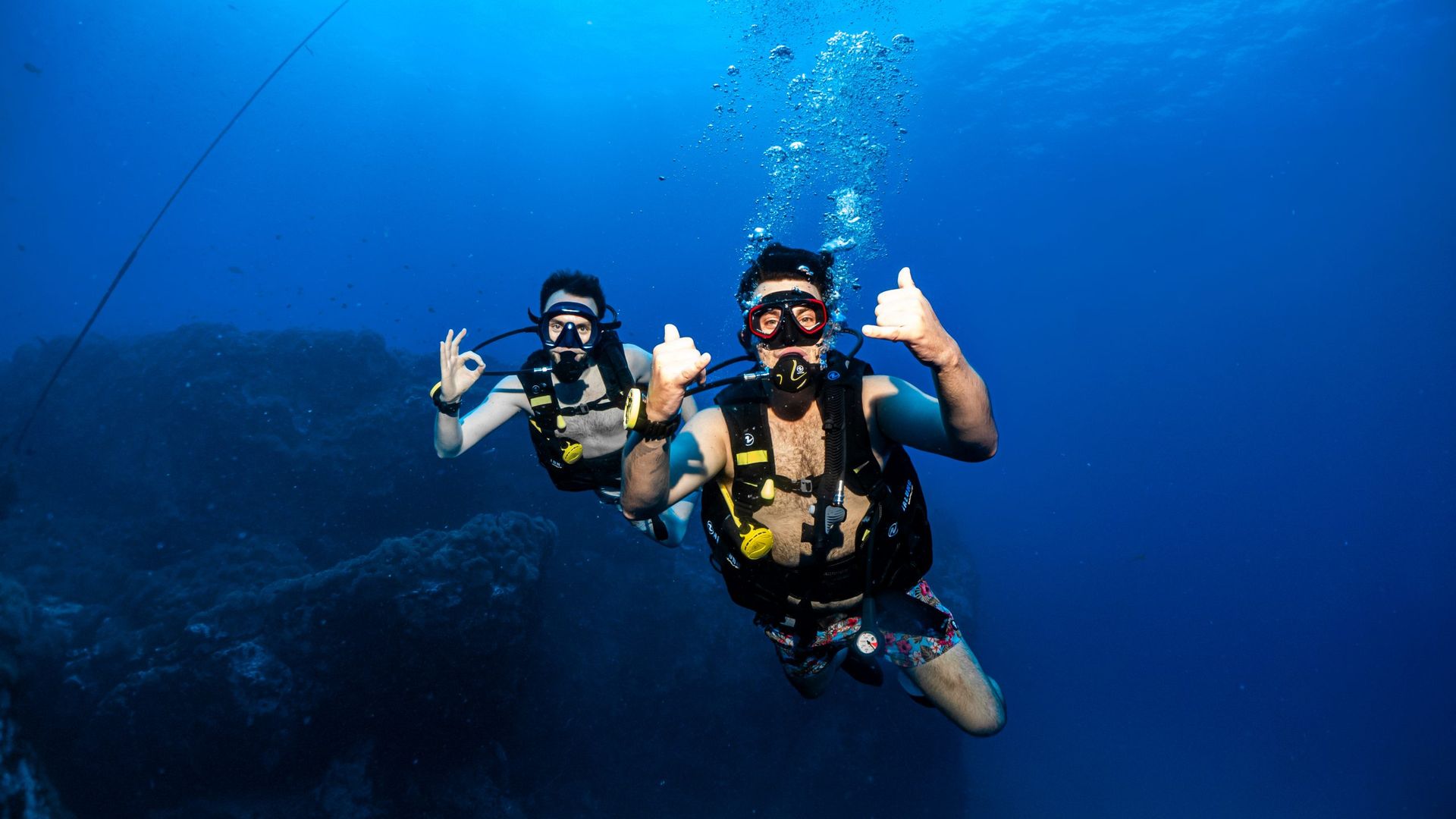
Dive school · Mae Haad
Groups of four, two minutes from the pier, from Open Water to instructor.
Full guide →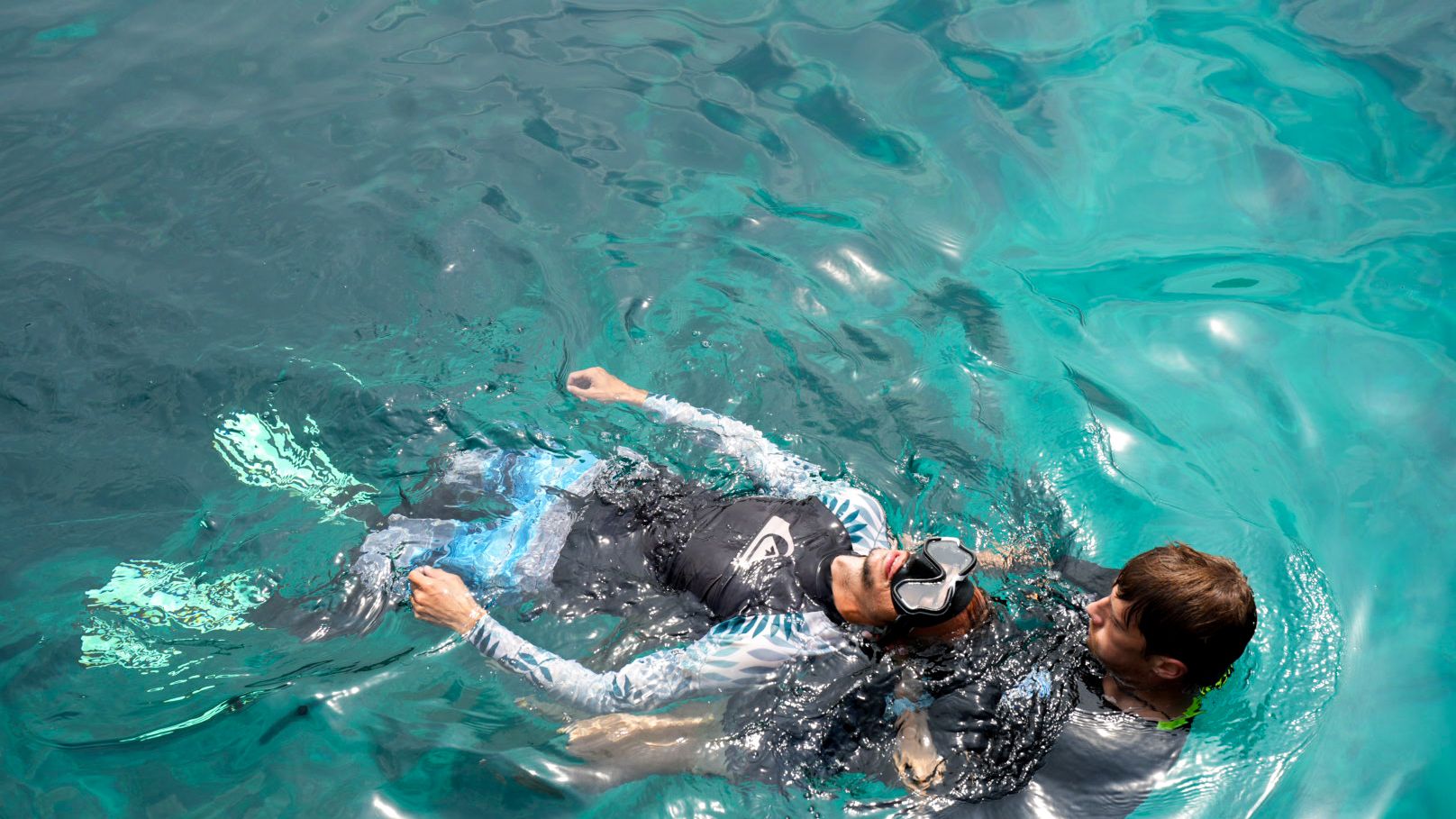
French dive school · Mae Haad & Chalok
Courses in French since 2012: SSI and CMAS / FFESSM, groups of four, first dive to instructor.
Full guide →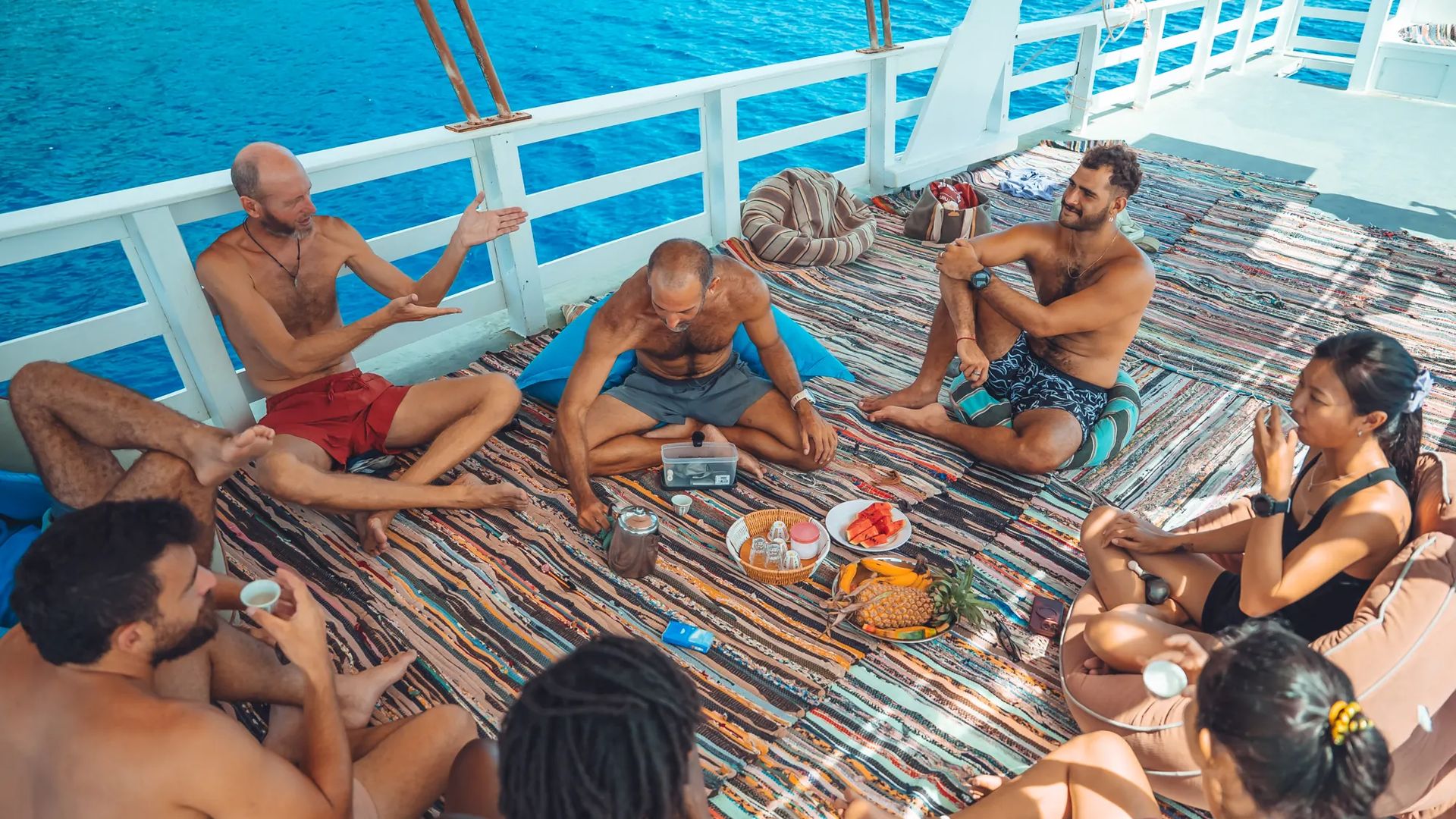
Freediving & yoga · Mae Haad
Learn to freedive on one breath, with breathwork and yoga in a sea-view shala.
Full guide →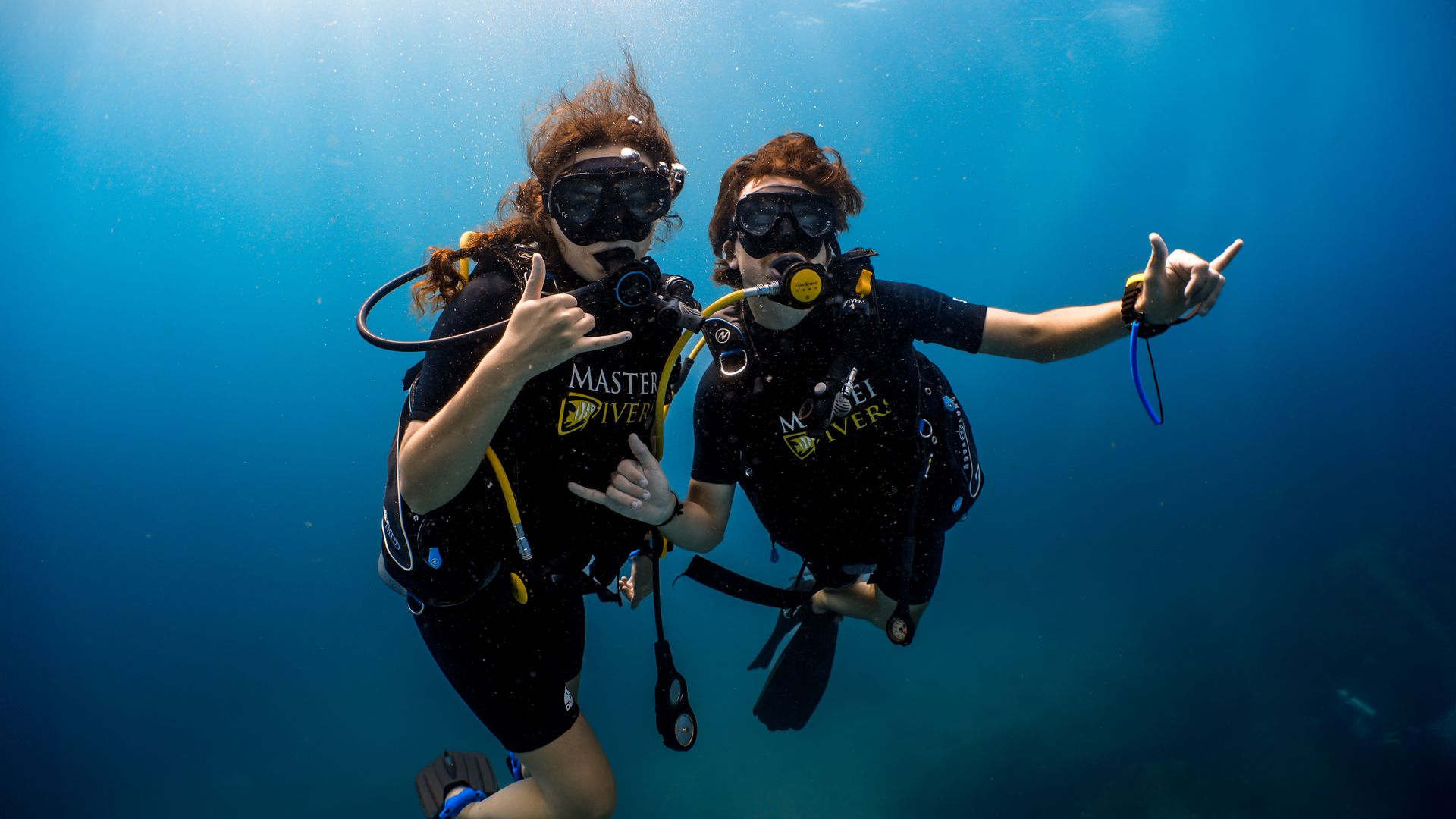
PADI 5-Star CDC · Mae Haad
One of the island's most established dive centres, with a focus on pro training.
Full guide →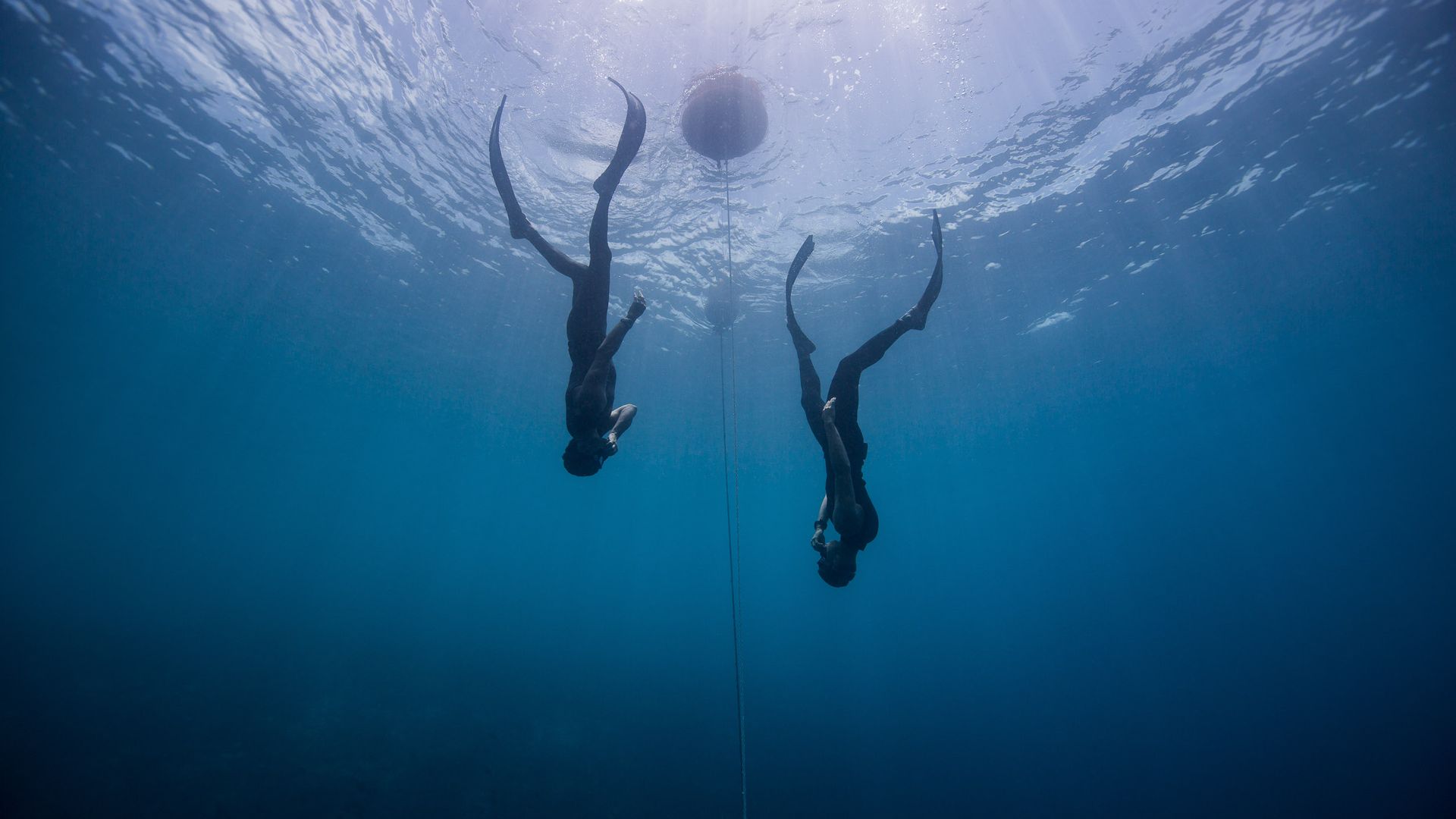
Freediving · Sairee
Personal freediving courses with experienced instructors off Sairee Beach.
Full guide →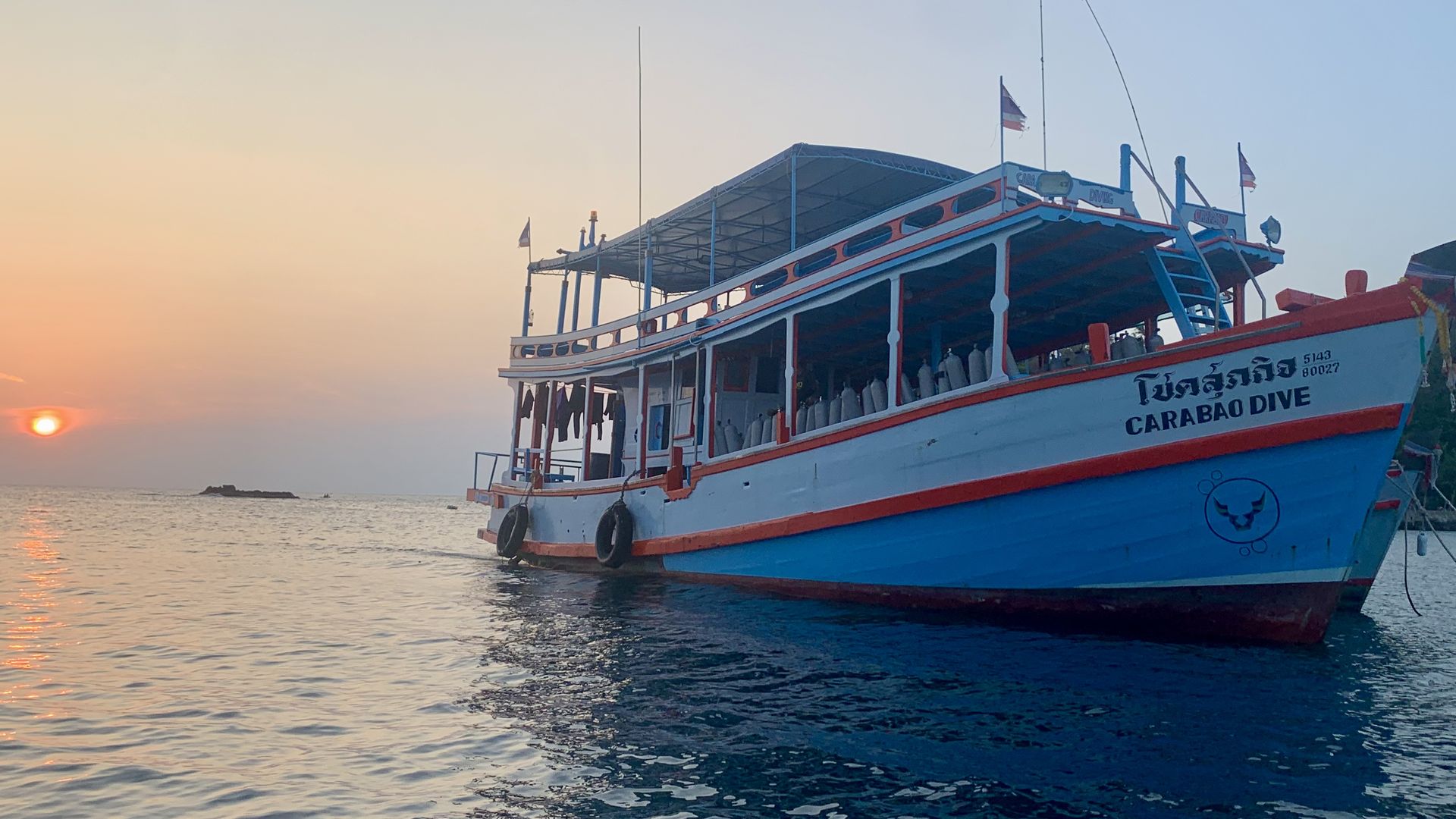
SSI dive resort · Chalok
Dive and stay in the quiet southern bay of Chalok.
Full guide →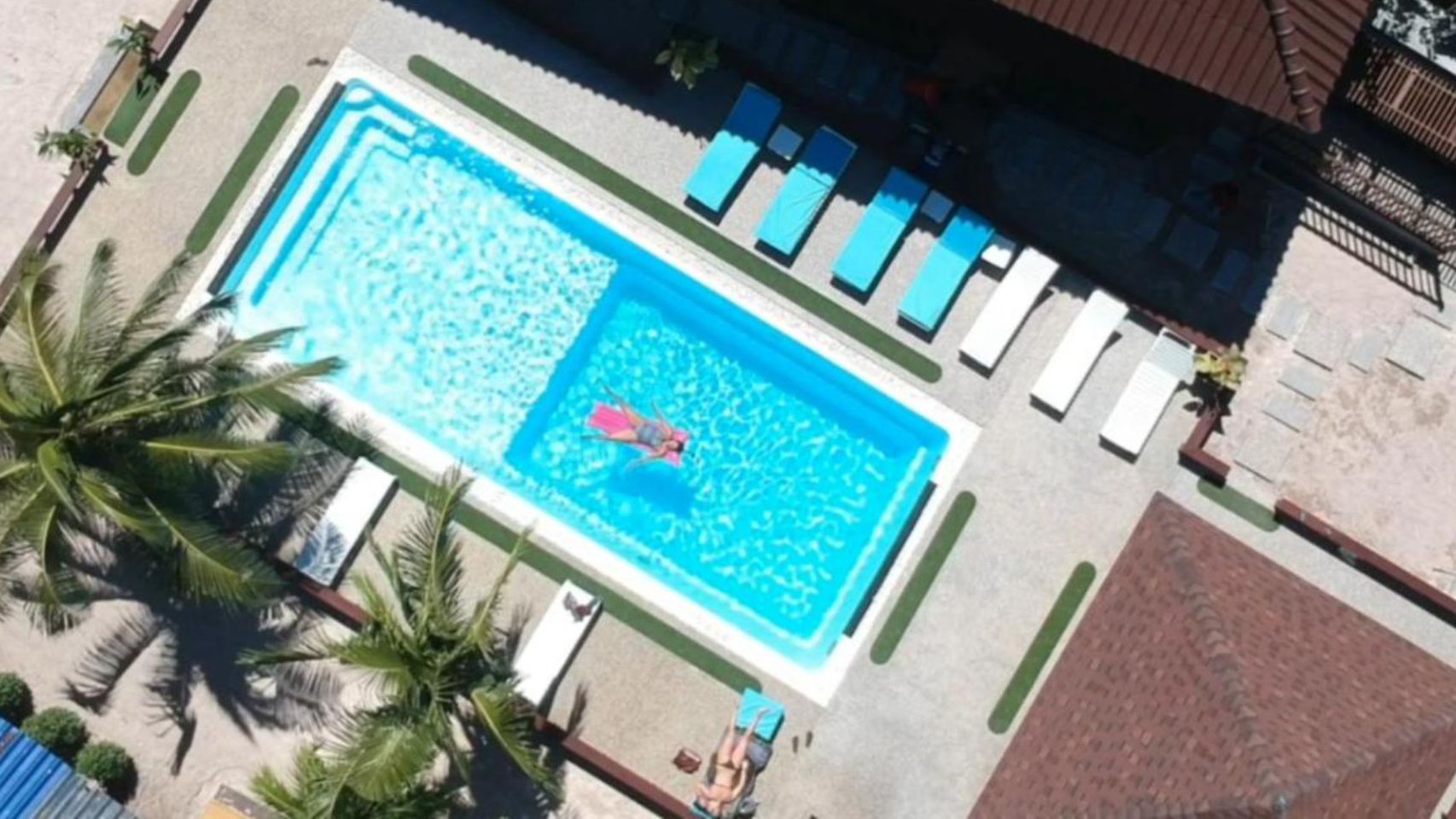
PADI dive resort · Chalok
Courses and fun dives with a resort to stay at, in Chalok.
Full guide →Also on the island: DPM Diving and dozens more. See every dive centre on Koh Tao →