Blog / Protect Koh Tao's reefs
Protect the reef How to look after Koh Tao's coral: a visitor's guide
Why we never stand on coral, why snorkel boats don't hand out fins, and which sunscreen to pack before you get in the water.
Blog / Protect Koh Tao's reefs
Why we never stand on coral, why snorkel boats don't hand out fins, and which sunscreen to pack before you get in the water.
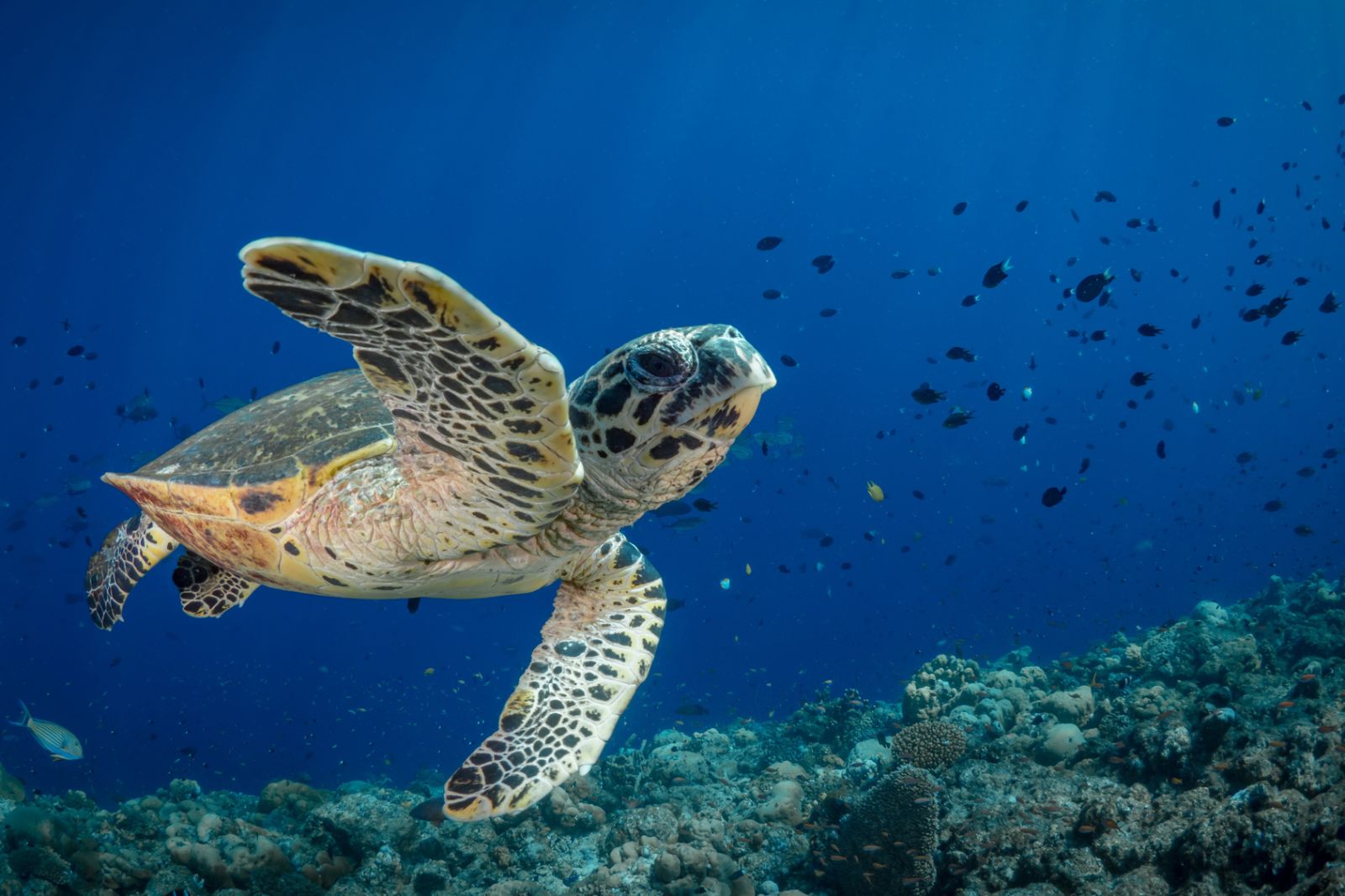
Koh Tao is small, about 21 square kilometres, but it is one of the busiest places in the world to learn to dive. More than 80 dive operators work here, and in high season up to 3,000 visitors can arrive in a single day. Almost all of them come for the same thing: the coral reefs, and the turtles, reef sharks, parrotfish and nudibranchs that live on them.
Those reefs are tougher than they look, but they are not unbreakable. The good news is that nearly everything that hurts them is easy to avoid. Here is what every visitor should know before getting in the water.
Coral is a living animal. A reef grows only a few millimetres to a couple of centimetres a year, so a piece the size of your hand can be decades old.
Koh Tao's reefs have survived several mass bleaching events, when warm water makes corals lose the algae that feed them. In 2010, the bleaching lasted more than five months. On some shallow reefs, such as Chalok Baan Kao, up to 68% of the corals died, and average coral cover around the island fell from about 41% to 27%, according to surveys by New Heaven Reef Conservation Program. The reefs recovered over the following years, but every extra stress, from a broken branch to a cloud of sunscreen, makes the next recovery harder.
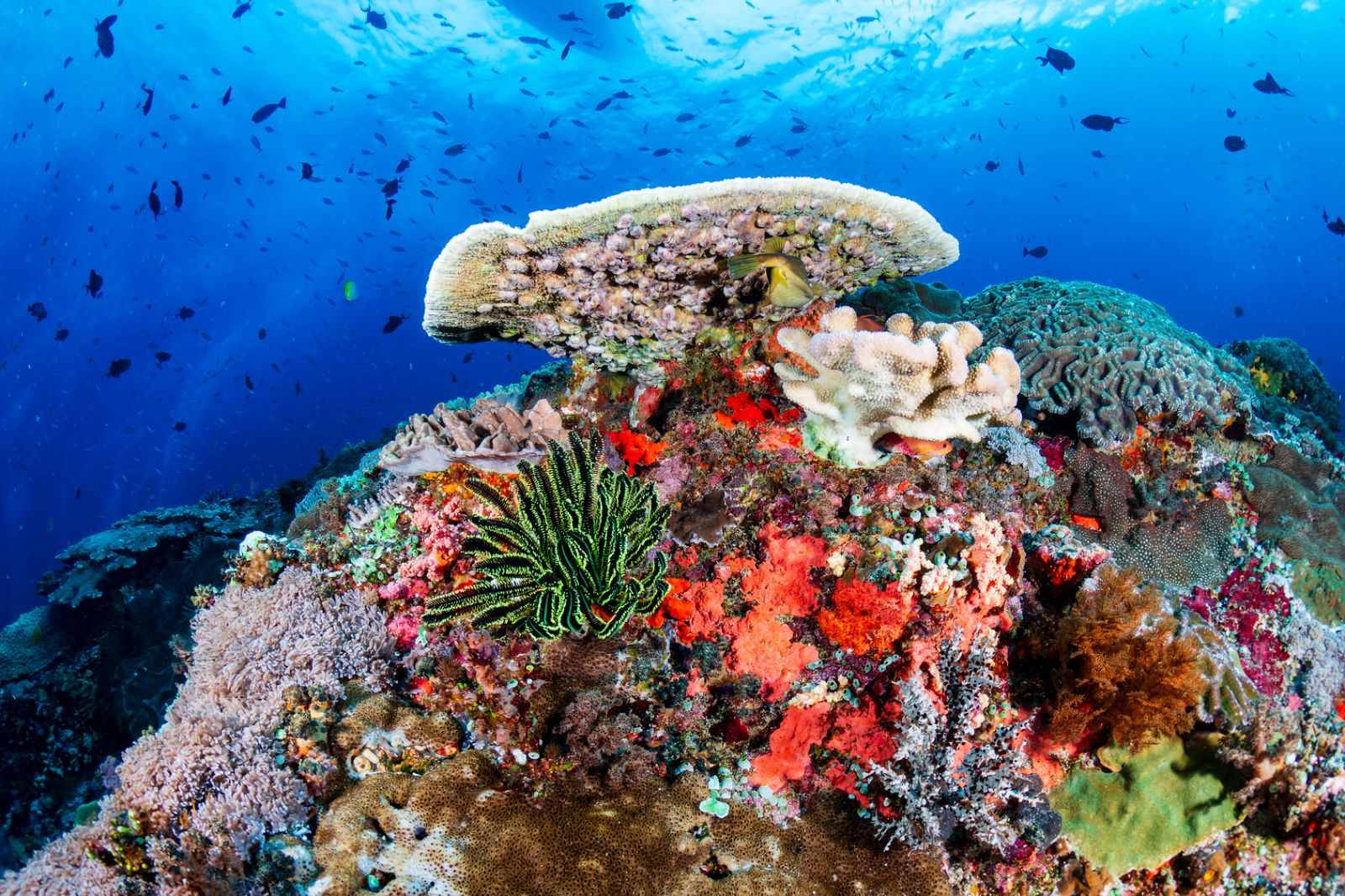
That's also why the island's community is so active. In 2020, UNEP and Thailand's Department of Marine and Coastal Resources named Koh Tao as an island with a strong community committed to protecting its coral.
This is the most important rule on Koh Tao. Coral is covered in a thin layer of living tissue. When you stand on it, kneel on it or grab it, you crush or scrape that tissue, the coral gets infected, and it can die. Branching corals snap like glass under a person's weight. One tired snorkeller standing up to fix a mask can destroy something that took 50 years to grow.
“One tired snorkeller standing up to fix a mask can destroy something that took 50 years to grow.”
Many first-time visitors are surprised when their snorkel boat hands out a mask, a snorkel and a life vest, but no fins. That's on purpose.
Fins are long, and most people who don't dive have never learned to use them. Beginners tend to kick downwards, "bicycle" with their legs or stand up in shallow water. With fins on, every one of those kicks reaches a lot further than your feet would, and it hits coral you can't see behind you. Fins also stir up sand, and that sediment settles on the coral and smothers it.
On a busy reef with dozens of snorkellers, that adds up to a lot of broken coral every single day. Without fins, snorkellers float higher, move more gently and stay above the reef. If you join a guided snorkel trip, such as the five-island tour with Sangthong Tours, your guide will show you where to float and which spots to keep away from.
⚖️ Thailand's rules
Thailand's newer diving and snorkelling rules, in effect since 22 April 2025, back this up. Snorkellers near reefs must wear a life vest unless they hold a freediving certificate, divers must stay at least two metres above coral, and kicking up sediment with poor fin control is banned.
If you are a certified diver or freediver, fins are part of your kit, and that's fine: you have been trained to keep your fins up, your body flat and your buoyancy under control. If you're not sure of your skills, a refresher dive is the best gift you can give the reef.
Every time you swim, some of your sunscreen washes off into the water. Multiply that by thousands of swimmers a day in the same few bays and it becomes a real problem for the reef.
Several common sunscreen filters are toxic to coral. The best known are oxybenzone (also called benzophenone-3) and octinoxate (ethylhexyl methoxycinnamate). In laboratory studies, oxybenzone damaged the DNA of young coral, caused deformities in coral larvae and made coral bleach, even at very low concentrations. Coral larvae are the next generation of the reef, so this matters most for recovery after bleaching.
Since August 2021, sunscreens containing oxybenzone, octinoxate, 4-methylbenzylidene camphor (4-MBC) or butylparaben are banned in all of Thailand's marine national parks, under the National Park Act 2019. The fine is up to 100,000 baht, and the parks department repeated the warning in October 2025. That includes Ang Thong Marine National Park, the most popular overnight boat trip from Koh Tao. Koh Tao itself isn't a national park, but its reefs need the same care, and most dive and snorkel boats here ask for reef-safe sunscreen only.
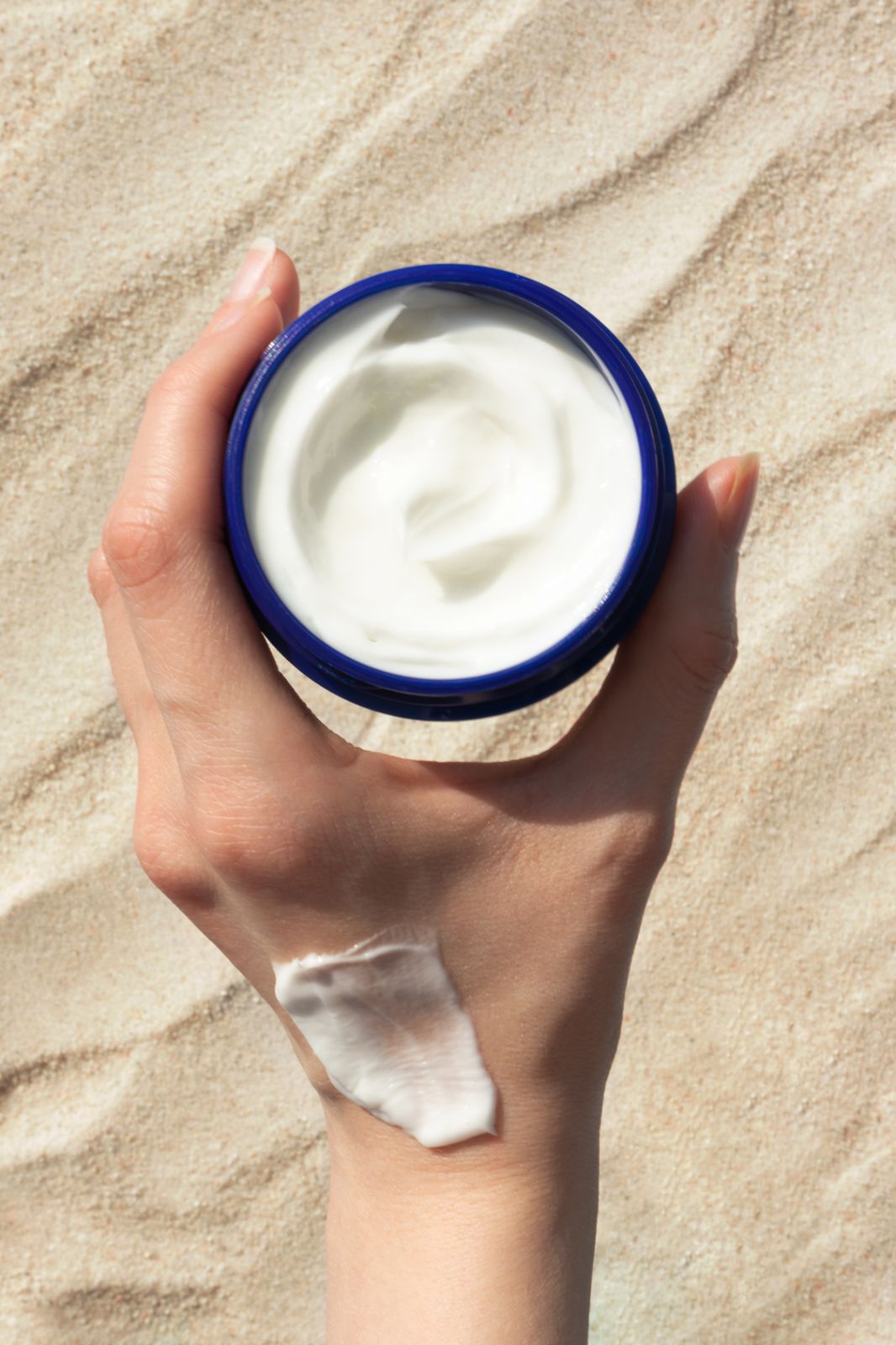
These brands make mineral sunscreens without the banned filters. Check the label of the exact product, as some brands also sell non-mineral lines.
Shops on Koh Tao and the dive centres sell reef-safe sunscreen too, but choice can be limited and prices are higher than on the mainland. If you can, buy it before you take the ferry. And the best protection of all is clothing: a rash vest or a long-sleeved swim shirt and a hat mean you need far less sunscreen in the first place.
You don't need to bring one from home. Many of the shops along the main road in Mae Haad sell rash vests and long-sleeved swim shirts, and the island's dive equipment shops stock good-quality ones for adults and kids:
A rash vest also protects you from jellyfish stings and scrapes, and it lasts for years: one of the best things you can buy for the reef and for your skin.
Turtles, reef sharks, rays, pufferfish and the tiny nudibranchs on the rocks are the reason most people come here. Look as much as you like, but keep your hands to yourself.
It can feel harmless to stroke a turtle's shell or poke a sea cucumber, but our hands are not clean to the sea. Even after a swim, your skin carries bacteria, natural oils, and traces of sunscreen, insect repellent and lotion. Reef animals have never met these, and their bodies aren't built to fight them.
Throwing bread or snacks to the fish makes for a fun photo, but it causes real problems.
Want to know what you're looking at? Our Koh Tao marine life guide covers the turtles, sharks, fish and coral you're most likely to meet, and why Koh Tao is called Turtle Island tells the story of the island's most famous residents.
Kayaking and stand-up paddle boarding are a wonderful way to see Koh Tao. You can glide over clear water, explore quiet bays and look down at the reef without getting wet. But the sea here isn't a swimming pool, so think honestly about your experience and fitness before you set off.
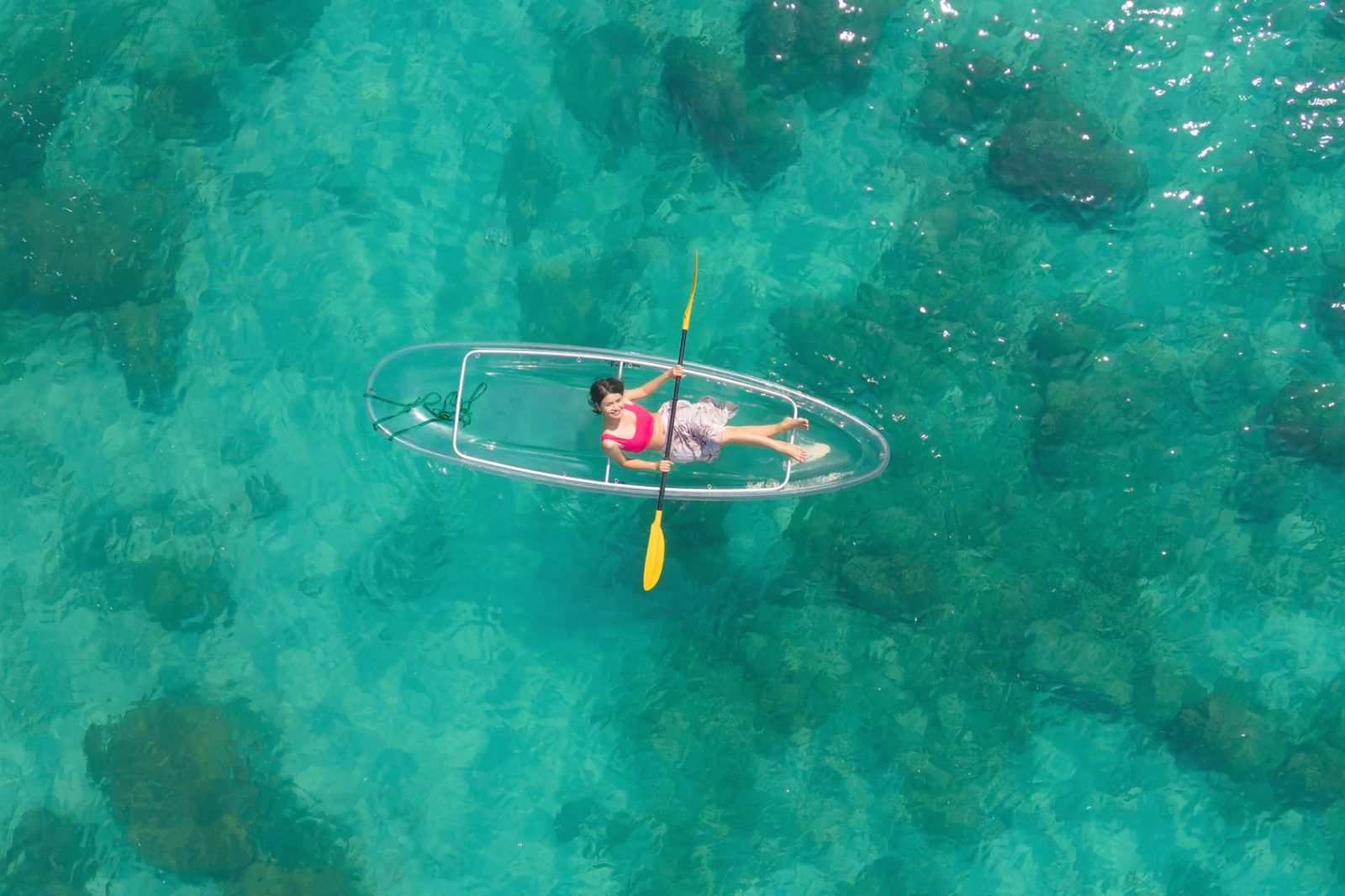
Not sure? A guided kayak or paddle board trip is the easiest way to enjoy it safely, and your guide will know where the currents are.
Koh Tao has one of the most active conservation communities in Thailand, and visitors are welcome to join in. See also our guide to conservation and volunteering on Koh Tao.
Divers can go further with a conservation course. Popular options on the island include the Ecological Monitoring Program (a few days of learning to survey the reef, with your data added to the island's long-term records), PADI AWARE, Dive Against Debris and shark conservation specialties. Many dive schools also offer Reef Check courses, and some run artificial reef projects you can see on a dive, like the Biorock structures at Hin Fai. Browse the reefs on our Koh Tao dive sites map.
Caring for Koh Tao doesn't stop at the water's edge. The not-for-profit Koh Tao Animal Clinic treats sick and injured stray cats and dogs and the island's pets, and runs a spay and neuter programme with vaccinations to keep the stray population healthy and under control. It relies on donations for surgery and medical care, and visitors are welcome to volunteer their time.
♥ Donate to Koh Tao Animal Clinic
Koh Koh Pups is a volunteer-run dog rescue that takes in stray and abandoned dogs on Koh Tao, pays for their food, medical care and sterilisation, and finds them new homes on the island and abroad. You can visit, volunteer, sponsor a dog or even adopt one.
Look after the reef, and it will look after Koh Tao.
Sources: New Heaven Reef Conservation Program reef surveys; Thailand's Department of National Parks (sunscreen ban, 2021 and 2025); Ministry of Natural Resources and Environment diving rules (April 2025); TAT News. Photos: Adobe Stock.
Checked in November 2026. Things change on a small island: confirm locally before you go.