Koh Tao dive sites / Buoyancy World
Buoyancy World Koh Tao's Artificial Reef and Training Site
A purpose-built reef of concrete sculptures and obstacles, a short swim north of Twins.
Koh Tao dive sites / Buoyancy World
A purpose-built reef of concrete sculptures and obstacles, a short swim north of Twins.
Buoyancy World is Koh Tao's purpose-built artificial reef and training site, on the sand just north of Twins off the west coast of Koh Nang Yuan. Dive schools, local government and businesses built it so that students could practise hovering and trim without touching natural reef. If you are looking for the Buoyancy World dive site on Koh Tao, this is the place to polish your skills.
It is shallow, usually calm and easy to understand, with concrete sculptures of a giant octopus, sharks, turtles and fish spread across the sand, plus tunnels, hoops and an obstacle course. It is aimed at Open Water level divers and works well for refreshers and for the Peak Performance Buoyancy course.
Think of it as a classroom on the seabed. It was deliberately placed close to Twins to draw student traffic away from the natural pinnacles, and it has become a useful stop for divers of all levels who want to check their weighting and trim in a safe, forgiving place.
Descend onto the sand and swim a circuit through the sculptures, hoops and tunnels, working on hovering, trim and gentle fin technique. There is no set route, which is part of the point: you can repeat the hoops until it feels easy. Afterwards you can swim south across the sand to the Twins pinnacles for a normal reef dive.
Many schools use it this way, as a warm-up before Twins, so it makes sense to spend your first dive of the day here if you feel rusty.
Good exercises include hovering motionless in front of a sculpture for a full minute, passing through each hoop without touching it, and swimming the tunnels with your arms crossed. Neutral buoyancy is the goal: no touching the sand, no sinking, no drifting up. Once the basics feel natural, try the same circuit with a slow, controlled breathing pattern, and see how little your depth changes.
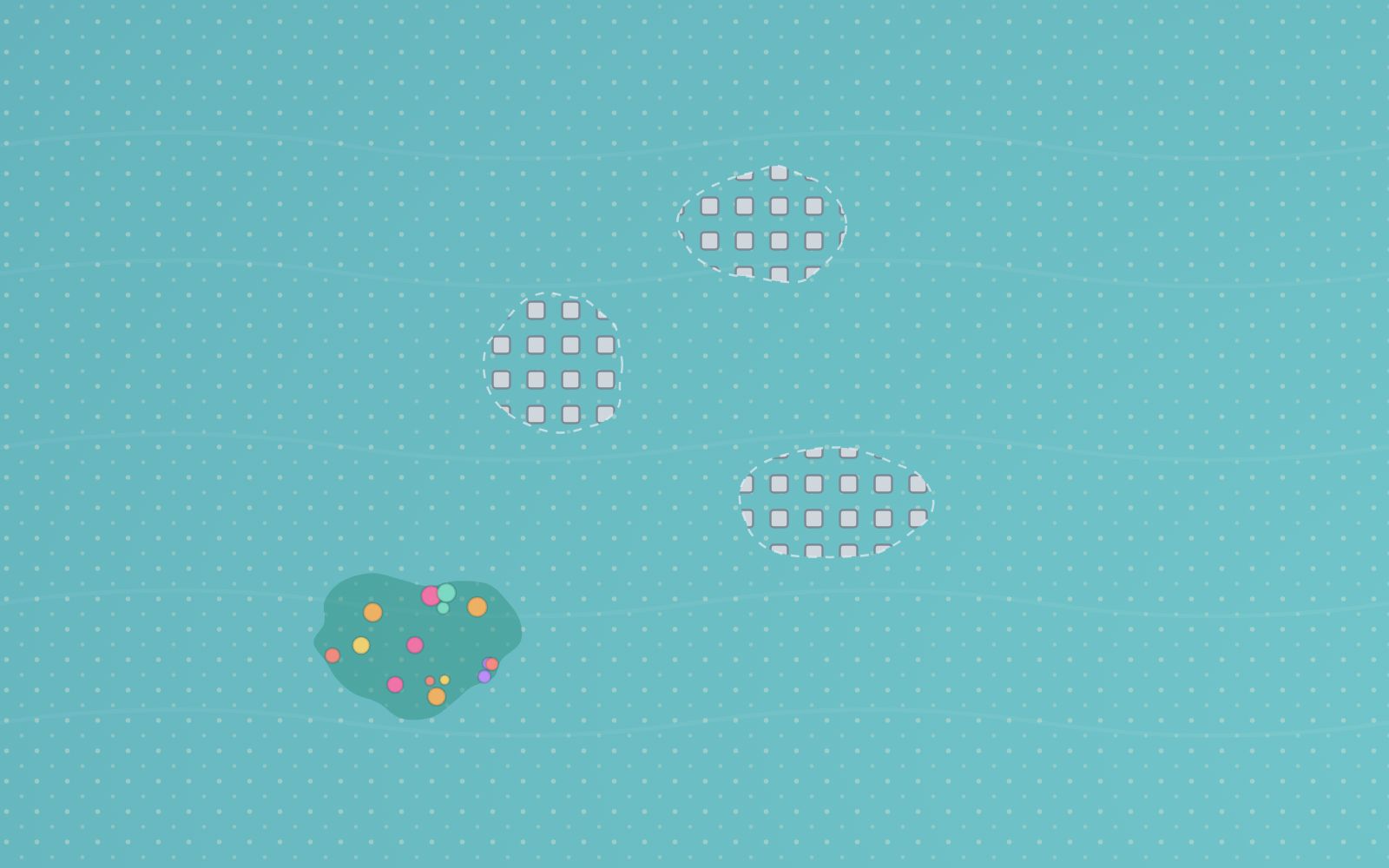
Exact positions inside the site change as new structures are added, so treat the map as a rough guide.
The figures are scattered rather than laid out in a line, so the site is best treated as a loose loop around the open sand. The obstacle course was added after the first sculptures, and the coral nurseries are best admired from a distance.
Fish have moved in around the structures. Batfish, red-breasted wrasse, yellow-spotted goatfish, moon wrasse, parrotfish and juvenile sweetlips are the usual residents. The coral nurseries have grown healthy staghorn coral, which attracts small reef life, and the giant clams in the nursery are worth a look. Turtles pass through now and then.
This is not a big-animal site. It is a place to look closely, watch how the structures have been colonised and enjoy how a community project has turned bare sand into habitat.
Buoyancy World was an island-wide community project, funded and built by Koh Tao's dive schools, the local government and local businesses. Work started around 2009. The aim was to reduce pressure on natural reef during training and to create new habitat and coral nurseries. New structures continue to be added over time.
The site is usually flat with very little current, and visibility is typically about 5 to 20 m. It is a good choice in most months. The June to August monsoon is the only time conditions tend to get rougher, mainly at the surface.
The main hazard is traffic: student divers and training groups share the site, so watch your position. Avoid touching the nursery frames and corals, which are being grown on purpose and are easy to damage. Depth is modest at about 10 to 16 m, but keep to your certification limits as usual.
An artificial training reef just north of Twins, built by the Koh Tao community, with concrete sculptures and obstacles for practising buoyancy.
About 10 to 16 m, on a sandy bottom.
The project began around 2009 and new structures have been added since.
It is an Open Water level site designed for student divers, so Open Water certification, or a student diver with an instructor, is what you need.
A short swim across the sand.
A granite pinnacle west of Twins where the crack, the big fish and a brand-new wreck all share one dive.
5 to 20 mThree granite pinnacles on flat white sand, and the place where thousands of divers log their first proper dives.
16 to 28 mA 45 m Royal Thai Navy fast attack craft, sunk in 2023 and already collecting fish and coral.
1 to 15 mA shallow, sheltered coral bay on Koh Nang Yuan where many divers take their first breaths underwater.
Learn to dive
Koh Tao is one of the best places in the world to learn to dive: warm, calm water, sites a short boat ride away and schools for every style. Here are the courses most schools offer and the dive schools we know and trust. Schedules, course length and prices are set by each school.
PADI 5-Star · Sairee
PADI 5-Star IDC on Sairee Beach: small groups, every level, taught in seven languages.
Full guide →
Private club · South coast
Very small classes, a training pool and boats straight from the resort pier.
Full guide →
Dive school · Mae Haad
Groups of four, two minutes from the pier, from Open Water to instructor.
Full guide →
French dive school · Mae Haad & Chalok
Courses in French since 2012: SSI and CMAS / FFESSM, groups of four, first dive to instructor.
Full guide →
Freediving & yoga · Mae Haad
Learn to freedive on one breath, with breathwork and yoga in a sea-view shala.
Full guide →
PADI 5-Star CDC · Mae Haad
One of the island's most established dive centres, with a focus on pro training.
Full guide →
Freediving · Sairee
Personal freediving courses with experienced instructors off Sairee Beach.
Full guide →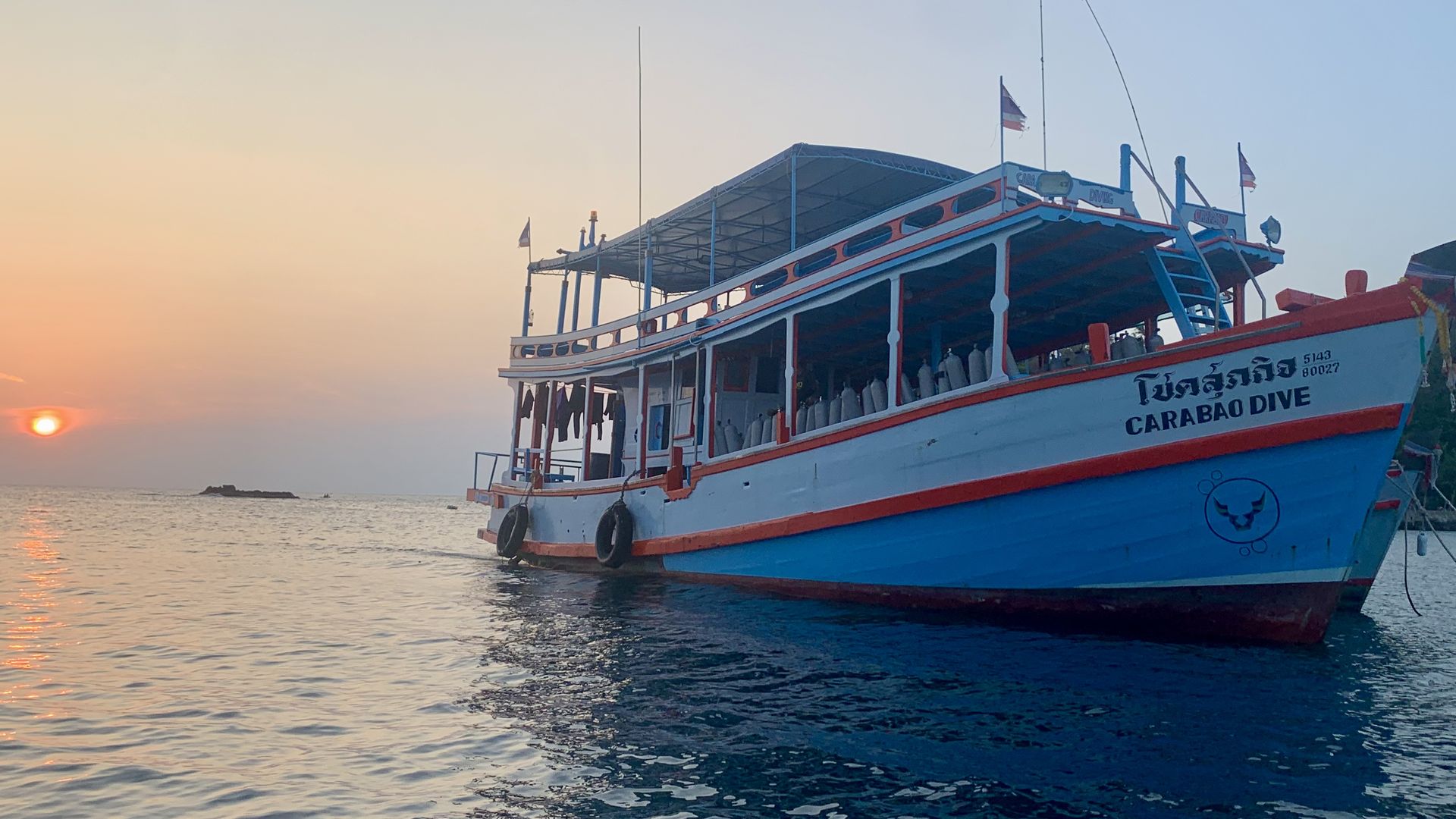
SSI dive resort · Chalok
Dive and stay in the quiet southern bay of Chalok.
Full guide →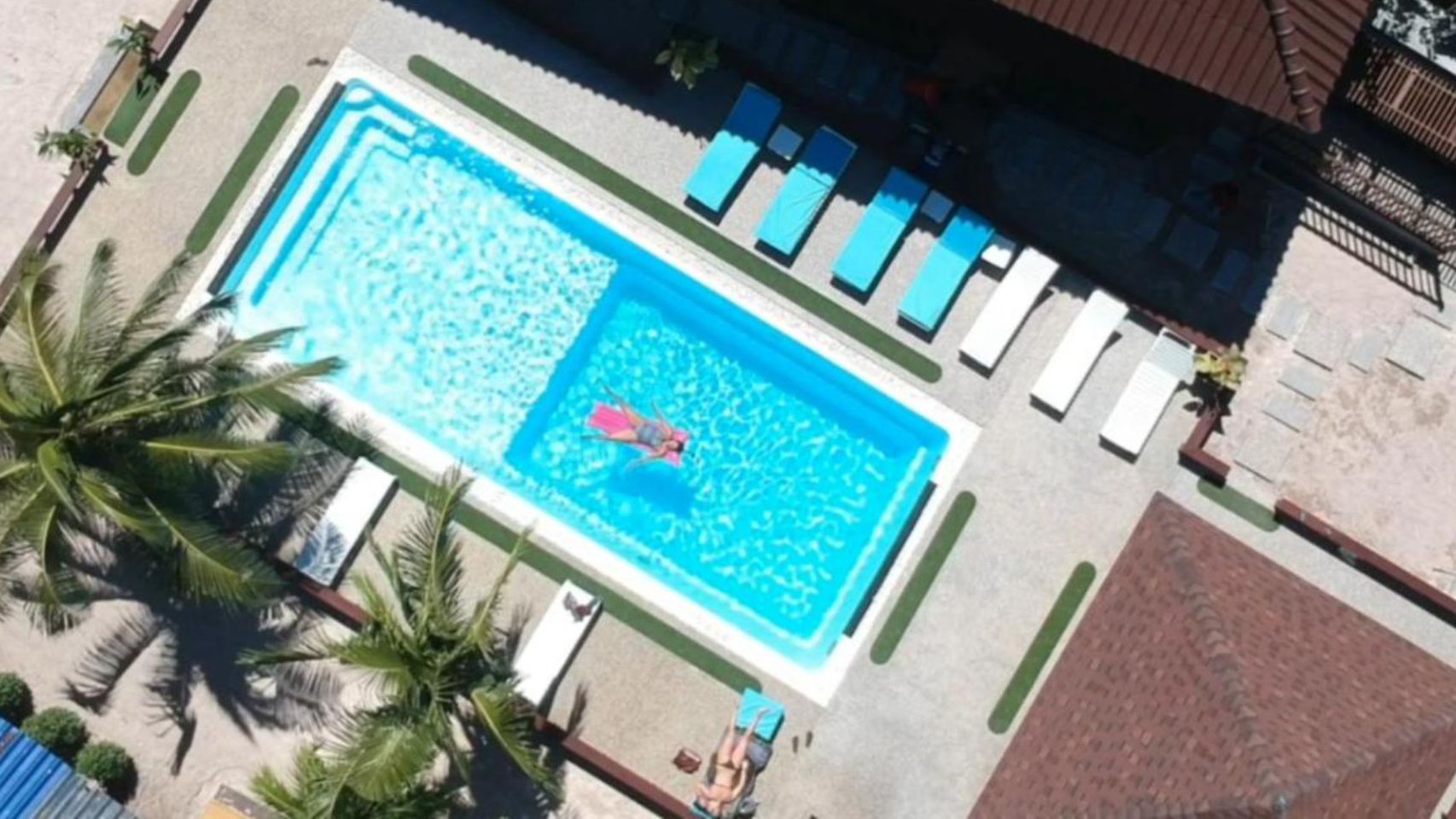
PADI dive resort · Chalok
Courses and fun dives with a resort to stay at, in Chalok.
Full guide →Also on the island: DPM Diving and dozens more. See every dive centre on Koh Tao →