
Koh Tao dive sites / Hin Fai (Biorock)
Hin Fai (Biorock) Koh Tao's Biorock Electric Reef Dive Site
Four swim-through steel domes in about 13 m of water, built by volunteers to help coral grow.
Koh Tao dive sites / Hin Fai (Biorock)
Four swim-through steel domes in about 13 m of water, built by volunteers to help coral grow.
Hin Fai is the home of Koh Tao's first Biorock electric reef, built by volunteers in late September 2008 under the New Heaven Reef Conservation Program. It lies about 250 m off the Sairee side of the island, in roughly 10 to 16 m of water. If you search for Hin Fai Koh Tao or Biorock Koh Tao, this is the site people mean.
It is not a classic fun dive with big fish. It is a conservation site, and the draw is seeing how an experiment in coral restoration looks in real life. Do not confuse it with Sairee Reef, the fringing reef along the beach.
Biorock is a method of growing a reef on a steel frame. A low-voltage current runs through the metal, and dissolved minerals in the seawater build up on the surface as a hard, limestone-like coating. Coral fragments tied to the frames can attach easily, and on Koh Tao they are reported to grow more than 50% faster than normal. They are also said to resist bleaching better.
The idea is simple to picture. Imagine a steel cage underwater with a gentle electrical charge running through it. Over time the minerals harden onto the steel and form a rough surface that coral larvae and tied-on fragments can grip. The metal frame is the skeleton, and the coral does the rest.
Descend the buoy line to the domes, swim through each one in turn, and circle the square formation to look for coral growth. When you are done, ascend slowly over the structures. It is a relaxed dive at a comfortable depth.
The square layout makes navigation simple. Pick one dome as your starting point and work around the square, so you see every structure. Take your time inside each dome, as the side arch and the top opening give you two ways out. Since the structures are only about 4 m tall, even the tops are well below the surface, and you stay comfortably within the 10 to 16 m range of the site.
Four large steel domes sit in a rough square, about 12 m apart, in around 13 m of water. Each is about 4 m high and 6 m across. Every dome has an arch in its side and an opening at the top, so you can swim through them and out.
A smaller control dome with no power sits close by. Comparing it with the powered frames shows the difference in coral growth at a glance. Acropora and Pocillopora corals, plus assorted fragments, cover the structures.
The seabed around the domes is not well described, and the exact position of the control dome relative to the others is not confirmed, so treat the map on this page as a simple sketch.
The structures attract reef fish, and studies on the site reported more fish around them than around bare sand, but the species are not well documented. Expect the corals to be the star: look closely at the fragments on the frames and the new growth between them. Do not expect big pelagics. The domes are about learning and watching a reef develop.
It also helps to know what you are looking for. Branching corals of the Acropora and Pocillopora families are the main types on the frames, and they are the species the project has worked with most.
A 2012 student study reported that the power converter had been off since October 2011 because of a defect. Whether the domes are energised today is not something we can confirm, so ask a dive centre that works with New Heaven before you go. The structures and the corals on them are still worth a visit either way.
Current and visibility are not well documented for this site, so ask your guide on the day. Joining a conservation or coral-ID dive through a dive centre connected to New Heaven gives you the most context.
A steel structure with a low-voltage current that makes minerals build up so corals can attach and grow faster. Hin Fai has four domes built in 2008.
Around 13 m on average, within a range of 10 to 16 m.
A 2012 study reported the converter had been off since October 2011 because of a defect. Ask a local dive centre for the current status.
About 250 m off the north-west coast of Koh Tao, near Sairee.
Volunteers working with the New Heaven Reef Conservation Program, in late September 2008.
A compact cluster of coral-covered pinnacles that rewards a slow dive, and a perfect way to shallow up after the wreck.
1 to 22 mOne of Koh Tao's biggest sites, with two granite pinnacles, a coral garden between them and a famous night dive.
5 to 20 mThree granite pinnacles on flat white sand, and the place where thousands of divers log their first proper dives.
18 to 32 mA 49 m former landing craft, sunk on purpose in 2011, with two big guns and a hull you can look right into.
Learn to dive
Koh Tao is one of the best places in the world to learn to dive: warm, calm water, sites a short boat ride away and schools for every style. Here are the courses most schools offer and the dive schools we know and trust. Schedules, course length and prices are set by each school.
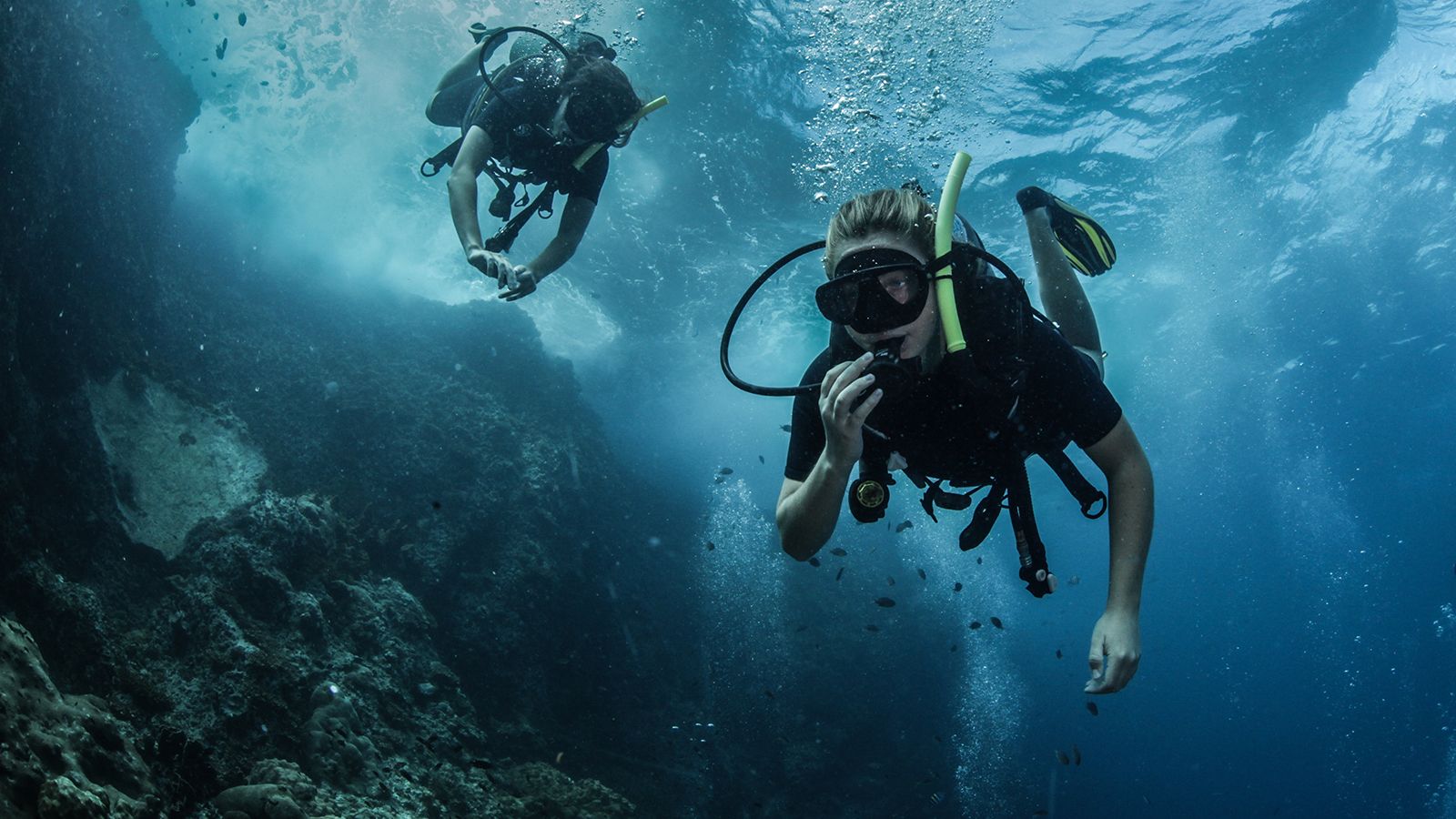
PADI 5-Star · Sairee
PADI 5-Star IDC on Sairee Beach: small groups, every level, taught in seven languages.
Full guide →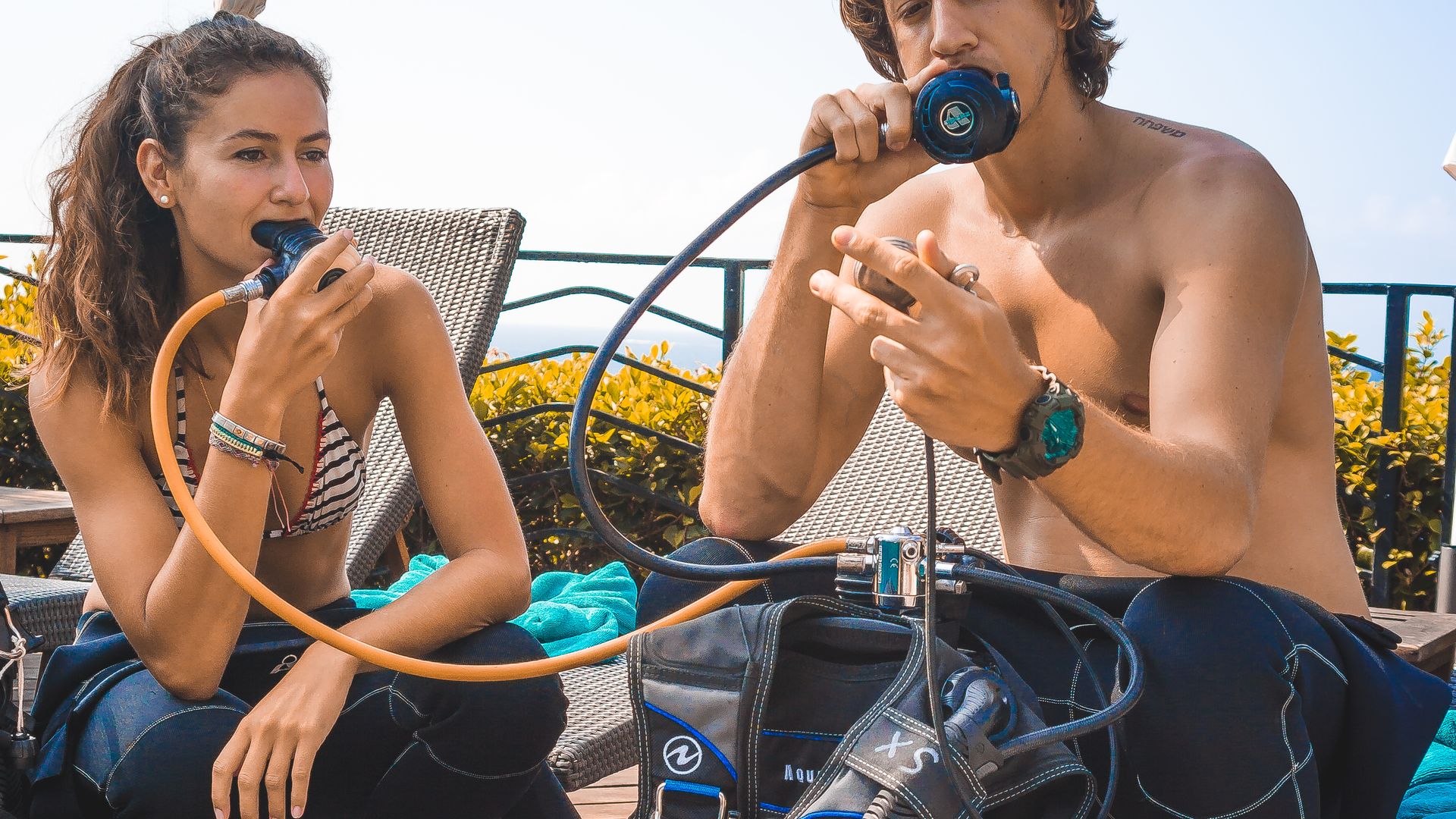
Private club · South coast
Very small classes, a training pool and boats straight from the resort pier.
Full guide →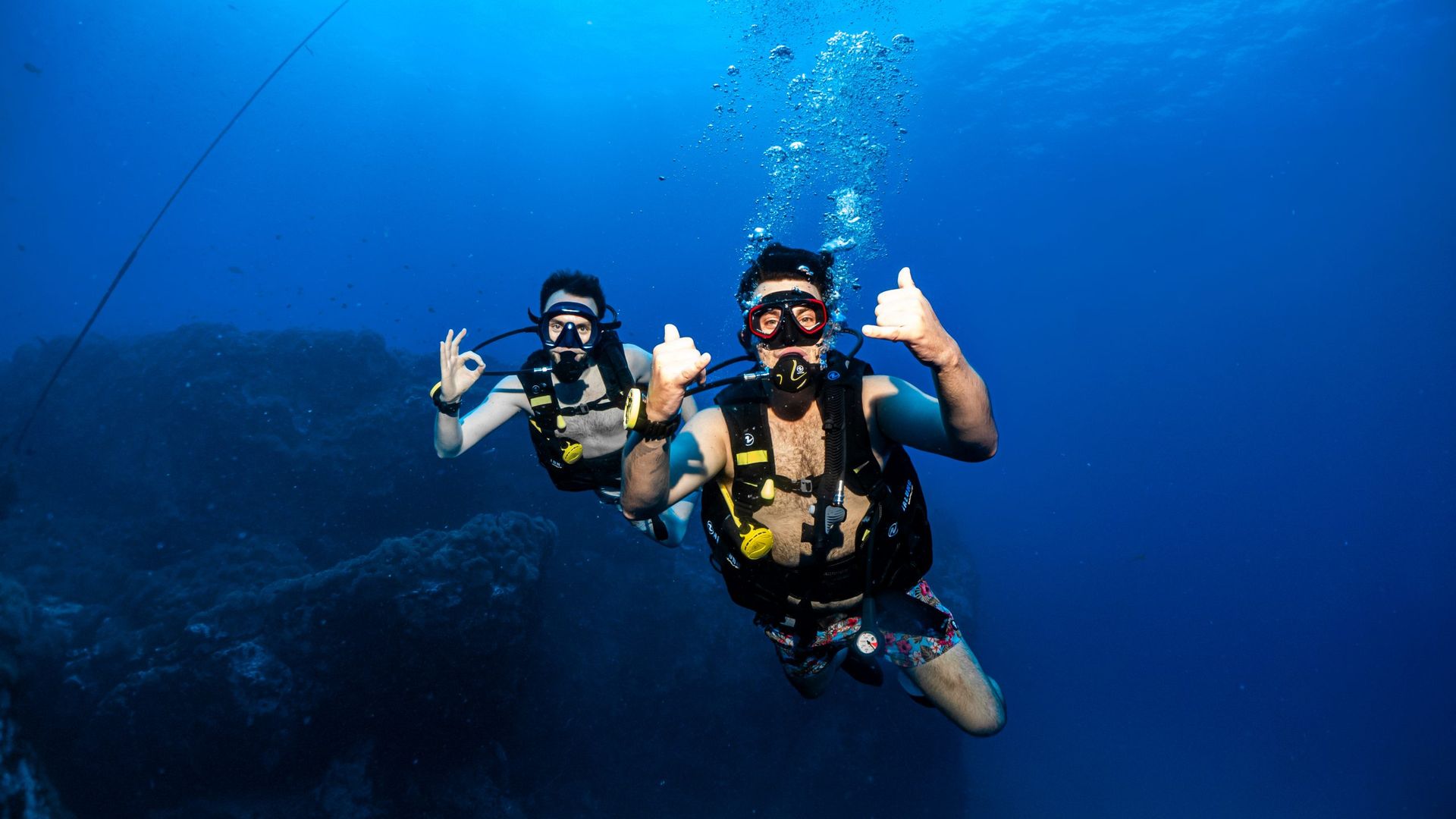
Dive school · Mae Haad
Groups of four, two minutes from the pier, from Open Water to instructor.
Full guide →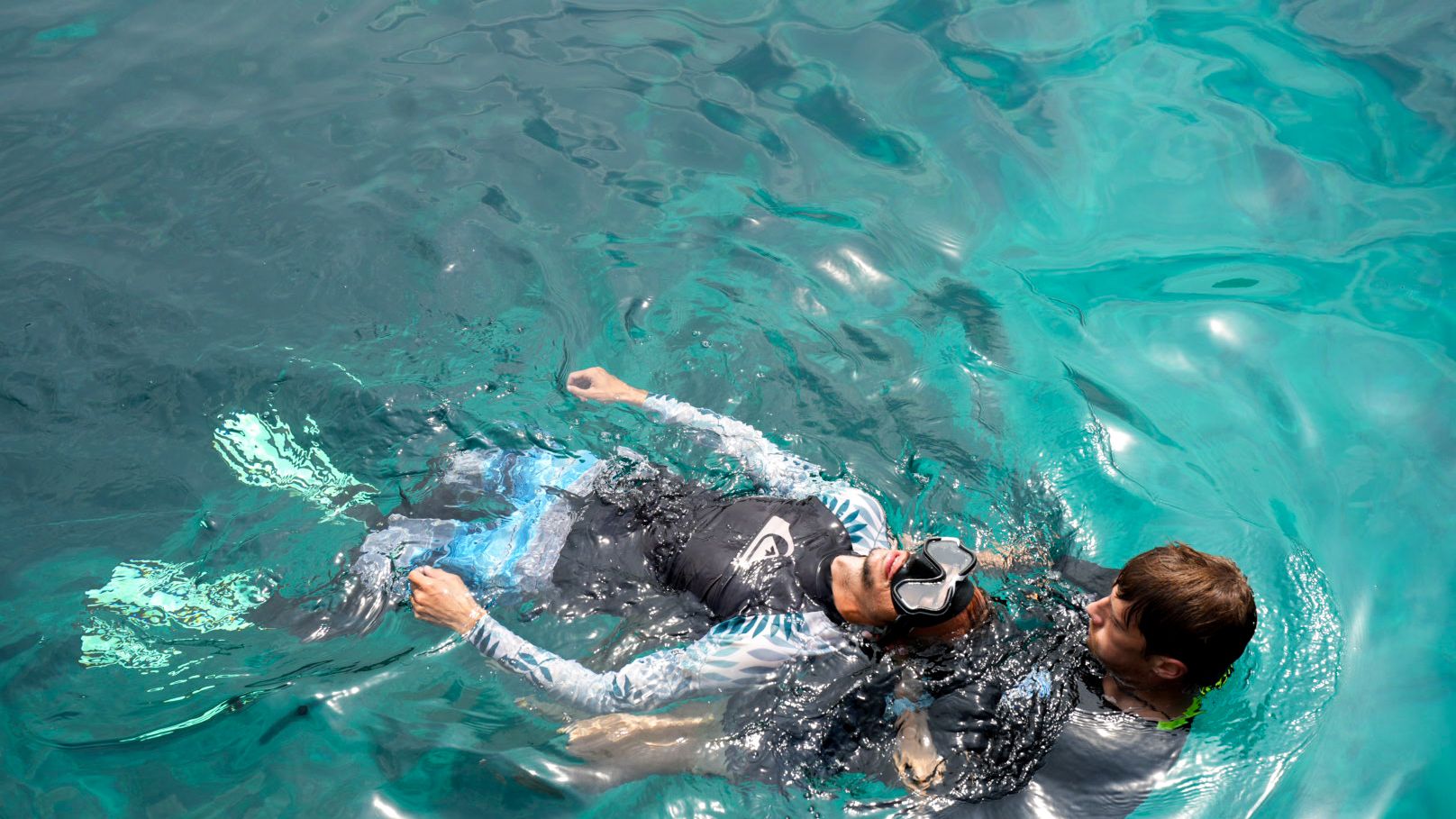
French dive school · Mae Haad & Chalok
Courses in French since 2012: SSI and CMAS / FFESSM, groups of four, first dive to instructor.
Full guide →
Freediving & yoga · Mae Haad
Learn to freedive on one breath, with breathwork and yoga in a sea-view shala.
Full guide →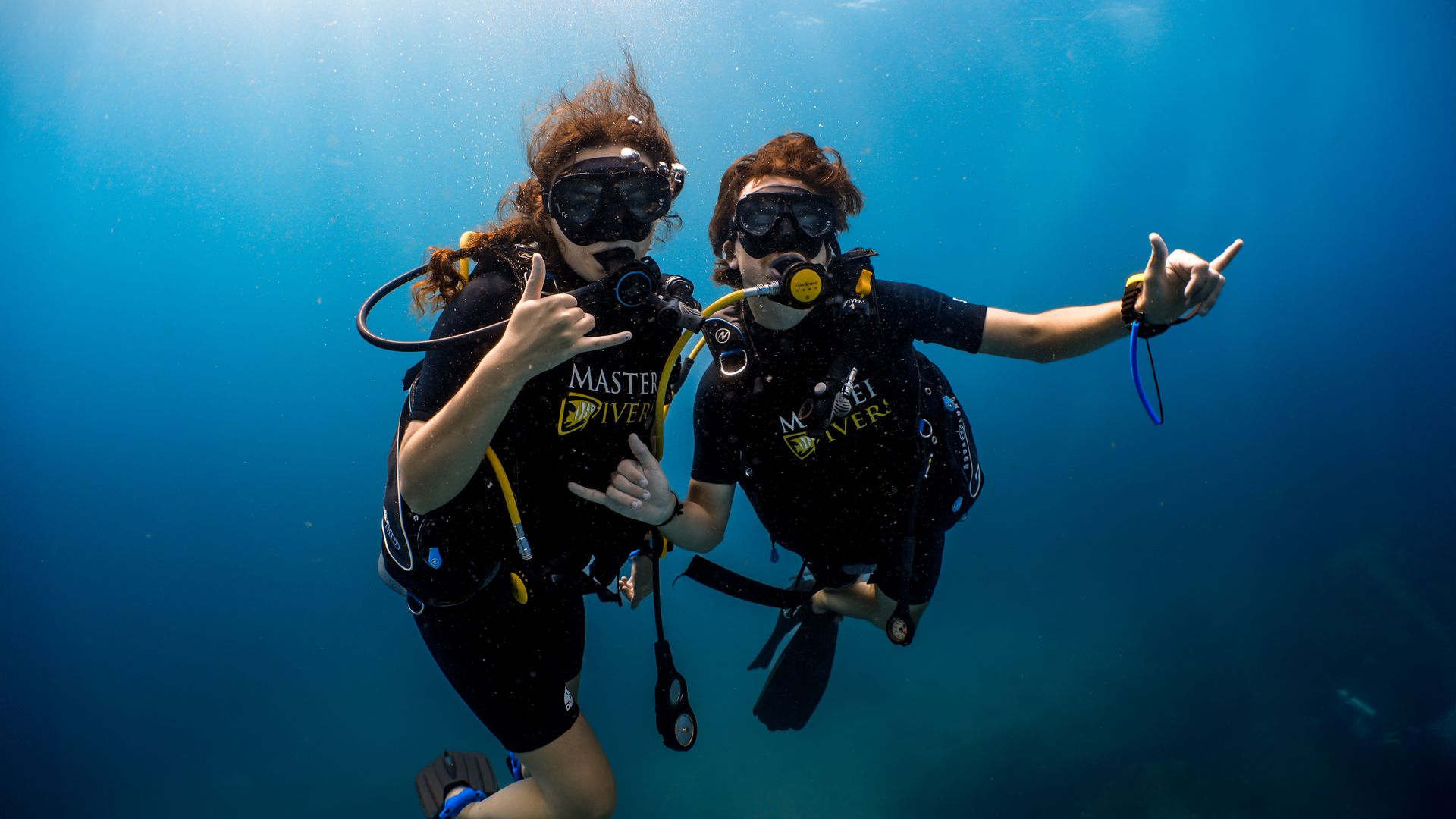
PADI 5-Star CDC · Mae Haad
One of the island's most established dive centres, with a focus on pro training.
Full guide →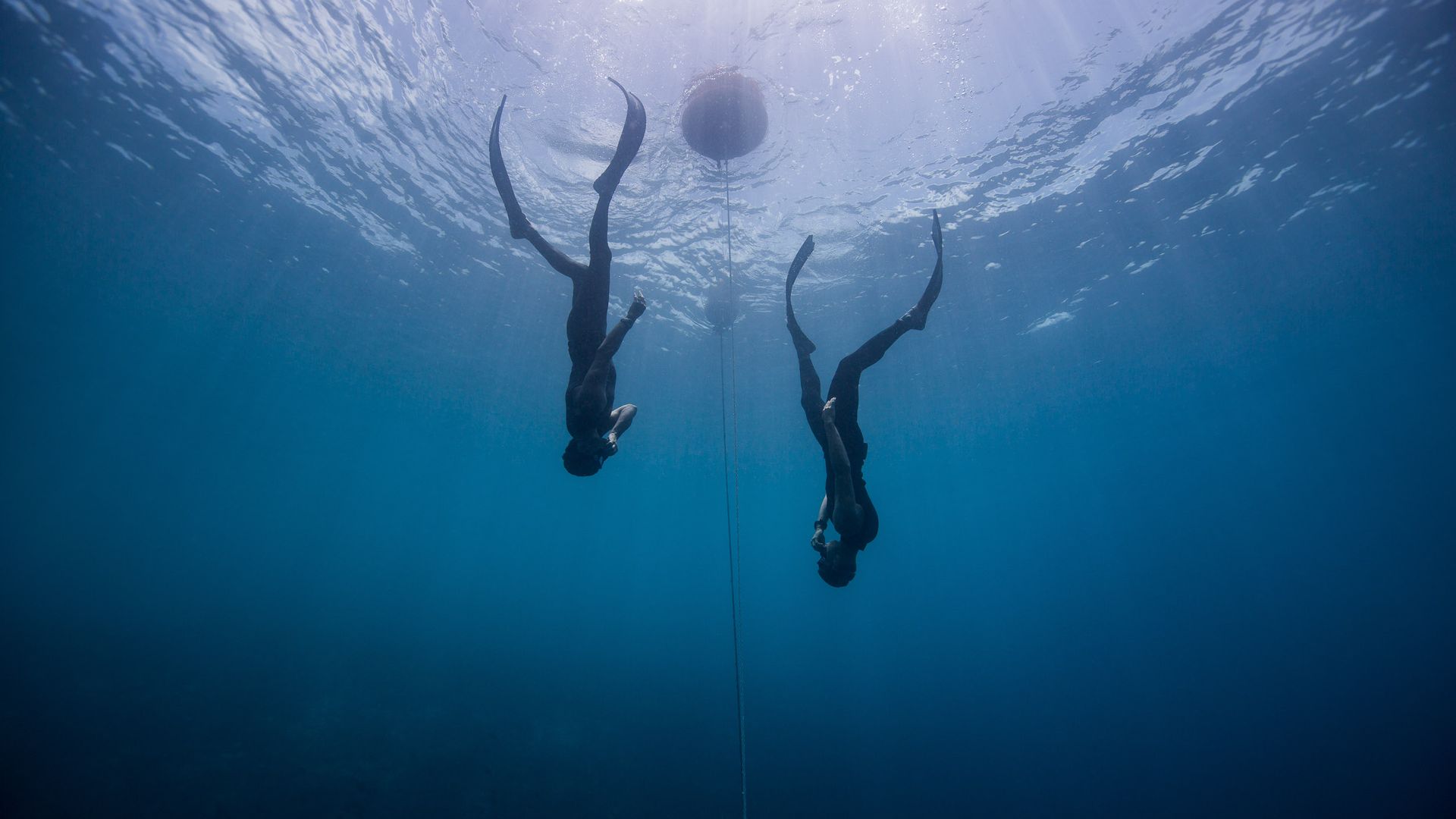
Freediving · Sairee
Personal freediving courses with experienced instructors off Sairee Beach.
Full guide →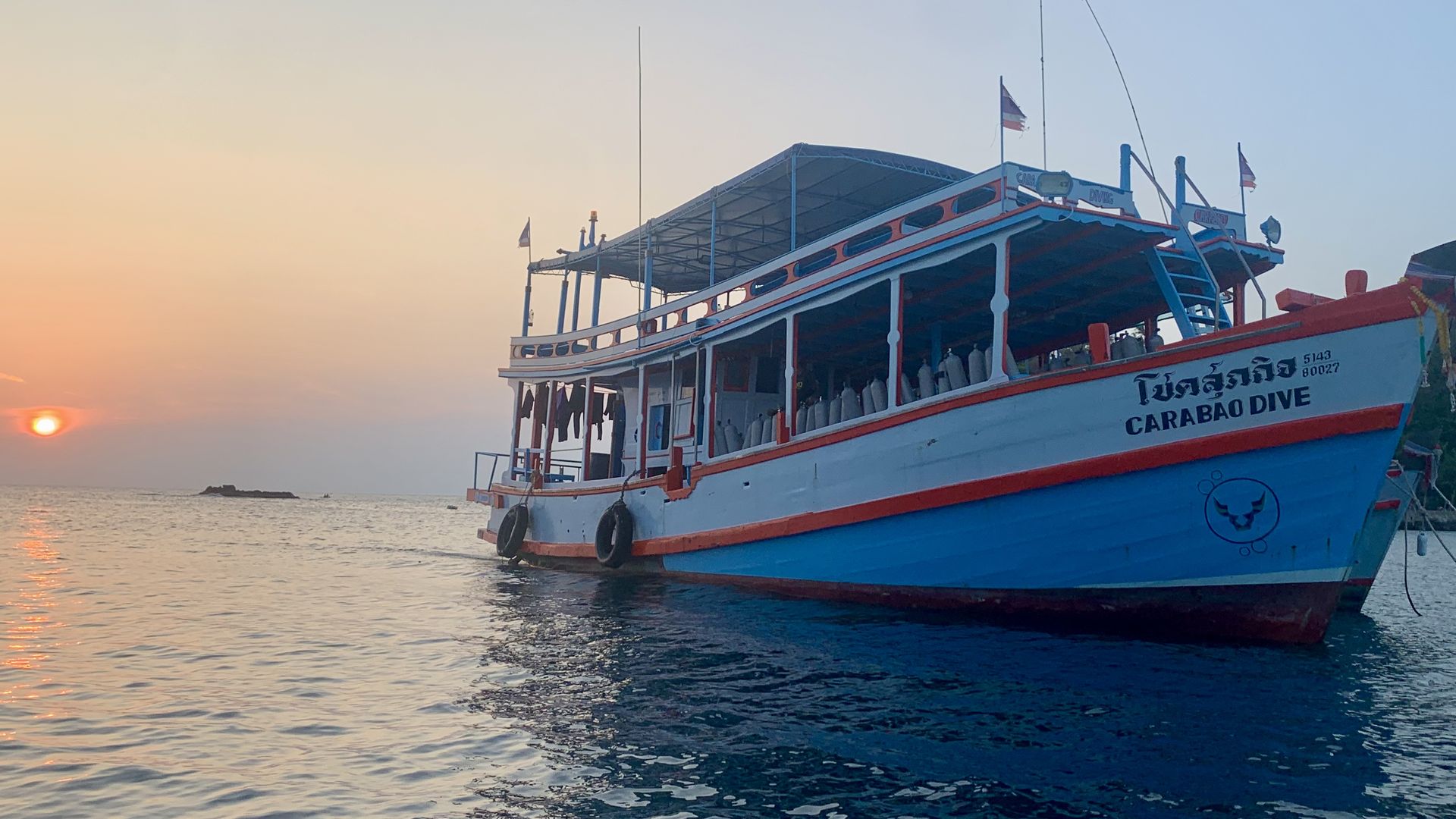
SSI dive resort · Chalok
Dive and stay in the quiet southern bay of Chalok.
Full guide →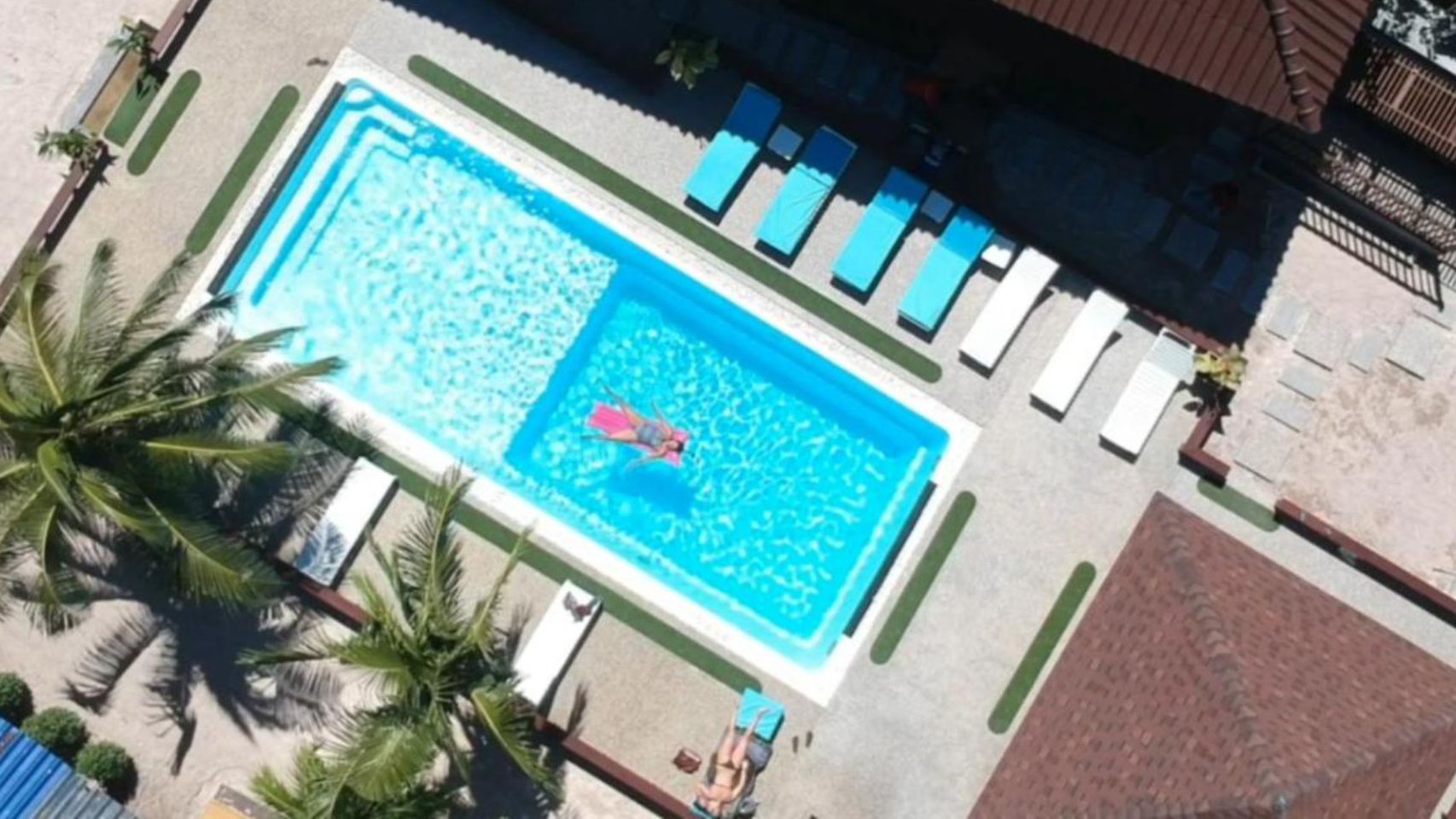
PADI dive resort · Chalok
Courses and fun dives with a resort to stay at, in Chalok.
Full guide →Also on the island: DPM Diving and dozens more. See every dive centre on Koh Tao →