Koh Tao dive sites / Shark Bay
Shark Bay Dive Site: Koh Tao's Best Bay for Turtles and Reef Sharks
A sandy bay at the south end of the east coast where you can snorkel with green turtles and blacktip reef sharks from the beach.
Koh Tao dive sites / Shark Bay
A sandy bay at the south end of the east coast where you can snorkel with green turtles and blacktip reef sharks from the beach.
Shark Bay (Ao Thian Ok, also written Thian Og) is the best-known place on Koh Tao to snorkel with wildlife. Green sea turtles can almost certainly be seen every day, and blacktip reef sharks, eagle rays and reef fish are around all year. From March to May, baby blacktips gather in the shallows near the seagrass.
It is mainly a snorkelling and freediving spot, with only occasional scuba. The coral starts a few kicks from the shore, and depth builds to roughly 8 to 15 m further out.
The bay sits at the southern end of the east coast, next to Sai Daeng and a headland to the west. You can reach it from Chalok, Mae Haad or Sairee by taxi, longtail or scooter, and it is a 10 to 15 minute walk from New Heaven Dive School. Resorts on the west coast have no direct access.
Entry from the small sandy beach, which has a bar, is free. You can also enter across the rocks via Ok2 or Mama Jim bungalows for a small fee.
Most visitors come for two animals. Green sea turtles can almost certainly be seen every day, and a slow, quiet approach gives the best views. Blacktip reef sharks cruise the sandy edges and reef margins, and they are easiest to spot in the morning.
From March to May the seagrass in the shallows becomes a nursery for baby blacktips. They are small, nervous and very easy to scare, which is why the rule of never chasing or touching anything matters most here. Float, watch and let them come to you.
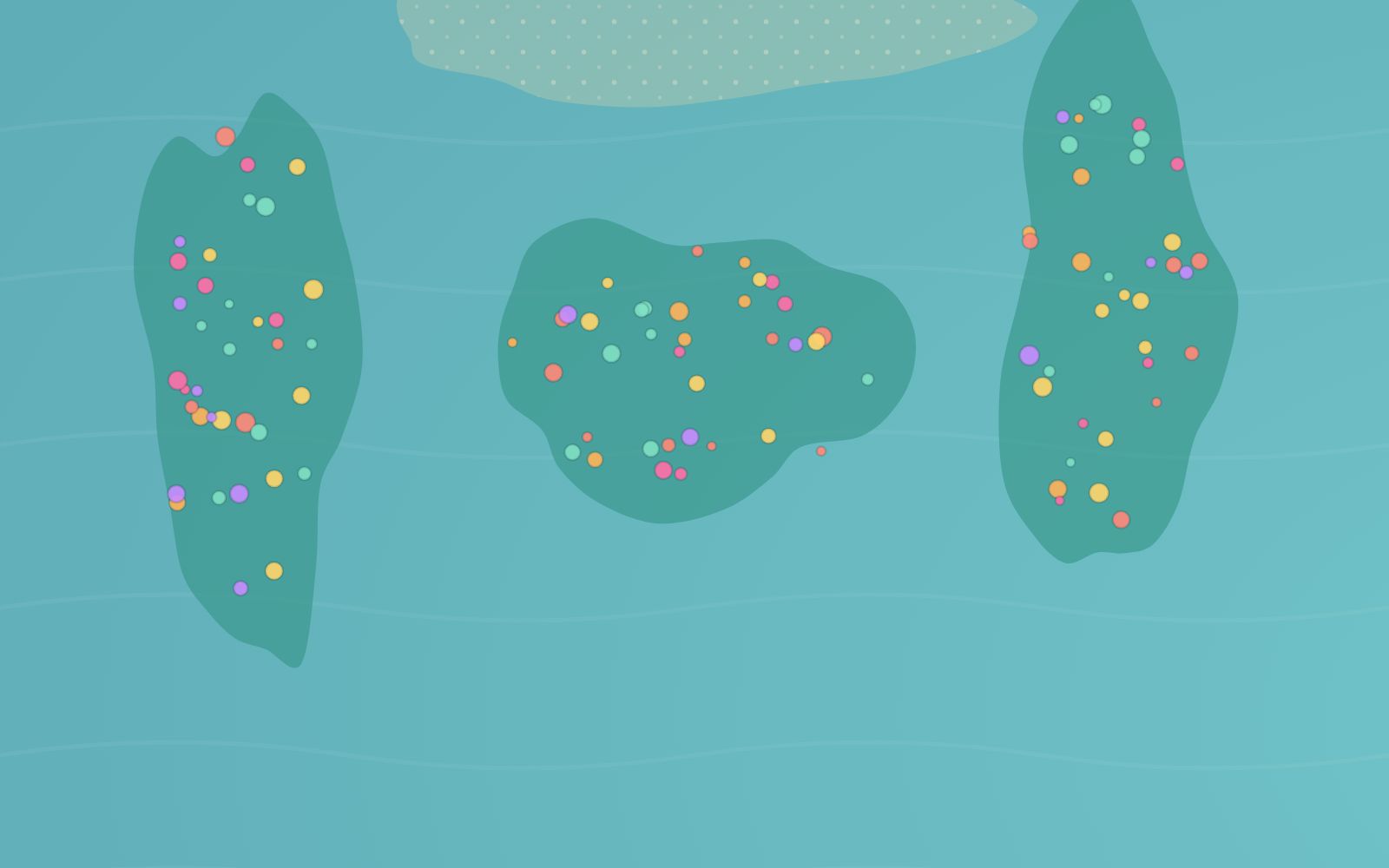
A sandy beach and seagrass beds grade into patchy coral reef. The seagrass is where the baby sharks like to gather in season.
The centre of the bay was hit by mass coral bleaching and has been slow to recover, so the degraded coral there is not the main attraction. The most life is on the eastern side towards Sai Daeng and along the western headland. The map is schematic, not surveyed.
The healthiest coral is on the east side near Sai Daeng and around the western headland, so if the central reef looks worn, keep swimming rather than turning back.
Go in the morning for the sharks, and early morning or late afternoon for the turtles. March to May is the time for baby sharks. Rainy or windy weeks make the bay less pleasant, and conditions can change in bad weather.
Water clarity is good in the right season, though it is not something we can put a number on.
New Heaven's reef team runs regular shark surveys in the bay. The animals here are wild and the numbers are monitored, so how you behave in the water matters.
Because this is a free, shore-access bay with no guide required, it is worth being a good example for the next group. Take your rubbish with you, avoid standing on coral, and keep your fins away from the seagrass.
Boat traffic passes through the bay, so stay visible. Sun exposure is the main everyday risk, and the rocks at the entry can be slippery.
Check the weather before you go. Conditions can change in bad weather, and a windy or rainy day is better spent somewhere else on the island.
Finally, remember the practical side of a shore snorkel: carry water, wear sun protection and tell someone where you are going, especially if you are heading out along the edge of the bay.
Yes, blacktip reef sharks live in the bay all year. Baby sharks are most common from March to May.
Entry from the beach is free. Entering across the rocks via Ok2 or Mama Jim bungalows carries a small fee.
Blacktip reef sharks are shy. Keep your distance, do not touch them and they will stay relaxed.
Green sea turtles can almost certainly be seen daily. Early morning and late afternoon are best.
It is mainly a snorkelling and freediving bay, with occasional scuba. For serious diving, the neighbouring sites near Sai Daeng and Shark Island are better choices.
A lesser-known, beginner-friendly reef named after a rock that looks like a seated Buddha.
3 to 12 mA compact, shallow reef of granite boulders and coral restoration structures in a sheltered corner of the south-east coast.
0 to 18 mA white-sand bay on the south-east coast where juvenile reef sharks, easy training dives and a small artificial reef share calm water.
to 36 mA retired tech-diving liveaboard resting on the sand at 34 to 36 m, just beyond Shark Island.
Learn to dive
Koh Tao is one of the best places in the world to learn to dive: warm, calm water, sites a short boat ride away and schools for every style. Here are the courses most schools offer and the dive schools we know and trust. Schedules, course length and prices are set by each school.
PADI 5-Star · Sairee
PADI 5-Star IDC on Sairee Beach: small groups, every level, taught in seven languages.
Full guide →
Private club · South coast
Very small classes, a training pool and boats straight from the resort pier.
Full guide →
Dive school · Mae Haad
Groups of four, two minutes from the pier, from Open Water to instructor.
Full guide →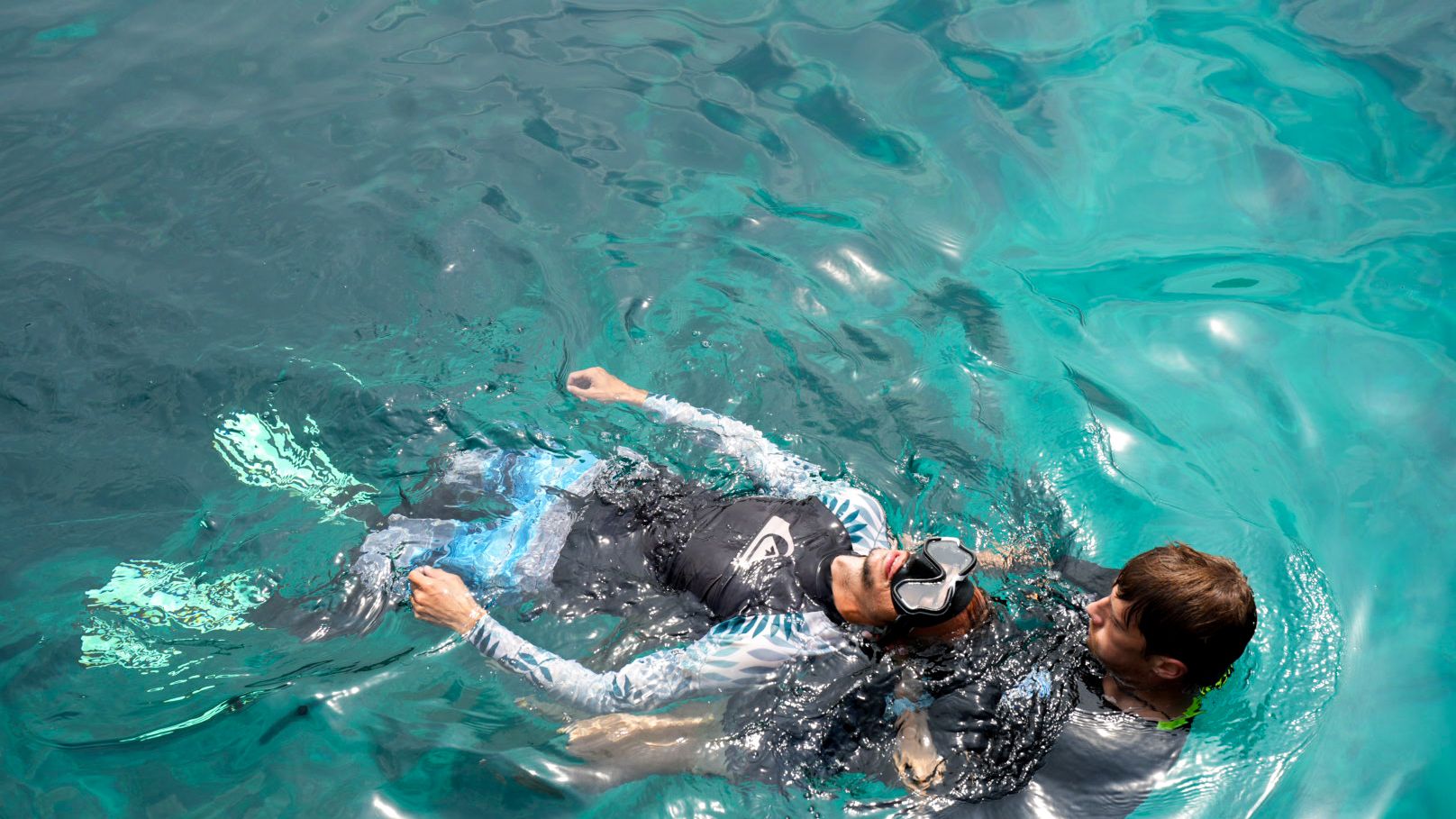
French dive school · Mae Haad & Chalok
Courses in French since 2012: SSI and CMAS / FFESSM, groups of four, first dive to instructor.
Full guide →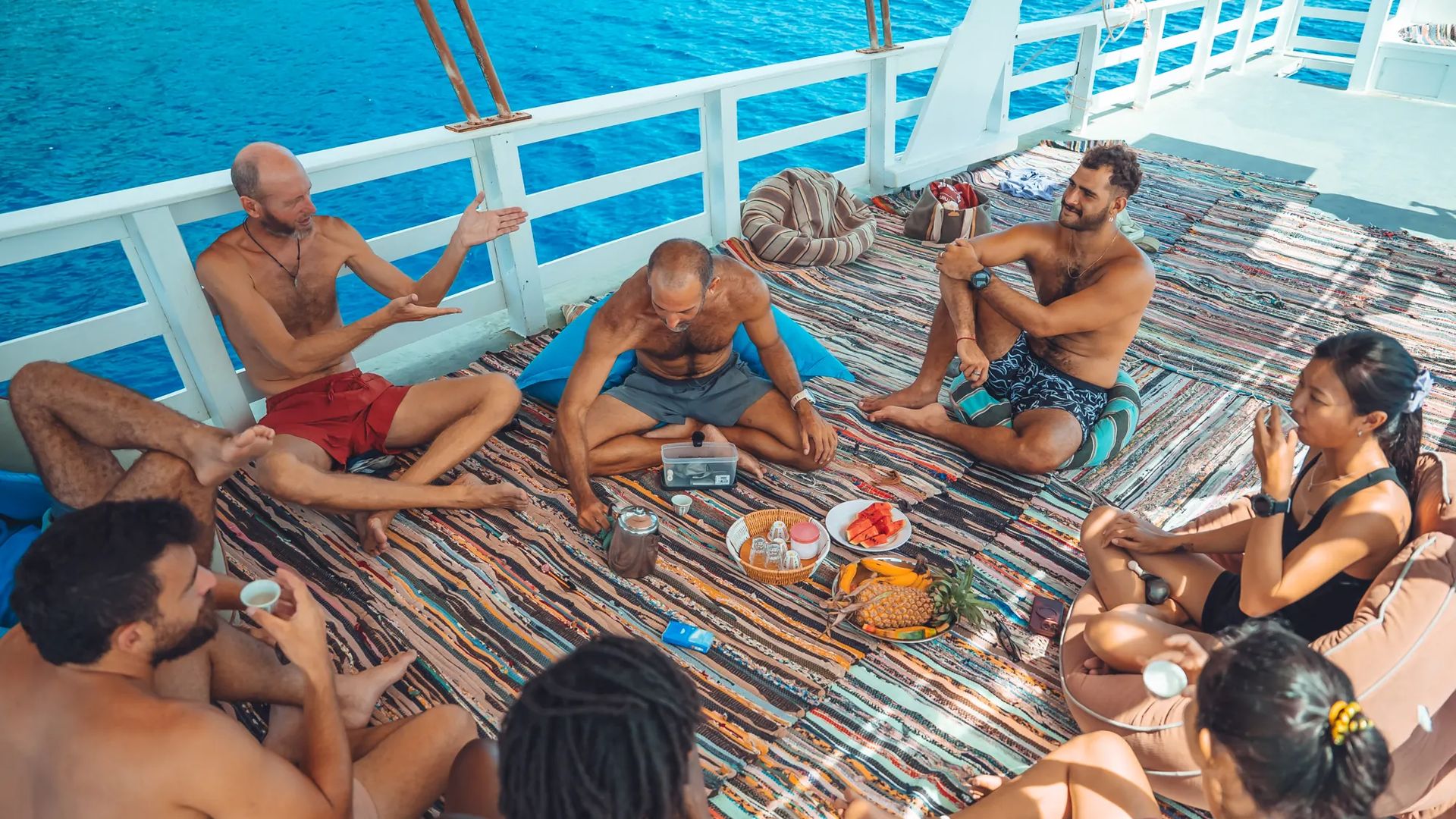
Freediving & yoga · Mae Haad
Learn to freedive on one breath, with breathwork and yoga in a sea-view shala.
Full guide →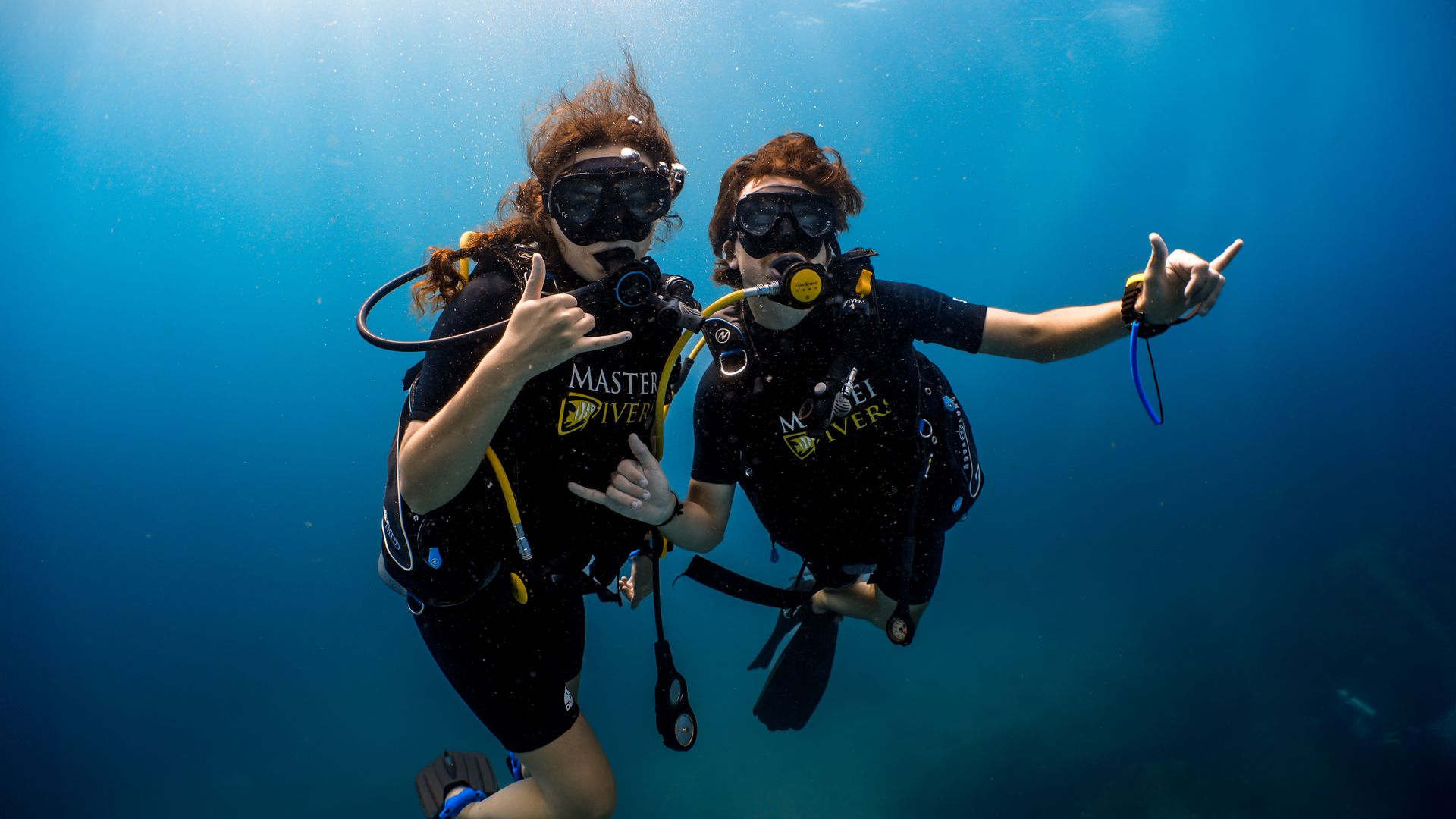
PADI 5-Star CDC · Mae Haad
One of the island's most established dive centres, with a focus on pro training.
Full guide →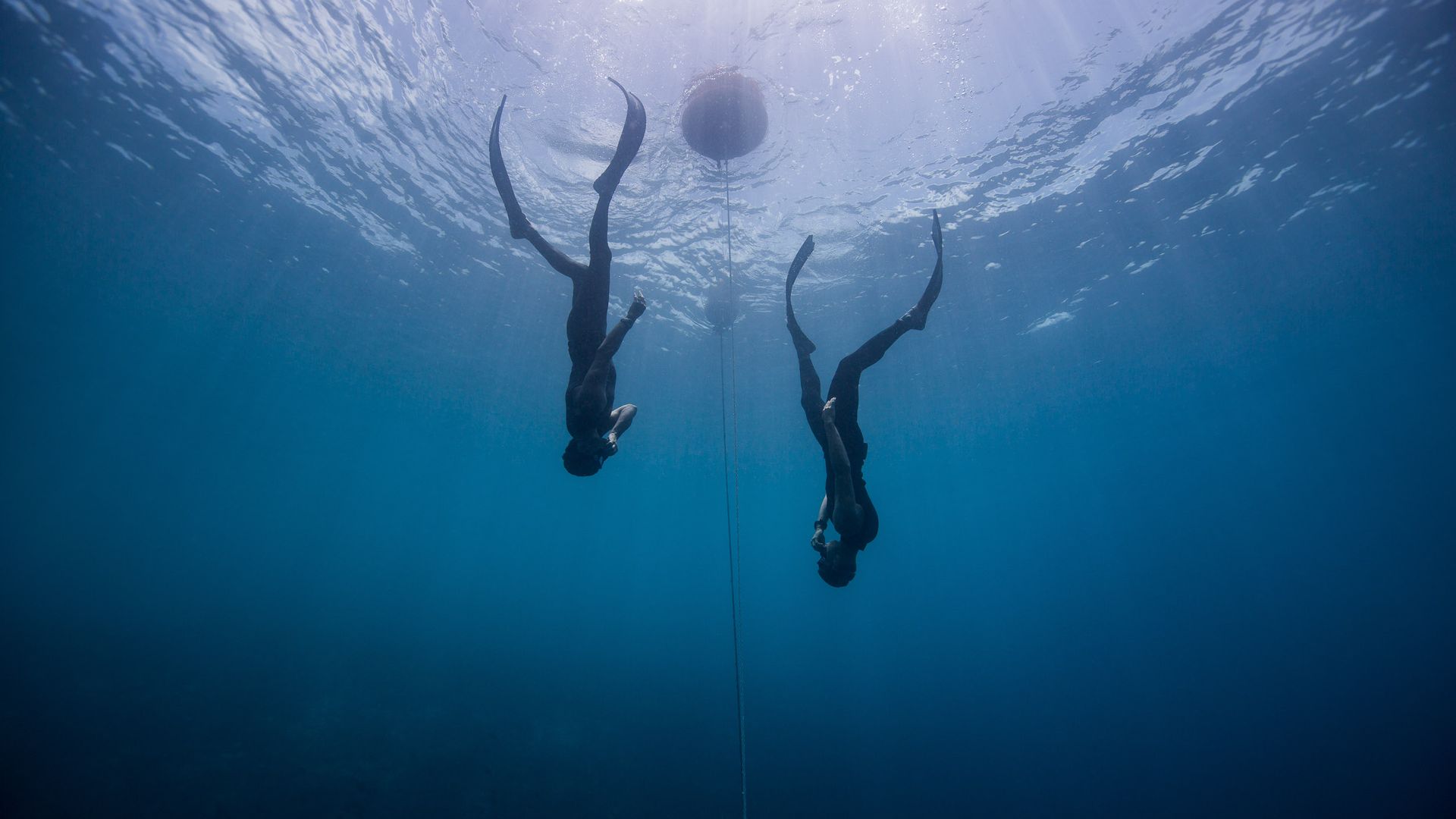
Freediving · Sairee
Personal freediving courses with experienced instructors off Sairee Beach.
Full guide →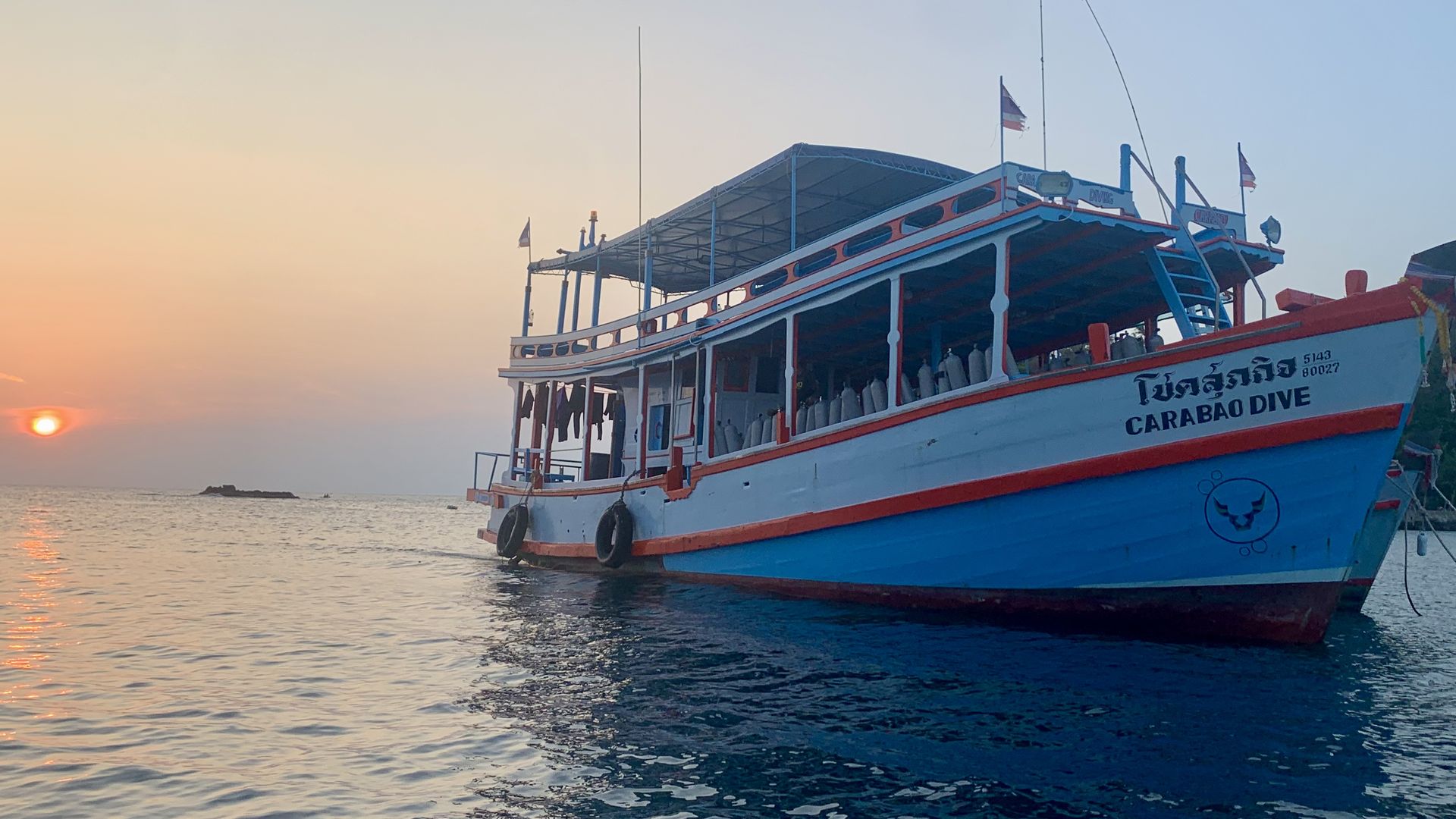
SSI dive resort · Chalok
Dive and stay in the quiet southern bay of Chalok.
Full guide →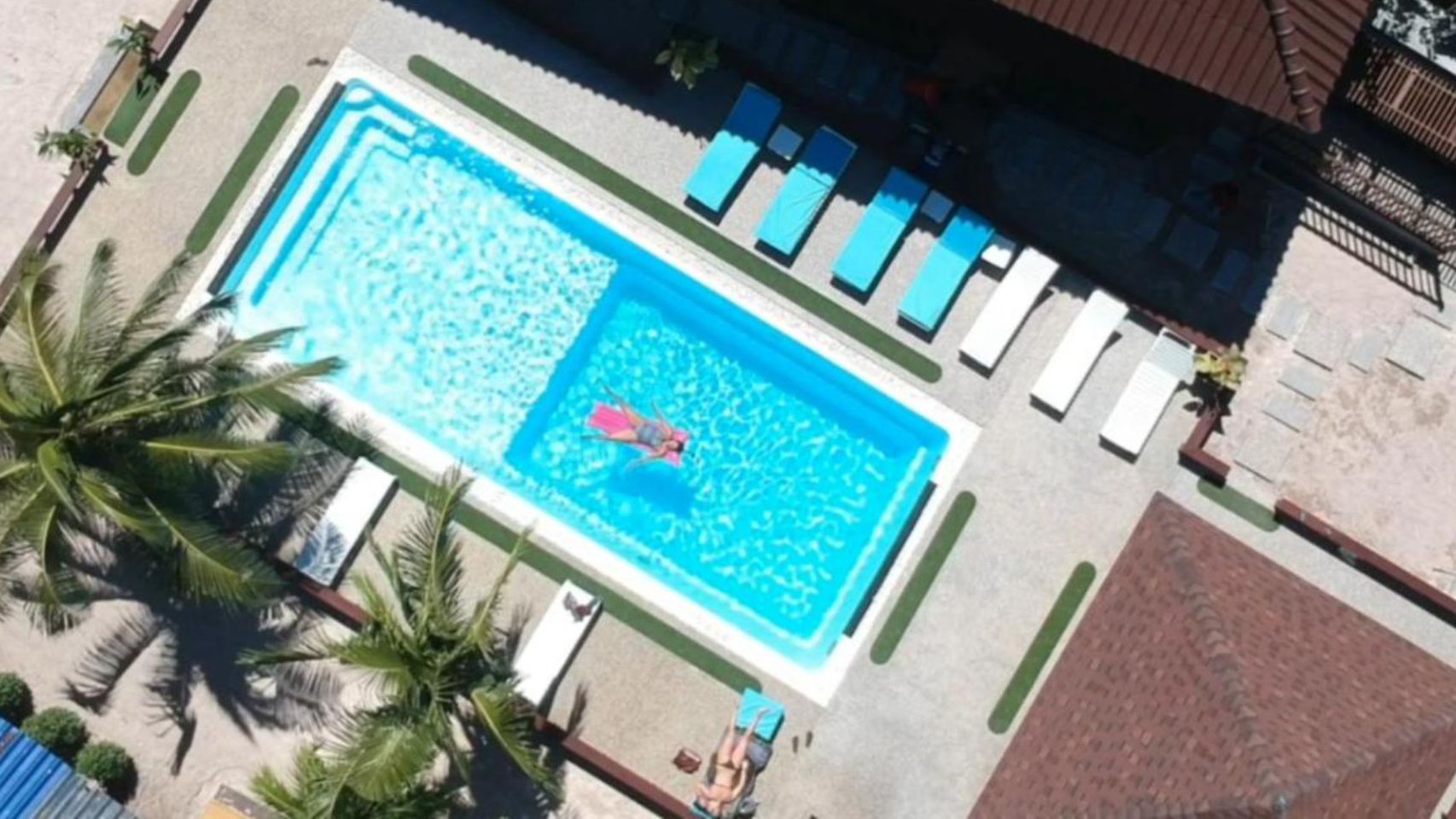
PADI dive resort · Chalok
Courses and fun dives with a resort to stay at, in Chalok.
Full guide →Also on the island: DPM Diving and dozens more. See every dive centre on Koh Tao →