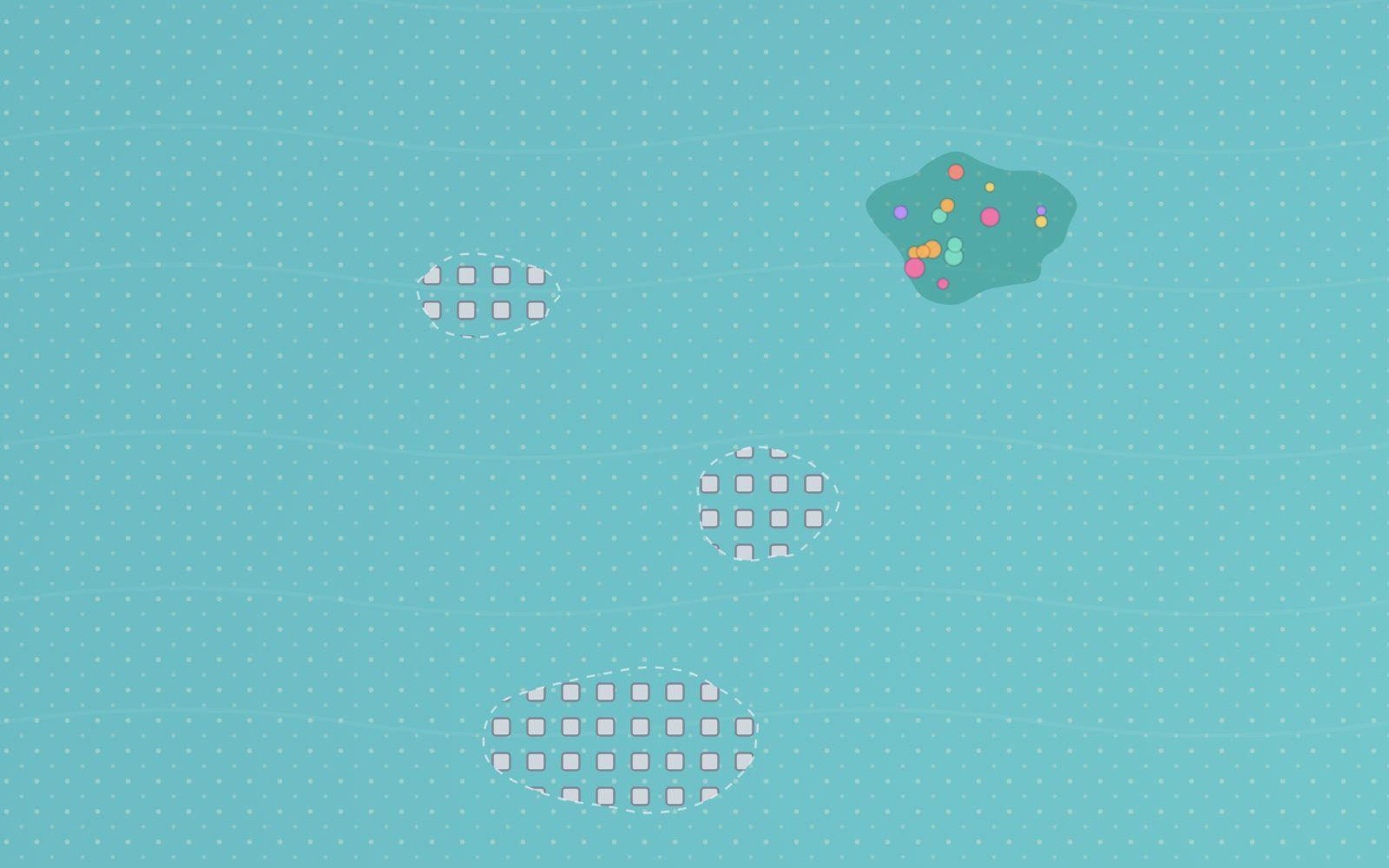
Koh Tao dive sites / Junkyard Reef
Junkyard Reef Koh Tao's Shallow Artificial Reef Dive Site
A sandy patch turned into a garden of steel, concrete and recycled objects, shallow and calm enough for everyone.
Koh Tao dive sites / Junkyard Reef
A sandy patch turned into a garden of steel, concrete and recycled objects, shallow and calm enough for everyone.
Junkyard Reef is Koh Tao's best-known community-built artificial reef. It sits on a sandy patch about 400 to 500 m off the west shoreline near Mae Haad beach, and started life as a place to sink old junk: gym equipment, toilets, a speedboat and a car. Local dive centres and the Eco Koh Tao conservation team have kept adding to it since.
Today Junkyard is a shallow, calm site at roughly 6 to 12 m, and a favourite for Discover Scuba, Open Water training and night dives. Expect a different look on every visit, because new structures and corals keep arriving.
Descend the mooring line and loop through the named structures, such as The Car and The Gym, plus the coral nurseries, then back. Stay shallow and take your time. The large clear areas of sand around the edge are used for skills and buoyancy practice.
Junkyard Reef Koh Tao is a short hop from the pier. Because everything sits within a small area at shallow depth, it is a relaxed place for newer divers to build confidence.
The base is soft sand at about 6 to 12 m, with man-made structures scattered over it. Steel frames, domes and spider-shaped frames carry transplanted coral. Concrete units and recycled items, from gym equipment to an old car, a speedboat shade frame and toilet bowls, form shelters for fish. Coral nurseries sit among the structures and hold well over a thousand transplants.
No official plan of the site is published, and structures change over time, so follow your guide rather than a map.
Named structures include The Car and The Gym, and they make easy landmarks for finding your way. The steel designs hold coral transplants, so you are looking at a reef that people have built piece by piece.
Look for the small residents. Saddleback anemonefish families, masked porcupinefish, yellow boxfish, juvenile batfish, copper-banded butterflyfish, yellow-margin triggerfish and a resident lionfish are all easy to spot.
The artificial structures give small fish somewhere to shelter, which is why the site feels busy for such a shallow spot. At night the scene changes again, so many divers return after dark to see a different cast of animals.
The reef began with a speedboat shade frame sunk on the sand in 2006, though some accounts give 2009. Dive businesses and Eco Koh Tao added donated junk, then steel and concrete designs. A coral nursery followed in 2011, and the Mazu concrete structure was added in 2018. Crystal Dive and the Coral Tribe have also contributed.
Junkyard is normally calm and flat. Visibility is commonly 2 to 12 m and good for most of the year. Conditions can get rougher in the south-west monsoon, and visibility drops after storms.
There is steel on the reef, so keep your buoyancy under control and avoid contact. Visibility can be reduced after storms or in the south-west monsoon.
It is an easy site, but newer divers should still stay a good distance above the sand and the frames, as silt kicks up easily and ruins visibility for everyone behind you.
Roughly 6 to 12 m, depending on the tide and where you swim.
Steel and concrete structures, recycled items such as an old car and gym equipment, and coral nurseries on a sandy bottom.
Yes. It is shallow, usually calm, and used for Discover Scuba and Open Water training.
Around 2006, though some accounts say 2009. It has been expanded ever since.
Yes, it is a popular night-dive site. Bring a torch.
Two shallow rock sites near Mae Haad pier, dived as a pair and loved after dark.
ShallowA quiet, shallow muck-diving site off the south-west coast for macro fans.
18 to 32 mA 49 m former landing craft, sunk on purpose in 2011, with two big guns and a hull you can look right into.
8 to 28 mA compact cluster of coral-covered pinnacles that rewards a slow dive, and a perfect way to shallow up after the wreck.
Learn to dive
Koh Tao is one of the best places in the world to learn to dive: warm, calm water, sites a short boat ride away and schools for every style. Here are the courses most schools offer and the dive schools we know and trust. Schedules, course length and prices are set by each school.
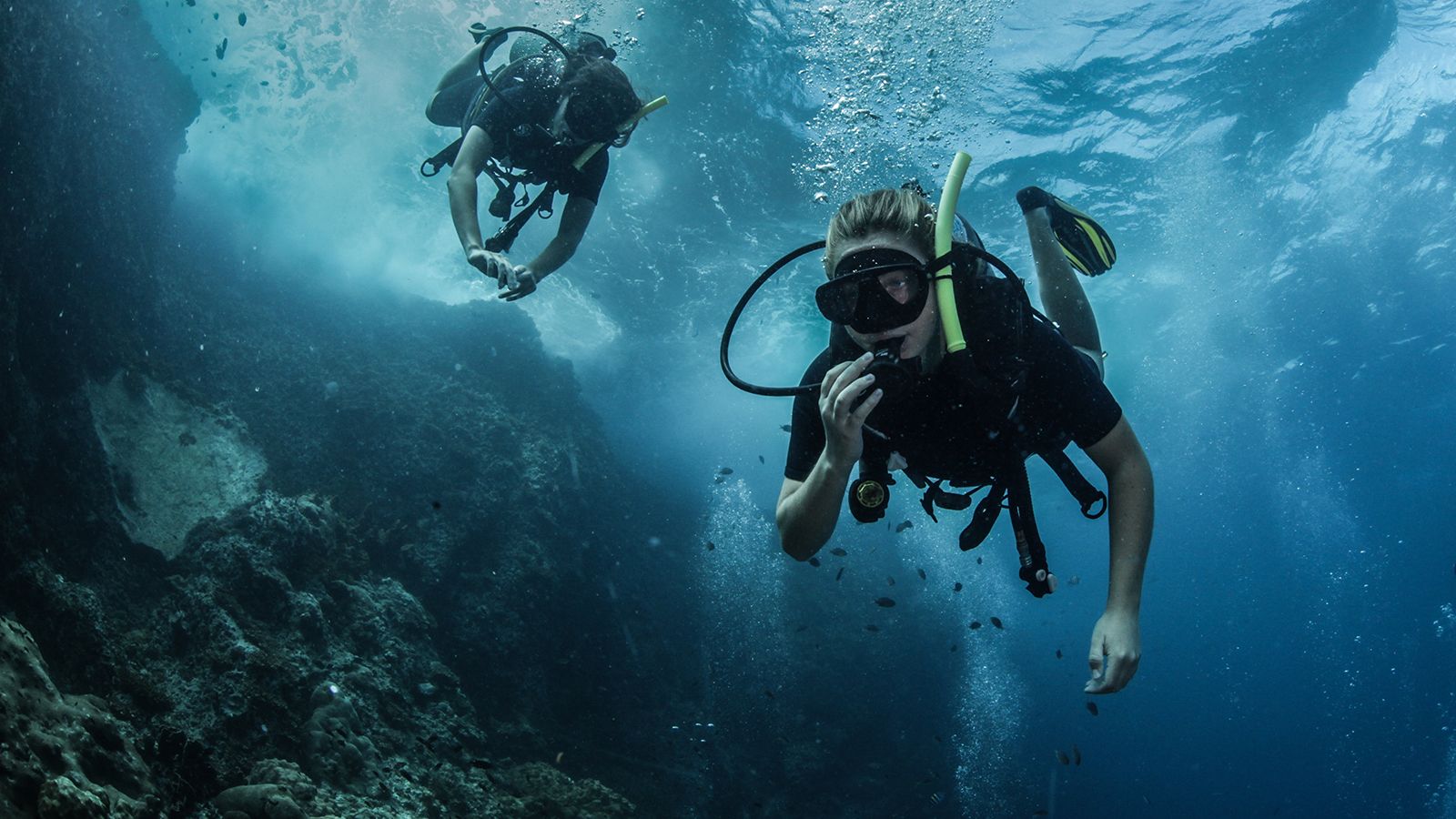
PADI 5-Star · Sairee
PADI 5-Star IDC on Sairee Beach: small groups, every level, taught in seven languages.
Full guide →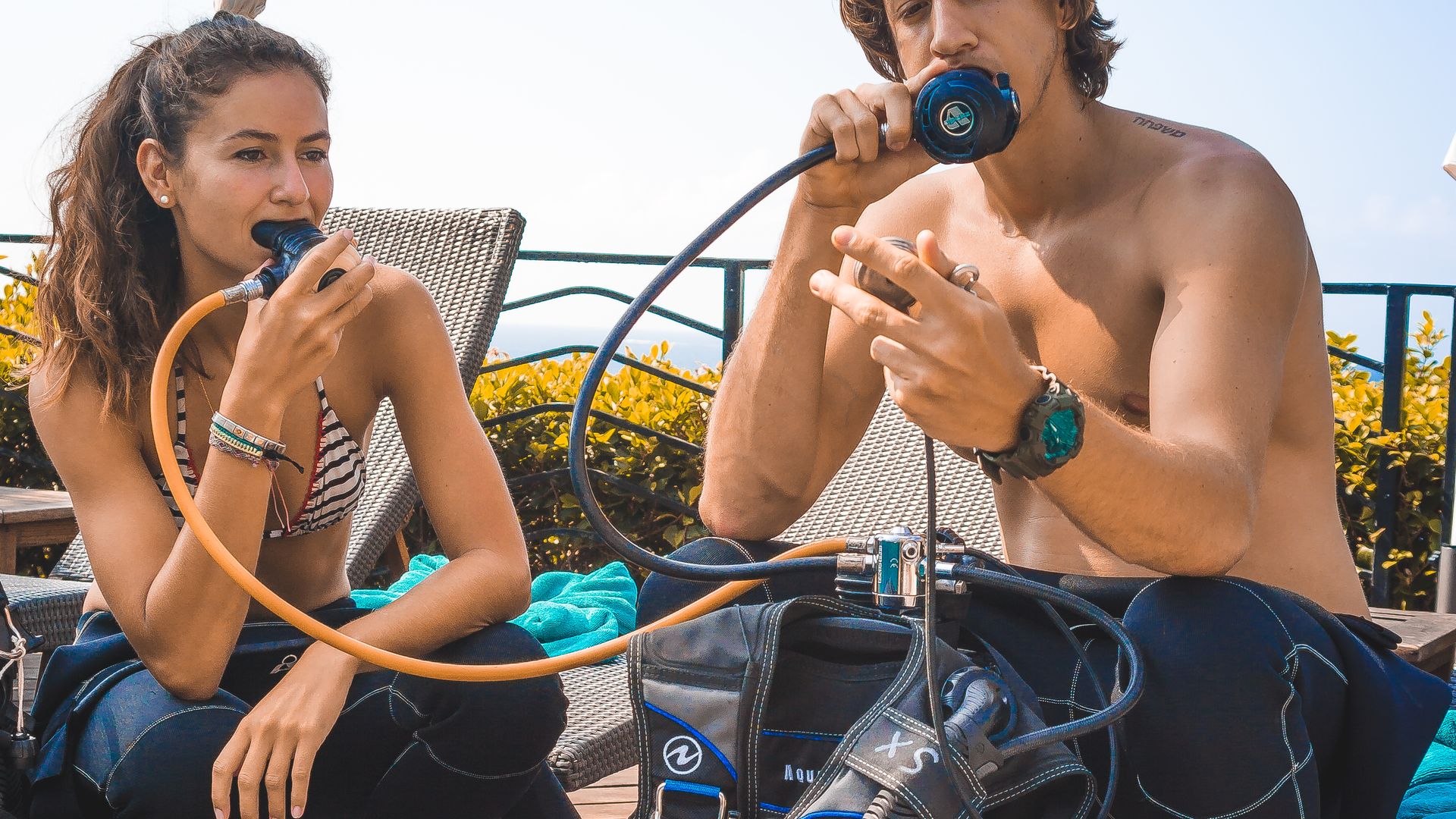
Private club · South coast
Very small classes, a training pool and boats straight from the resort pier.
Full guide →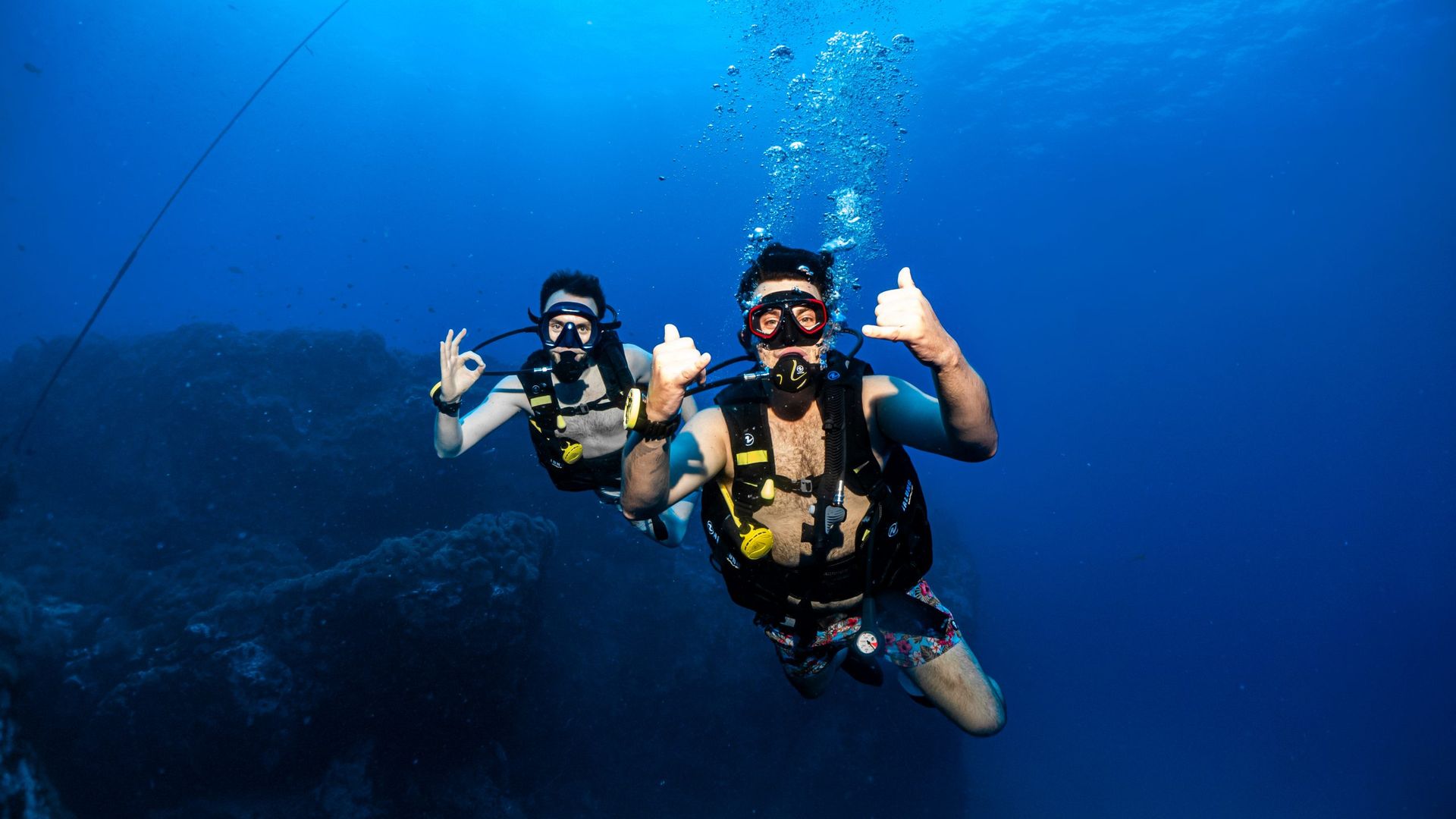
Dive school · Mae Haad
Groups of four, two minutes from the pier, from Open Water to instructor.
Full guide →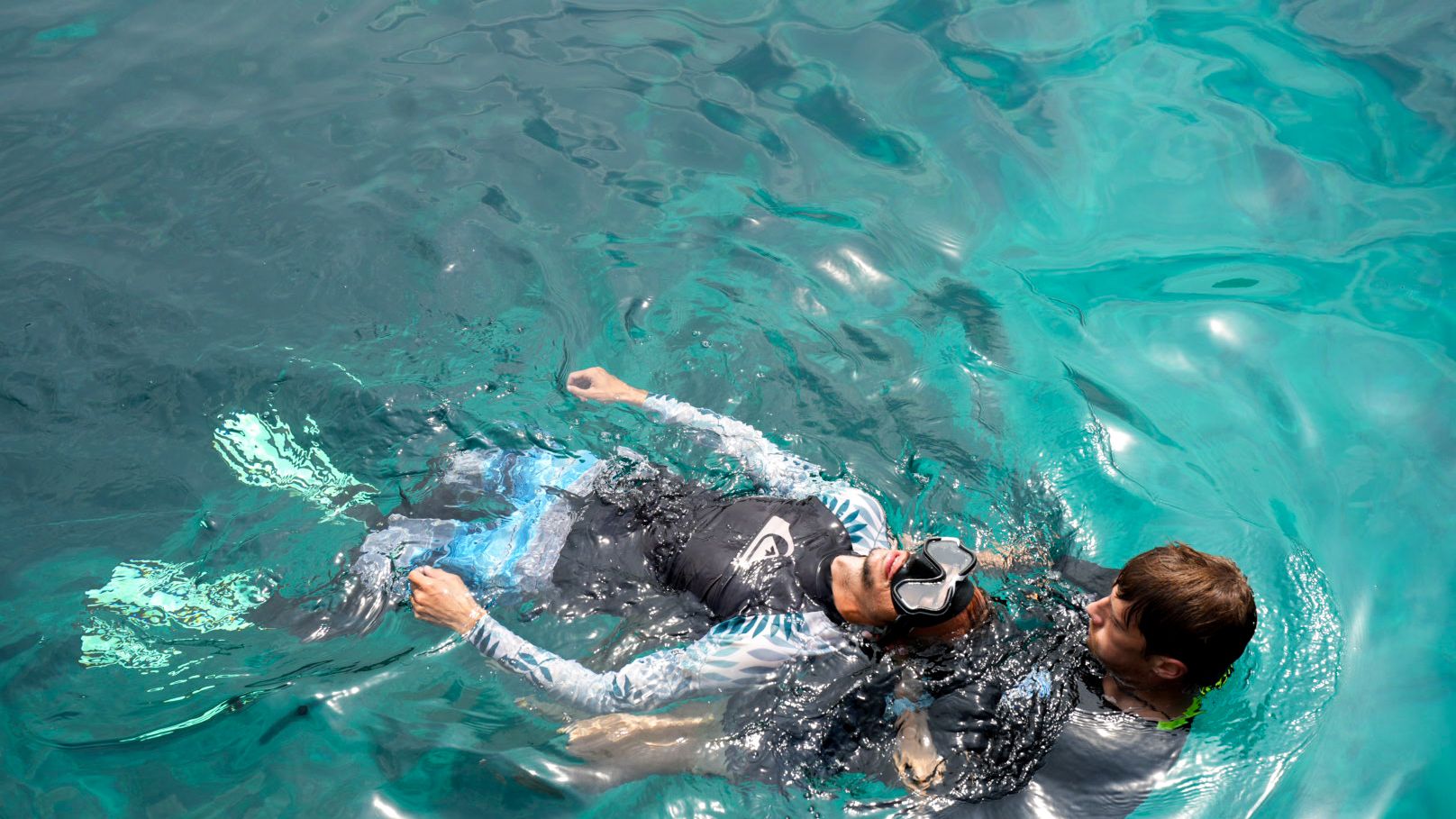
French dive school · Mae Haad & Chalok
Courses in French since 2012: SSI and CMAS / FFESSM, groups of four, first dive to instructor.
Full guide →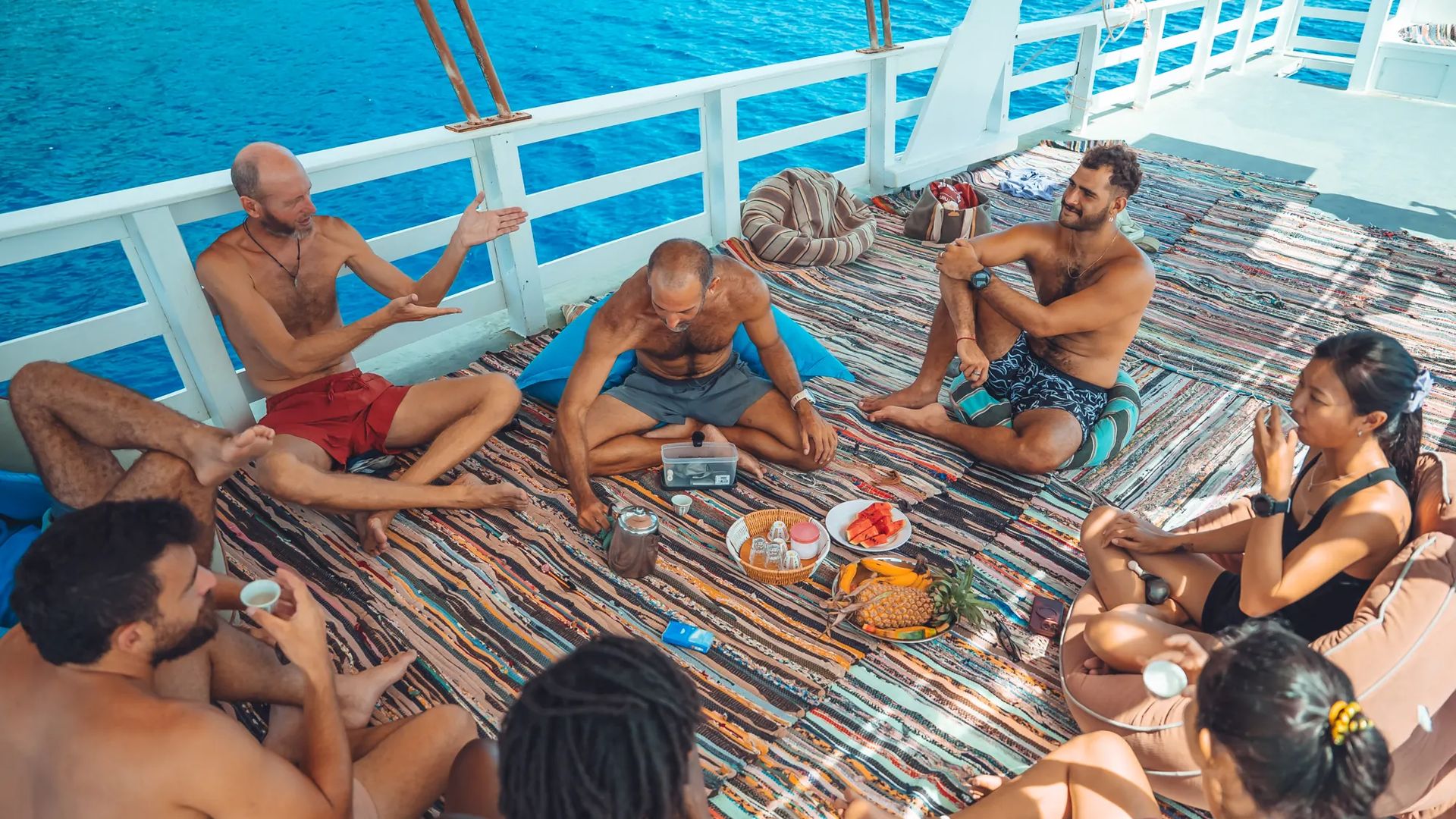
Freediving & yoga · Mae Haad
Learn to freedive on one breath, with breathwork and yoga in a sea-view shala.
Full guide →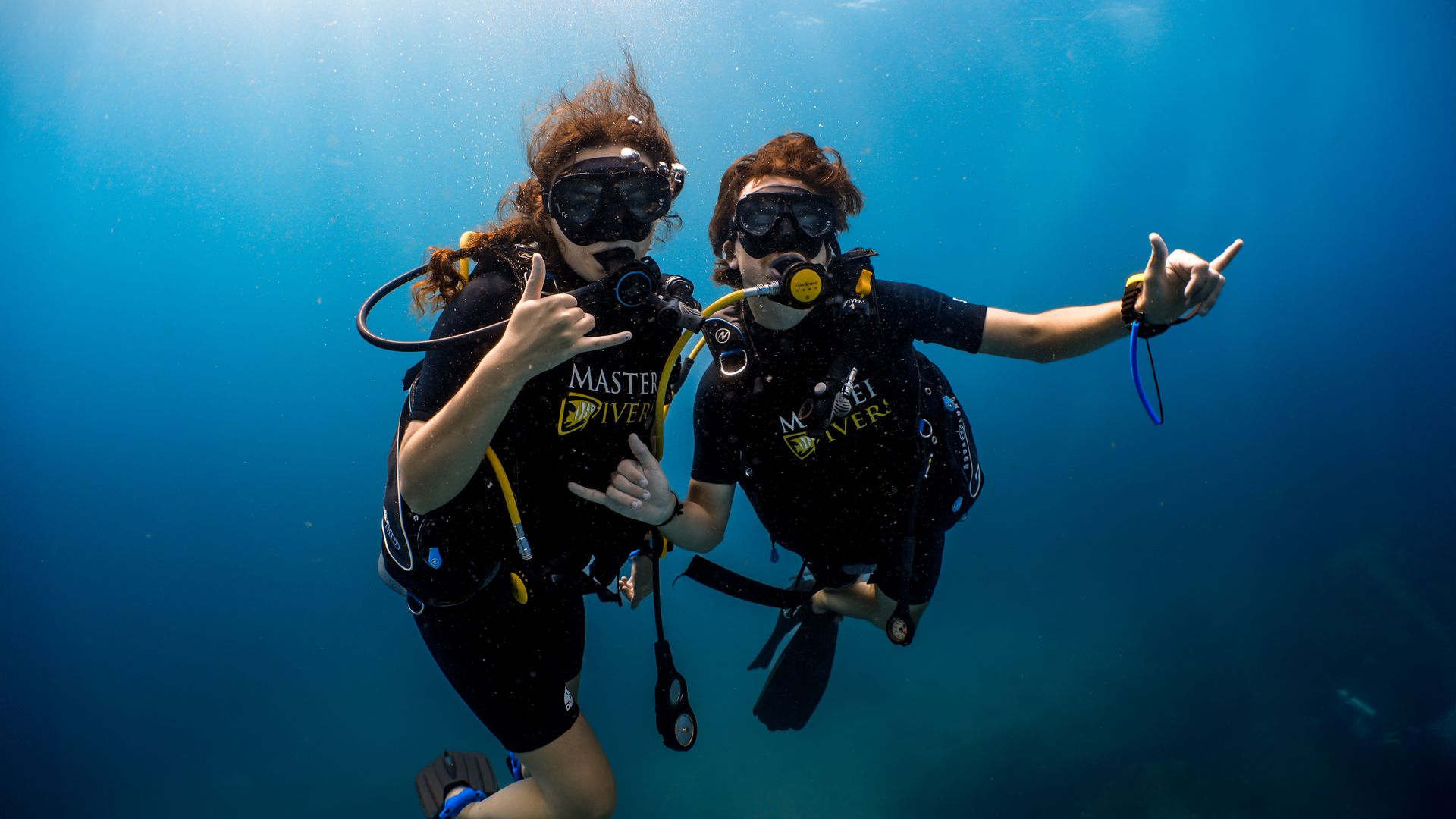
PADI 5-Star CDC · Mae Haad
One of the island's most established dive centres, with a focus on pro training.
Full guide →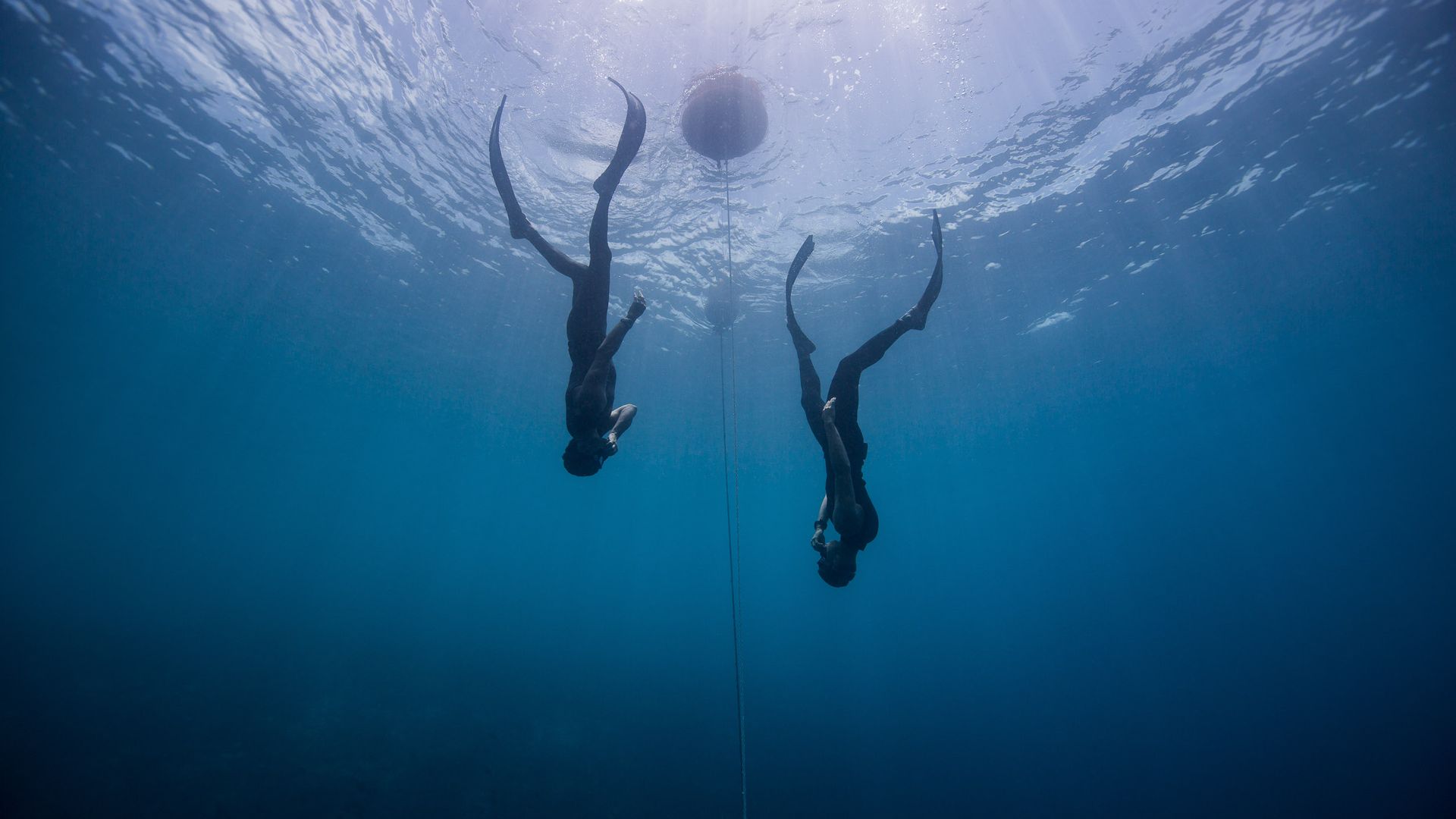
Freediving · Sairee
Personal freediving courses with experienced instructors off Sairee Beach.
Full guide →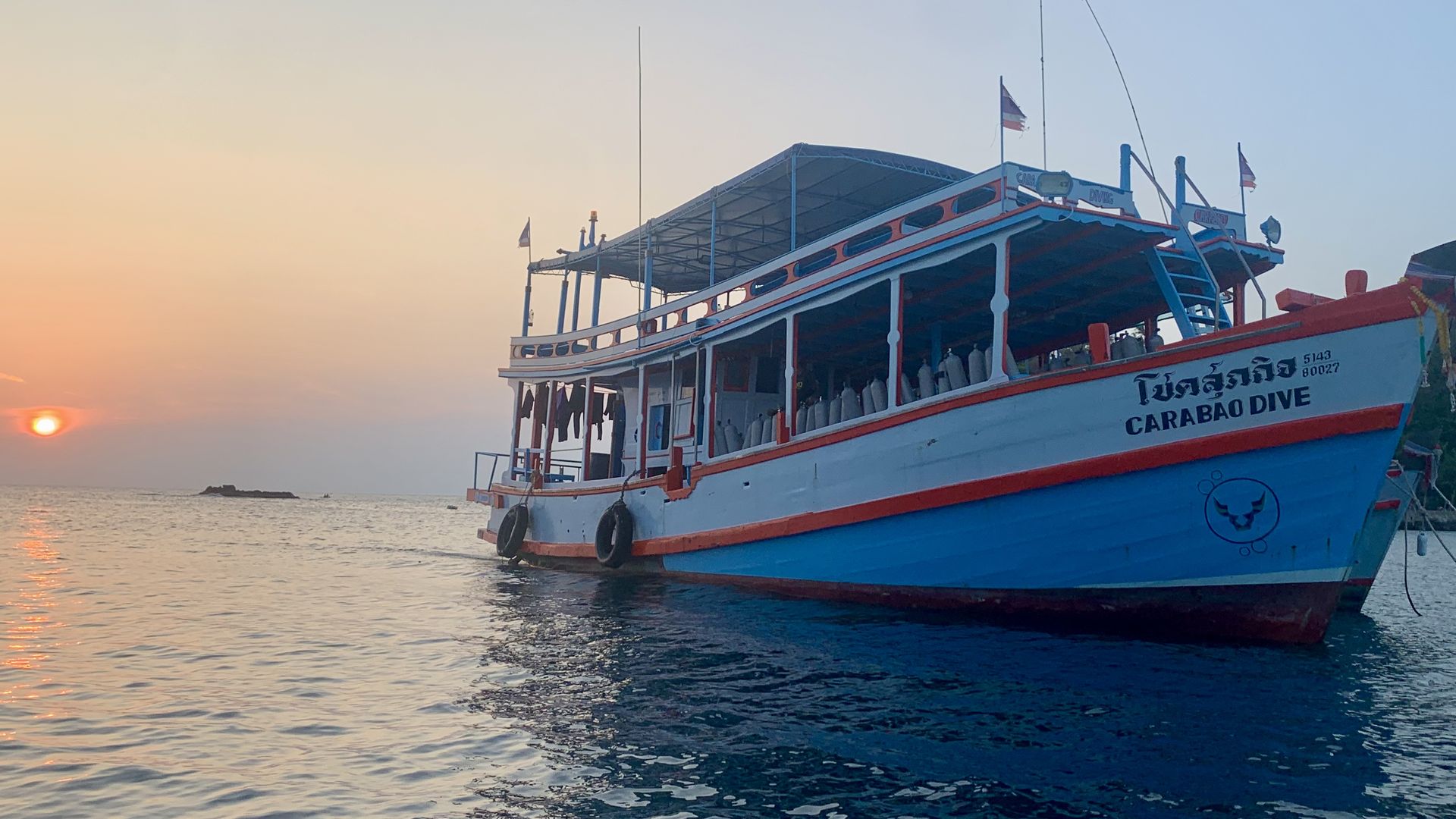
SSI dive resort · Chalok
Dive and stay in the quiet southern bay of Chalok.
Full guide →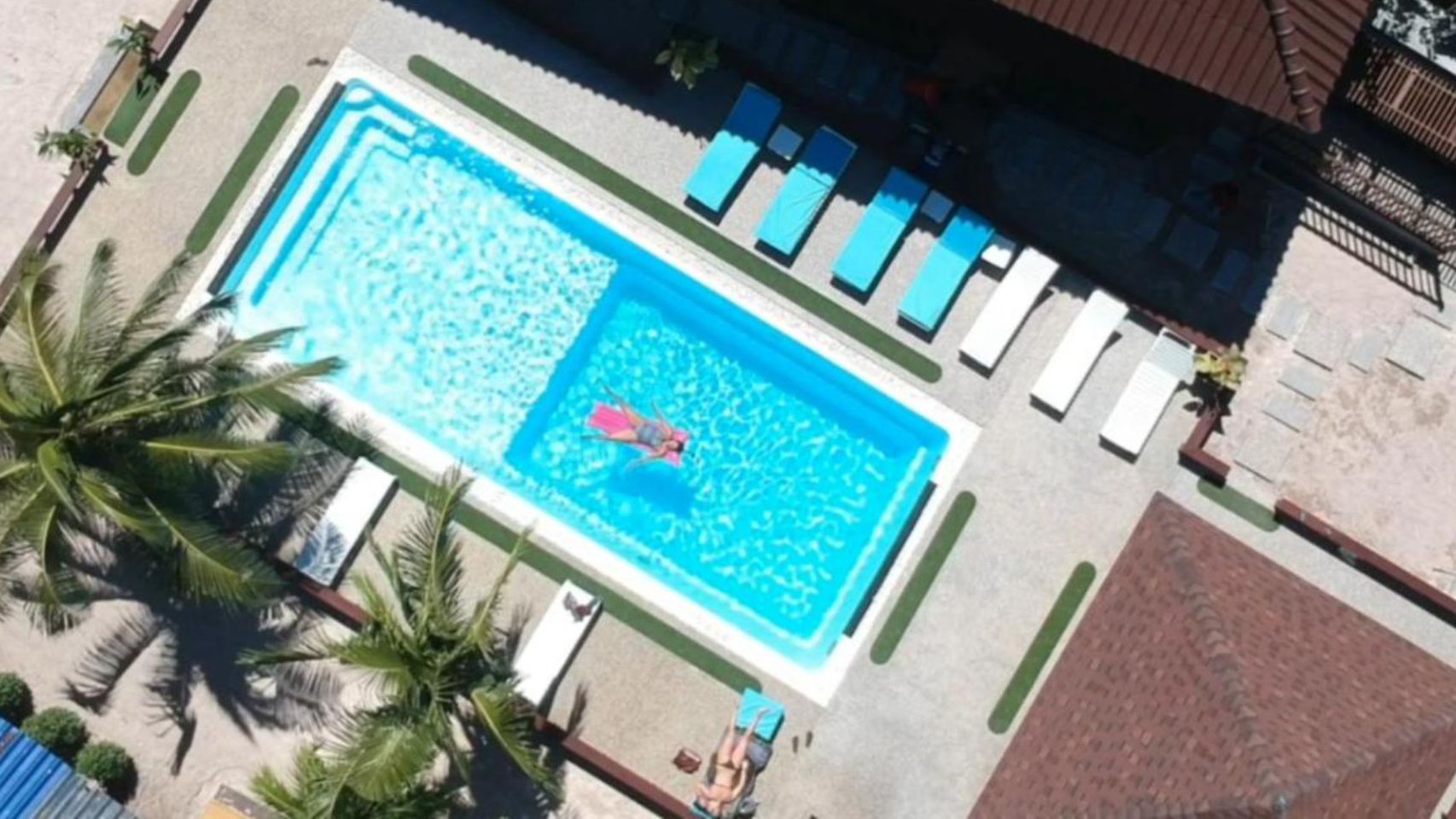
PADI dive resort · Chalok
Courses and fun dives with a resort to stay at, in Chalok.
Full guide →Also on the island: DPM Diving and dozens more. See every dive centre on Koh Tao →