Koh Tao dive sites / Hin Wong Bay
Hin Wong Bay Koh Tao's East Coast Bay Dive Site
A big boulder-strewn horseshoe on the wild east side, with coral bommies, crevices and blacktip reef sharks.
Koh Tao dive sites / Hin Wong Bay
A big boulder-strewn horseshoe on the wild east side, with coral bommies, crevices and blacktip reef sharks.
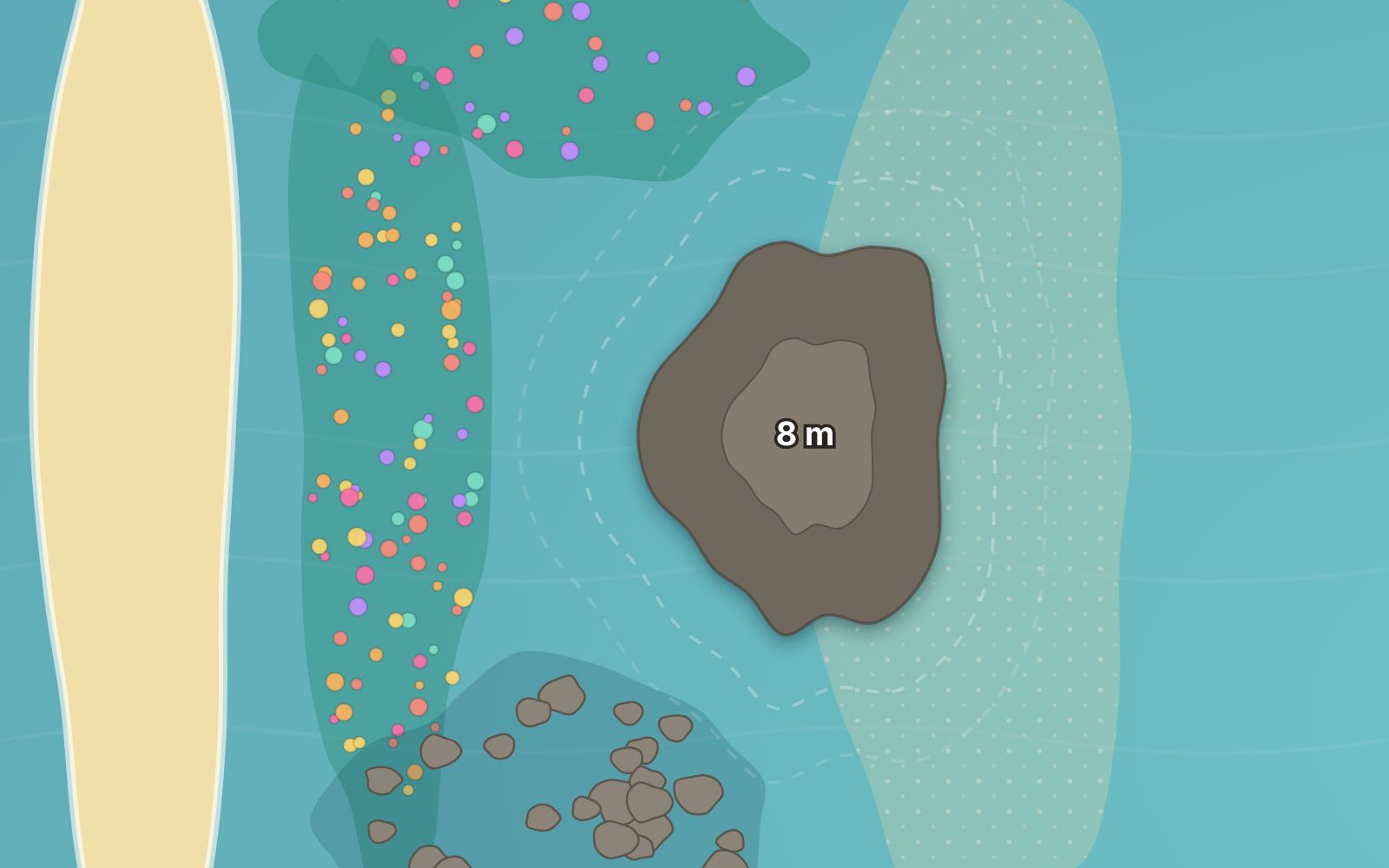
Hin Wong Bay is a large, horseshoe-shaped bay on the rugged east side of Koh Tao, with Hin Wong Pier close by. Dive trips taxi to the pier and take a shuttle to the dive boat, roughly 15 to 20 minutes, and the bay is often combined with Hin Wong Pinnacle or Lighthouse Bay.
It is a quiet, uncrowded corner of the island. Granite boulders line the shoreline and merge with coral, and further out the bay opens into a gentle reef slope with big coral bommies and sandy channels. Blacktip reef sharks are the star, though how often you see them depends on the time of year.
The boat enters on the outer bay, and you drift in over the bommies to the shallow coral garden. From there you can follow the crevice-rich north side or the gentler south side, and finish in the shallows.
Depths run from about 2 to 20 m, with most dives staying in the teens. It is a good fit for Open Water divers and for Advanced Open Water and refresher dives.
Hin Wong Bay is also used for Open Water course dives, which says a lot about its overall character. The terrain is varied enough to stay interesting, but the depth is friendly, so you can concentrate on buoyancy around the granite and enjoy the fish.
The bay is a horseshoe open to the east. A shallow coral garden at 4 to 6 m leads into slightly deeper rocky ground with granite boulders, bommies, sandy channels and open sand. It drops to roughly 14 m on the outer edges and about 20 m at the maximum. Hard coral covers the shallows, and the bigger rock formations lie deeper.
The south side is gentler and has a swim-through cave in one corner, which makes it the best part of the bay for snorkelling. The north side is a more cracked and rocky maze of crevices, where yellow boxfish and visiting sea snakes shelter. Hin Wong Pinnacle lies about 1.5 km offshore.
Blacktip reef sharks are the reason many divers choose this bay, and they are reported in good numbers almost daily at certain times of year. Ask your guide what the recent sightings have been like. Fusiliers and snapper hang in mid-water, trevally and queenfish patrol the edges, moray eels tuck into the granite and blue-spotted stingrays rest on the sand.
Hard corals dominate the shallows, and the shoreline boulders are fused with coral in places. Granite fused with coral forms little pockets where small fish and critters shelter, so it rewards a slow pace and a close look at the rock.
The south side is the place to snorkel. It is gentler, with granite boulders close to the surface and the swim-through in the corner. Keep to the calmer days, as the east side is exposed in the monsoon.
The bay is usually calm, though a light to moderate current can come through with the tides. Visibility varies a lot, from around 2 to 10 m on a poor day to 10 to 25 m on a good one, so it is worth asking your guide about conditions.
June to September is best, when the south-west monsoon shelters the east coast. October to December, during the north-east monsoon, is the time to avoid.
If the bay is clear it can be a lovely dive, and if it is murky the sharks and the structure still make it worth a look. Compared with the pinnacle offshore, the bay is calmer, shallower and more forgiving, though its visibility swings more.
Visibility can be poor on some days, and the terrain is rocky, so careful buoyancy matters. Sea snakes visit the bay. They are not aggressive, but keep your distance and do not touch them.
Typically 2 to 20 m, with a slope from 4 to 6 m down to about 14 m at the outer edges.
Blacktip reef sharks are reported here, in good numbers almost daily at certain times of year.
Yes. The south side is best for snorkelling and has a swim-through in one corner.
It ranges from about 2 to 10 m on a poor day to as much as 25 m, so check on the day.
The east coast's big dive: a chain of granite boulders covered in soft corals, with a trench, swim-throughs and hunting fish.
13 to 24 mA 45 m ex-navy attack craft resting upright on the sand at the mouth of Mao Bay.
3 to 20 mA gentle, calm slope of boulders and coral beside Koh Tao's newest wreck.
3 to 25 mA quiet east coast headland with a beginner bay, light-filled caverns and a lesser-known pinnacle.
Learn to dive
Koh Tao is one of the best places in the world to learn to dive: warm, calm water, sites a short boat ride away and schools for every style. Here are the courses most schools offer and the dive schools we know and trust. Schedules, course length and prices are set by each school.
PADI 5-Star · Sairee
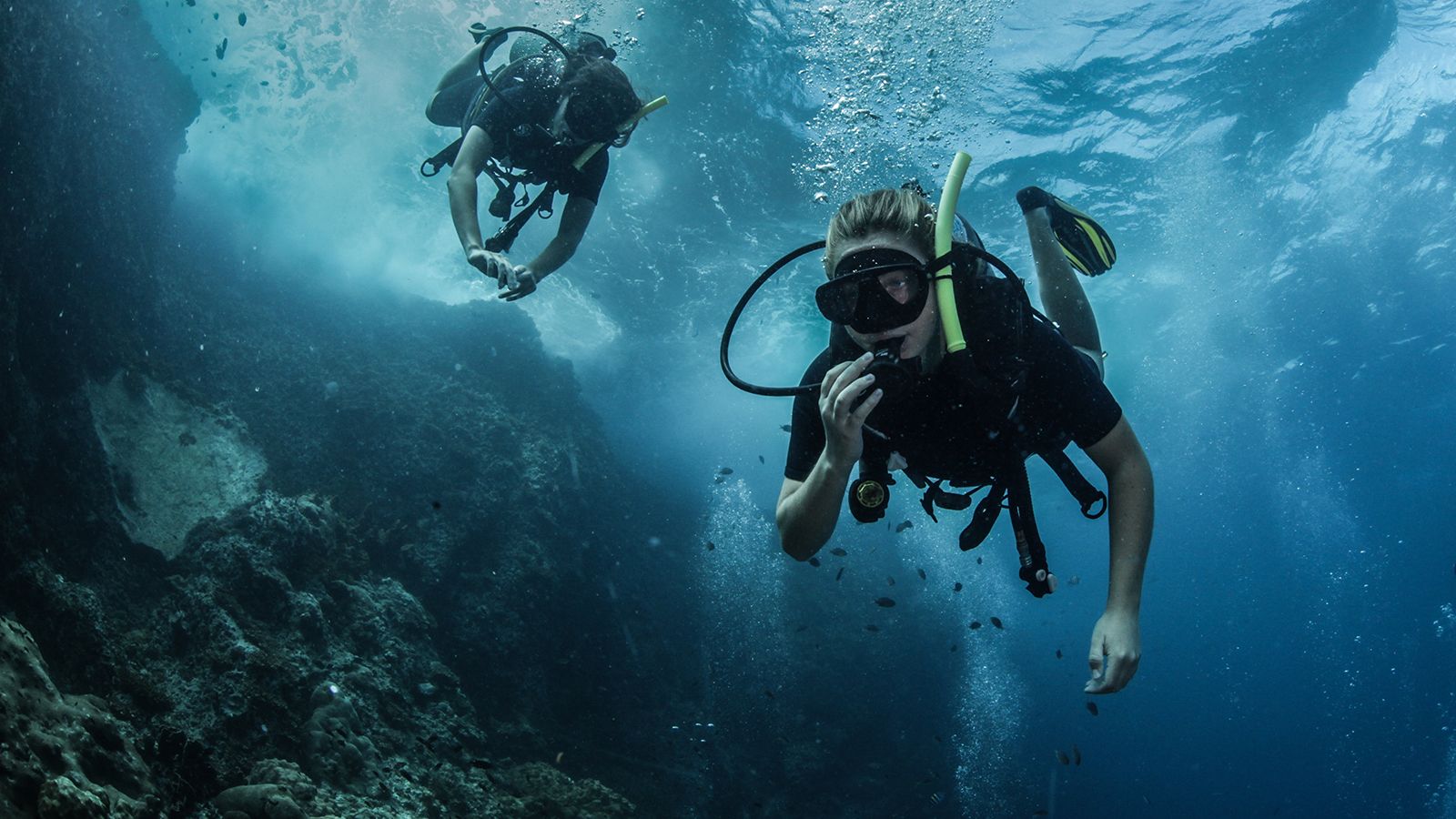
PADI 5-Star IDC on Sairee Beach: small groups, every level, taught in seven languages.
Full guide →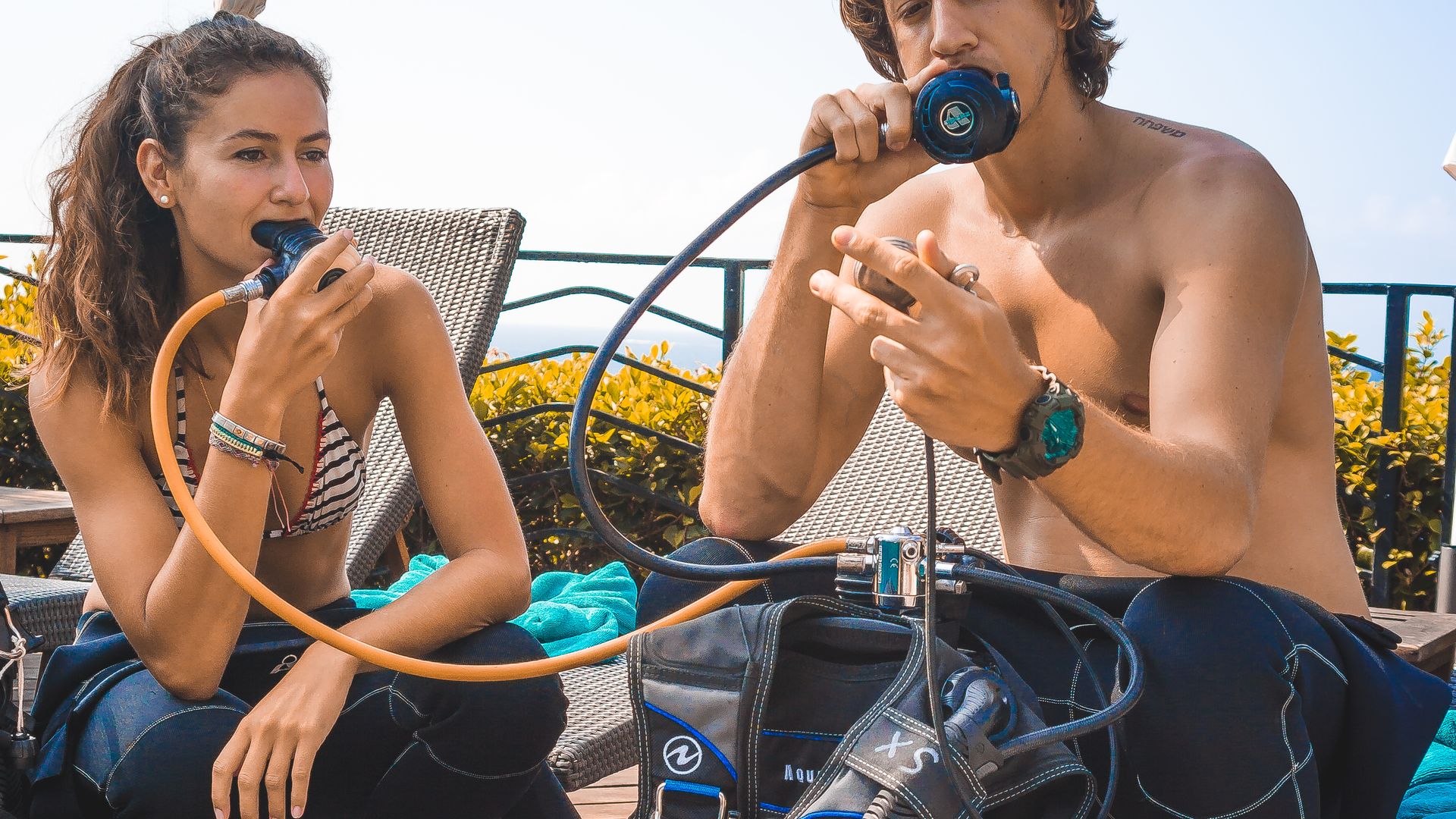
Private club · South coast
Very small classes, a training pool and boats straight from the resort pier.
Full guide →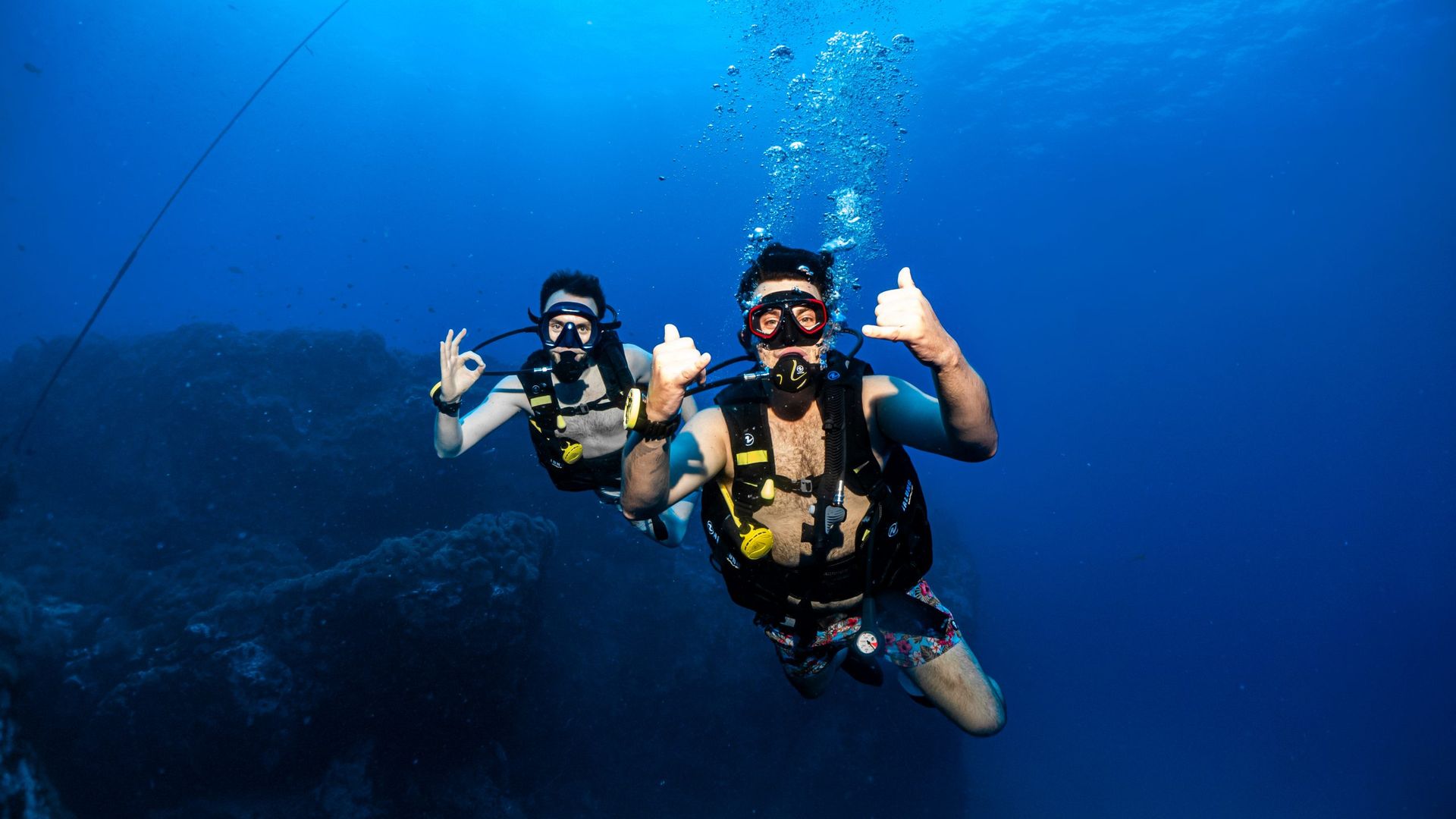
Dive school · Mae Haad
Groups of four, two minutes from the pier, from Open Water to instructor.
Full guide →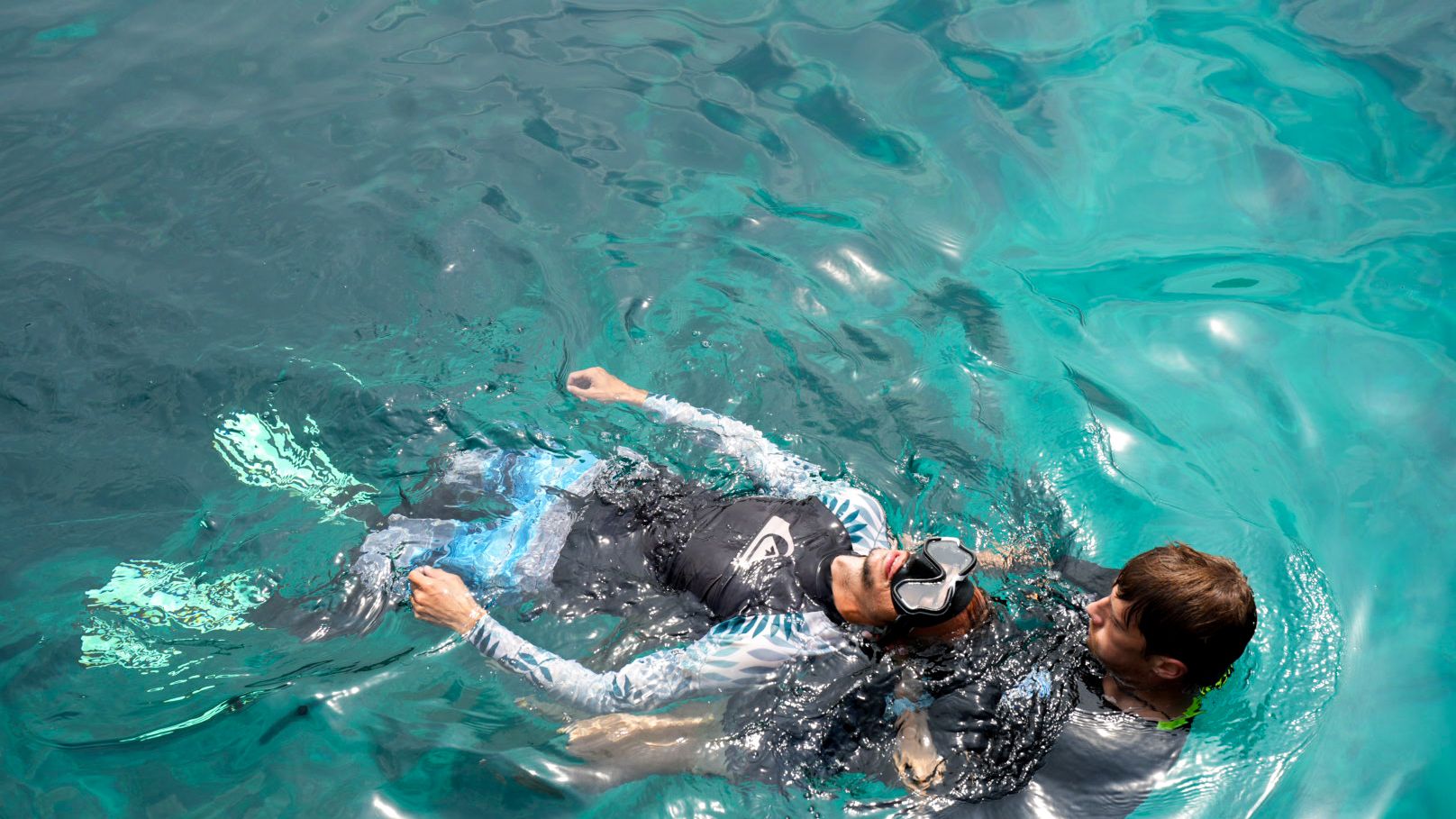
French dive school · Mae Haad & Chalok
Courses in French since 2012: SSI and CMAS / FFESSM, groups of four, first dive to instructor.
Full guide →
Freediving & yoga · Mae Haad
Learn to freedive on one breath, with breathwork and yoga in a sea-view shala.
Full guide →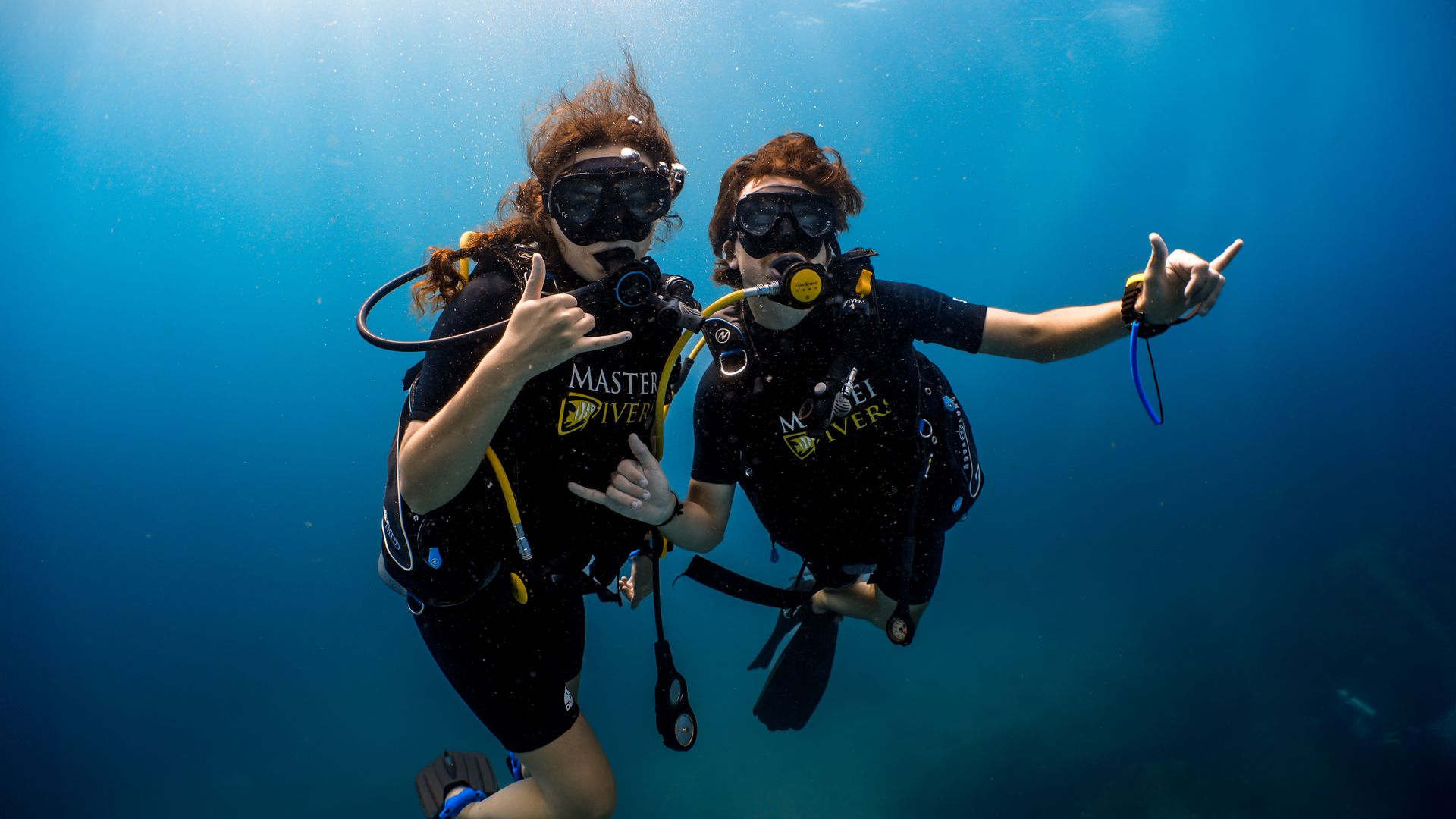
PADI 5-Star CDC · Mae Haad
One of the island's most established dive centres, with a focus on pro training.
Full guide →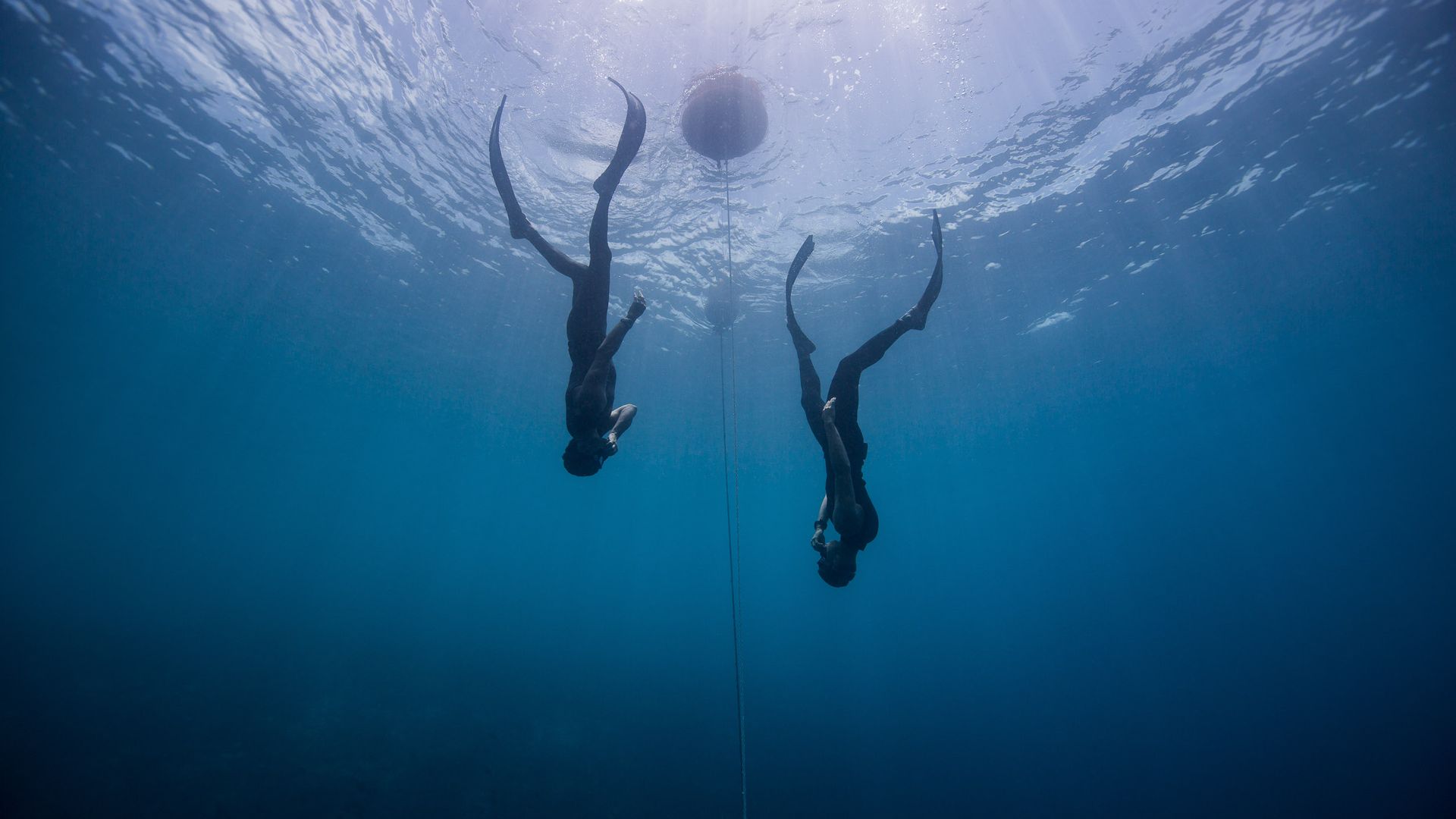
Freediving · Sairee
Personal freediving courses with experienced instructors off Sairee Beach.
Full guide →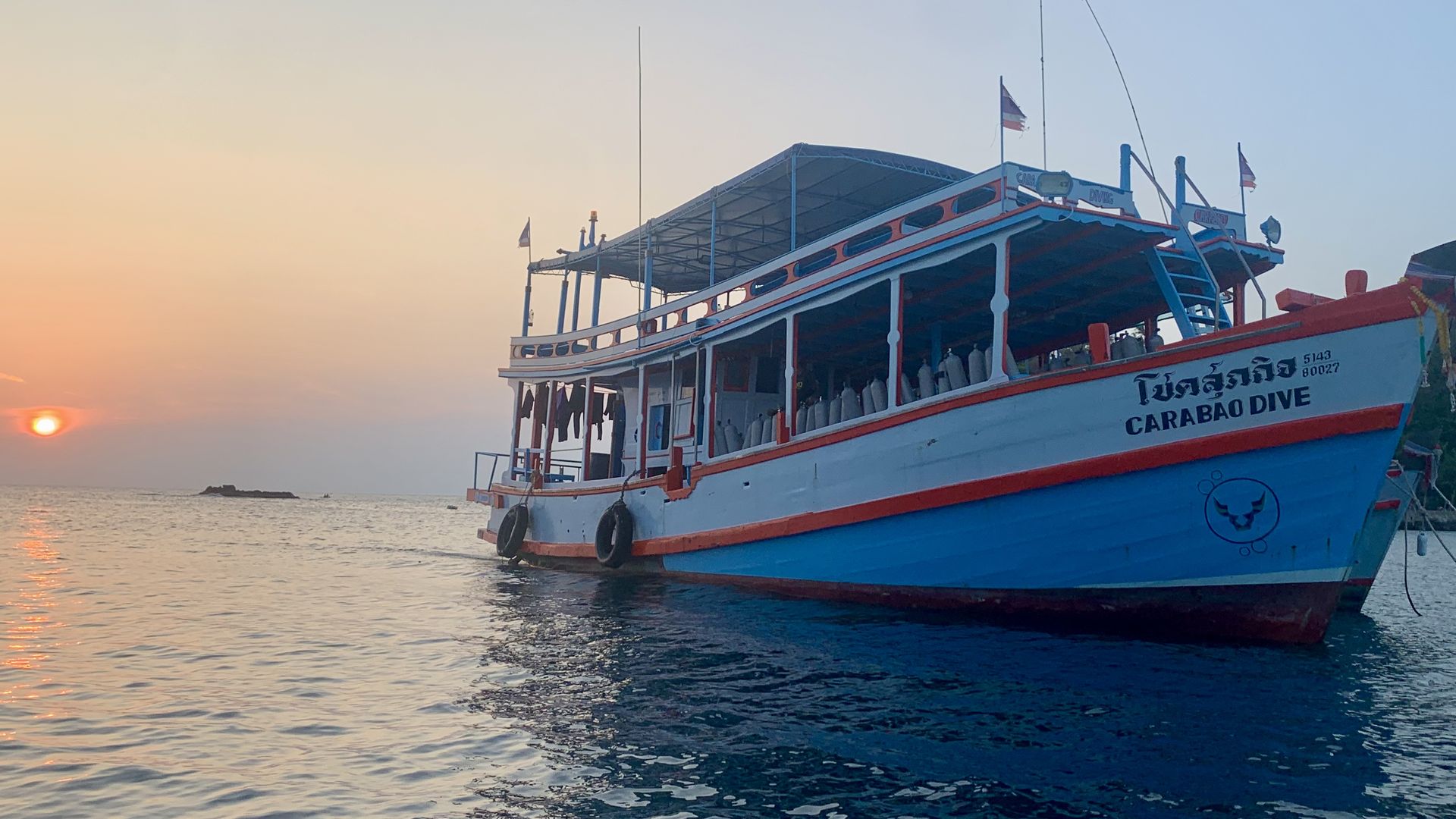
SSI dive resort · Chalok
Dive and stay in the quiet southern bay of Chalok.
Full guide →
PADI dive resort · Chalok
Courses and fun dives with a resort to stay at, in Chalok.
Full guide →Also on the island: DPM Diving and dozens more. See every dive centre on Koh Tao →