Koh Tao dive sites / No Name Pinnacle
No Name Pinnacle Koh Nang Yuan's Deep Pinnacle Dive Site
A granite pinnacle west of Twins where the crack, the big fish and a brand-new wreck all share one dive.
Koh Tao dive sites / No Name Pinnacle
A granite pinnacle west of Twins where the crack, the big fish and a brand-new wreck all share one dive.
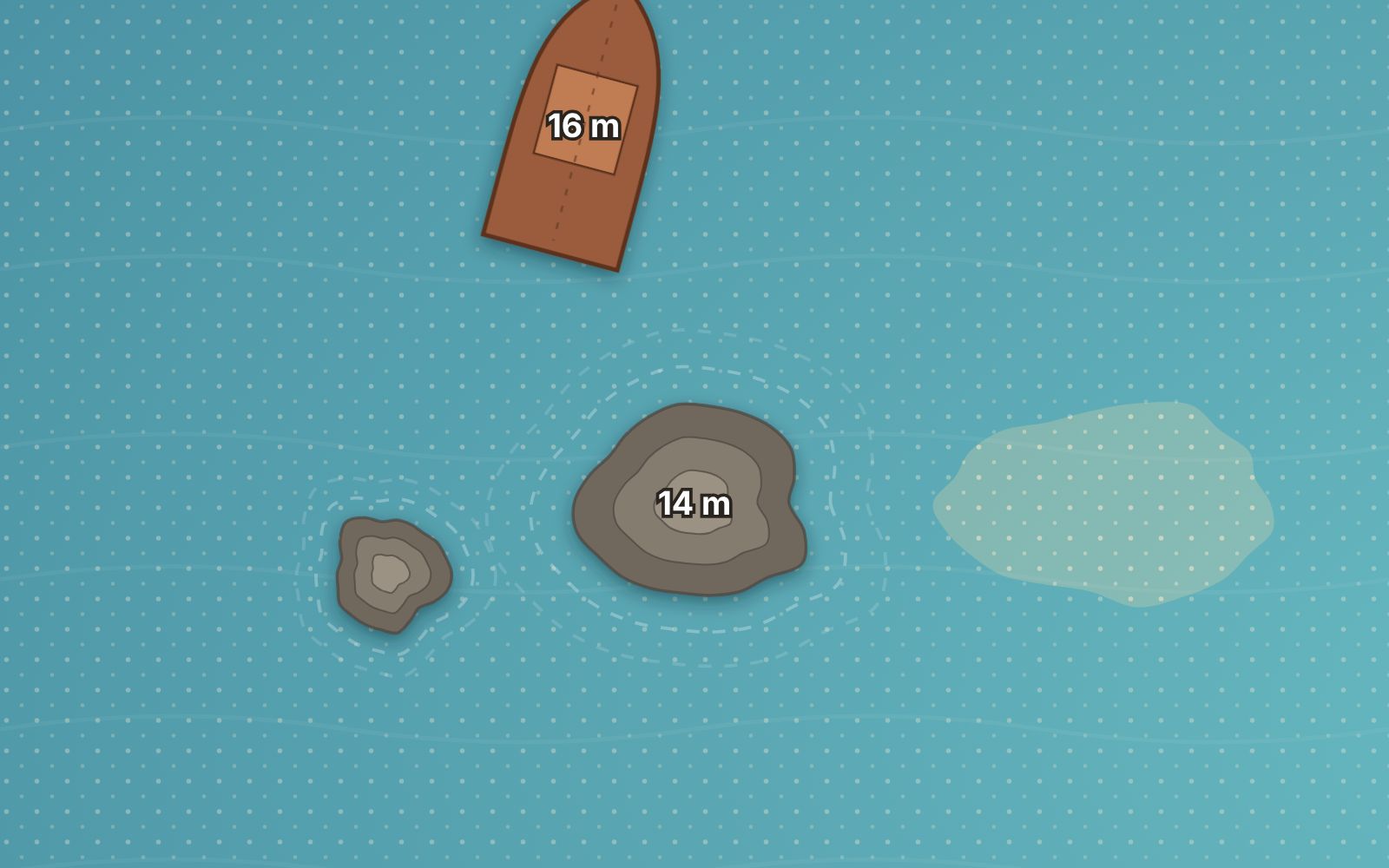
No Name Pinnacle is a submerged granite pinnacle off the west side of Koh Nang Yuan, about 200 m west of Twins Pinnacles. Among Koh Tao dive sites it is the deeper, wilder cousin of the Nang Yuan group: the top sits around 14 m, the sand starts near 20 m, and the rock keeps going toward 30 m on the far side.
Locals call it No Name, and you will also see it written as Noname Pinnacle. Divers come for three things: a big crack through the rock that works as a swim-through, a steady chance of open-water visitors, and the HTMS Suphairin wreck, which has lain just next to the pinnacle since 2023. It is an Advanced site, and a good one.
Most dives start with a descent onto the main rocks. Circle the pinnacle slowly and keep glancing out toward the deep water. That is where the bigger fish pass, and it is easy to miss them if you stare at the rock the whole time.
From here you have two good choices. You can swim to the Suphairin wreck, which lies about 15 m to the north-west on the sand, or you can cross the sand to the east for roughly five minutes and finish on the shallower rocks of Twins. A common profile is a drop-off dive on the pinnacle followed by that easy swim across to Twins.
The pinnacle's main rocks top out at about 14 m. A large crack runs between them and forms a swim-through, so bring a torch for a proper look inside. On the east side the sand begins at around 20 m. The west side slopes away into deeper water, with smaller pinnacles scattered at about 25 m.
The Suphairin wreck sits on sand in 24 to 28 m, close enough that the two sites feel like one dive. Exact depths vary with the tide and where you measure, so trust your own gauge.
The crack in the rock is the feature to look for. Groupers and morays tend to sit in the crevices around it, so approach calmly and give them room.
The crevices hold groupers and moray eels, while scorpionfish and yellowmargin triggerfish are regulars. Fusiliers, trevally and barracuda cruise around the rock.
The HTMS Suphairin was sunk here in 2023 as an artificial reef, and it changed how people dive the area. It lies upright on sand about 15 m from the pinnacle, so Advanced divers can see a natural rock and a warship in a single outing. It also works as a wreck-specialty training dive. Our full guide to the HTMS Suphairin wreck covers the ship itself.
Current is usually mild to moderate, but it can run strong, so listen carefully to the briefing. Visibility swings a lot, from a murky few metres to 30 m on a clear day. A thermocline is possible, so a thicker suit does not hurt.
This is one of the best deep dives during the northeast monsoon, because it is the only partly sheltered deep site around Koh Tao at that time. The wreck side is at its best from March to September. In June to August the southeast monsoon wind and waves can make the west side bumpy, and swell on the west coast is possible in winter.
If you are visiting in the northeast monsoon, ask your dive centre about No Name when the east and north of the island are choppy. It is one of the few deep options that can still run.
This is a deep site, up to around 30 m, so expect narcosis and shorter no-decompression times. Current can pick up, and visibility can drop fast. Dive it with a guide, keep your ascent controlled, and stay out of the wreck unless you hold wreck training.
The top of the pinnacle is at about 14 m, sand starts near 20 m, and the maximum depth is around 30 m.
Advanced Open Water, because of the depth and the current.
Yes. The wreck lies about 15 m north-west of the pinnacle, so most boats combine them.
It is the best deep option during the northeast monsoon. The wreck side is best from March to September.
Groupers, morays, scorpionfish, trevally and barracuda, plus occasional queenfish, cobia, a Jenkins whipray, ornate ghost pipefish and even a whale shark.
A purpose-built reef of concrete sculptures and obstacles, a short swim north of Twins.
16 to 28 mA 45 m Royal Thai Navy fast attack craft, sunk in 2023 and already collecting fish and coral.
5 to 20 mThree granite pinnacles on flat white sand, and the place where thousands of divers log their first proper dives.
1 to 15 mA shallow, sheltered coral bay on Koh Nang Yuan where many divers take their first breaths underwater.
Learn to dive
Koh Tao is one of the best places in the world to learn to dive: warm, calm water, sites a short boat ride away and schools for every style. Here are the courses most schools offer and the dive schools we know and trust. Schedules, course length and prices are set by each school.
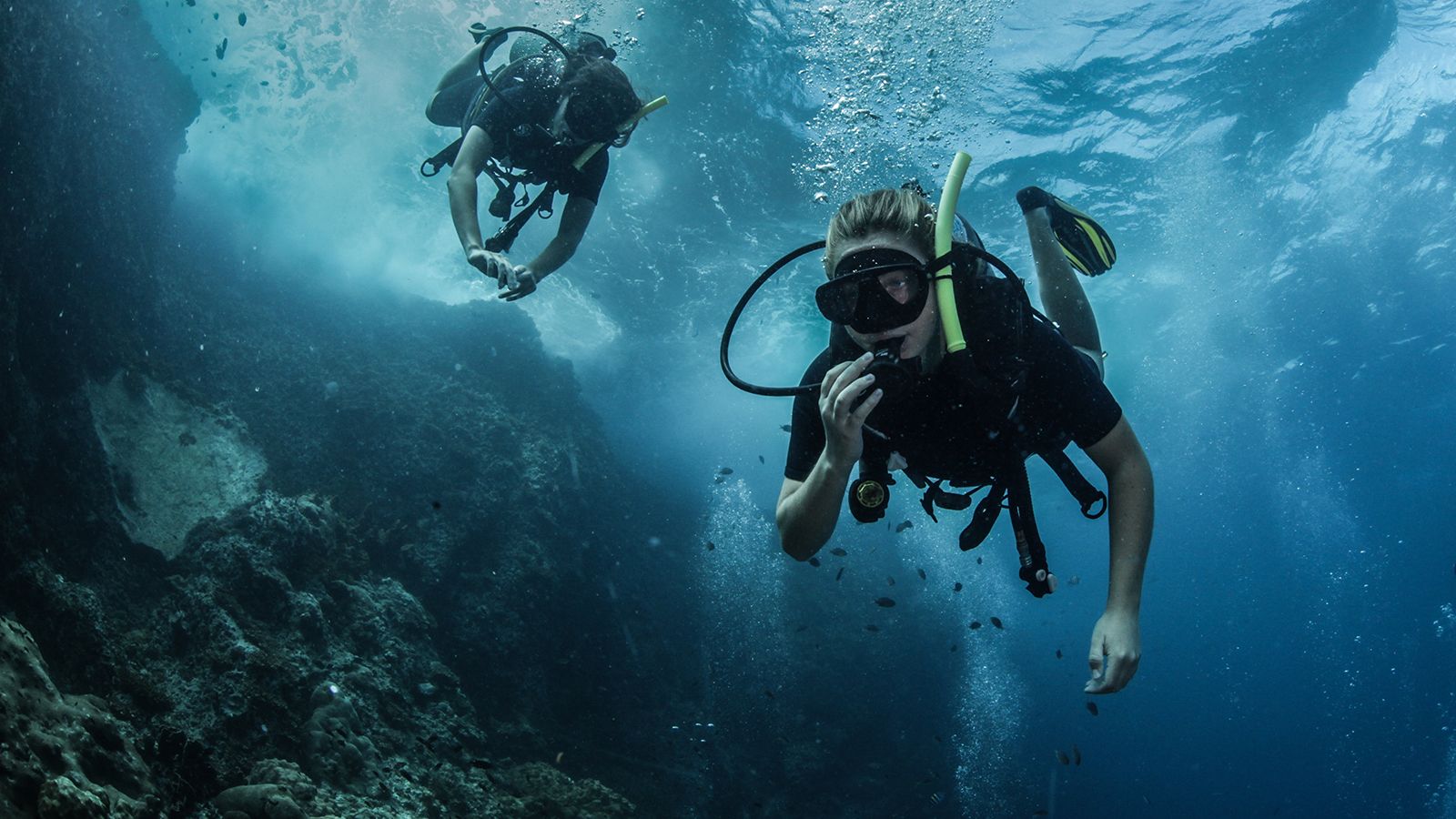
PADI 5-Star · Sairee
PADI 5-Star IDC on Sairee Beach: small groups, every level, taught in seven languages.
Full guide →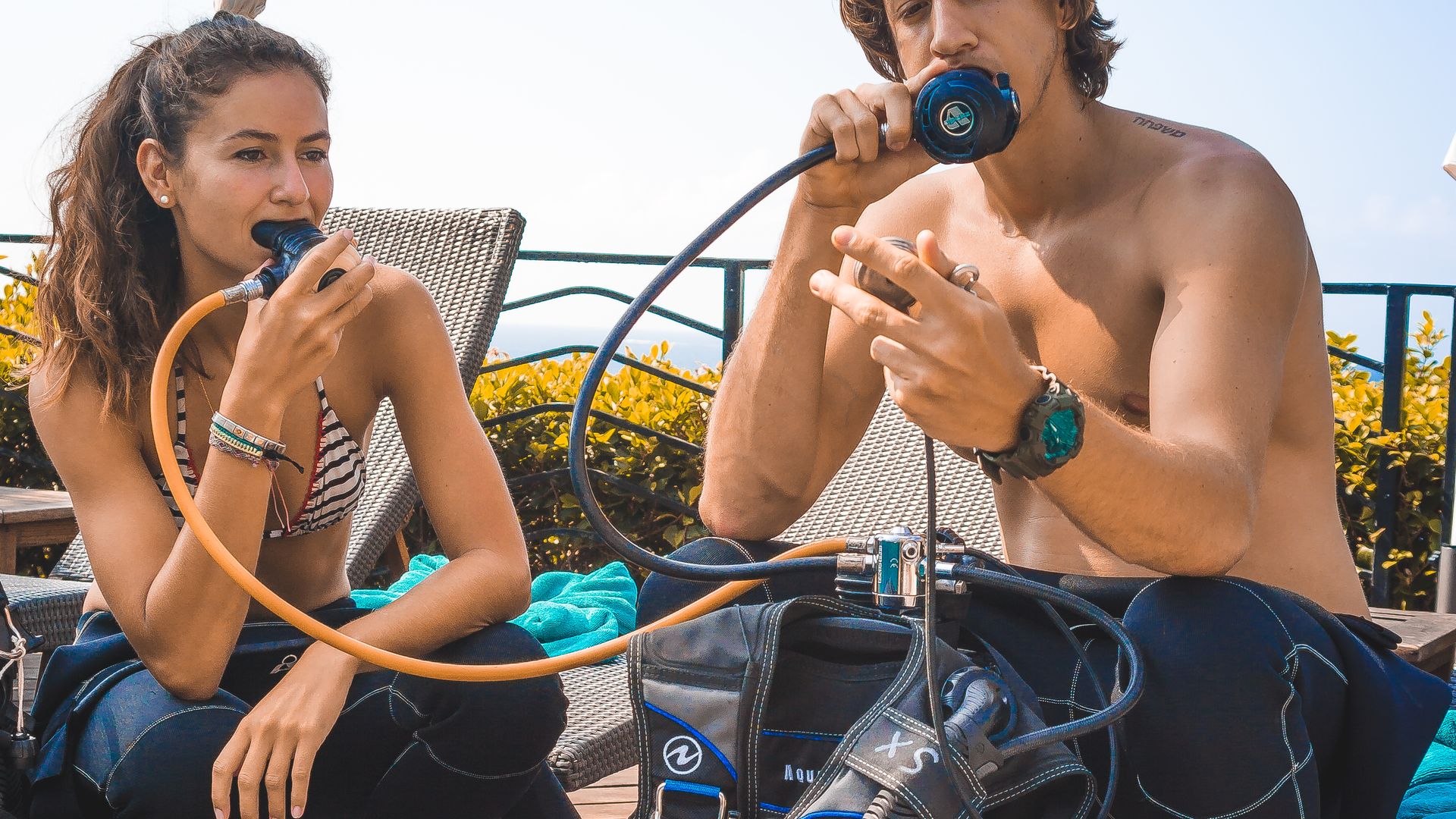
Private club · South coast
Very small classes, a training pool and boats straight from the resort pier.
Full guide →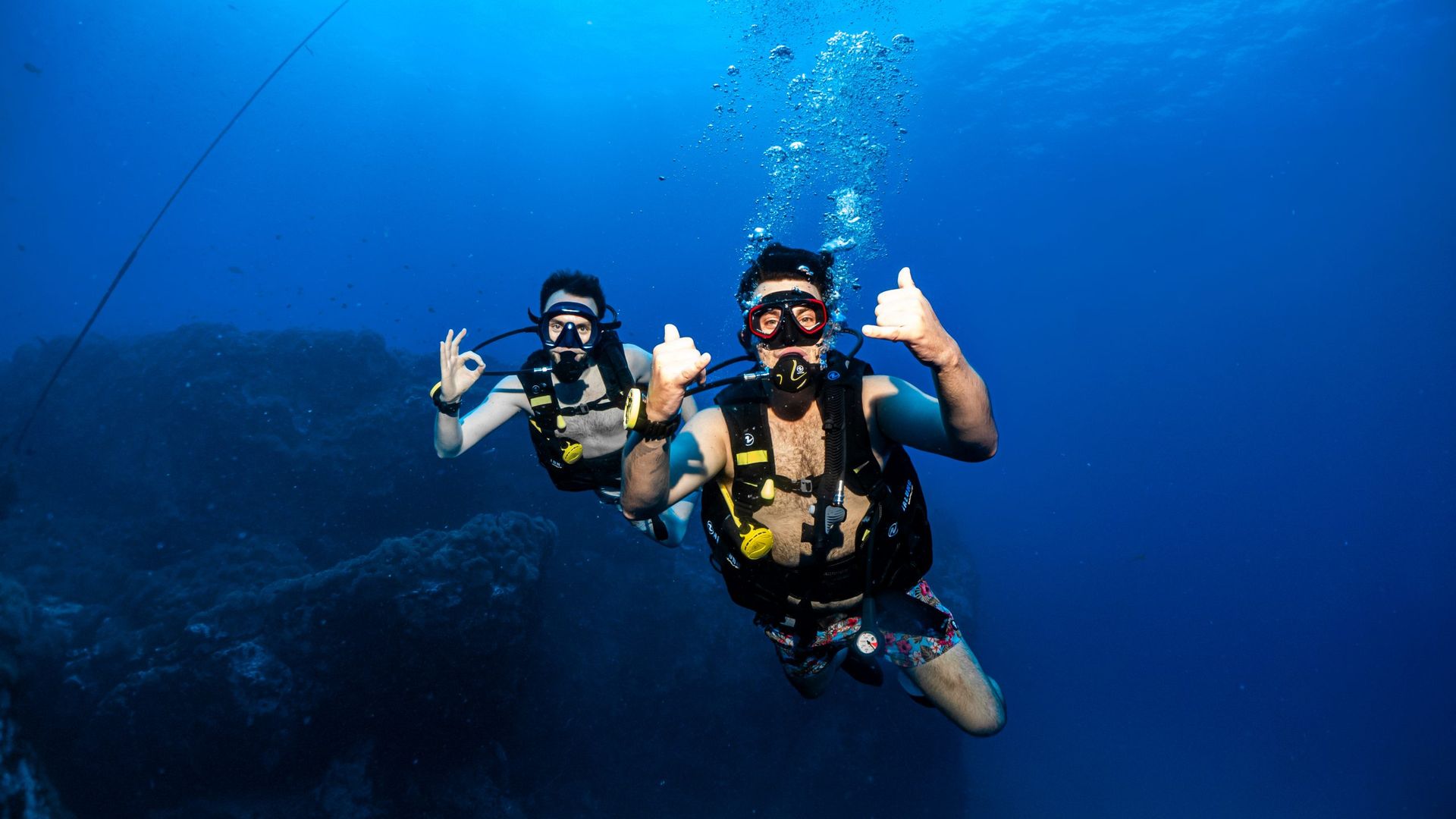
Dive school · Mae Haad
Groups of four, two minutes from the pier, from Open Water to instructor.
Full guide →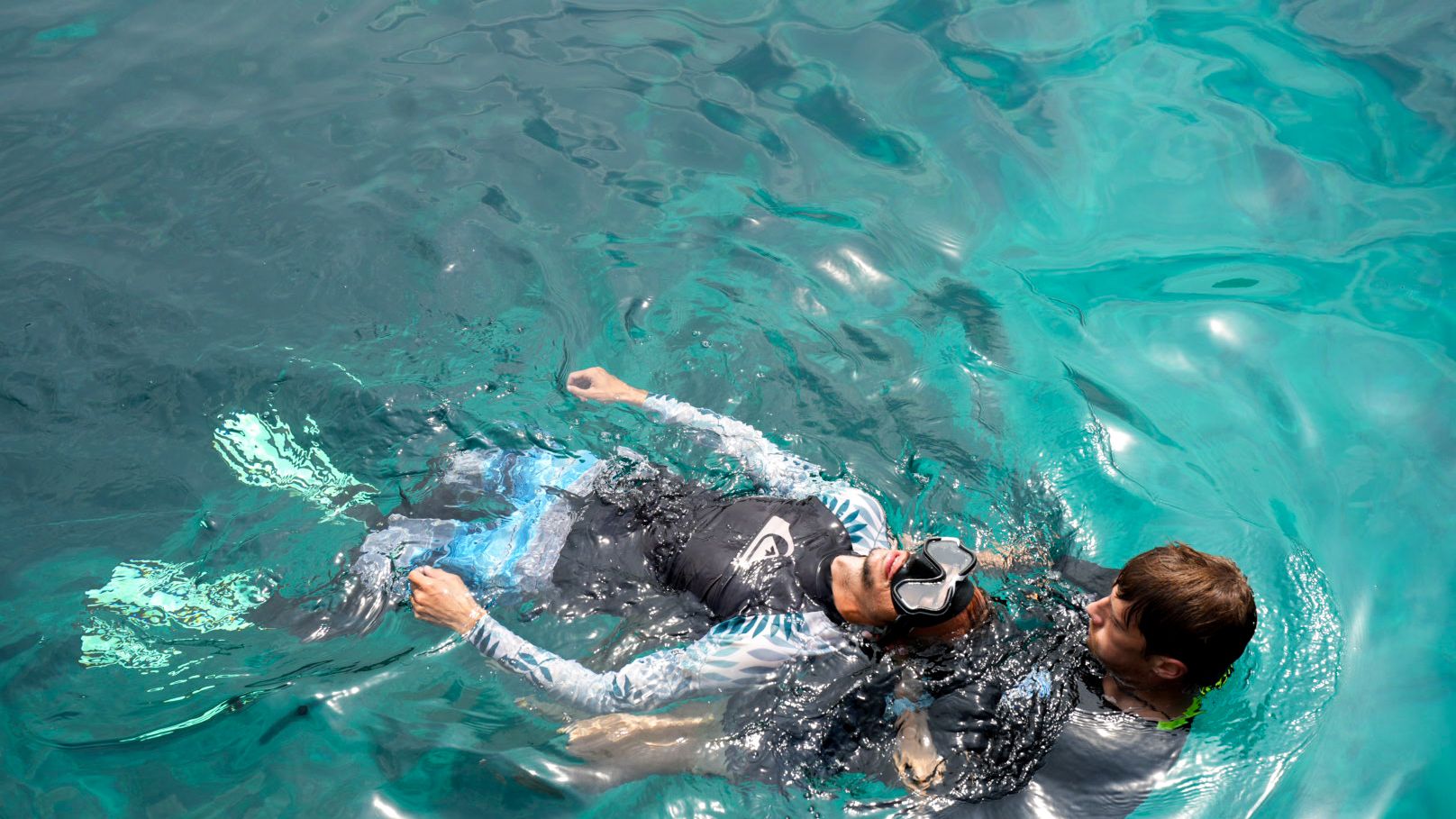
French dive school · Mae Haad & Chalok
Courses in French since 2012: SSI and CMAS / FFESSM, groups of four, first dive to instructor.
Full guide →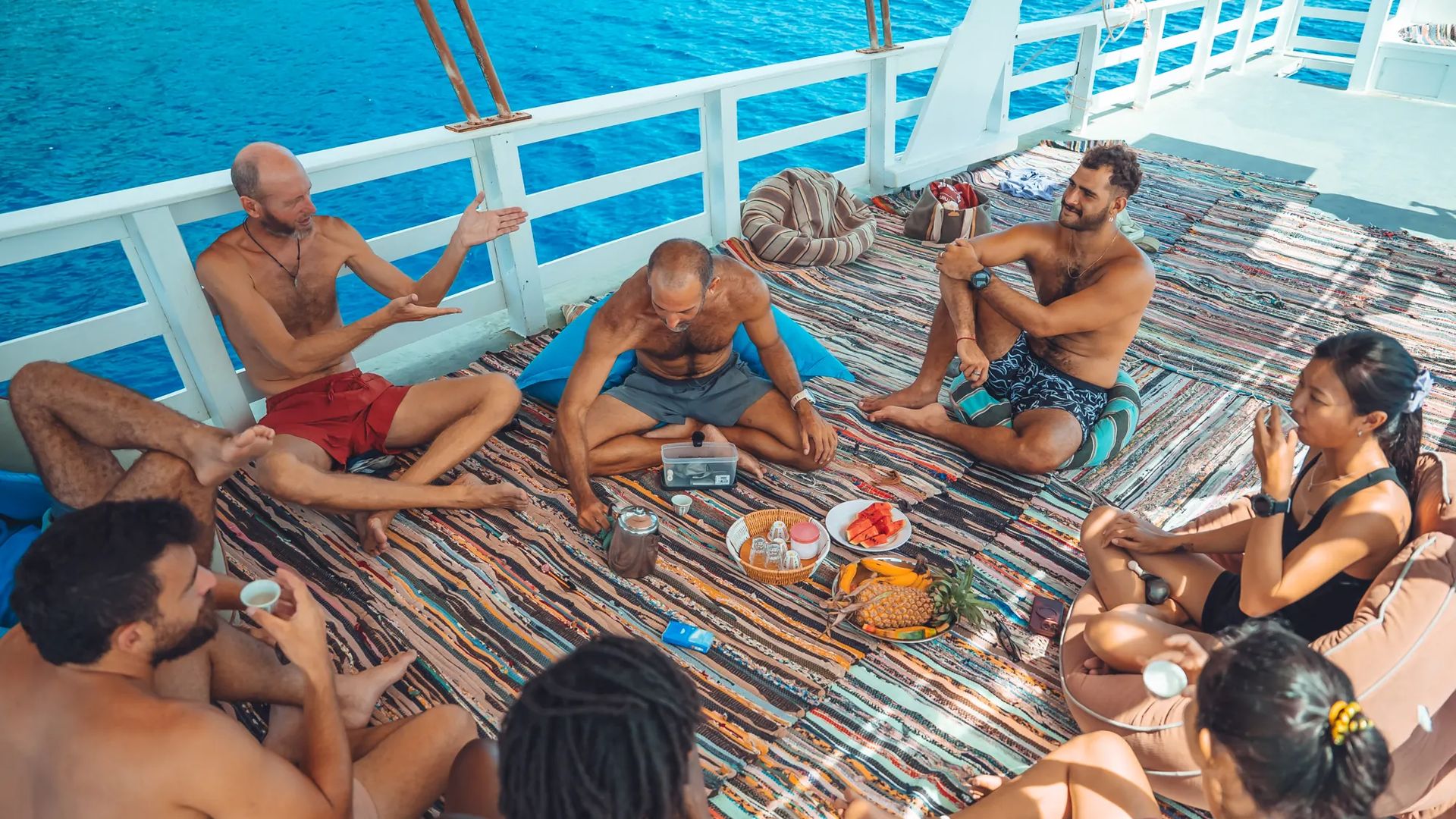
Freediving & yoga · Mae Haad
Learn to freedive on one breath, with breathwork and yoga in a sea-view shala.
Full guide →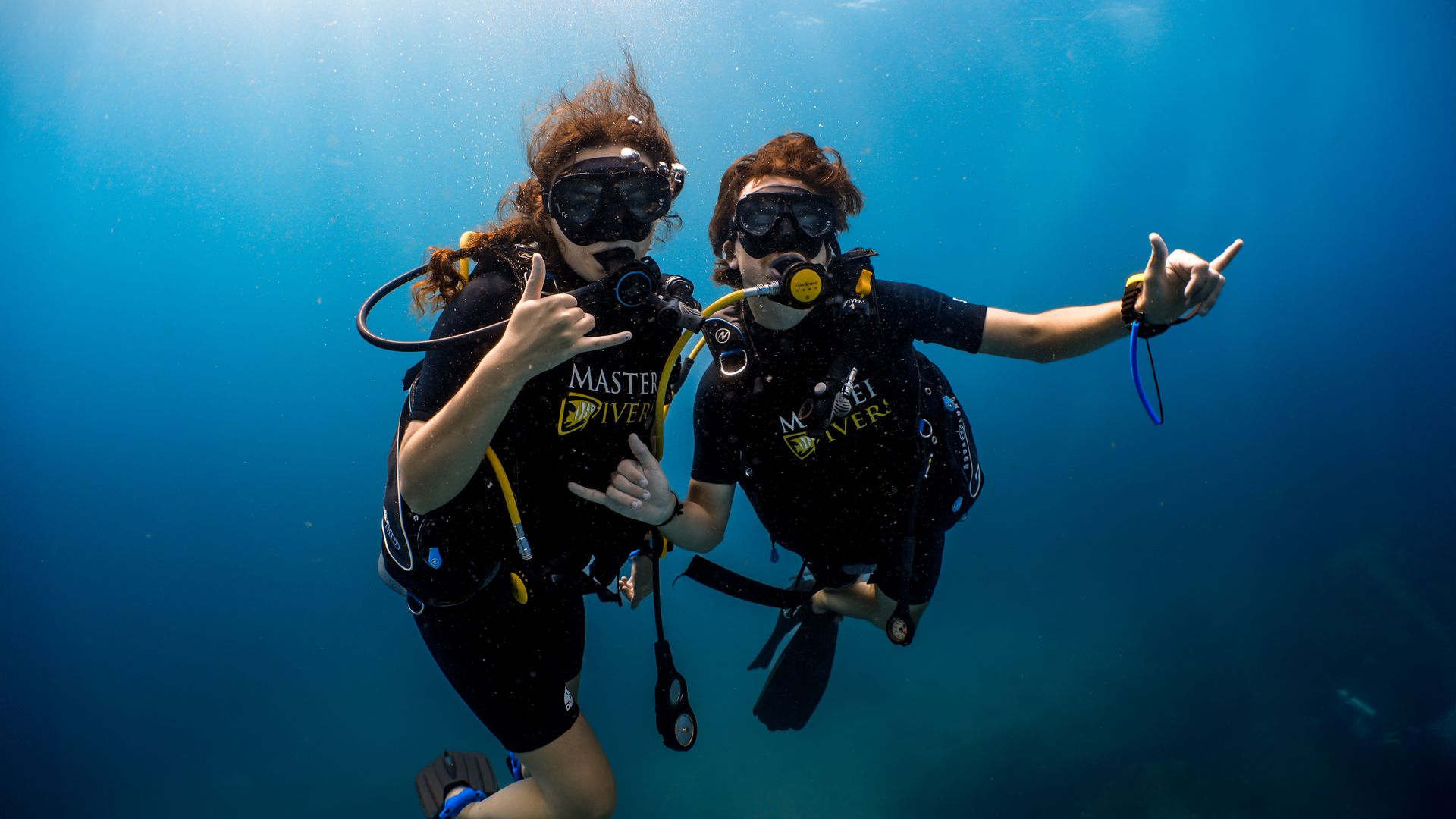
PADI 5-Star CDC · Mae Haad
One of the island's most established dive centres, with a focus on pro training.
Full guide →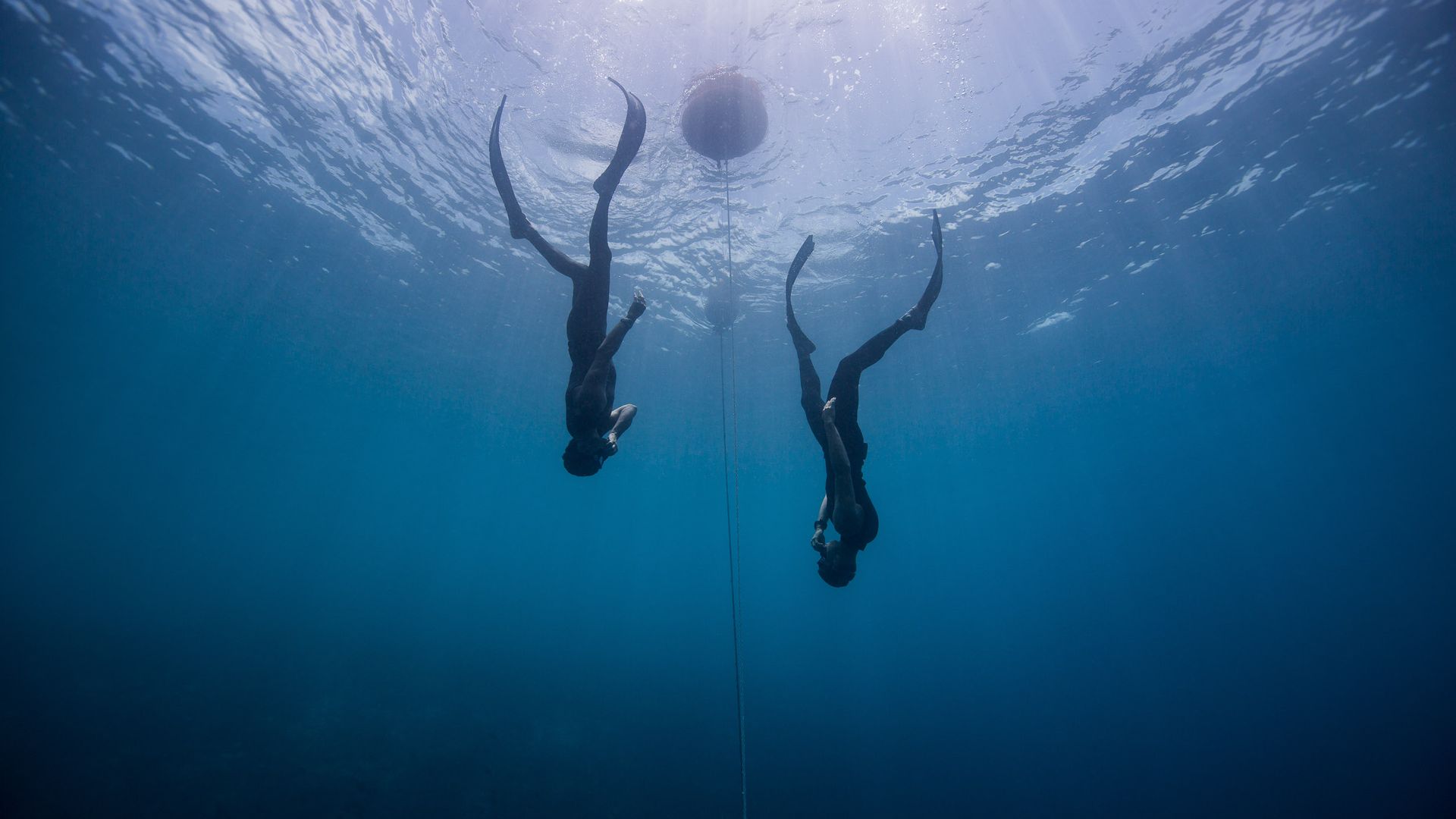
Freediving · Sairee
Personal freediving courses with experienced instructors off Sairee Beach.
Full guide →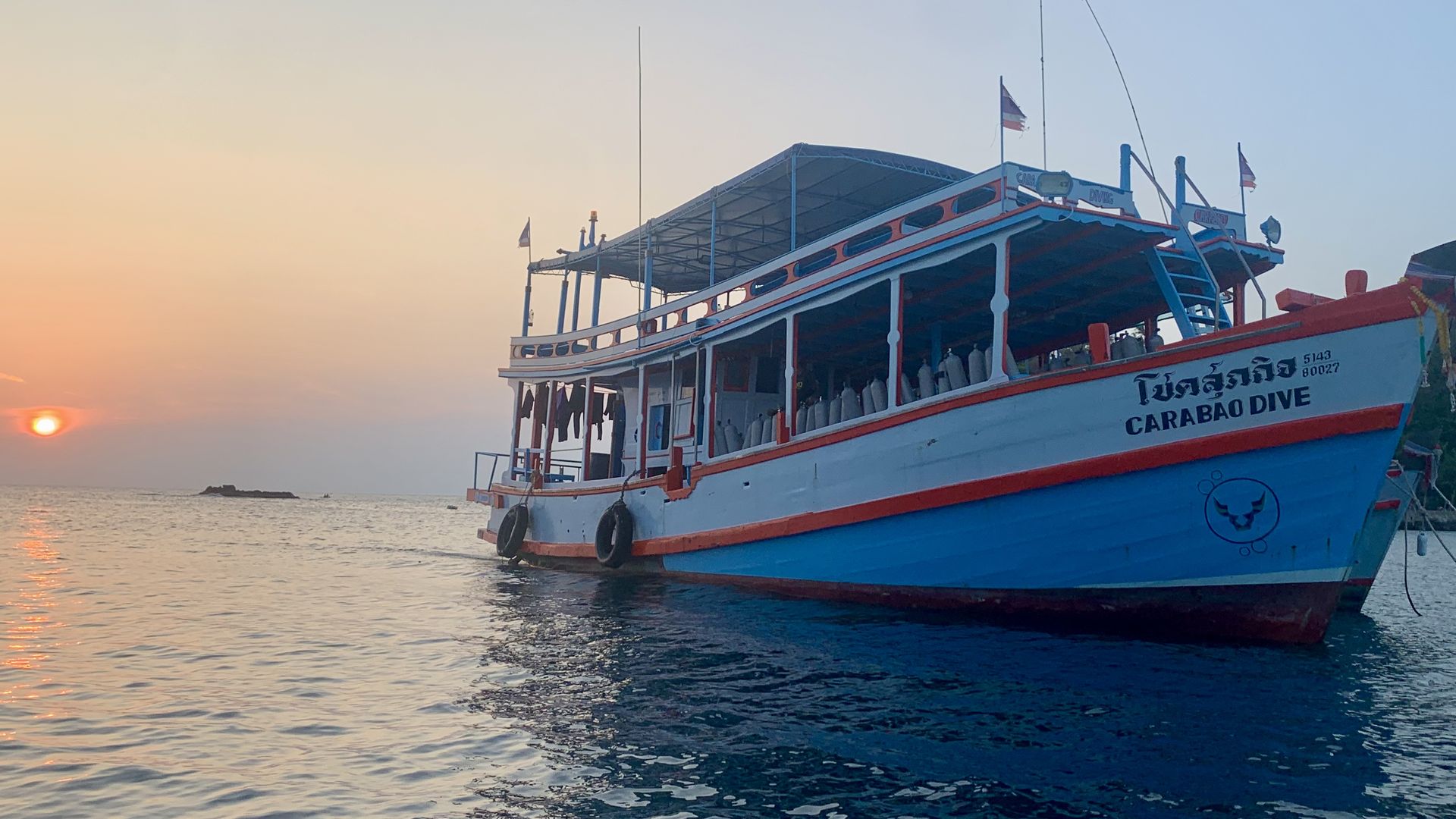
SSI dive resort · Chalok
Dive and stay in the quiet southern bay of Chalok.
Full guide →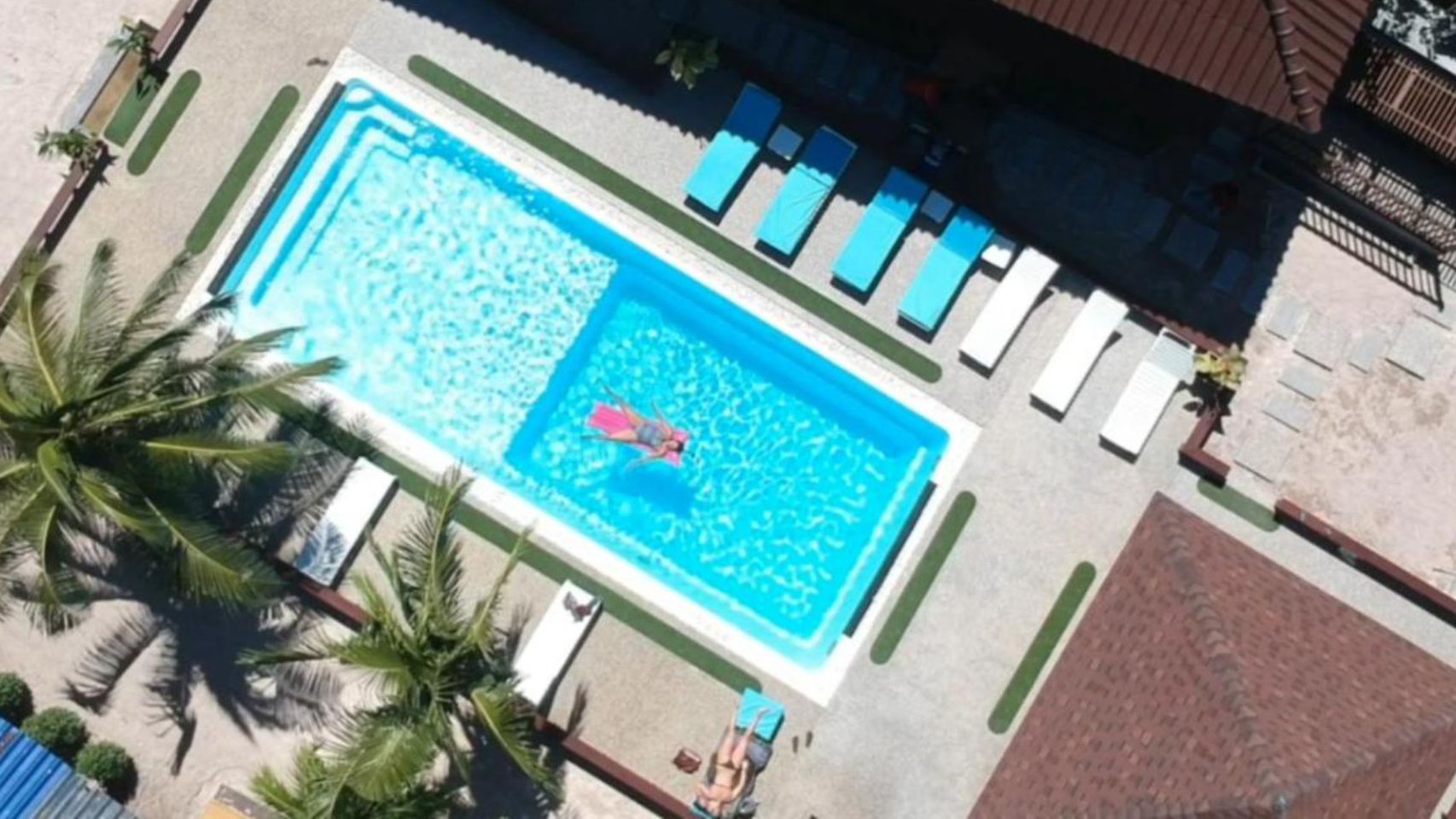
PADI dive resort · Chalok
Courses and fun dives with a resort to stay at, in Chalok.
Full guide →Also on the island: DPM Diving and dozens more. See every dive centre on Koh Tao →