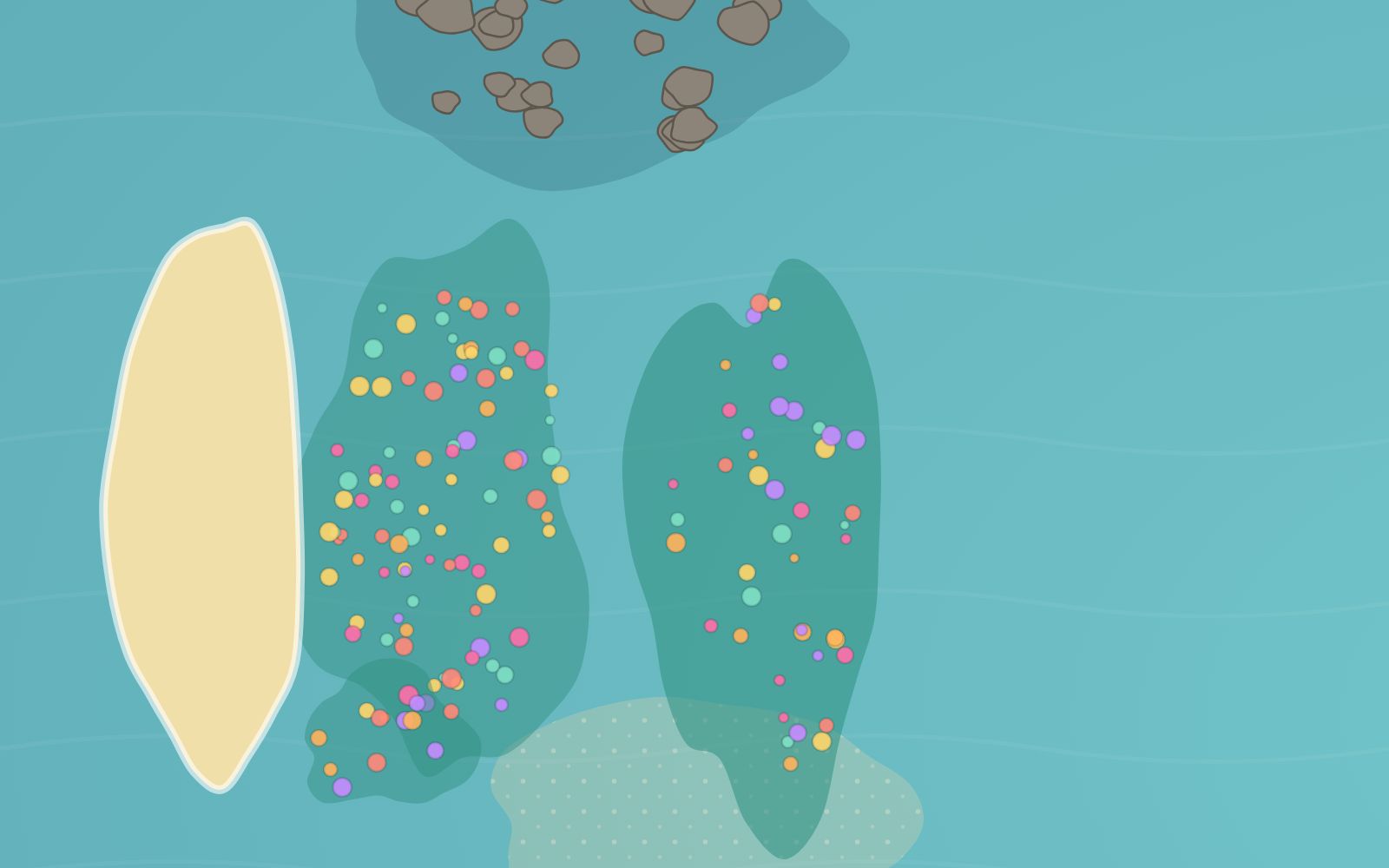
Koh Tao dive sites / Lighthouse Bay
Lighthouse Bay Koh Tao's North-East Bay & Lighthouse Pinnacle
A sheltered coral bay at the north-east tip, with a granite pinnacle just a short swim away.
Koh Tao dive sites / Lighthouse Bay
A sheltered coral bay at the north-east tip, with a granite pinnacle just a short swim away.
Lighthouse Bay sits at the north-eastern tip of Koh Tao, named for the tiny lighthouse on the cliffs above it. It is a small, sheltered bay with a sandy beach, a granite shoreline and steep jungle on three sides. Dive boats take 15 to 25 minutes to reach it, and some trips go by taxi to the east side and a shuttle boat instead.
The bay is shallow and calm enough for snorkellers, first-time divers and photographers, with dense coral and plenty of small life. Just offshore, about a five-minute swim north, Lighthouse Pinnacle gives more experienced divers a taller, deeper dive in the same spot.
The usual plan is a boat drop on the edge of the bay, then a slow drift along the rock wall and coral field into the shallows. It is a relaxed dive that keeps you in the 3 to 14 m range, with plenty of time to look closely at the coral.
Divers who want more can swim north first to the large boulder formations on the northern side, and on to Lighthouse Pinnacle.
Lighthouse Bay is used for Discover Scuba Diving, Open Water course dives, refreshers, Underwater Naturalist and photography courses, thanks to the shelter and shallow depth. Photographers like the coral field, where the subjects are shallow and close.
The bay is a shallow bowl opening to the north-east. Close to the beach, a coral field sits at 3 to 6 m. It gives way to sand and a rock wall with coral displays between roughly 5 and 14 m. Granite boulders and coral bommies are scattered across the slope.
Toward the outer reef edge the bottom may continue to around 18 to 22 m, depending on where you measure. The northern rocks hold the biggest boulders and are where experienced divers like to spend their time. Roped snorkel areas sit near the shore.
The depth figures differ a little between dive centres. Most put the coral field at 3 to 6 m and the maximum at 12 to 14 m, while one describes the range as 5 to 18 m. Either way, the heart of the dive is the shallow, colourful part, and you will not need to go deep to enjoy it.
Turtles are often seen grazing in the shallow coral field, which is one of the best reasons to come. Table coral, staghorn and mottled coral are dense here, and barrel sponges and table corals act as apartment blocks for small fish. Anemones on the boulders shelter pink anemonefish.
Lighthouse Pinnacle is a separate granite tower just offshore, about a five-minute swim north of the bay. It rises from around 25 to 30 m up to within roughly 5 to 8 m of the surface, with swim-throughs and ledges to explore on the way.
Current here is mild to moderate and lighter than at some east-coast sites, though stronger water can show up past the headland. That makes it Advanced-friendly: a good second dive if you have the depth certification and want something more dramatic than the bay.
Note that depths at the pinnacle vary with where you measure, and the top can sit anywhere in the 5 to 8 m range. The rock is also a short swim from the bay, so some groups combine the two on a single dive, while others return for it as a second dive.
Inside the bay there is little to no current. Visibility is usually 5 to 10 m, and up to 25 m or more on a good day, and it is better in the calm months. March to October is the best stretch, and the bay is also dived during the June to September south-west monsoon.
From late October into the north-east monsoon, the water gets rough and murky. The eastern side is generally avoided and boats use the western side instead.
Mostly 3 to 14 m, with the coral field at 3 to 6 m. The outer reef edge can reach 18 to 22 m.
Yes. Roped-off snorkel areas sit near the shore, and turtles and shallow coral are easy to reach.
In the north-east monsoon, usually from late October, the eastern side is avoided and the western side is dived instead.
A granite pinnacle just offshore, about a five-minute swim north of the bay, rising from roughly 25 to 30 m to within 5 to 8 m of the surface.
A calm, shallow bay on the north coast, made for first dives, snorkellers and sand-bottom critter hunters.
8 to 40 mThe east coast's big dive: a chain of granite boulders covered in soft corals, with a trench, swim-throughs and hunting fish.
2 to 20 mA big boulder-strewn horseshoe on the wild east side, with coral bommies, crevices and blacktip reef sharks.
3 to 22 mA granite pinnacle just off Koh Nang Yuan, with a cave swim and a drift finish into Japanese Gardens.
Learn to dive
Koh Tao is one of the best places in the world to learn to dive: warm, calm water, sites a short boat ride away and schools for every style. Here are the courses most schools offer and the dive schools we know and trust. Schedules, course length and prices are set by each school.
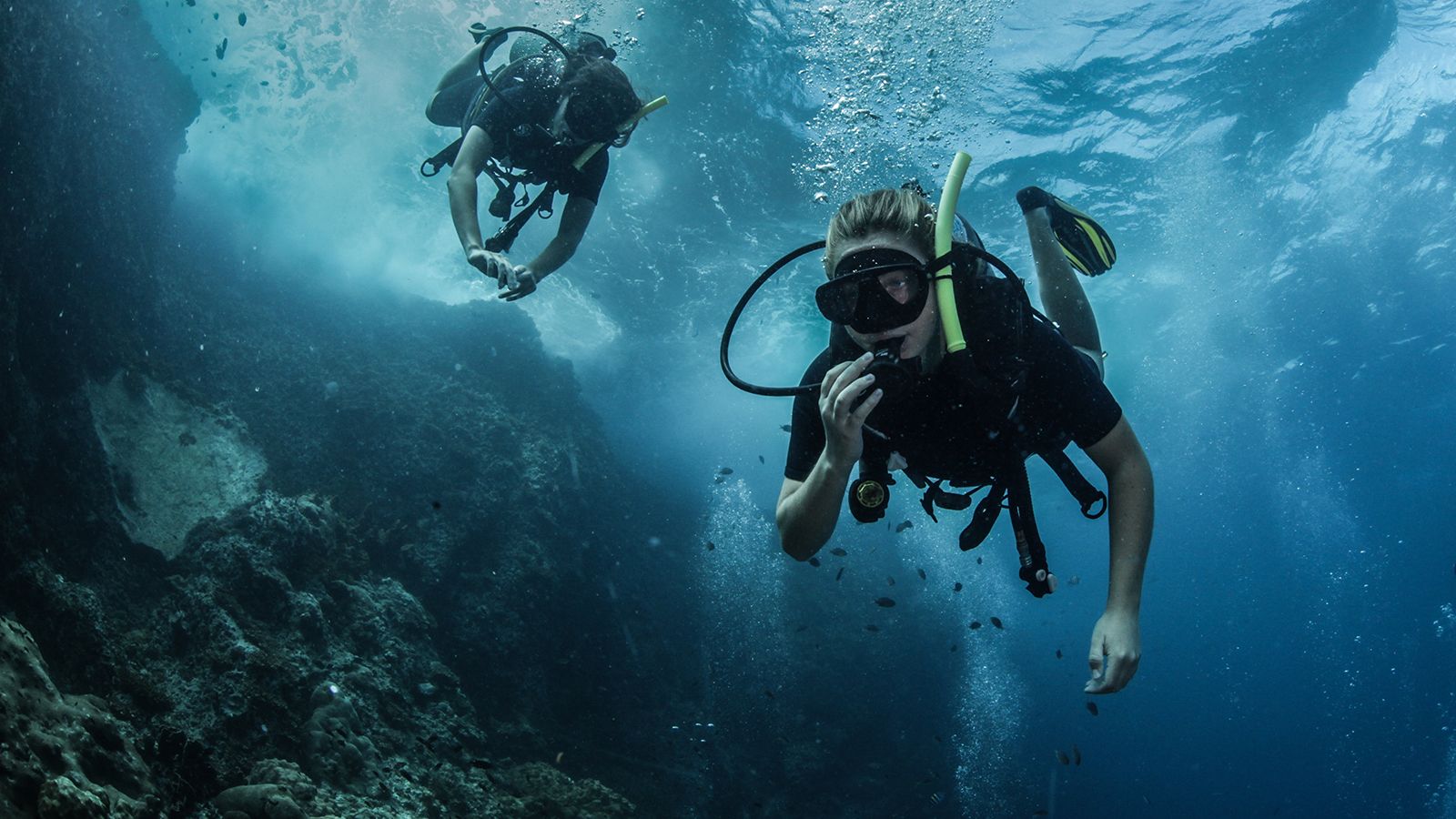
PADI 5-Star · Sairee
PADI 5-Star IDC on Sairee Beach: small groups, every level, taught in seven languages.
Full guide →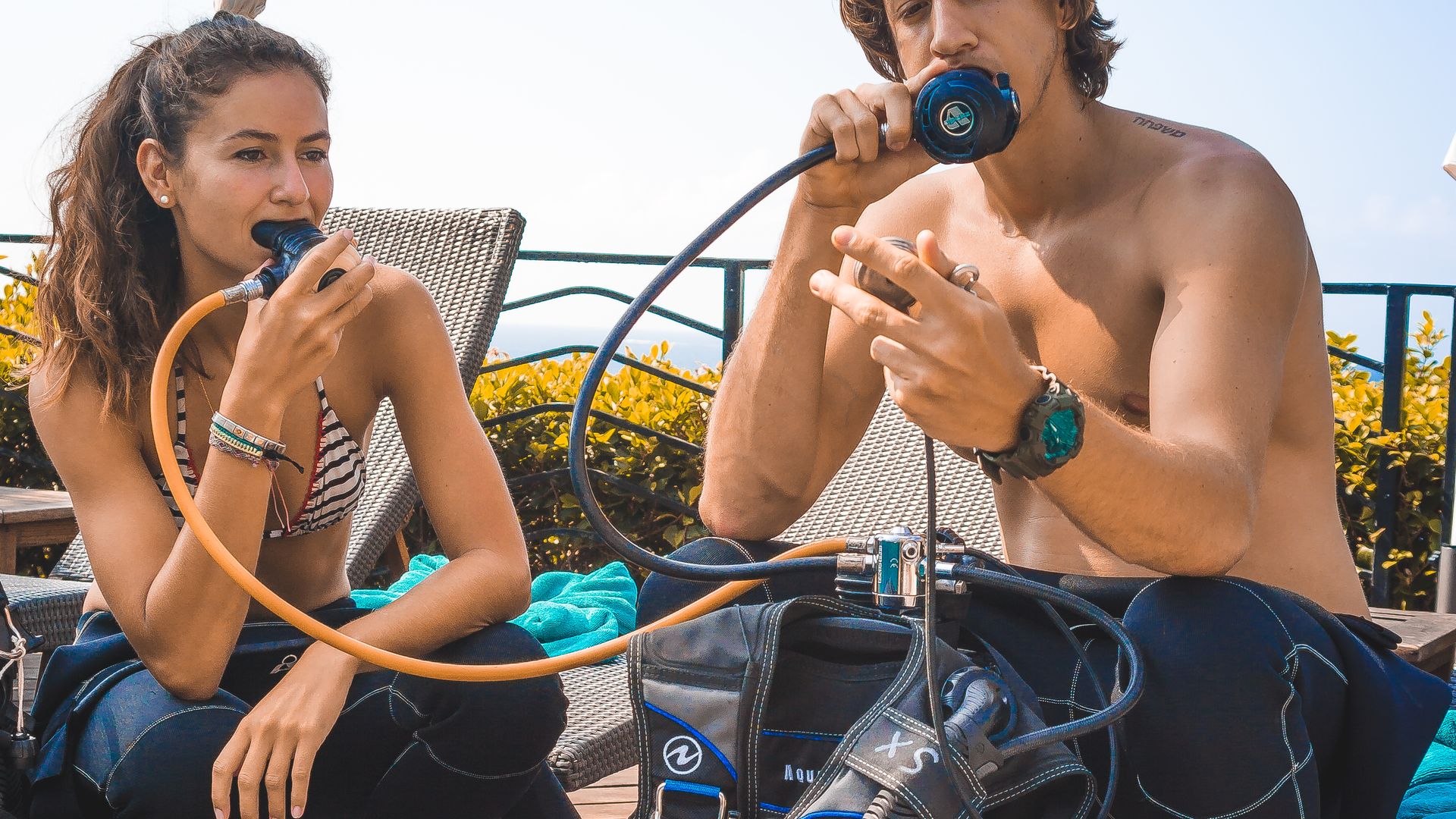
Private club · South coast
Very small classes, a training pool and boats straight from the resort pier.
Full guide →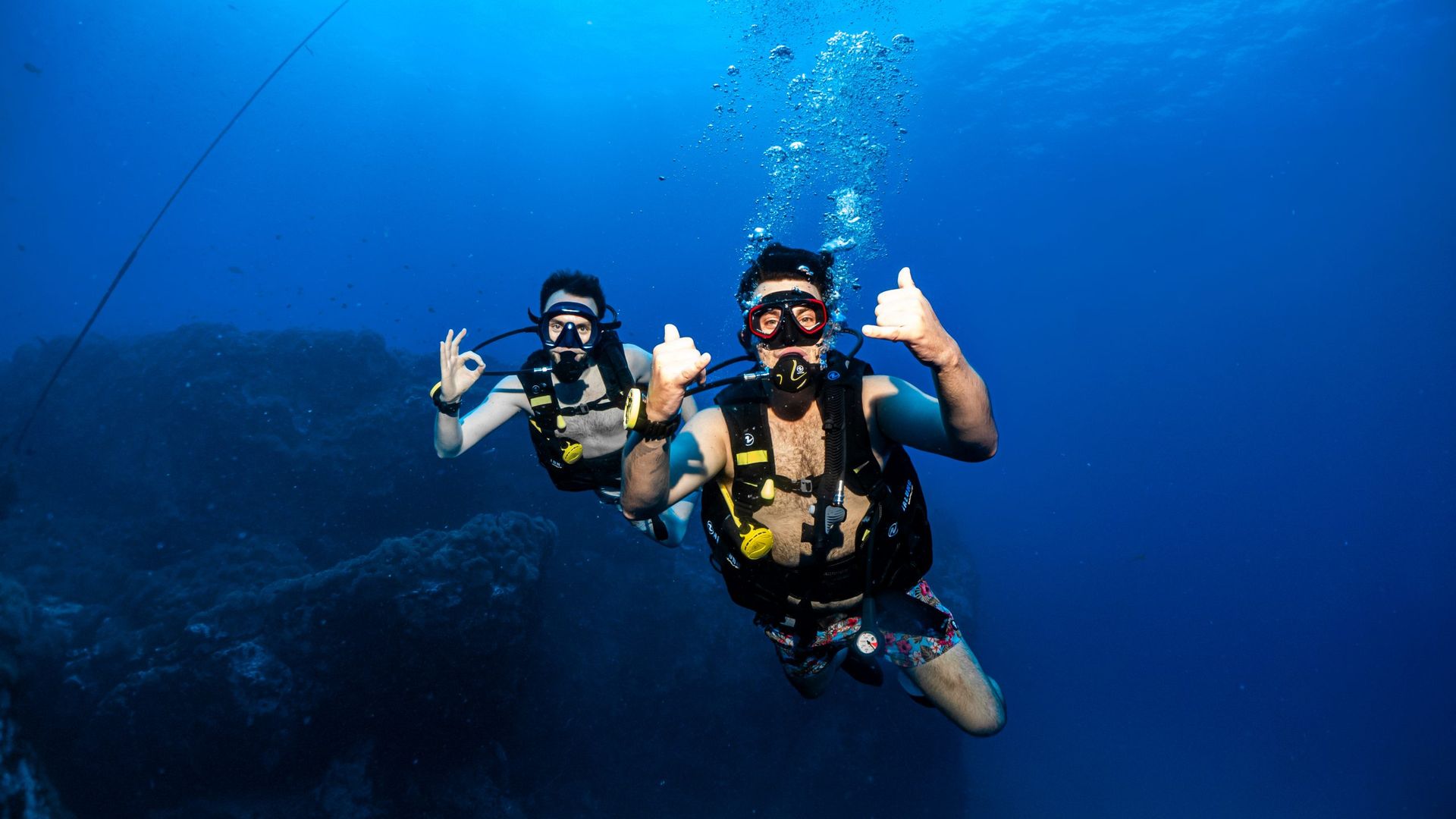
Dive school · Mae Haad
Groups of four, two minutes from the pier, from Open Water to instructor.
Full guide →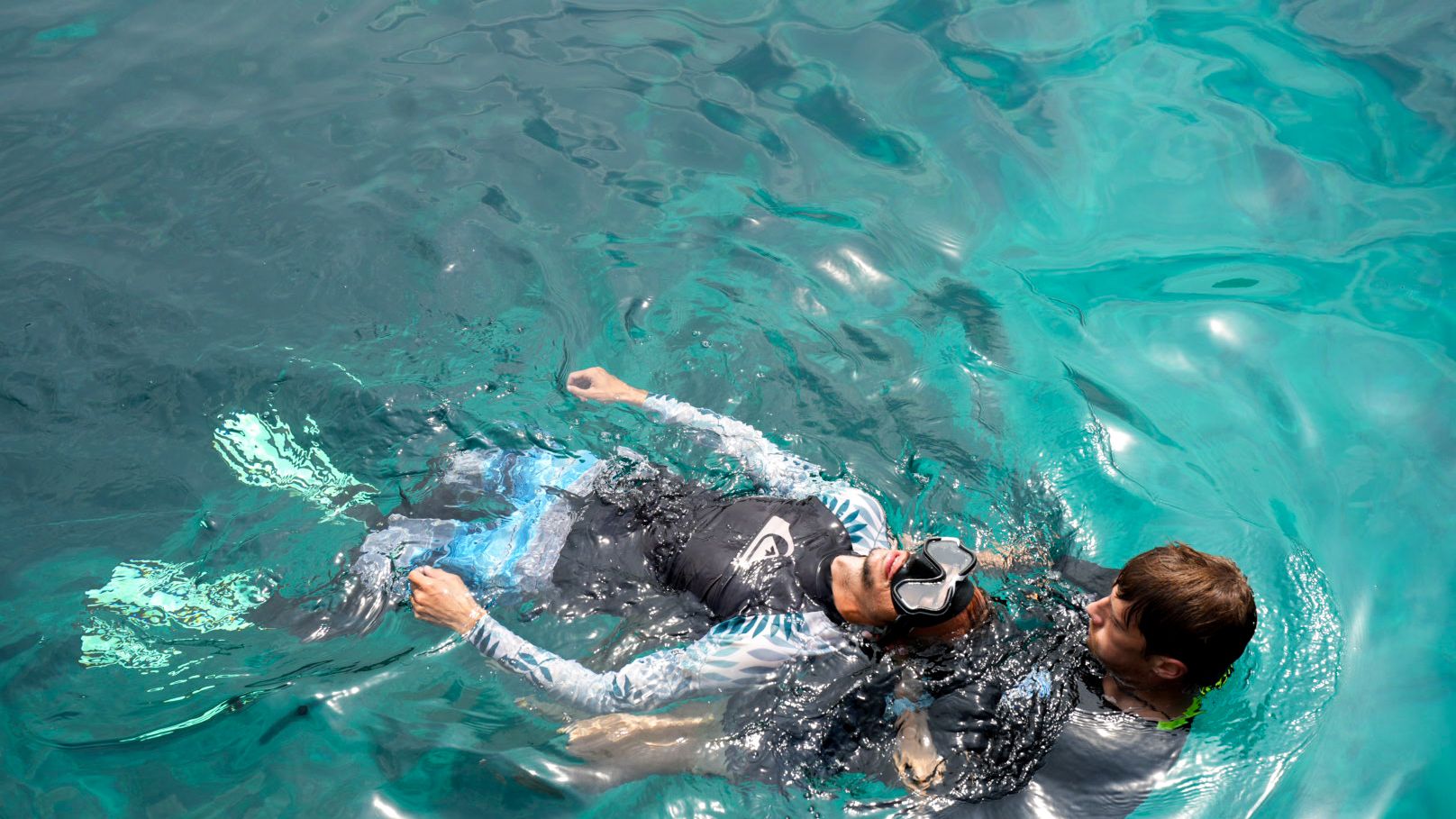
French dive school · Mae Haad & Chalok
Courses in French since 2012: SSI and CMAS / FFESSM, groups of four, first dive to instructor.
Full guide →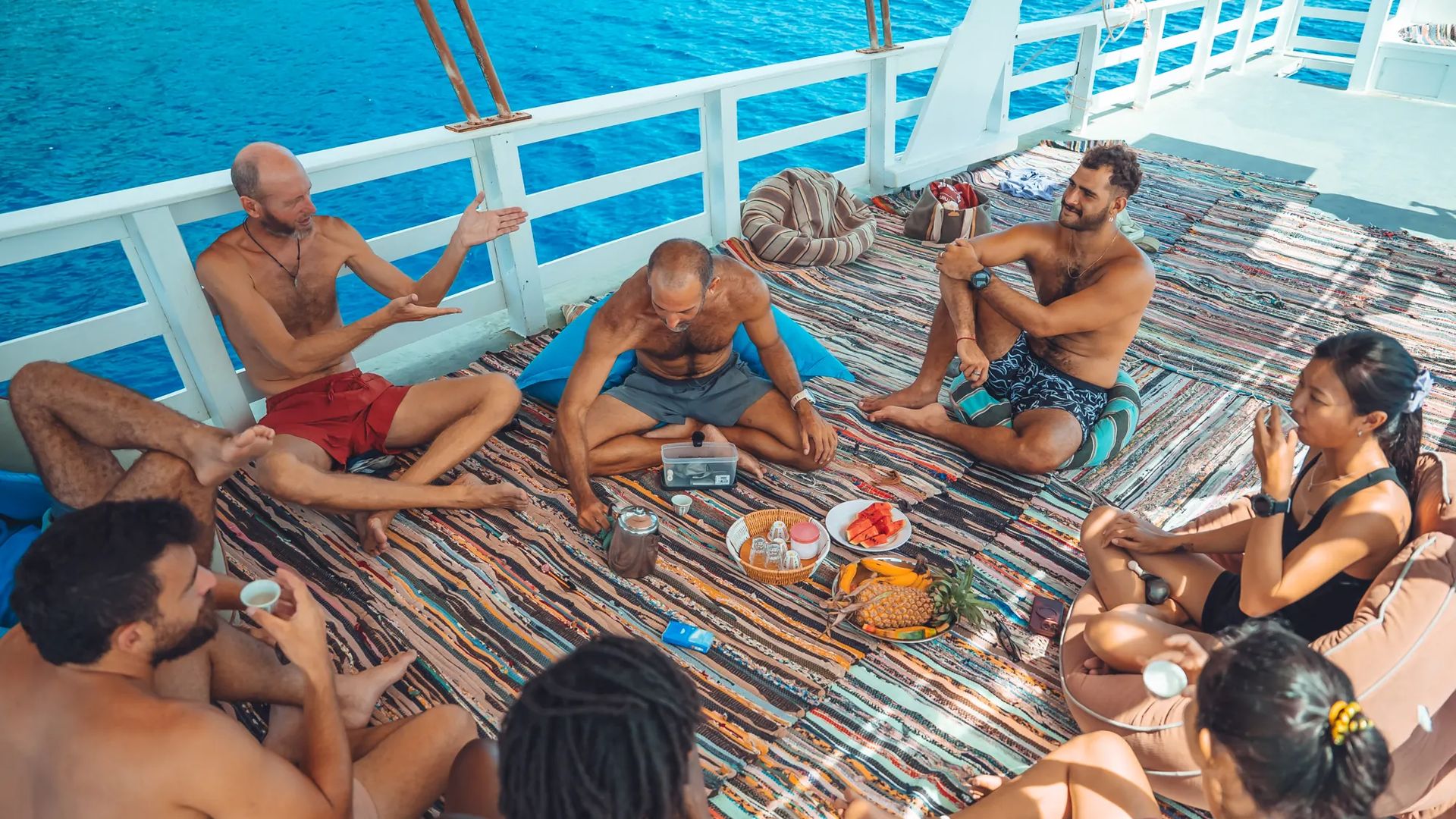
Freediving & yoga · Mae Haad
Learn to freedive on one breath, with breathwork and yoga in a sea-view shala.
Full guide →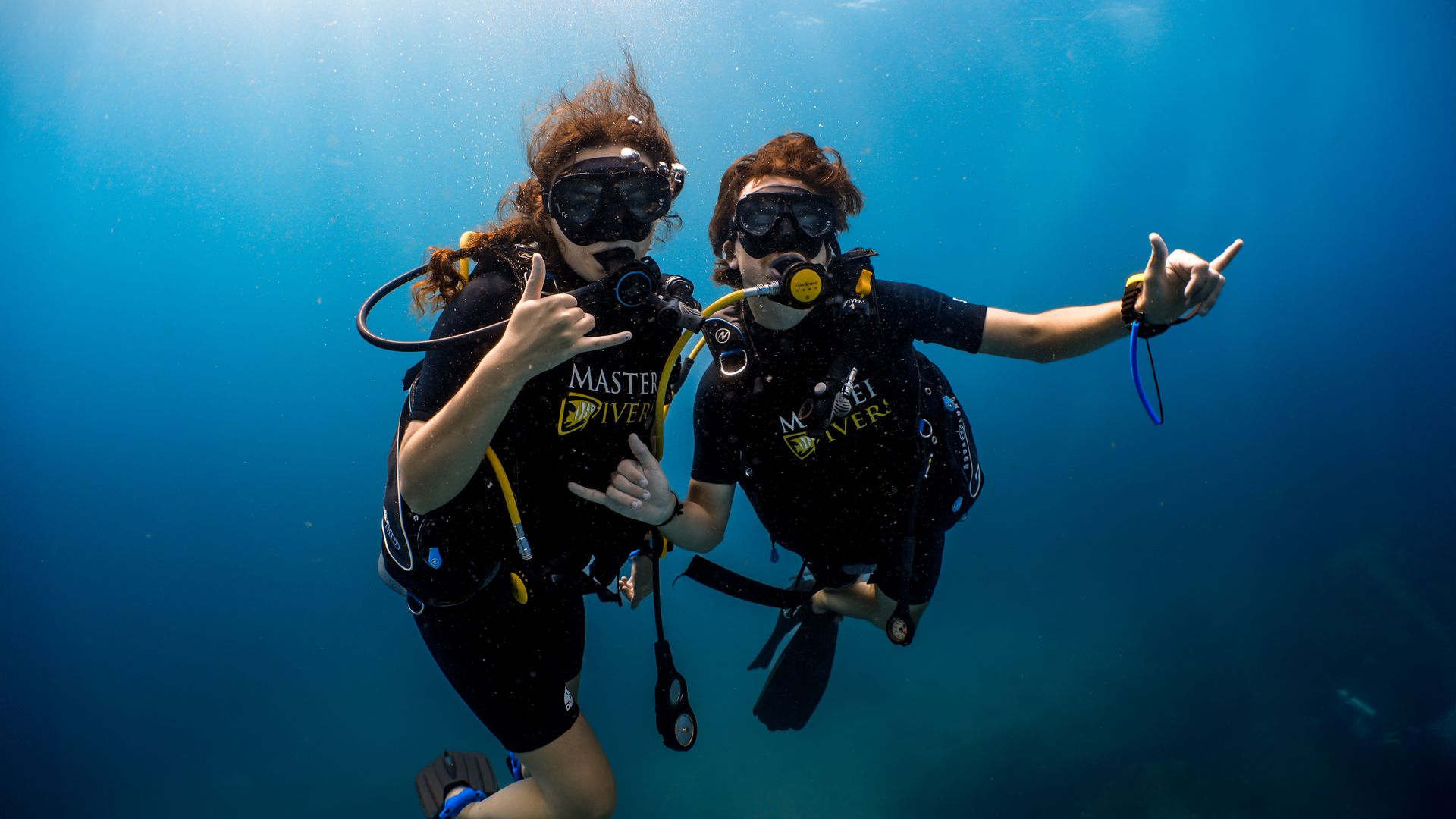
PADI 5-Star CDC · Mae Haad
One of the island's most established dive centres, with a focus on pro training.
Full guide →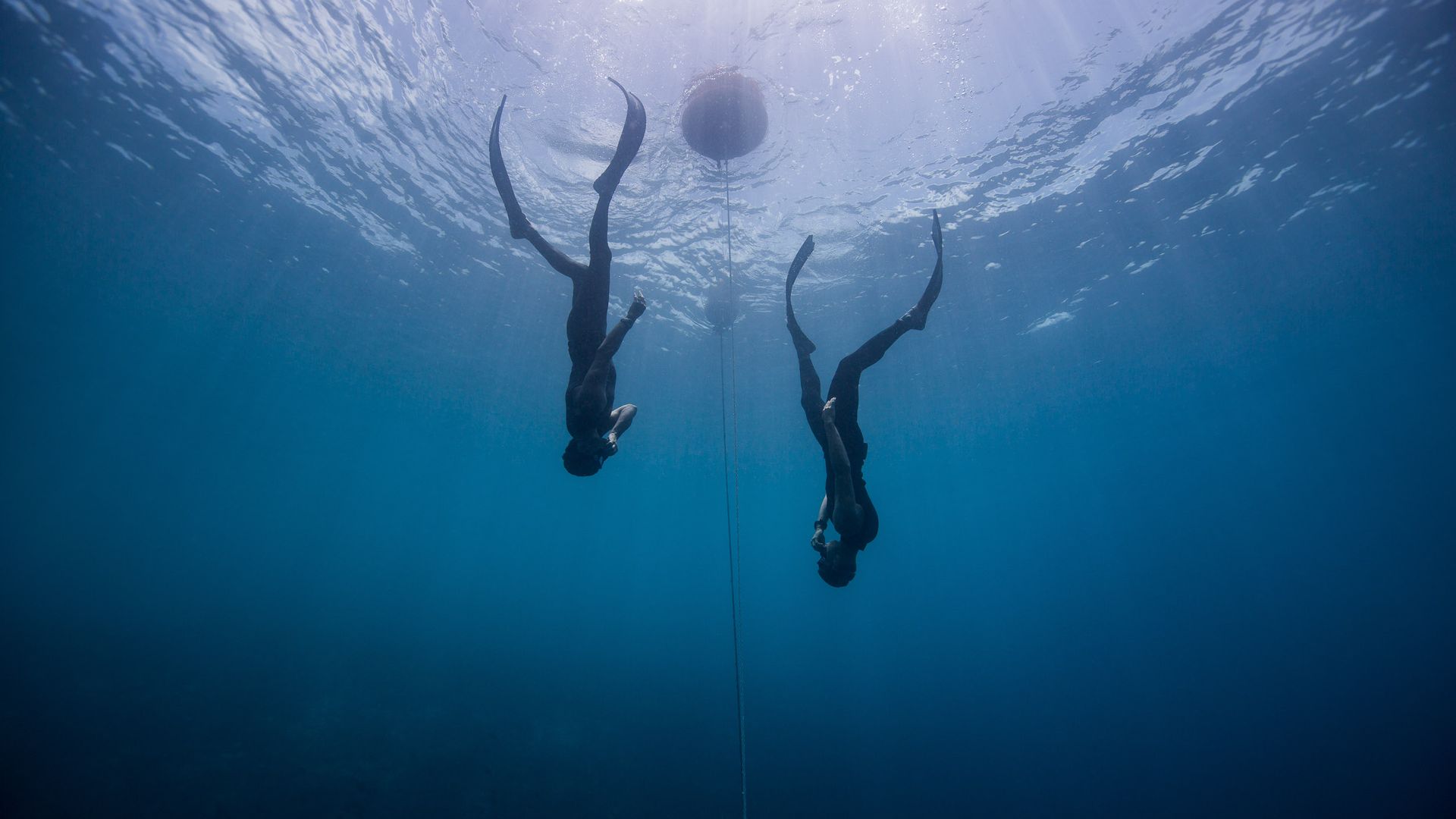
Freediving · Sairee
Personal freediving courses with experienced instructors off Sairee Beach.
Full guide →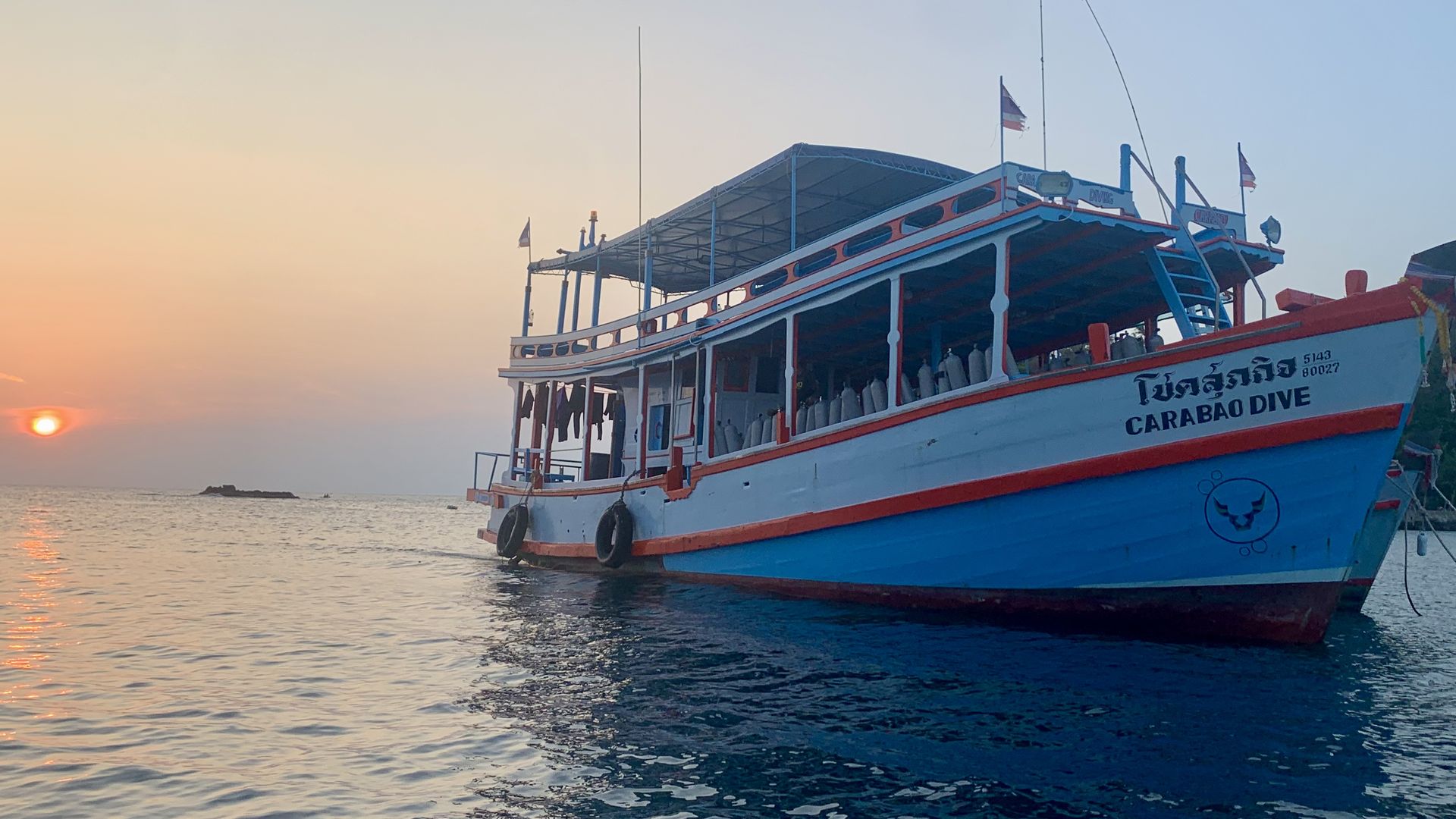
SSI dive resort · Chalok
Dive and stay in the quiet southern bay of Chalok.
Full guide →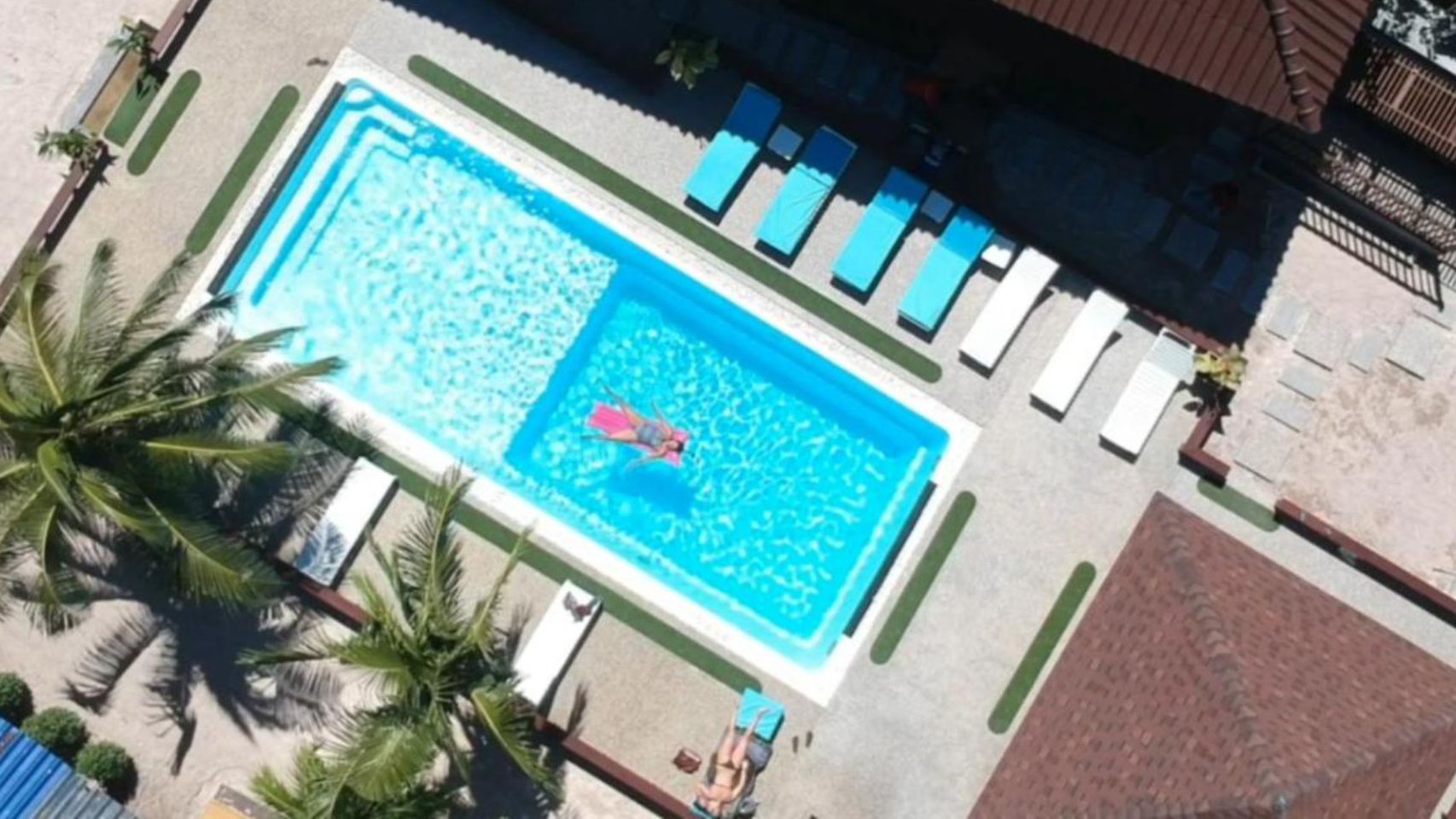
PADI dive resort · Chalok
Courses and fun dives with a resort to stay at, in Chalok.
Full guide →Also on the island: DPM Diving and dozens more. See every dive centre on Koh Tao →