Koh Tao dive sites / Tanote Bay
Tanote Bay Catamaran Wreck and Artificial Reef Dive Site, Koh Tao
Koh Tao's most varied east coast dive, with natural reef, a sunken catamaran and a coral nursery.
Koh Tao dive sites / Tanote Bay
Koh Tao's most varied east coast dive, with natural reef, a sunken catamaran and a coral nursery.
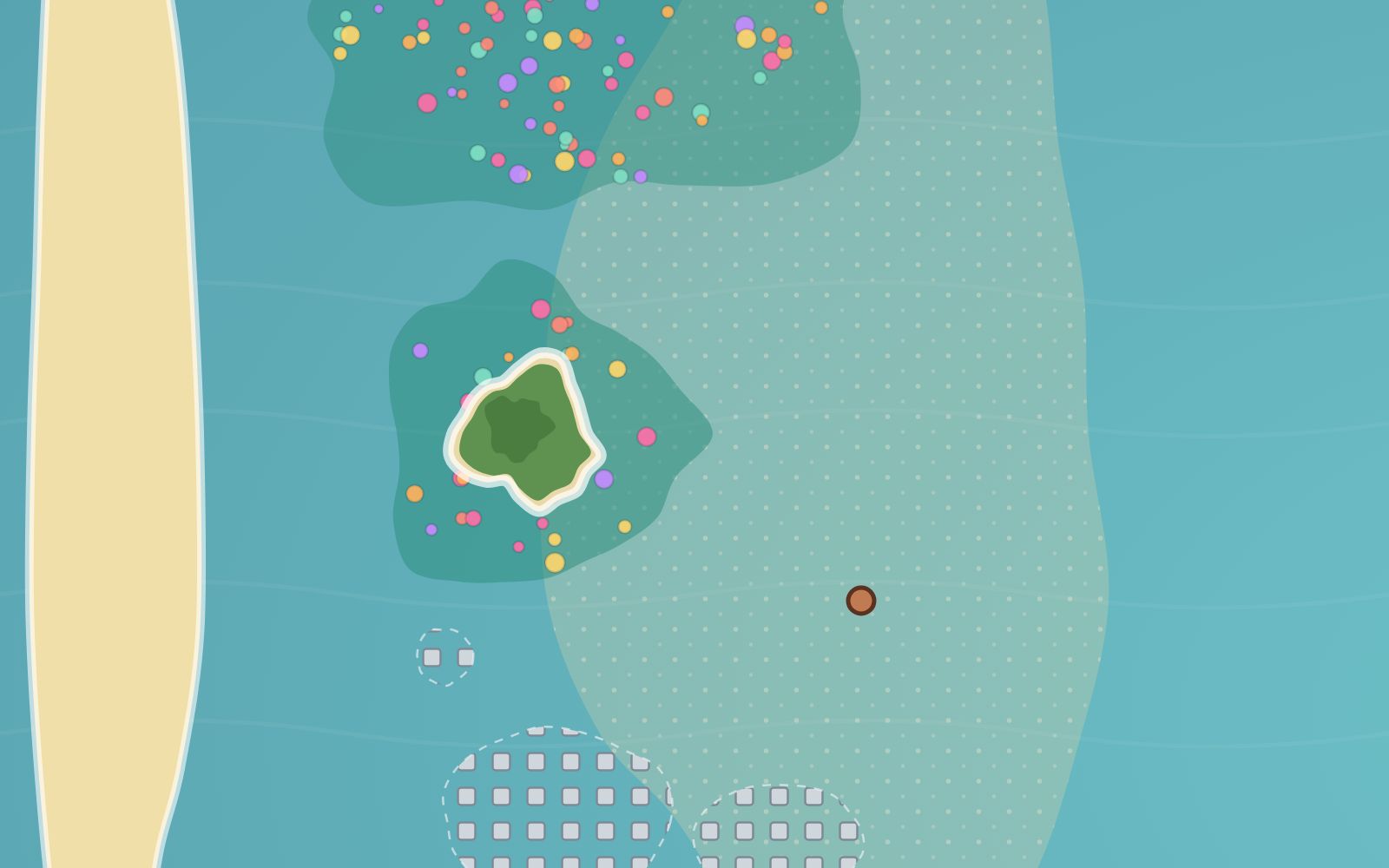
Tanote Bay (Aow Tanote, Ao Tanot) is a large, pretty bay on Koh Tao's east coast, just north of Aow Leuk, with a pale sandy beach that swimmers and snorkellers love. As a Tanote Bay dive site, it stands out for mixing natural reef with man-made structures, which is rare on the island.
In one dive you can visit a sunken catamaran at about 18 m, concrete cubes you can swim through, reef balls and a coral nursery, and a healthy coral reef around a granite rock in the middle of the bay. Depths of 5 to 18 m and gentle slopes keep it friendly for Open Water divers.
Dive boats reach Tanote in roughly 15 to 40 minutes, depending on the operator and where they leave from. It is often paired with Lighthouse Bay or Hin Wong Pinnacle.
You can also enter from the beach, which makes it one of the few Koh Tao sites that works for shore diving, snorkelling and freediving as well as boat trips.
Boat divers usually drop near the catamaran at about 18 m, circle the wreck, and then move up past the reef balls and concrete cubes toward the main reef. The dive ends in the shallows around the granite rock, with coral heads rising to about 5 m that are handy for safety stops.
Average depth settles at around 12 m as you return toward the main reef. If you enter from the beach, you reverse the pattern and build up from the shallows.
The catamaran is a macro hot-spot. A large Jenkins whipray often rests under the hull, banded pipefish and cleaner shrimp live along it, and spider crabs perch on the whip coral. Small frogfish and octopus turn up here too.
On the reef, hundreds of yellowtail barracuda and titan triggerfish are regulars, along with butterflyfish, angelfish, anemonefish and longfin bannerfish. Sea turtles and banded sea kraits are common, and juvenile blacktip reef sharks visit the shallows at certain times of year.
The catamaran is a small vessel lying on the sand just off the main site. No date or origin is recorded for its sinking. The concrete cubes, reef balls and coral nursery frames come from reef-rehabilitation projects in the southern part of the bay.
Together they give fish more places to hide and coral more places to grow, and they are a good reason to bring a torch and take your time.
Tanote Bay is a busy teaching site. Open Water and Advanced courses use it, the catamaran suits navigation and specialty training, and the concrete cubes are a fun place to practise buoyancy. Because the beach is just a short swim from the dive, the bay is also popular with snorkellers and freedivers.
The granite rock in the middle of the bay has a rope ladder and is a favourite for rock jumping, so keep an ear out for boats and swimmers when you come up near the shore.
If you can only pick one east coast dive for a mix of reef, wreck and macro, this is a strong candidate.
June to September is the best period, although conditions are generally good through much of the year. The north-east monsoon from October to December is the weak spot.
Current is generally light, with some movement around the wreck and reef. Visibility swings widely with season and recent weather, so ask your guide on the day.
About 18 m, lying on sand just off the main site.
A sunken catamaran, concrete cubes with swim-throughs, reef balls and coral nursery frames at about 10 m, and an old scooter at about 12 m.
Yes. The beach is popular with swimmers and snorkellers and the water is calm and warm.
Yes. Depths of 5 to 18 m and gentle slopes suit Open Water divers, though you should check depth limits for the catamaran at 18 m.
Juvenile blacktip reef sharks visit the shallows at certain times of year, and sea turtles and banded sea kraits are regular on the reef.
Two tiny bays in a quiet valley, best known for snorkelling among boulders and coral.
5 to 25 mA rarely visited cluster of big boulders, corals and sea whips on the south-east coast.
3 to 25 mA quiet east coast headland with a beginner bay, light-filled caverns and a lesser-known pinnacle.
3 to 20 mA gentle, calm slope of boulders and coral beside Koh Tao's newest wreck.
Learn to dive
Koh Tao is one of the best places in the world to learn to dive: warm, calm water, sites a short boat ride away and schools for every style. Here are the courses most schools offer and the dive schools we know and trust. Schedules, course length and prices are set by each school.
PADI 5-Star · Sairee
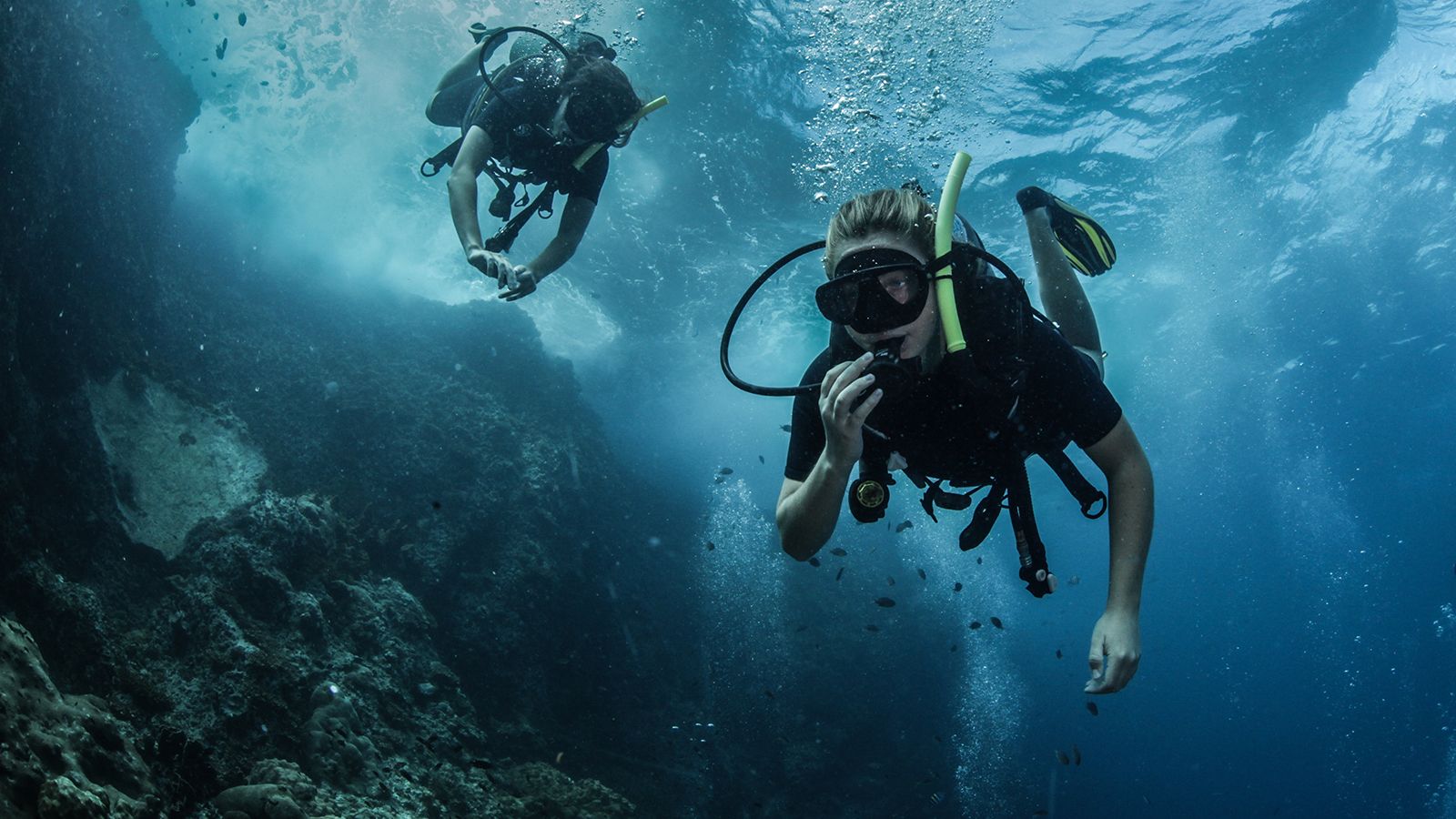
PADI 5-Star IDC on Sairee Beach: small groups, every level, taught in seven languages.
Full guide →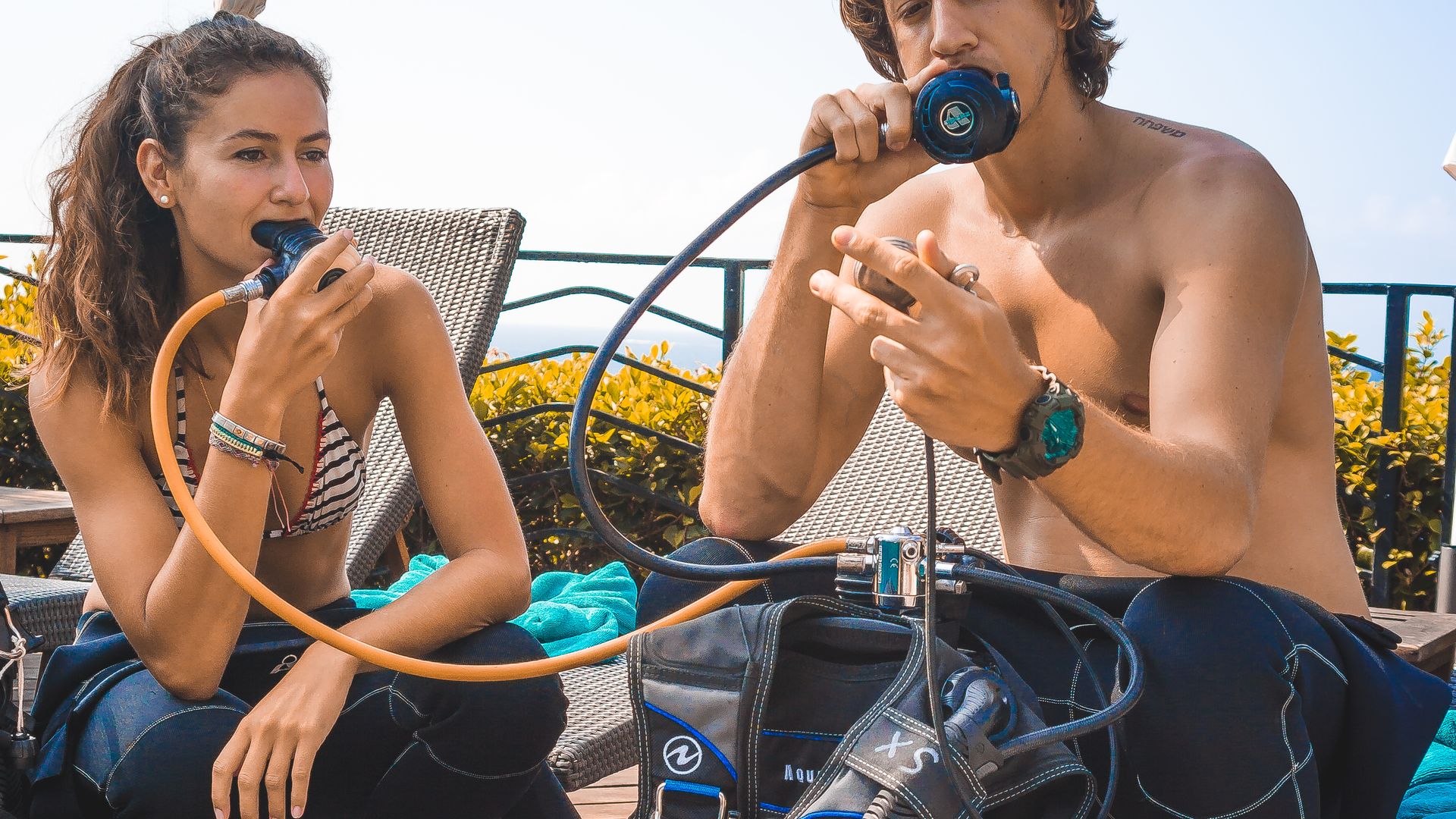
Private club · South coast
Very small classes, a training pool and boats straight from the resort pier.
Full guide →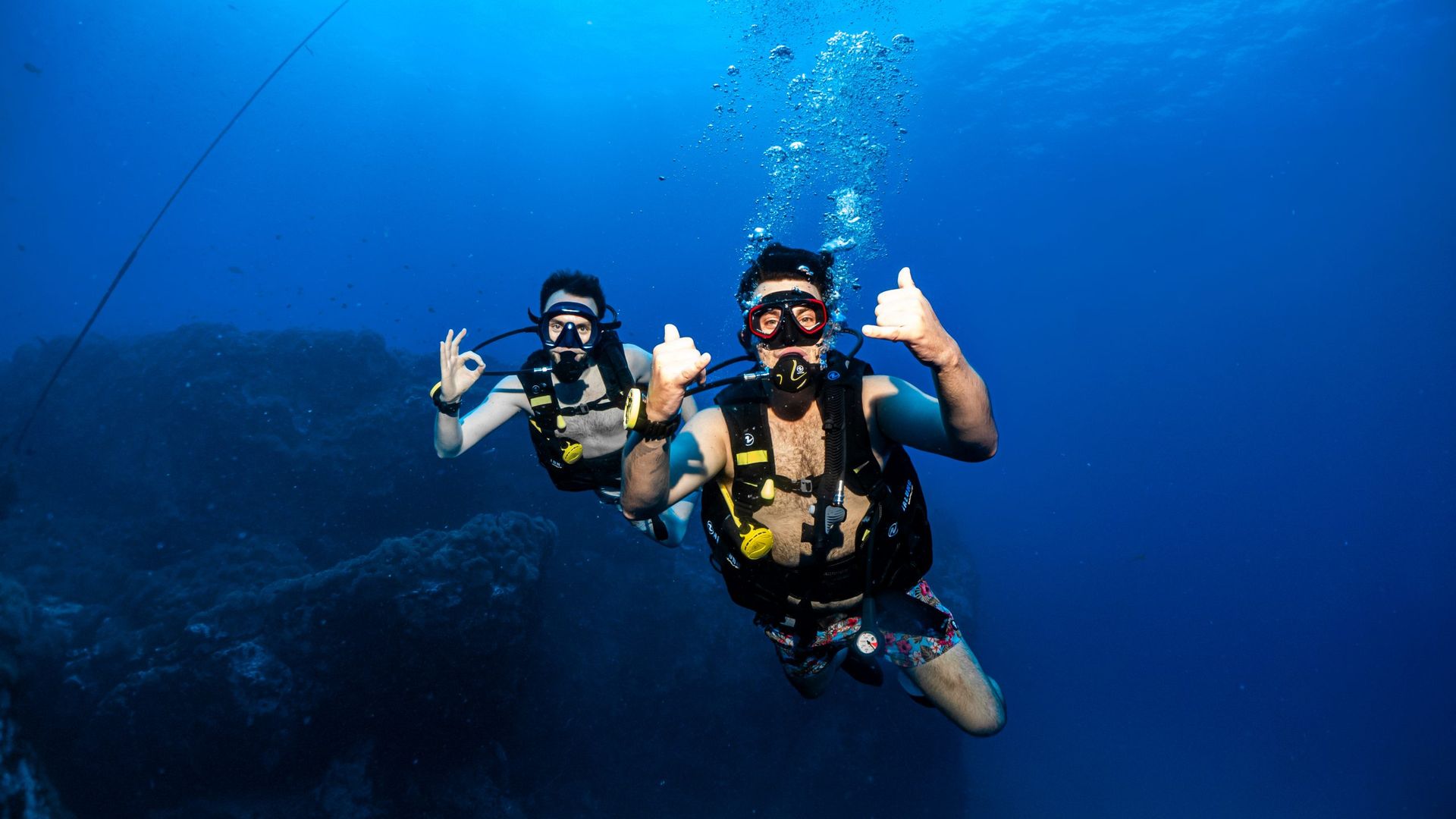
Dive school · Mae Haad
Groups of four, two minutes from the pier, from Open Water to instructor.
Full guide →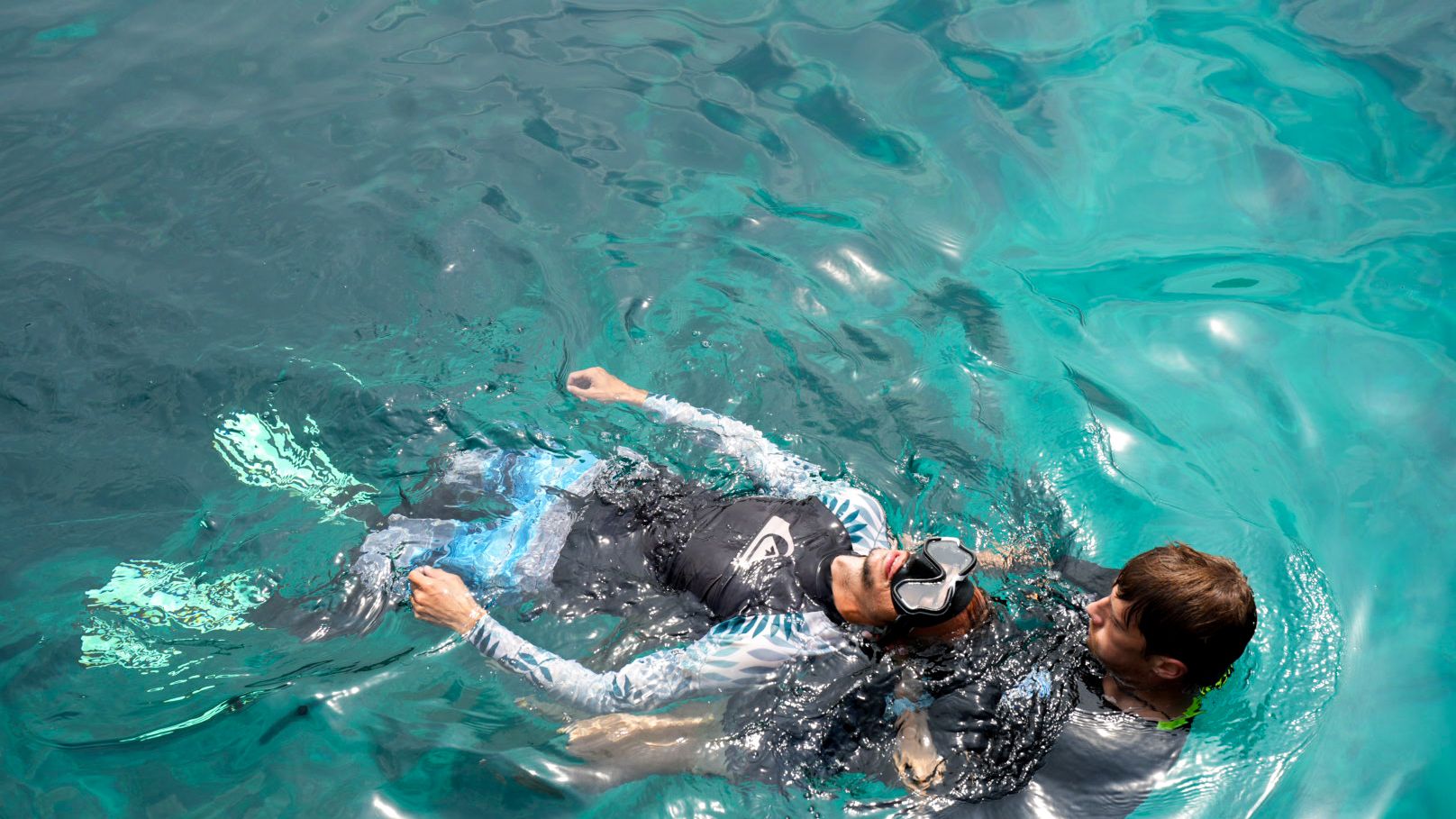
French dive school · Mae Haad & Chalok
Courses in French since 2012: SSI and CMAS / FFESSM, groups of four, first dive to instructor.
Full guide →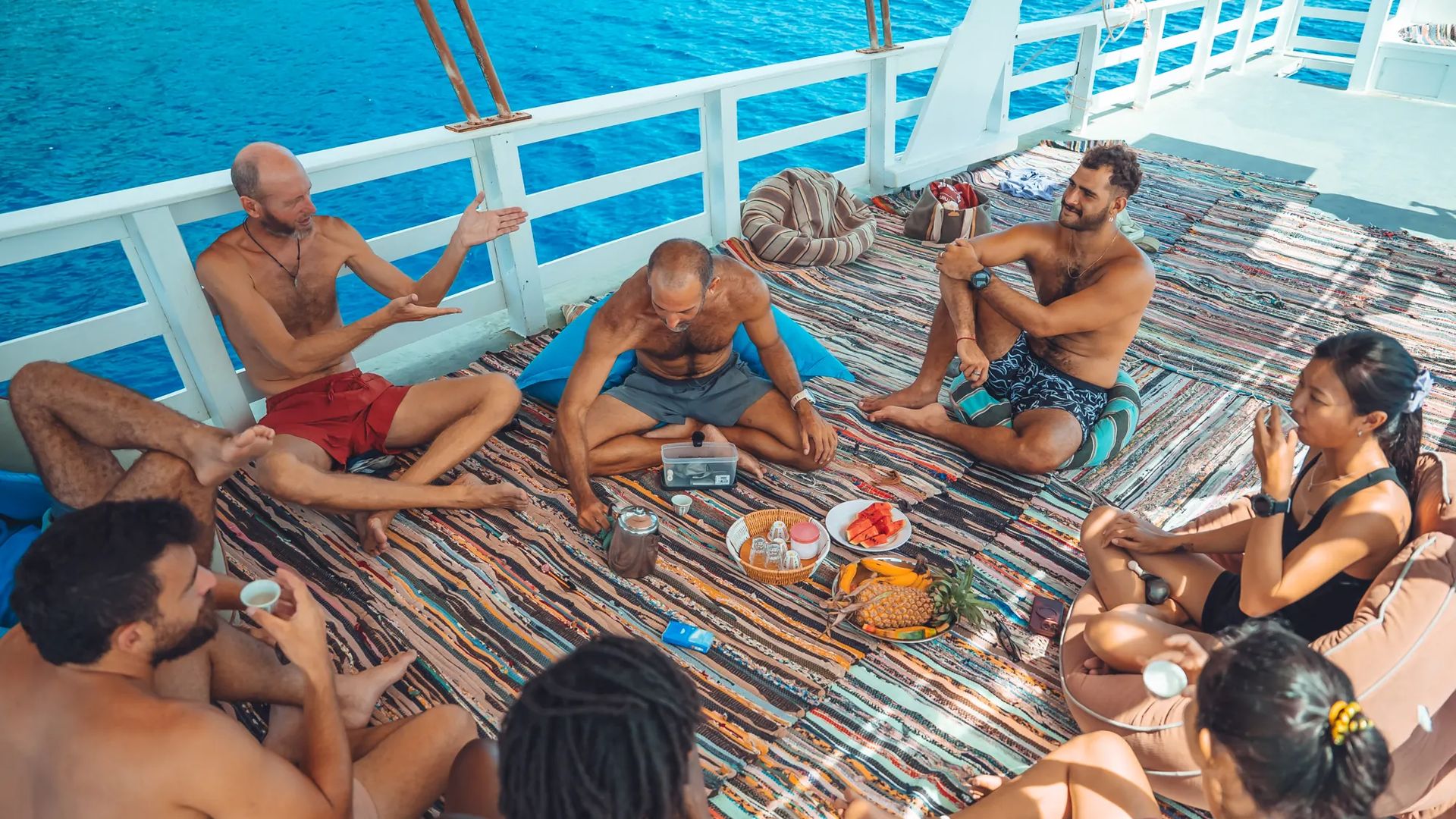
Freediving & yoga · Mae Haad
Learn to freedive on one breath, with breathwork and yoga in a sea-view shala.
Full guide →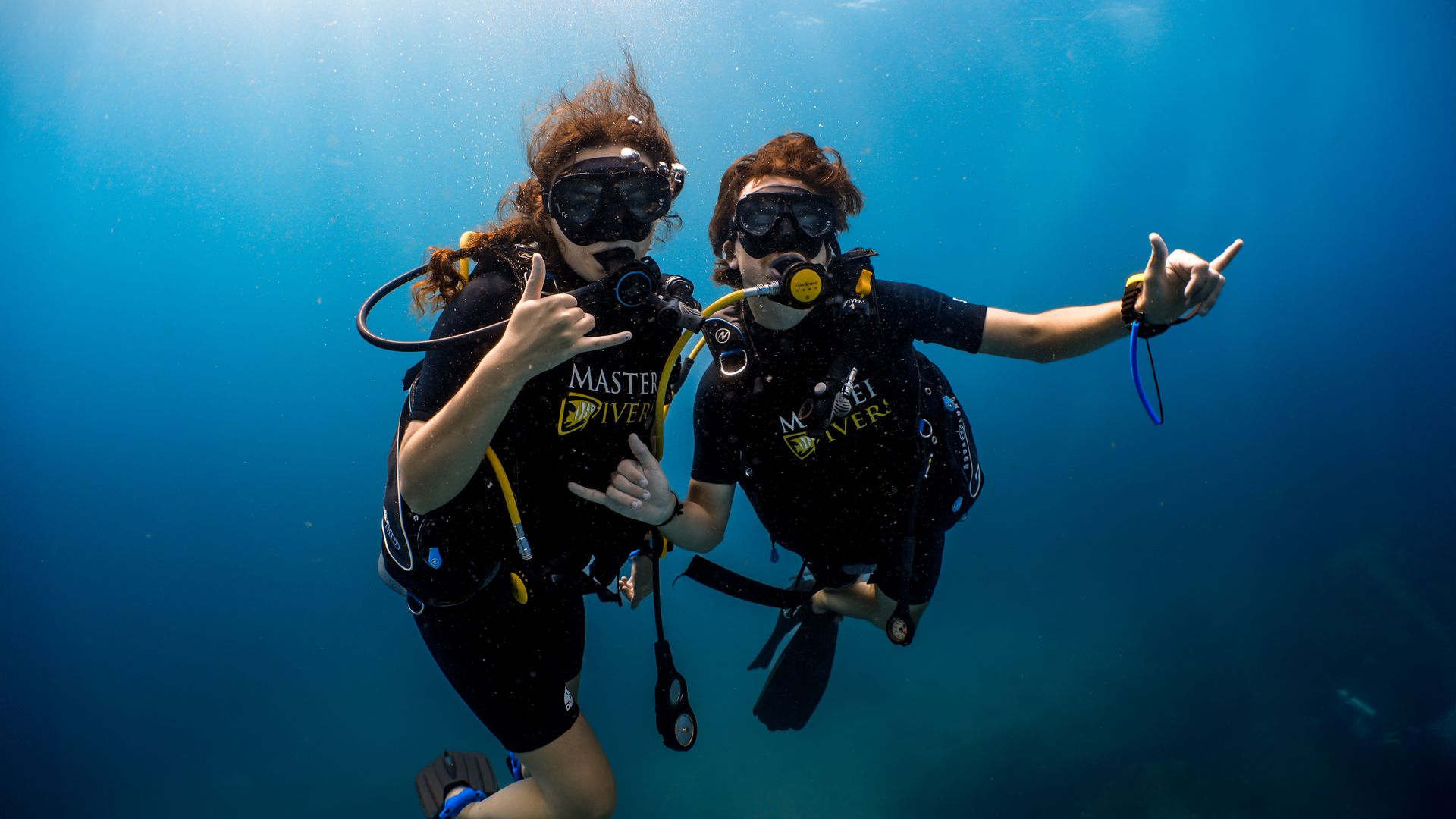
PADI 5-Star CDC · Mae Haad
One of the island's most established dive centres, with a focus on pro training.
Full guide →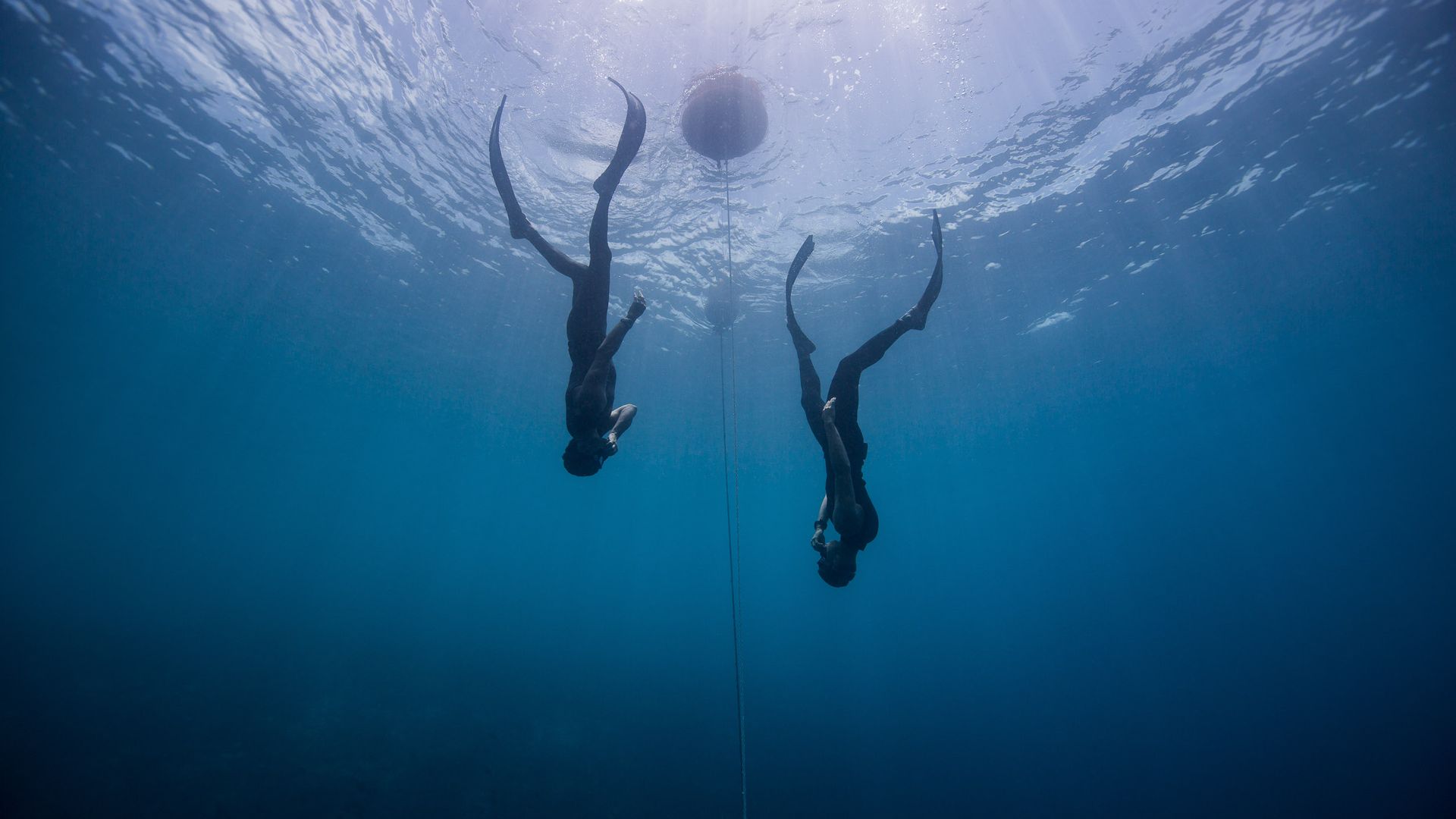
Freediving · Sairee
Personal freediving courses with experienced instructors off Sairee Beach.
Full guide →
SSI dive resort · Chalok
Dive and stay in the quiet southern bay of Chalok.
Full guide →
PADI dive resort · Chalok
Courses and fun dives with a resort to stay at, in Chalok.
Full guide →Also on the island: DPM Diving and dozens more. See every dive centre on Koh Tao →