Koh Tao dive sites / Mango Bay
Mango Bay: Koh Tao's Easy Bay Dive Site (Ao Muang)
A calm, shallow bay on the north coast, made for first dives, snorkellers and sand-bottom critter hunters.
Koh Tao dive sites / Mango Bay
A calm, shallow bay on the north coast, made for first dives, snorkellers and sand-bottom critter hunters.
Mango Bay, also called Ao Muang or Aow Muang, is a wide, curved bay on the north coast of Koh Tao, ringed by jungle with a small sandy beach at the back. It is the dive site the island uses to start people off: shallow, sheltered and almost free of current. Boats run from Sairee in about 15 minutes, and a jungle road from Sairee now reaches the bay too, so you can also arrive overland.
It would be easy to write Mango Bay off as a training patch, but that undersells it. A big sandy bowl fills the middle, coral reef climbs the sides, and boulders spill down from the shoreline. That mix gives you giant clams, barrel sponges, rays and barracuda, plus plenty to find on the sand if you slow down.
Boat divers usually drop in the outer bay at around 16 m, cross the sand toward one side, and work up the reef toward the beach. Experienced groups are sometimes dropped on the west side to follow the drop-off along the coastline into the bay.
Most of the dive is spent at 6 to 12 m, which means long bottom times and plenty of air left for looking around. Mango Bay is often paired with Japanese Gardens on a two-dive trip.
For new divers, this is the place where the first breaths underwater happen. The sandy floor is perfect for skills and buoyancy practice, and the reef at the edges is close enough that you never feel like you are doing a drill. Open Water course dives, Discover Scuba Diving, refreshers, Underwater Naturalist and photography courses all use the bay.
The bay opens to the north, with the beach at the southern end. A flat sand floor fills the centre and slopes gently from the shore to around 12 to 14 m, deepening to the mid-teens offshore. Reef runs along both sides of that sand bowl.
Guides describe the sides a little differently, so treat the arrangement as approximate. In general you will find a coral garden of staghorn, mushroom and table coral with barrel sponges on one side, and bigger boulders on the other, with a drop-off following the west coastline. A swim-through is reported among the boulders. Listen to your briefing, because your guide will tell you exactly where things are that day.
Some guides mention artificial structures along the northern edge of the bay, though we have not been able to confirm them.
The sand patches between the coral heads are worth a slow look, because that is where the small critters sit. The shoreline end of the bay is the shallowest part, and the whole bowl is simple to navigate.
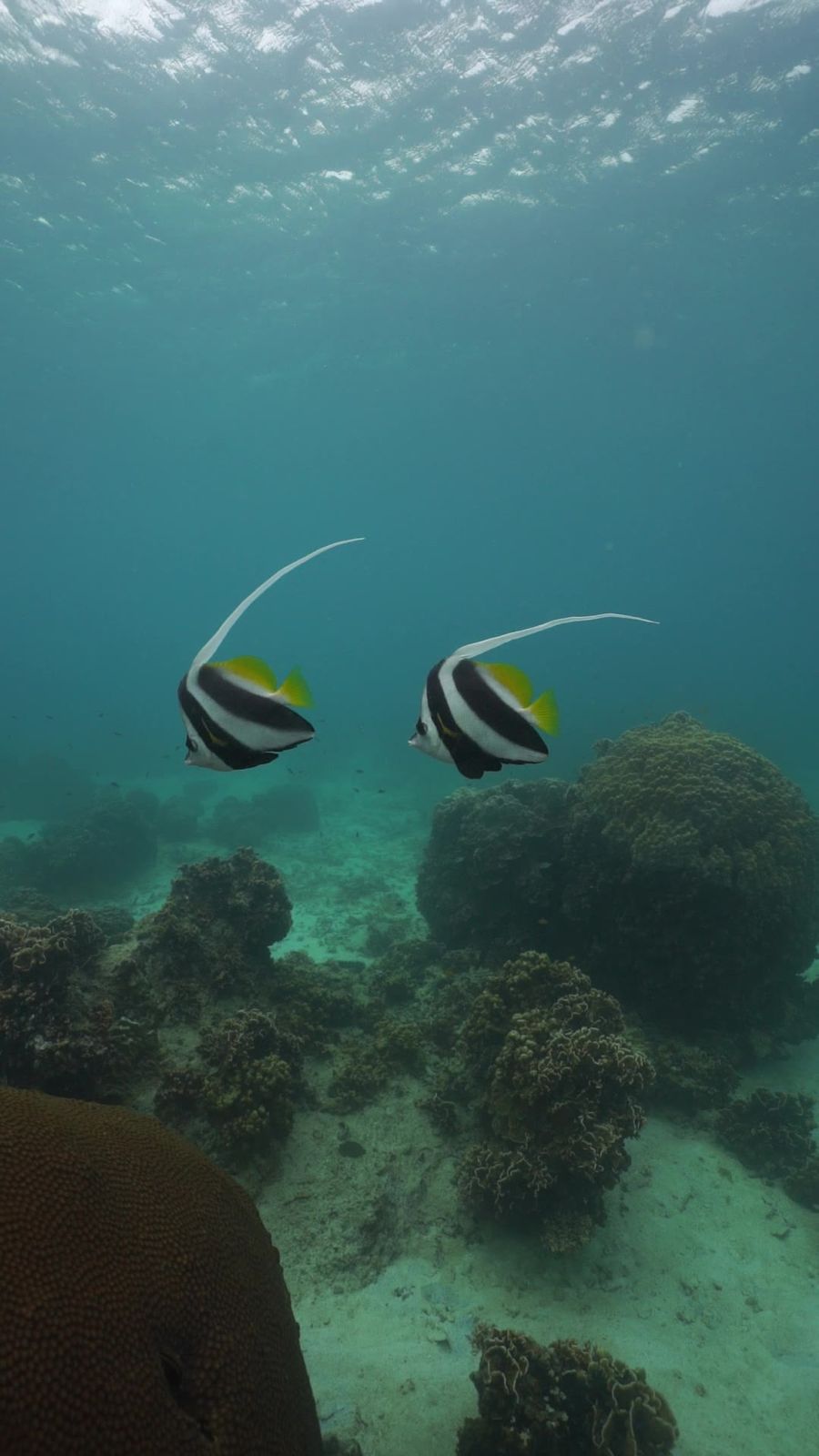
The reef side gives you the easy wins. Giant clams and big barrel sponges sit among the rocks, and yellowtail barracuda, Jenkins whiprays and blue-spotted stingrays are regular sights. Fusiliers, snapper, parrotfish, red-breasted wrasse, longfin bannerfish and titan triggerfish move through the coral.
This is one of the better snorkel spots on the island. The water is calm, a roped-off swim area sits on the east side, and the boulders along the shore are easy to follow without any navigation worries. Mind the boat traffic near the rope line and stay inside the marked area.
Current inside the bay is little to none. The drop-off along the west coastline can feel a touch more active, but nothing a normal diver will struggle with. Visibility is commonly 8 to 20 m and moves with the plankton through the year, so some days are clearer than others.
The bay is calm for most of the year and makes a good fallback when other coasts are rough. March to September is generally the best stretch.
Depth figures vary by operator, anywhere from 1 to 20 m depending on where they measure, but the typical profile is 6 to 12 m and the boat drop on the second dive is around 16 m. Plankton levels are the main thing that affects clarity, and there is no strong seasonal closure.
Mostly 6 to 12 m, with a maximum around 15 to 16 m. The outer edge of the bay goes a little deeper.
Yes. There is a roped-off snorkel area on the east side, calm water and coral-covered boulders along the shore.
Yes. It is one of the island's main first-dive and Open Water training sites thanks to the shelter, shallow depth and sandy floor.
Giant clams, barrel sponges, yellowtail barracuda, Jenkins whiprays, blue-spotted stingrays and sand dwellers like snake eels and seahorses.
A sheltered coral bay at the north-east tip, with a granite pinnacle just a short swim away.
3 to 22 mA granite pinnacle just off Koh Nang Yuan, with a cave swim and a drift finish into Japanese Gardens.
1 to 15 mA shallow, sheltered coral bay on Koh Nang Yuan where many divers take their first breaths underwater.
10 to 16 mFour swim-through steel domes in about 13 m of water, built by volunteers to help coral grow.
Learn to dive
Koh Tao is one of the best places in the world to learn to dive: warm, calm water, sites a short boat ride away and schools for every style. Here are the courses most schools offer and the dive schools we know and trust. Schedules, course length and prices are set by each school.
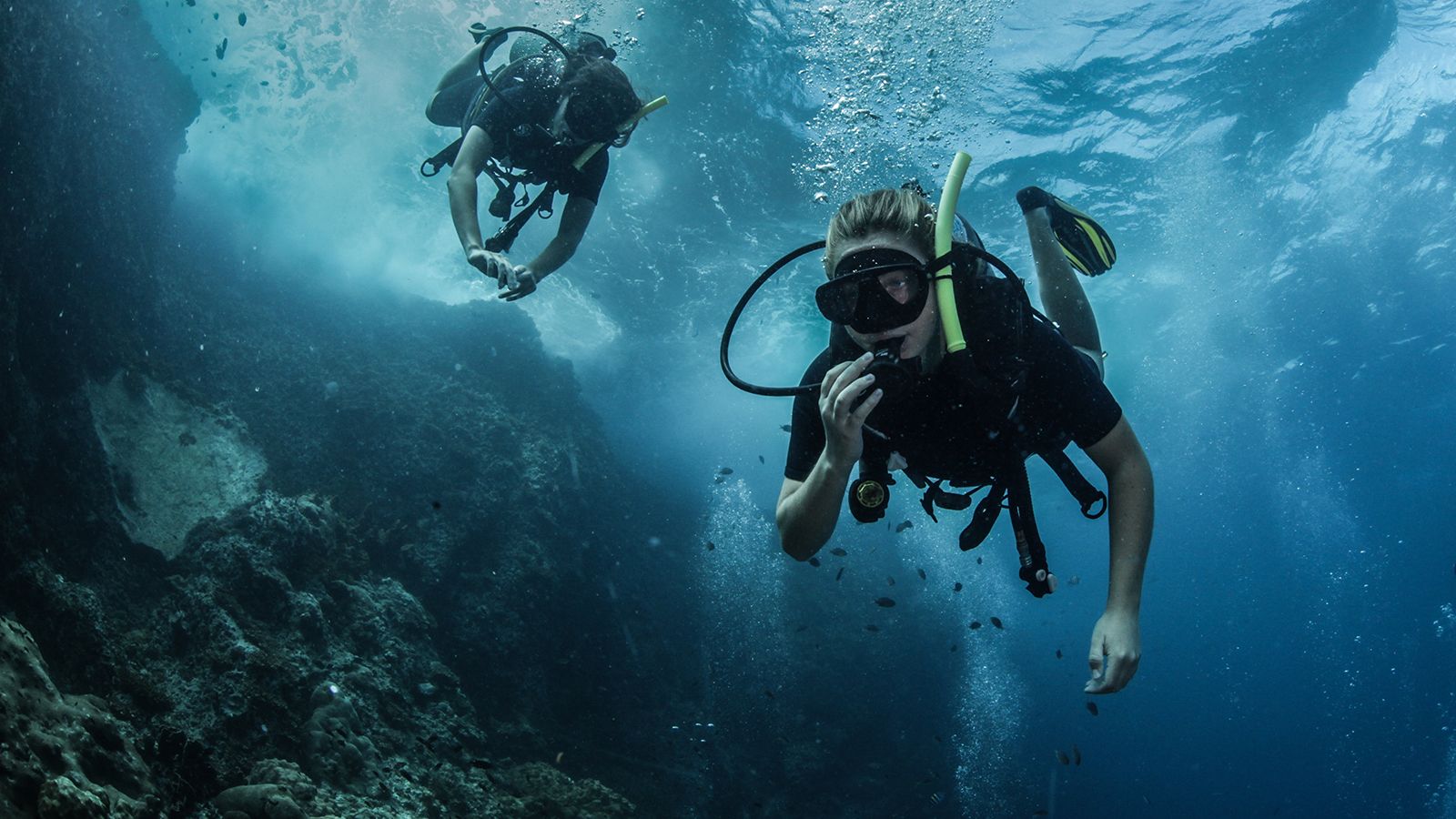
PADI 5-Star · Sairee
PADI 5-Star IDC on Sairee Beach: small groups, every level, taught in seven languages.
Full guide →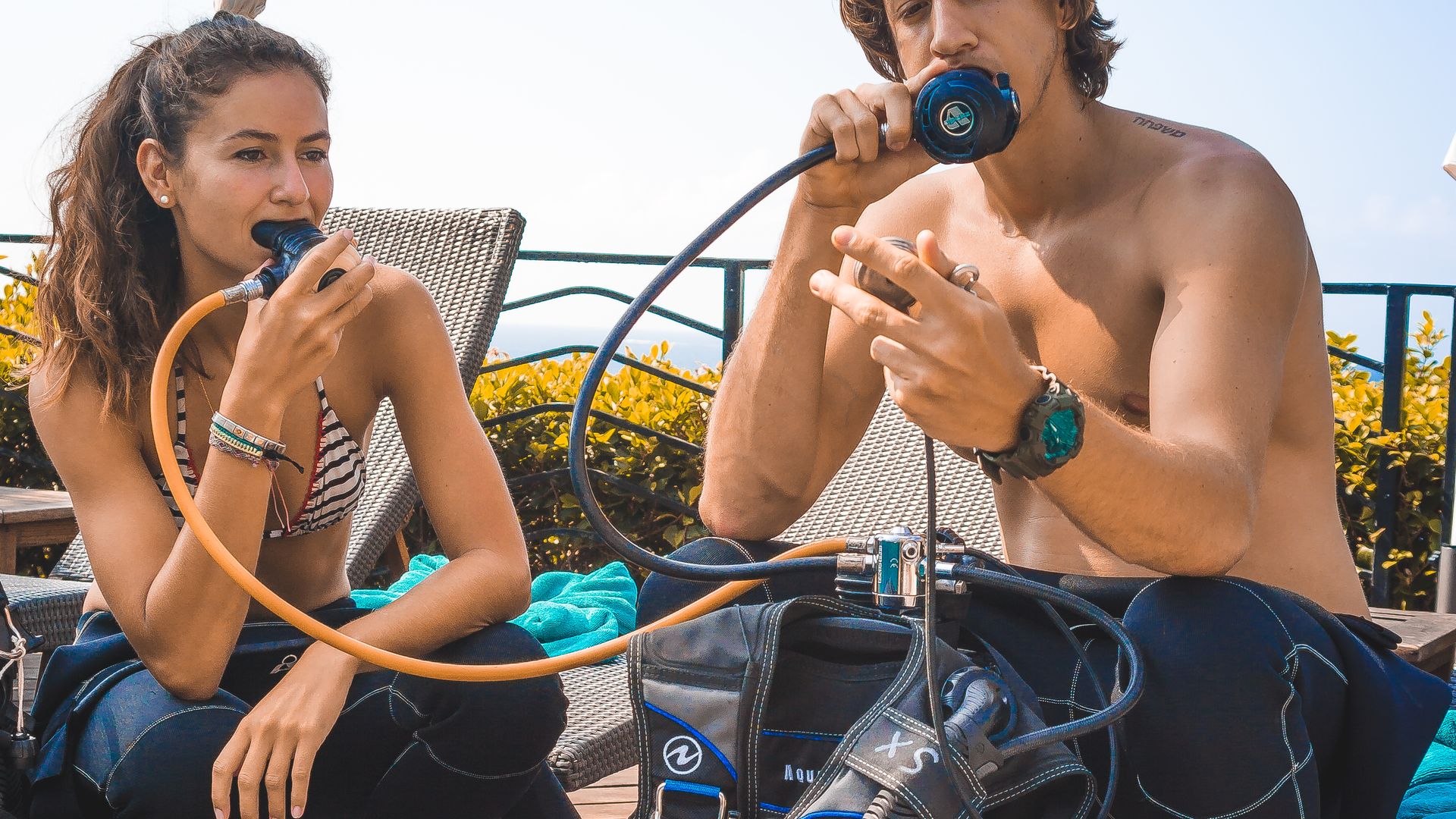
Private club · South coast
Very small classes, a training pool and boats straight from the resort pier.
Full guide →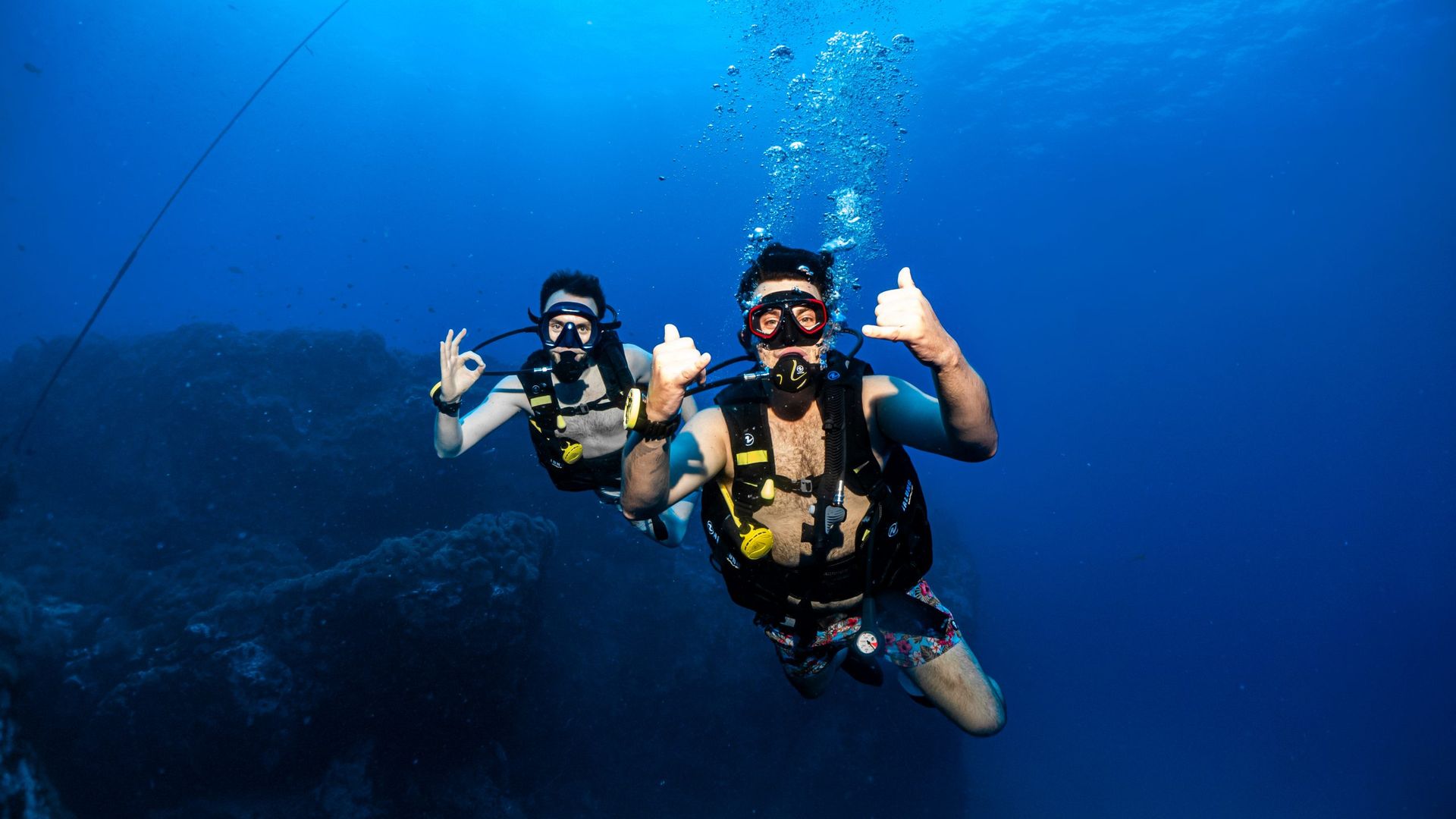
Dive school · Mae Haad
Groups of four, two minutes from the pier, from Open Water to instructor.
Full guide →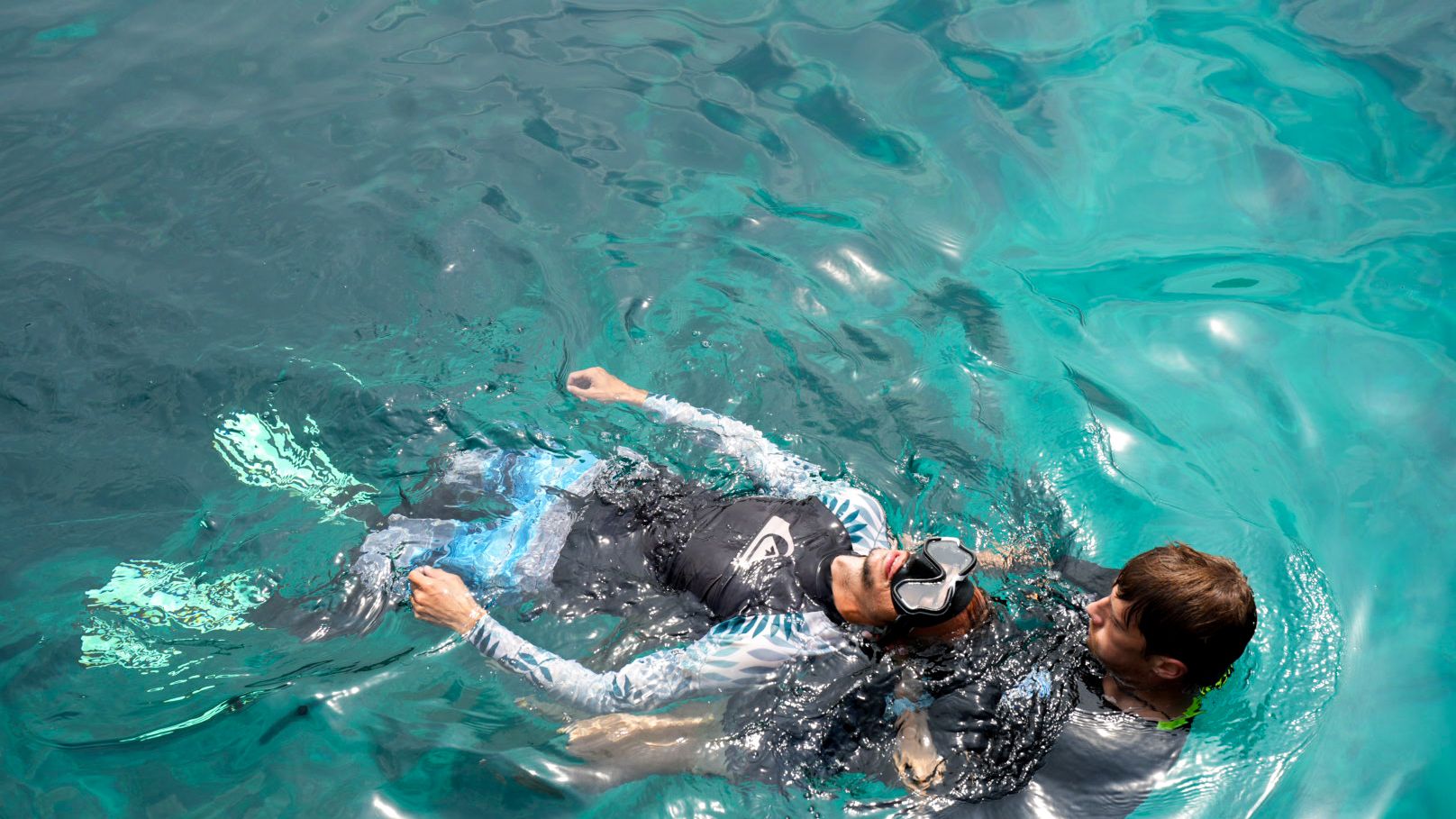
French dive school · Mae Haad & Chalok
Courses in French since 2012: SSI and CMAS / FFESSM, groups of four, first dive to instructor.
Full guide →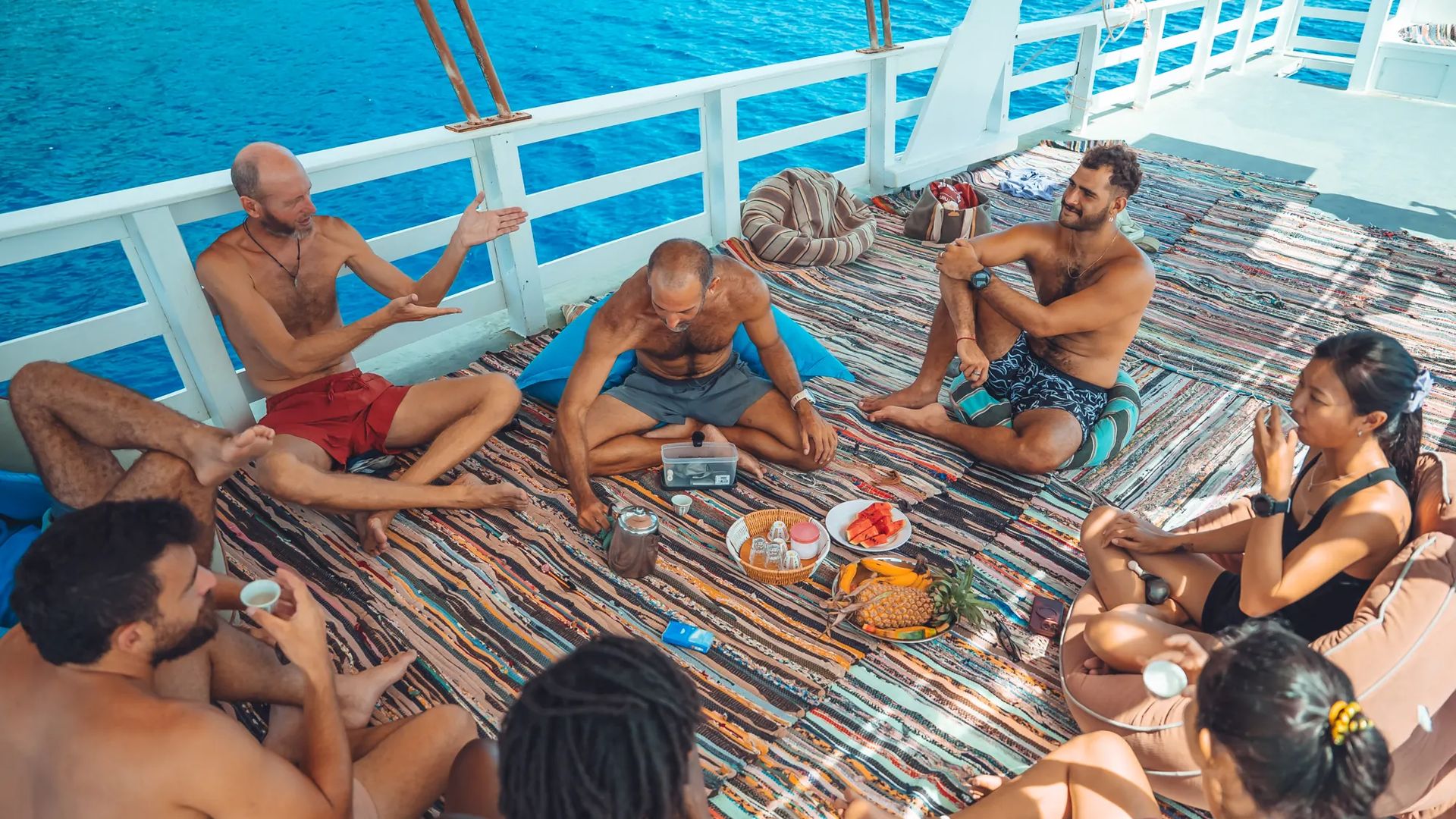
Freediving & yoga · Mae Haad
Learn to freedive on one breath, with breathwork and yoga in a sea-view shala.
Full guide →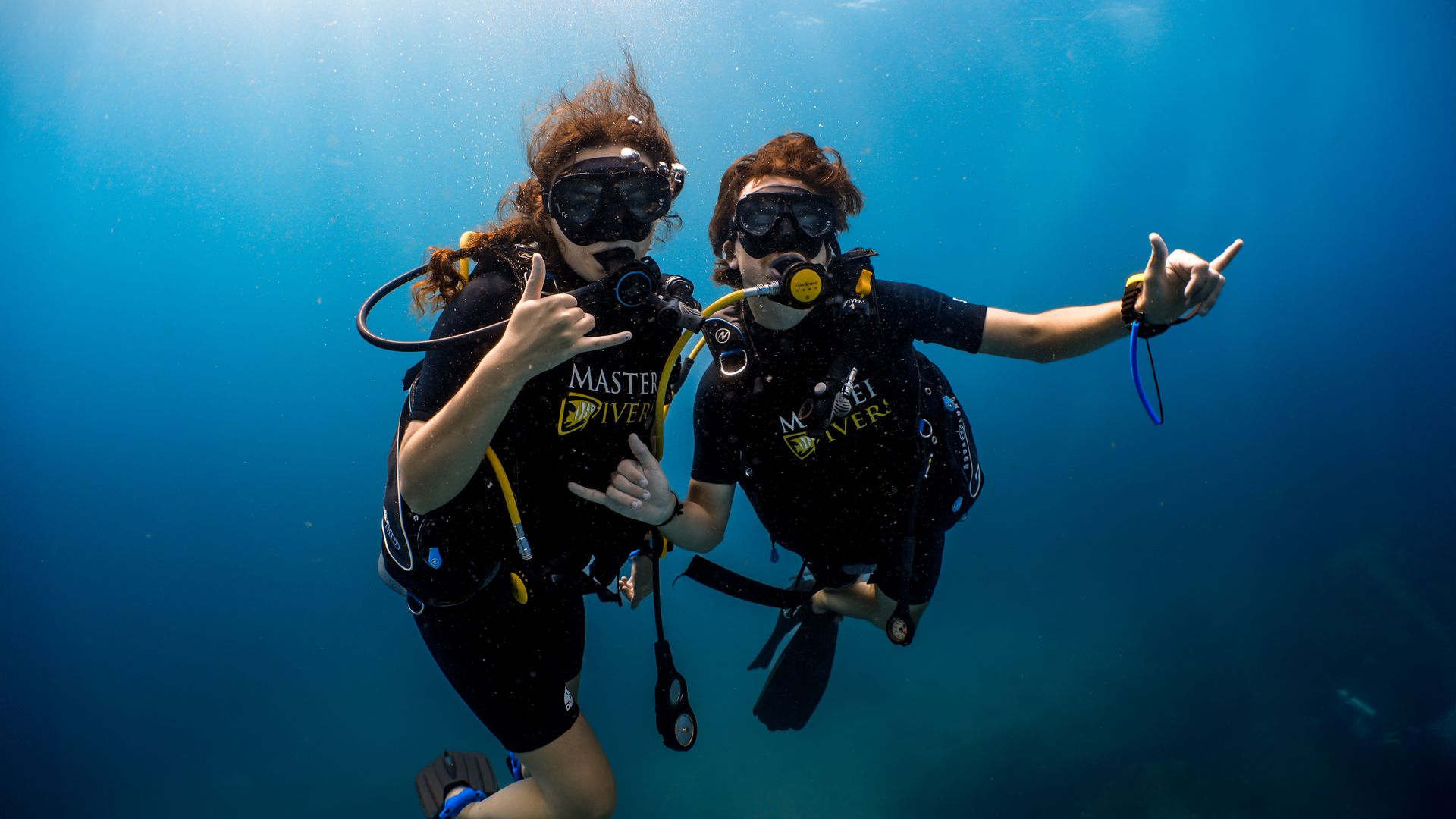
PADI 5-Star CDC · Mae Haad
One of the island's most established dive centres, with a focus on pro training.
Full guide →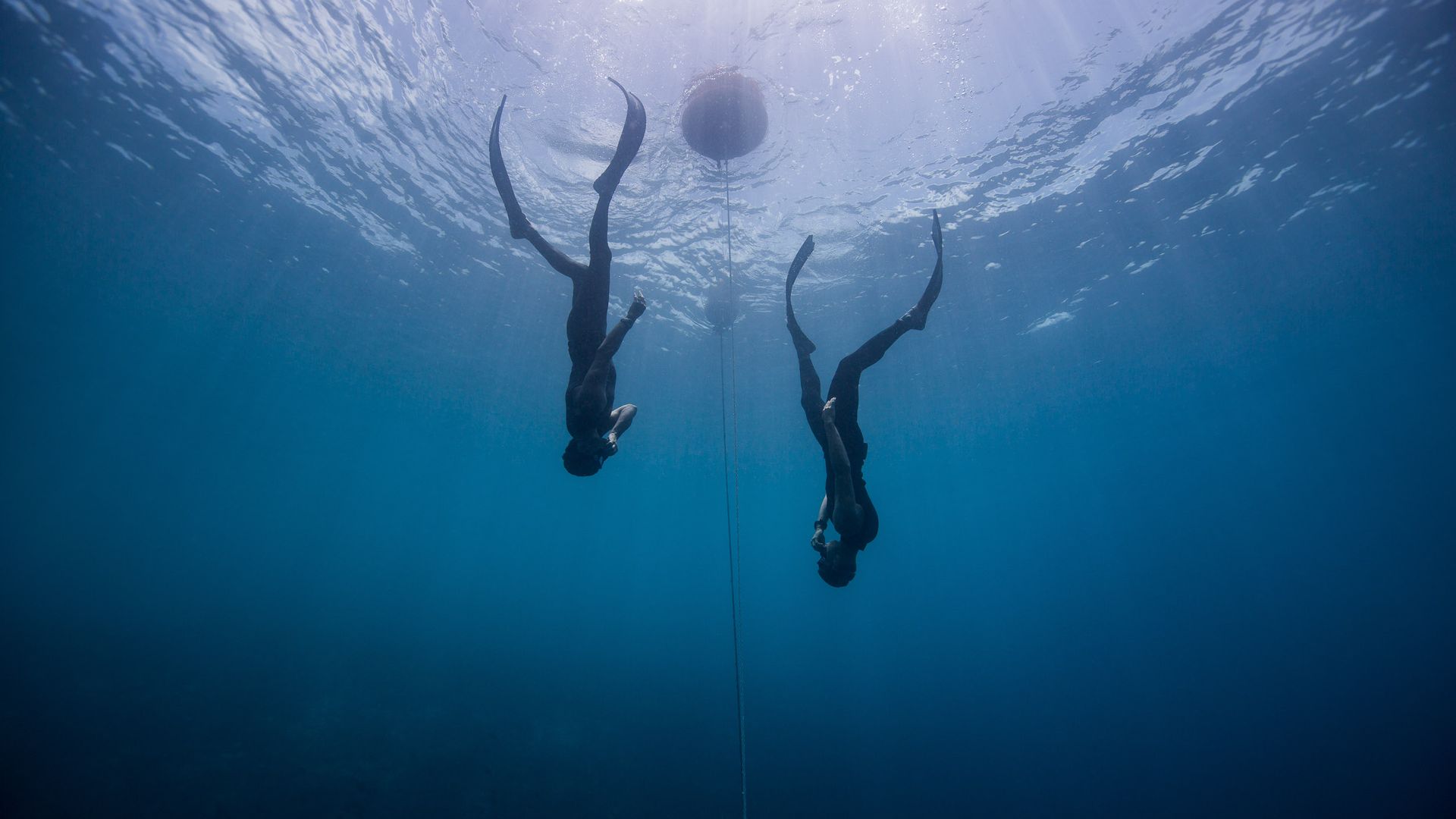
Freediving · Sairee
Personal freediving courses with experienced instructors off Sairee Beach.
Full guide →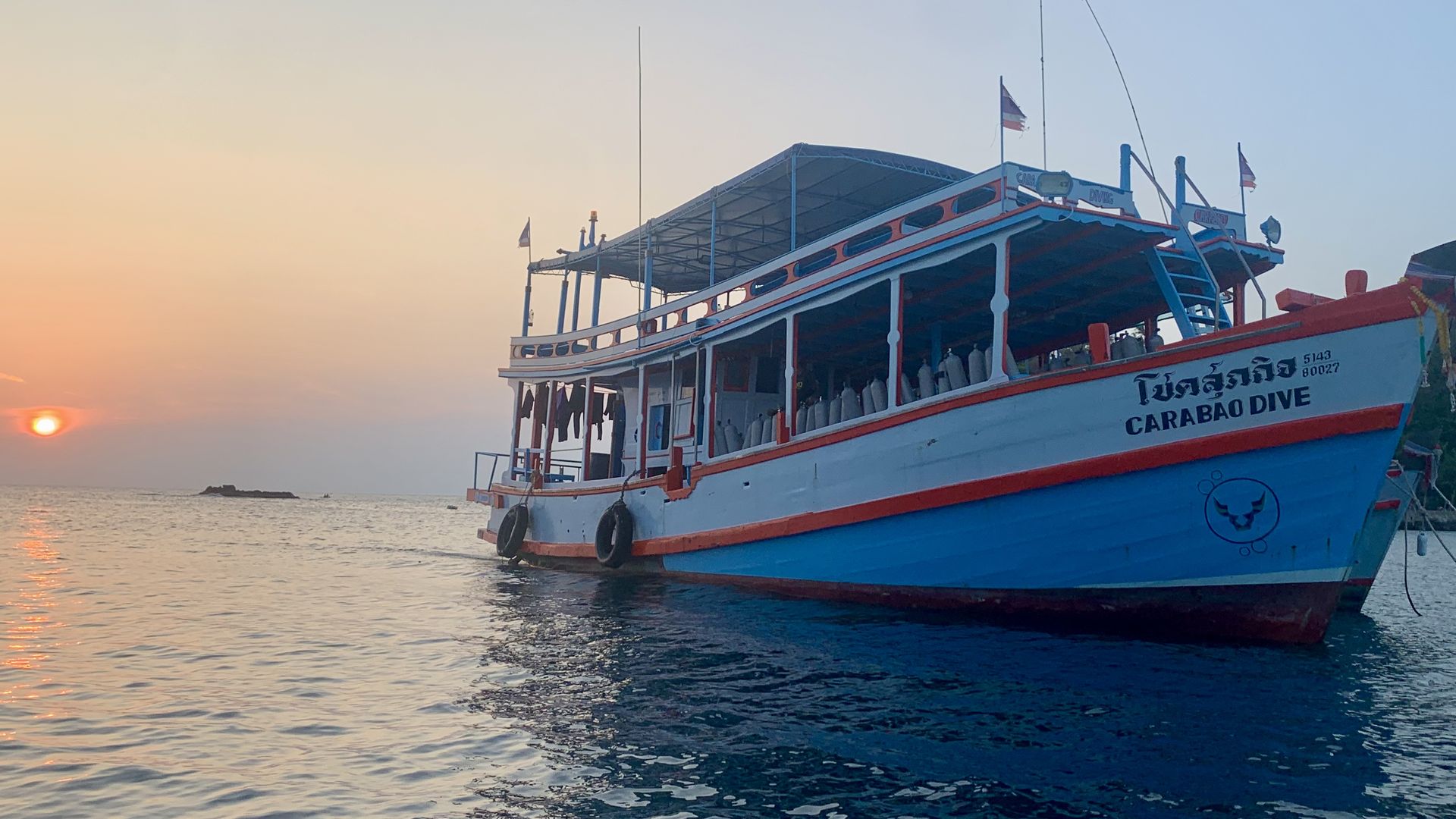
SSI dive resort · Chalok
Dive and stay in the quiet southern bay of Chalok.
Full guide →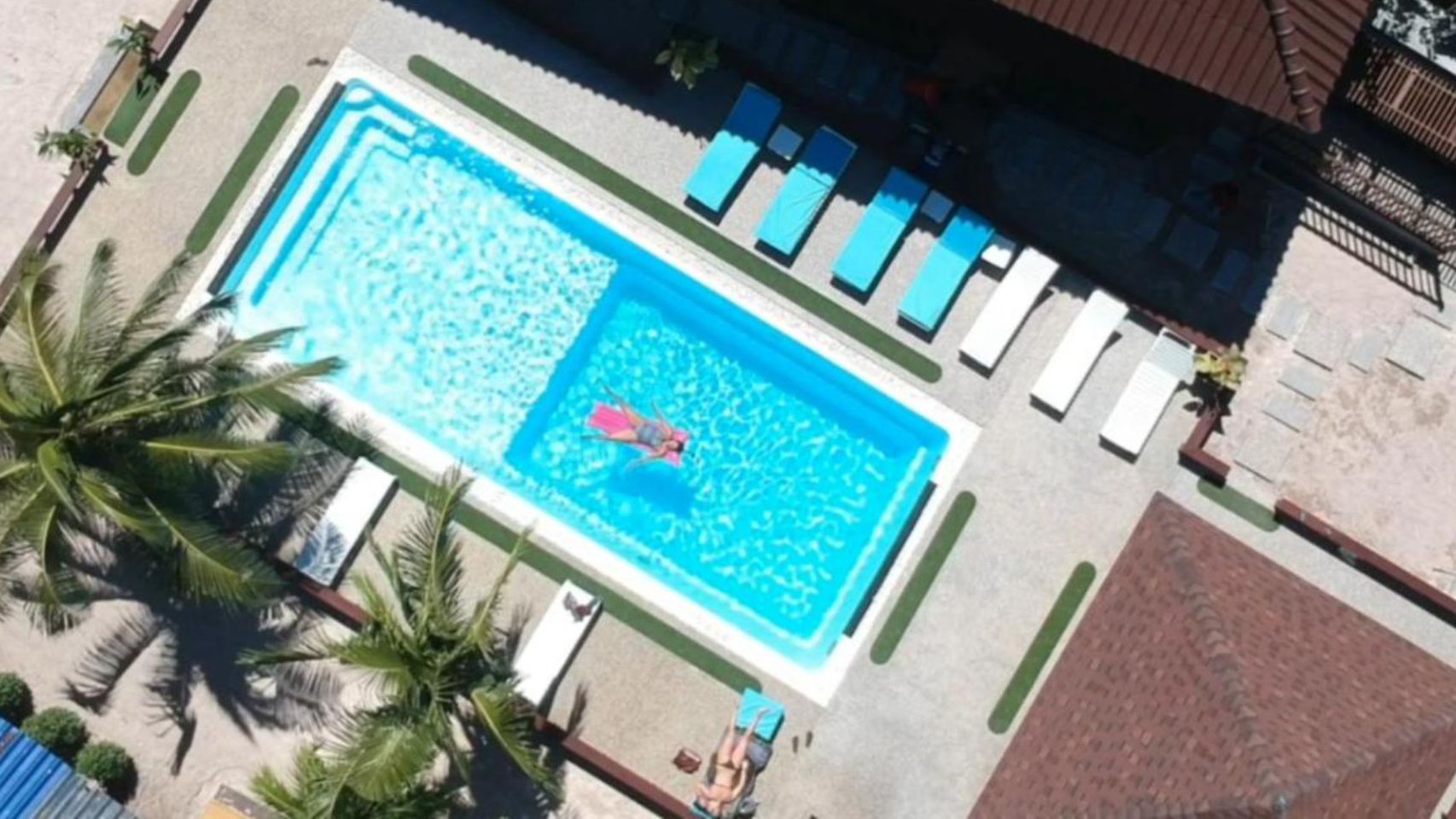
PADI dive resort · Chalok
Courses and fun dives with a resort to stay at, in Chalok.
Full guide →Also on the island: DPM Diving and dozens more. See every dive centre on Koh Tao →