Koh Tao dive sites / Green Rock
Green Rock: Koh Nang Yuan's Granite Maze Dive Site
A pile of granite boulders off Koh Nang Yuan, cut with swim-throughs, canyons and caverns.
Koh Tao dive sites / Green Rock
A pile of granite boulders off Koh Nang Yuan, cut with swim-throughs, canyons and caverns.
Green Rock is Koh Tao's granite maze. Out on the exposed north-west side of Koh Nang Yuan, a big stack of boulders has cracked and settled into swim-throughs, canyons and short tunnels, and threading through them is the whole point of the dive. If you are looking for a Green Rock dive site on Koh Tao that feels more like exploring than sightseeing, this is it.
It is not a beginner site. The rock tops sit around 5 to 6 m, the base of the boulders runs to roughly 10 to 20 m, and the open water side of Nang Yuan gets more current than the sheltered bays. Come with decent buoyancy, an Advanced certification if you can, and a guide who knows the route. In return you get one of the most interesting bits of topography around Koh Tao, plus a patch of sand nearby where triggerfish dig their nests.
Most dives start on top of the boulders and work down into the passages. Some gaps are wide enough for a few divers at a time, others for one diver at a time, so groups tend to string out and take turns. If a passage looks too tight, you can simply follow the outside base of the rocks and rejoin the group on the other side.
North of the boulders is a flat patch of sand called the trigger pits. Your guide will take you past it, but only at a distance, because titan and yellowmargin triggerfish dig their nests there. From the pits, stronger divers can carry on north-west to Blue Rock, a small separate pinnacle in deeper water. The dive usually finishes by drifting up along the shallower Nang Yuan coastline, which makes a gentle ascent and a relaxed safety stop.
The main body is a cluster of large granite boulders. The tops come up to about 5 to 6 m below the surface and the base lies somewhere between 10 and 20 m, with the average dive spent around 16 to 20 m. The gaps between boulders form caves, caverns, canyons and swim-throughs of different sizes.
Overall the site reaches about 28 m. Depths shift a little depending on the tide and where you measure.
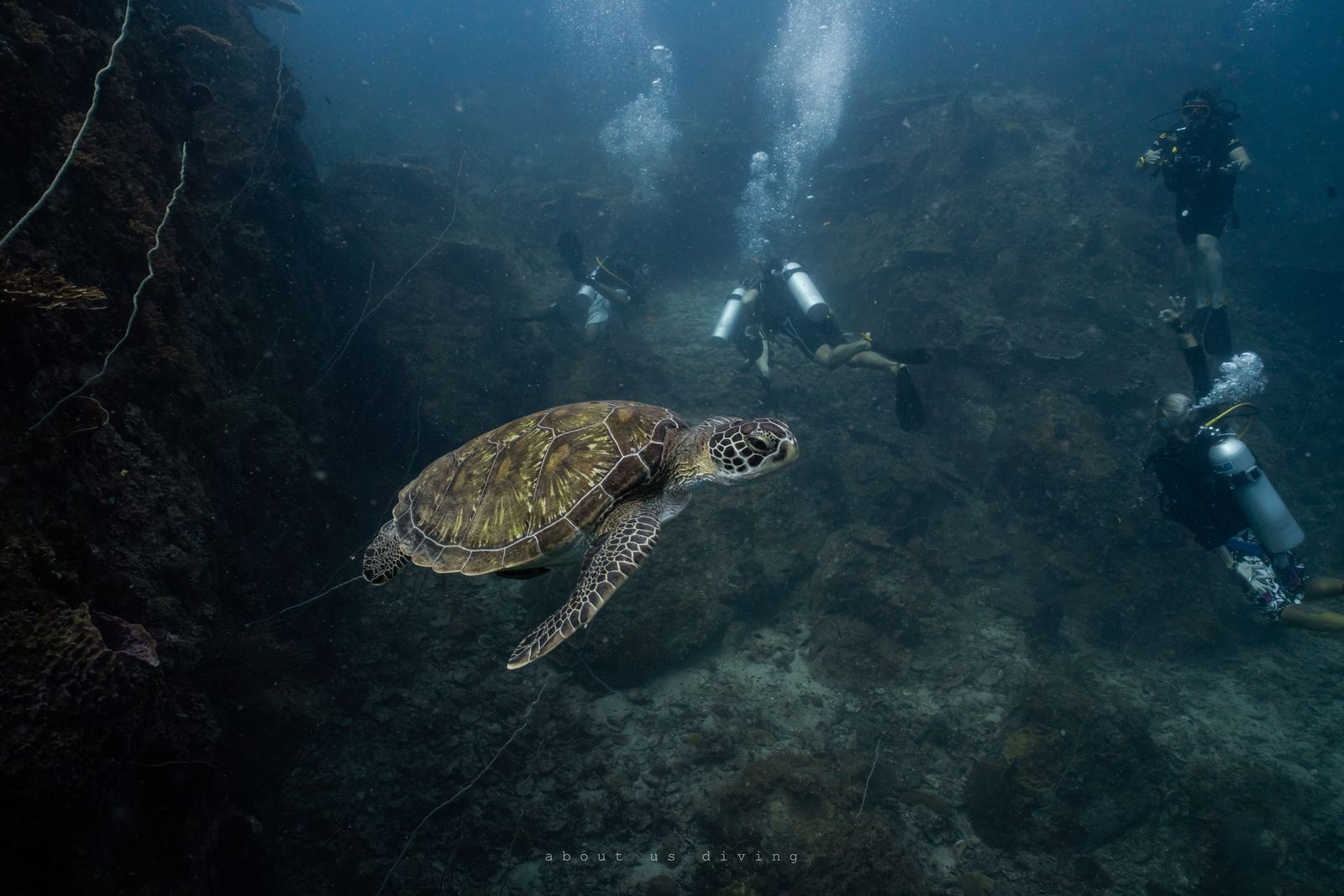
Titan and yellowmargin triggerfish are the stars of the sand, and you will usually see butterflyfish, angelfish, longfin bannerfish, white-eyed moray eels and harlequin sweetlips around the rocks. Yellowtail barracuda hang near the tops of the boulders. Hawksbill and green turtles come through regularly, and a whale shark is possible in season, though never guaranteed.
Bring a torch. The cave walls hide Durban dancing shrimp, ghost shrimp, cleaner shrimp, banded boxer shrimp, pipefish and nudibranchs, and the whip corals at Blue Rock carry xeno crabs. Chevron barracuda, Jenkins whiprays and banded sea kraits turn up now and then.
Green Rock faces open water, so the current can run mild to strong. Visibility swings a lot, from around 5 to 15 m on a typical day to 20 m or more when things line up, and it is usually worse around the full moon. Conditions are generally kinder outside the June to August south-west monsoon months.
April and May are the peak of triggerfish nesting, which makes the trigger pits busier and the fish more protective. It is still a good time to dive here, you just need to give them more room.
Depth reaches about 28 m, so you need a deep qualification for anything below 18 m. Overhead rock in the swim-throughs means good buoyancy is not optional. Triggerfish are territorial during breeding season, roughly April to June, and will charge divers who stray too close so keep your distance and follow your guide's lead. Current can be strong on this side of the island, so listen carefully to your briefing.
The rock tops start around 5 to 6 m and the site reaches about 28 m. Most of the boulder dive happens between roughly 10 and 20 m.
Advanced Open Water, or a deep adventure student with an instructor, is recommended because of the depth, current and overhead rock. The shallower coastline section is easier.
A sandy area just north of the boulders where titan and yellowmargin triggerfish dig nests. They are territorial, especially from April to June, so keep your distance.
Occasionally, in season. Whale shark sightings around Koh Tao are sporadic and cannot be guaranteed.
It is a small separate pinnacle a little further north-west, usually added as an extension at about 26 m for divers who are comfortable with the depth.
A granite pinnacle just off Koh Nang Yuan, with a cave swim and a drift finish into Japanese Gardens.
10 to 16 mA purpose-built reef of concrete sculptures and obstacles, a short swim north of Twins.
1 to 15 mA shallow, sheltered coral bay on Koh Nang Yuan where many divers take their first breaths underwater.
14 to 30 mA granite pinnacle west of Twins where the crack, the big fish and a brand-new wreck all share one dive.
Learn to dive
Koh Tao is one of the best places in the world to learn to dive: warm, calm water, sites a short boat ride away and schools for every style. Here are the courses most schools offer and the dive schools we know and trust. Schedules, course length and prices are set by each school.
PADI 5-Star · Sairee
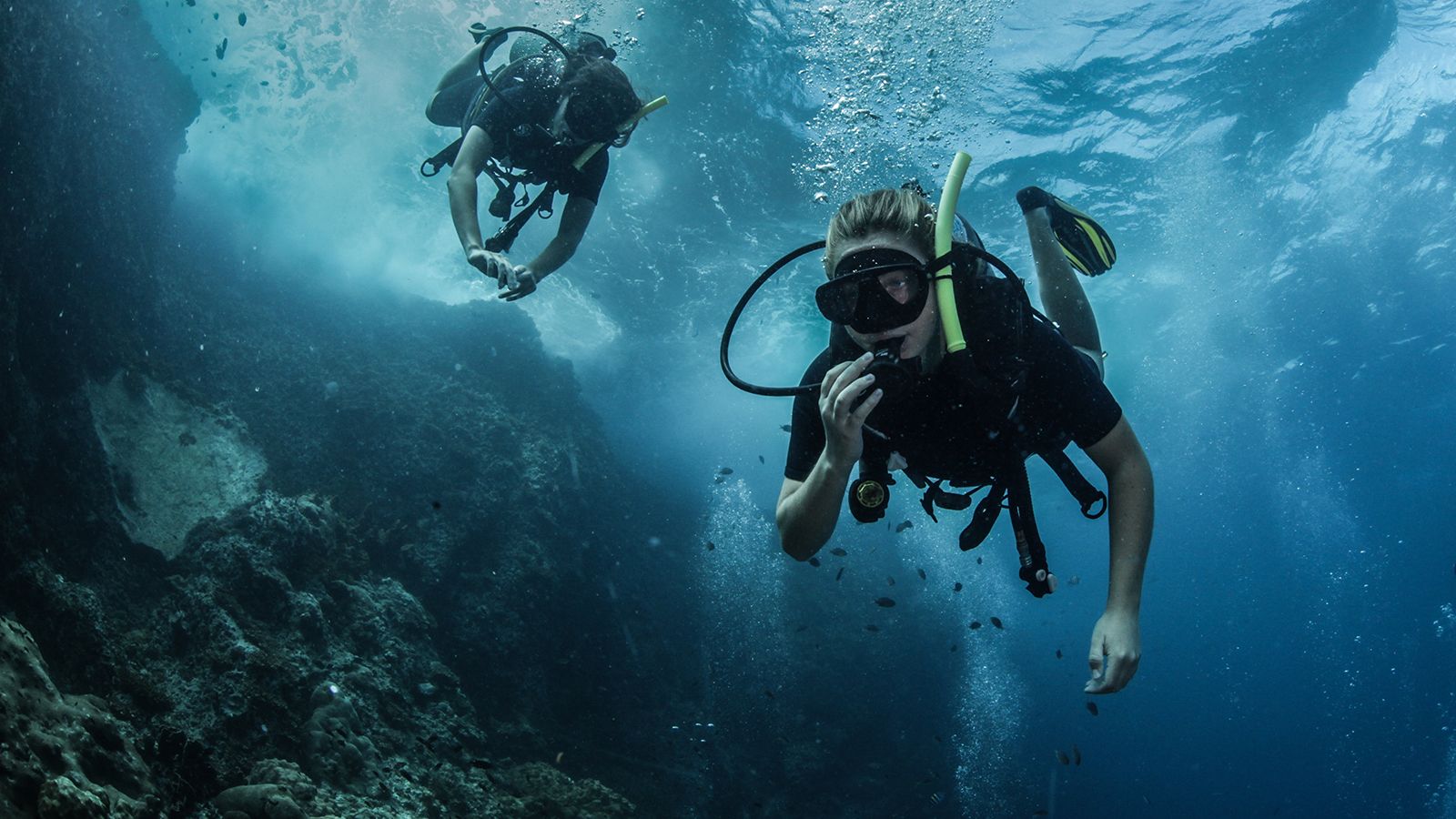
PADI 5-Star IDC on Sairee Beach: small groups, every level, taught in seven languages.
Full guide →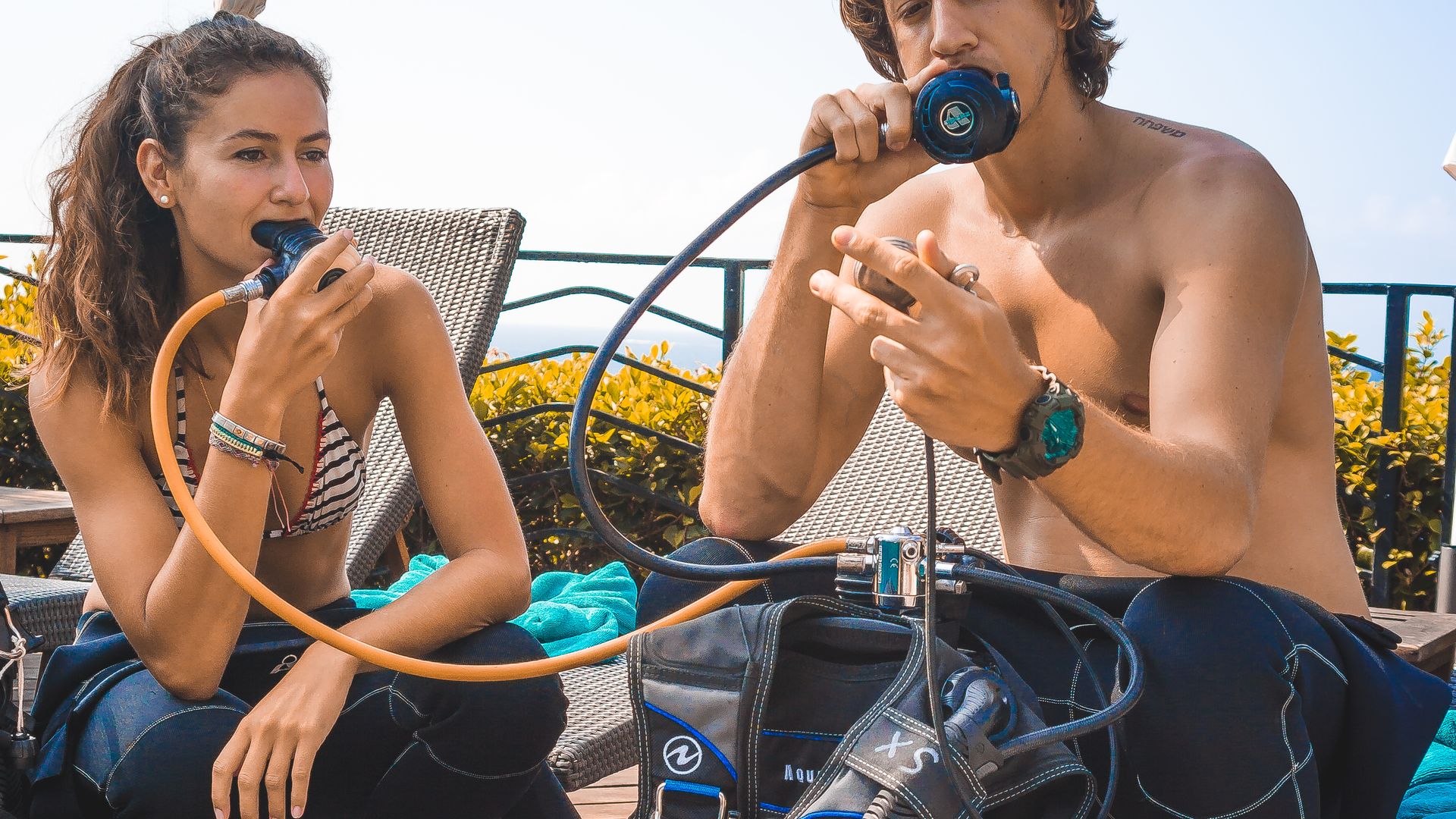
Private club · South coast
Very small classes, a training pool and boats straight from the resort pier.
Full guide →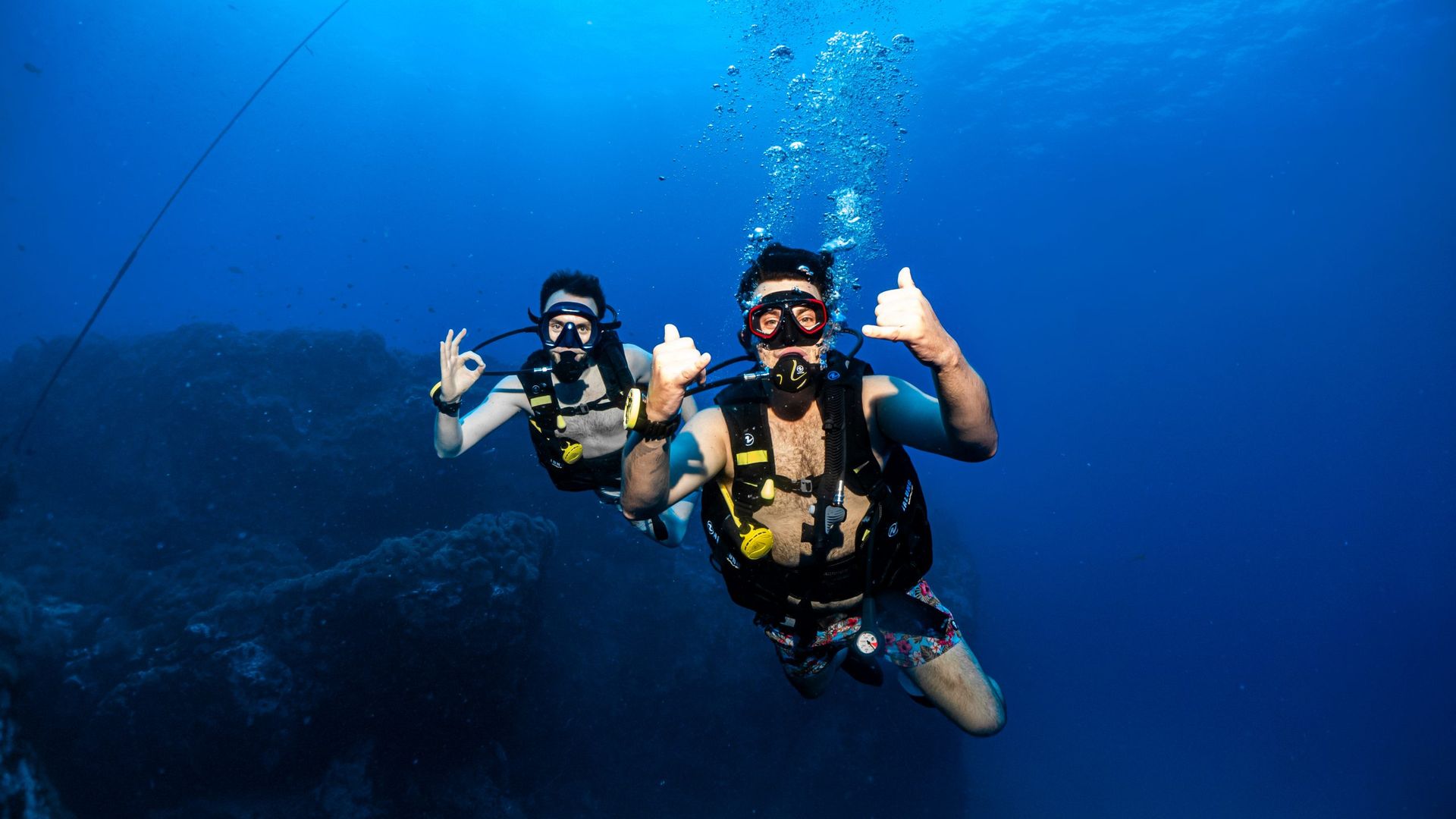
Dive school · Mae Haad
Groups of four, two minutes from the pier, from Open Water to instructor.
Full guide →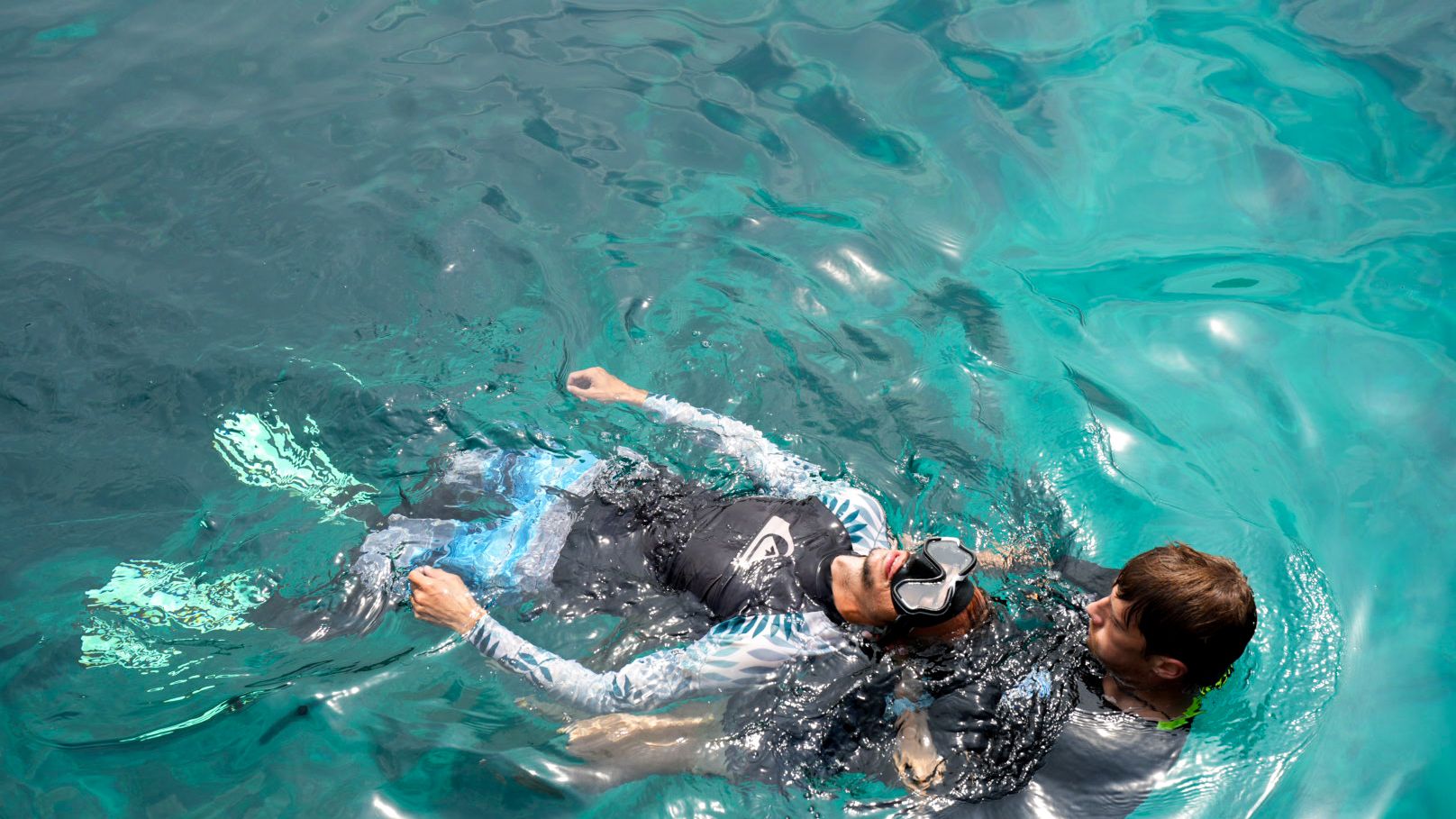
French dive school · Mae Haad & Chalok
Courses in French since 2012: SSI and CMAS / FFESSM, groups of four, first dive to instructor.
Full guide →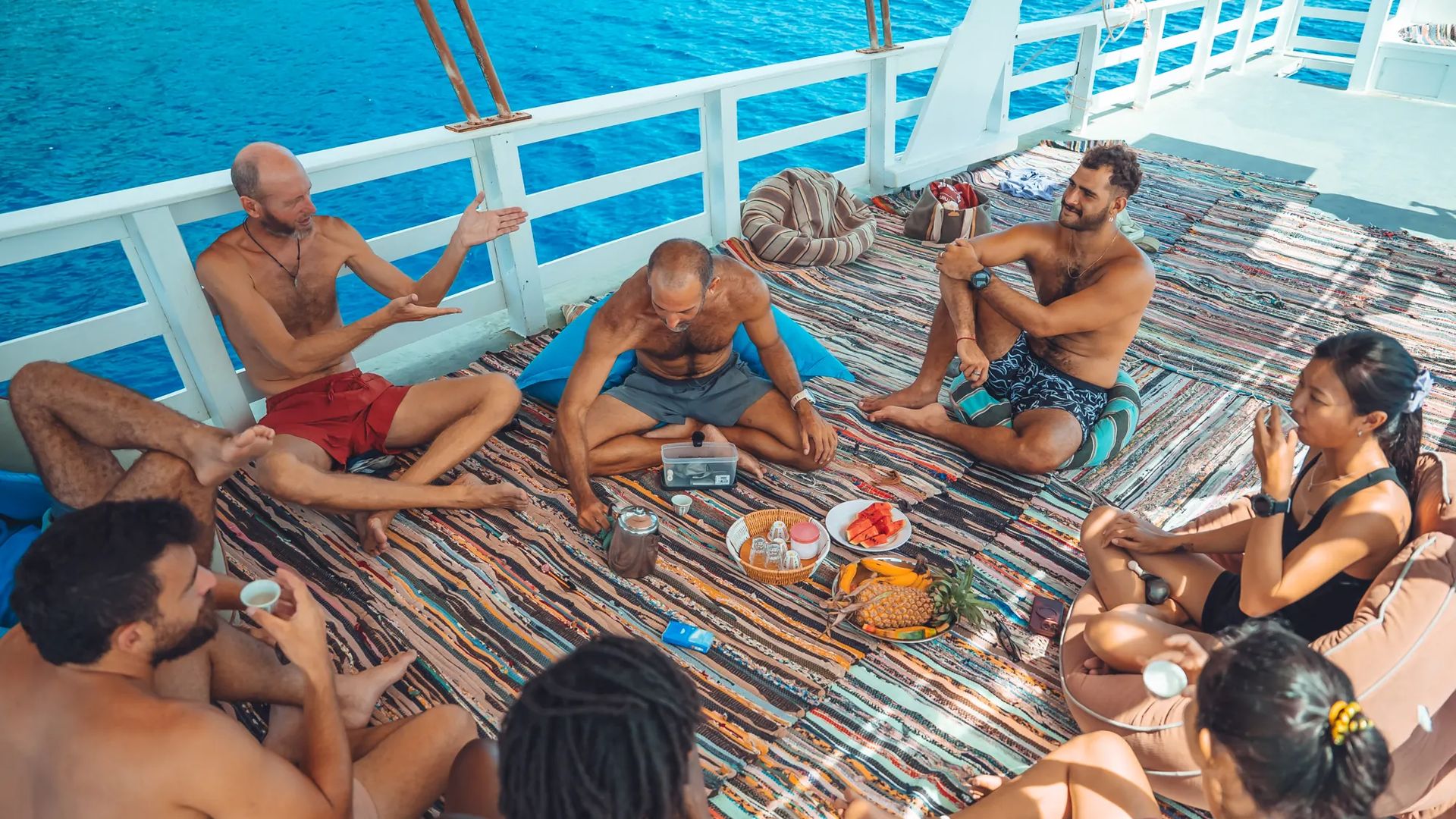
Freediving & yoga · Mae Haad
Learn to freedive on one breath, with breathwork and yoga in a sea-view shala.
Full guide →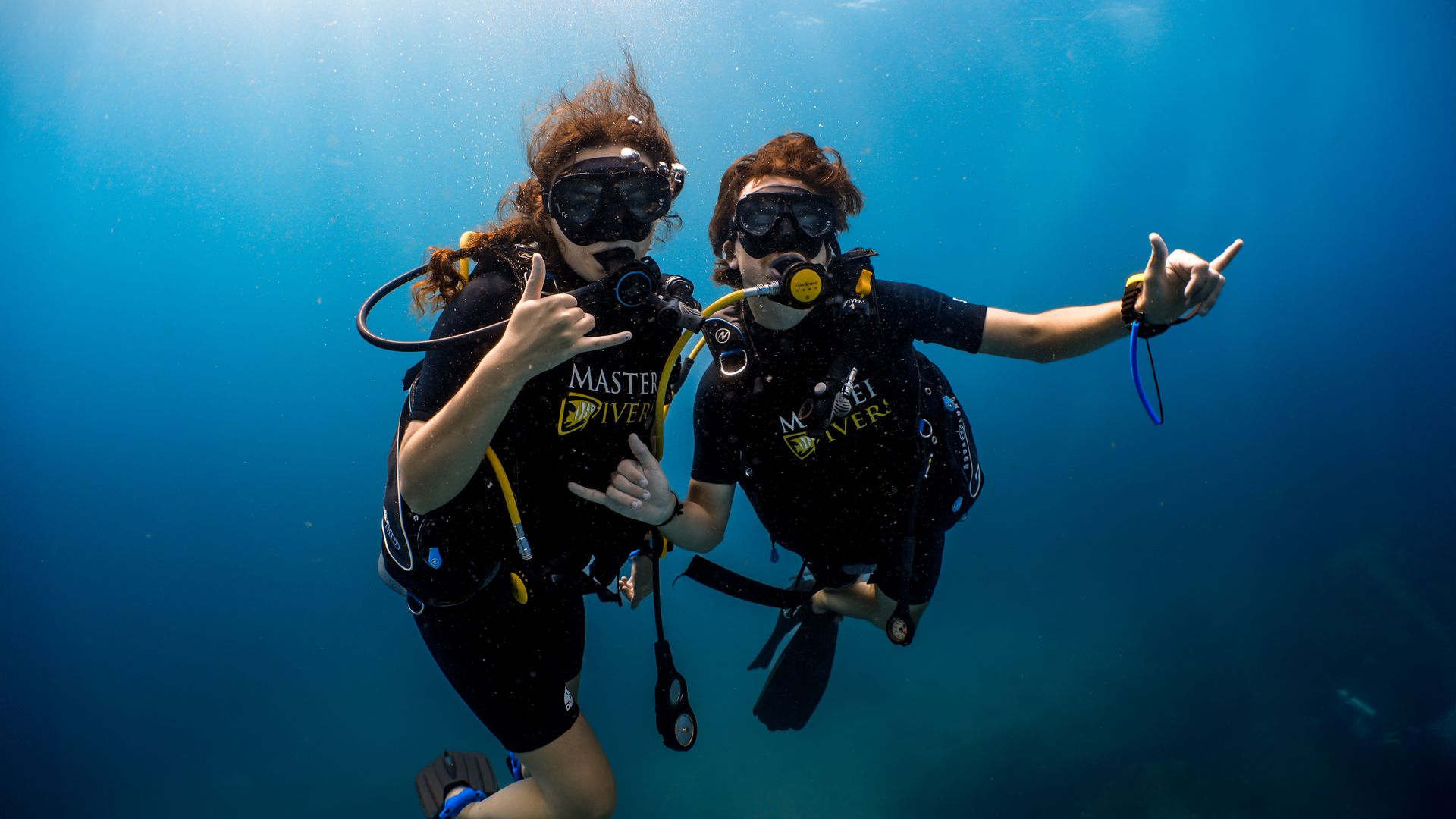
PADI 5-Star CDC · Mae Haad
One of the island's most established dive centres, with a focus on pro training.
Full guide →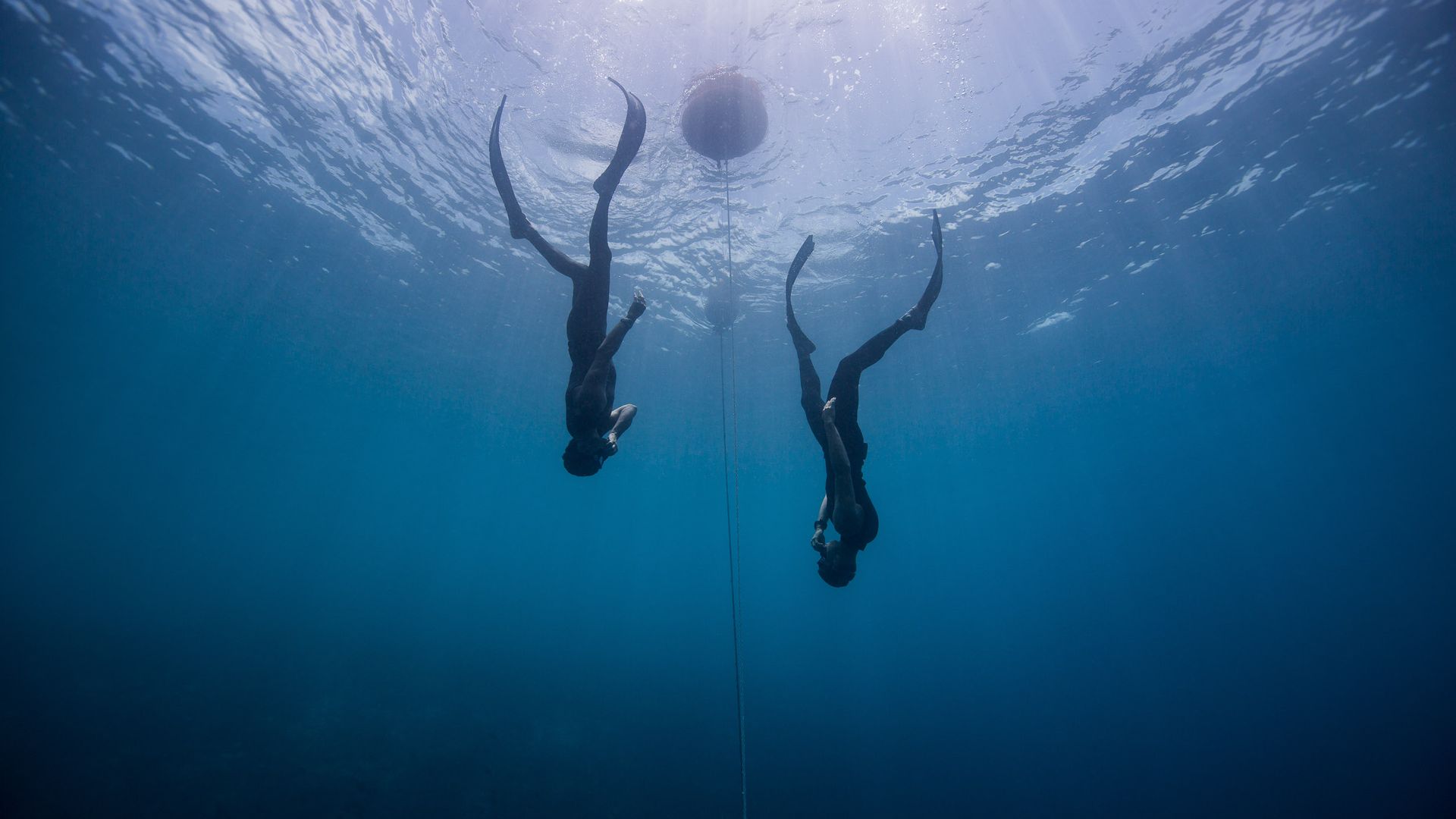
Freediving · Sairee
Personal freediving courses with experienced instructors off Sairee Beach.
Full guide →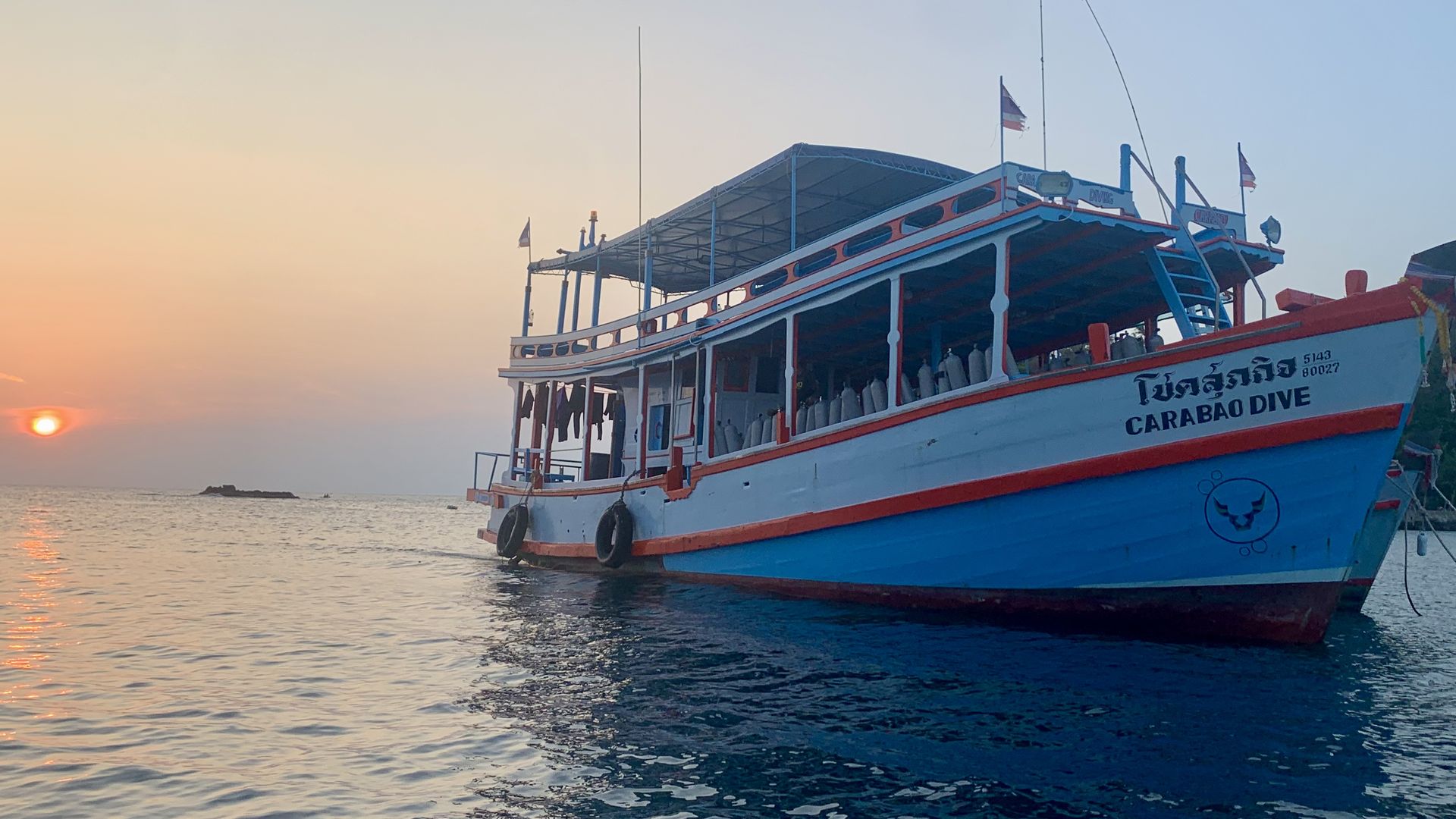
SSI dive resort · Chalok
Dive and stay in the quiet southern bay of Chalok.
Full guide →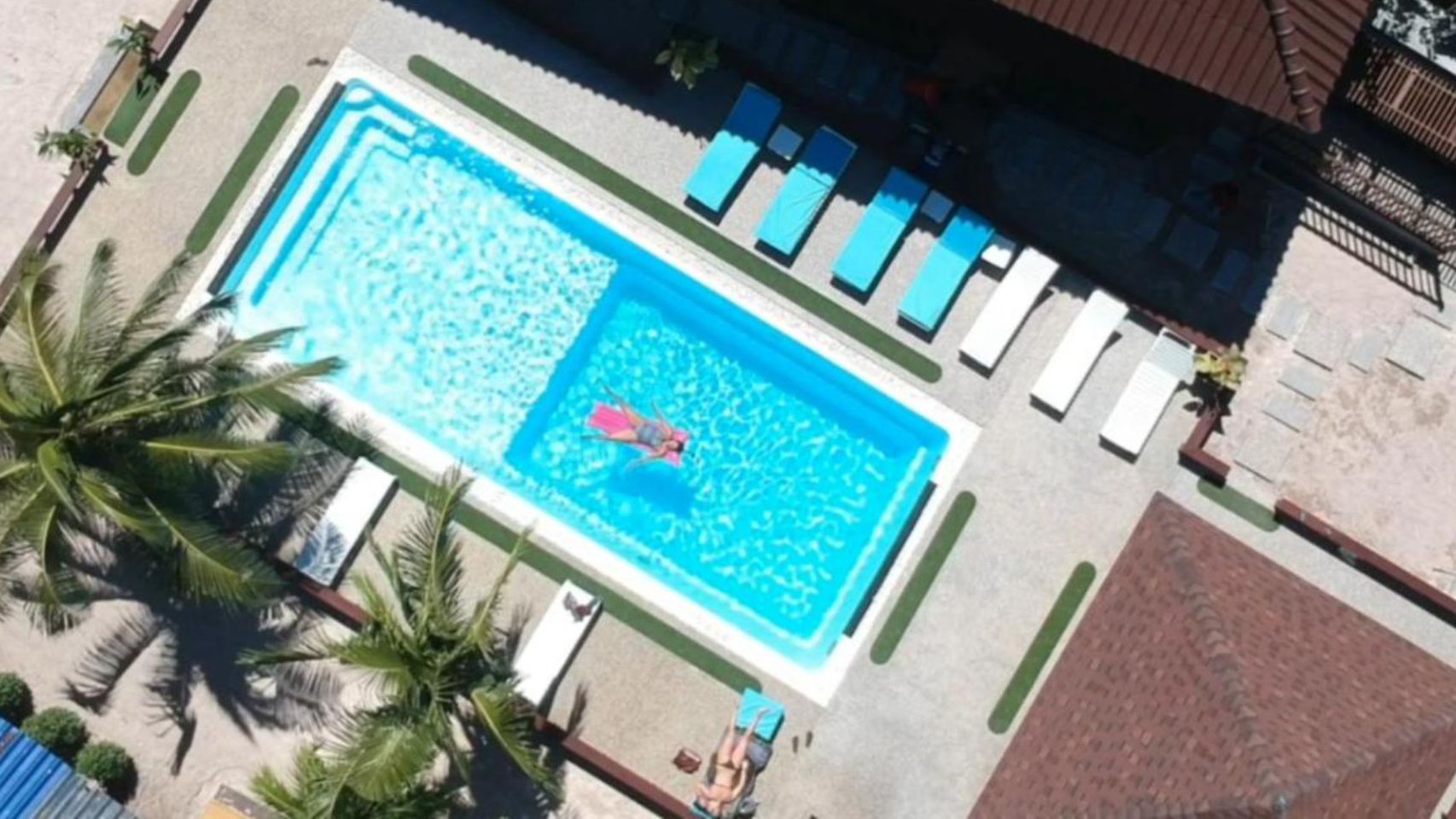
PADI dive resort · Chalok
Courses and fun dives with a resort to stay at, in Chalok.
Full guide →Also on the island: DPM Diving and dozens more. See every dive centre on Koh Tao →