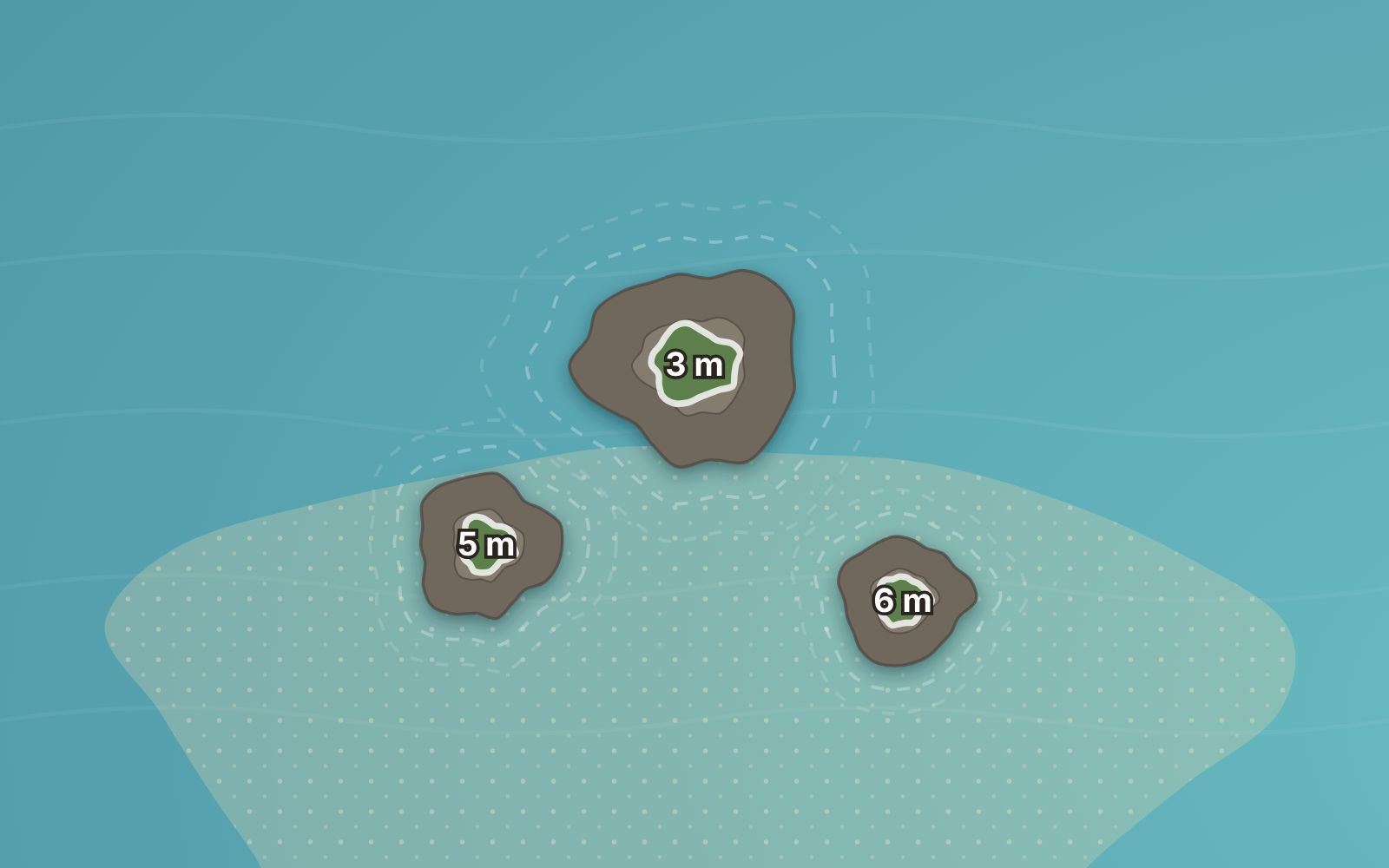
Koh Tao dive sites / King Kong Rock
King Kong Rock Quiet Granite Boulder Dive Site, Koh Tao
A rarely visited cluster of big boulders, corals and sea whips on the south-east coast.
Koh Tao dive sites / King Kong Rock
A rarely visited cluster of big boulders, corals and sea whips on the south-east coast.
King Kong Rock is a little-visited rocky site on Koh Tao's south-east coast, between Aow Leuk and Lang Khai Bay, below the cliff-top resort at Ao Lad. Few dive boats come here, so the corals and fish are less disturbed than on the busier west-coast sites.
Several large granite boulders stand on a sand-and-rock bottom, dressed in corals and sea whips. It works for snorkellers and freedivers as well as scuba divers, which makes King Kong Rock Koh Tao's friendliest hidden spot for mixed groups.
You can reach the rock by boat from Aow Leuk, or by walking down a path from the resort at Ao Lad. That path makes it one of the few Koh Tao sites with a real shore option.
It combines well with Aow Leuk or Lang Khai Bay for a day trip along this quiet stretch of coast.
Descend near the main rock and circle the boulders clockwise at about 15 to 20 m. From there you work up through the gullies and over the tops of the rocks, finishing at shallow depth for the safety stop.
Some operators describe maze-like channels and swim-throughs, while others describe a handful of big rocks to circle. Ask your guide for the day's plan, because exact depths vary with the tide and where you measure.
Depth reports range from about 5 m at the tops to 18 to 28 m at the base, so treat the map as a schematic.
Fusiliers, snapper, rabbitfish and groupers work around the rocks, with giant morays in the crevices and blue-spotted stingrays on the sand. Batfish and pufferfish show up too, and anglerfish have been reported.
Move slowly and you will find the camouflaged residents: lionfish, scorpionfish and stonefish, plus nudibranchs, cleaner shrimp and pipefish in the gullies.
The name has nothing to do with the shape of the rock. It comes from Uncle Kong, the nickname of Kampanat Na Songkhla, the Thai divemaster who founded New Heaven Dive School.
King Kong Rock is a quiet, scenic dive rather than a big-animal one. The pleasure is in circling boulders, looking into gullies and spotting small life, so it suits relaxed divers who like to take their time.
It also works as a fun dive for mixed groups. Snorkellers and freedivers can enjoy the shallow tops of the rocks, while scuba divers go deeper around the base, and Open Water dives are possible in calm conditions.
Because so few boats come here, you may have the site to yourself. That is the main attraction, along with corals and sea whips that look less worn than on the busier reefs.
The calm months, February to May and June to September, are best. Late October to December is the north-east monsoon, when this side of the island is best avoided.
Visibility is typically 10 to 30 m, averaging around 20 m. Current is usually light, though stronger flow is possible on the outer rocks.
The tops of the boulders reach to within a few metres of the surface, which is why King Kong Rock works so well for snorkellers and freedivers. You can float over the corals and sea whips, watch the fusiliers and snapper moving around the rocks, and dive down to look into the gullies.
Conditions matter more for surface swimmers, so pick a calm day. If the sea is up, the outer rocks can have stronger flow, and a quick look from the cliff path will tell you a lot before you get in.
Since depth figures vary, plan the dive with your guide on the day and agree a maximum depth before you get in. The tops of the rocks come within a few metres of the surface, so the dive is easy to shape around the group.
If you are staying on the east coast, pair it with Aow Leuk or Lang Khai Bay for a relaxed day out, and use the path down from the resort at Ao Lad if you want to reach the rock from land.
On the south-east coast between Aow Leuk and Lang Khai Bay, below the cliff-top resort at Ao Lad.
After Uncle Kong, the nickname of Kampanat Na Songkhla, the founder of New Heaven Dive School.
Depths run from near the surface to roughly 18 to 28 m, depending on which rocks you dive and how it is measured.
Yes. It is also reachable by a path from the cliff-top resort at Ao Lad.
Two tiny bays in a quiet valley, best known for snorkelling among boulders and coral.
0 to 18 mA white-sand bay on the south-east coast where juvenile reef sharks, easy training dives and a small artificial reef share calm water.
0 to 28 mA granite islet off the south-east tip, wrapped in soft corals, sea fans and turtles.
3 to 12 mA compact, shallow reef of granite boulders and coral restoration structures in a sheltered corner of the south-east coast.
Learn to dive
Koh Tao is one of the best places in the world to learn to dive: warm, calm water, sites a short boat ride away and schools for every style. Here are the courses most schools offer and the dive schools we know and trust. Schedules, course length and prices are set by each school.
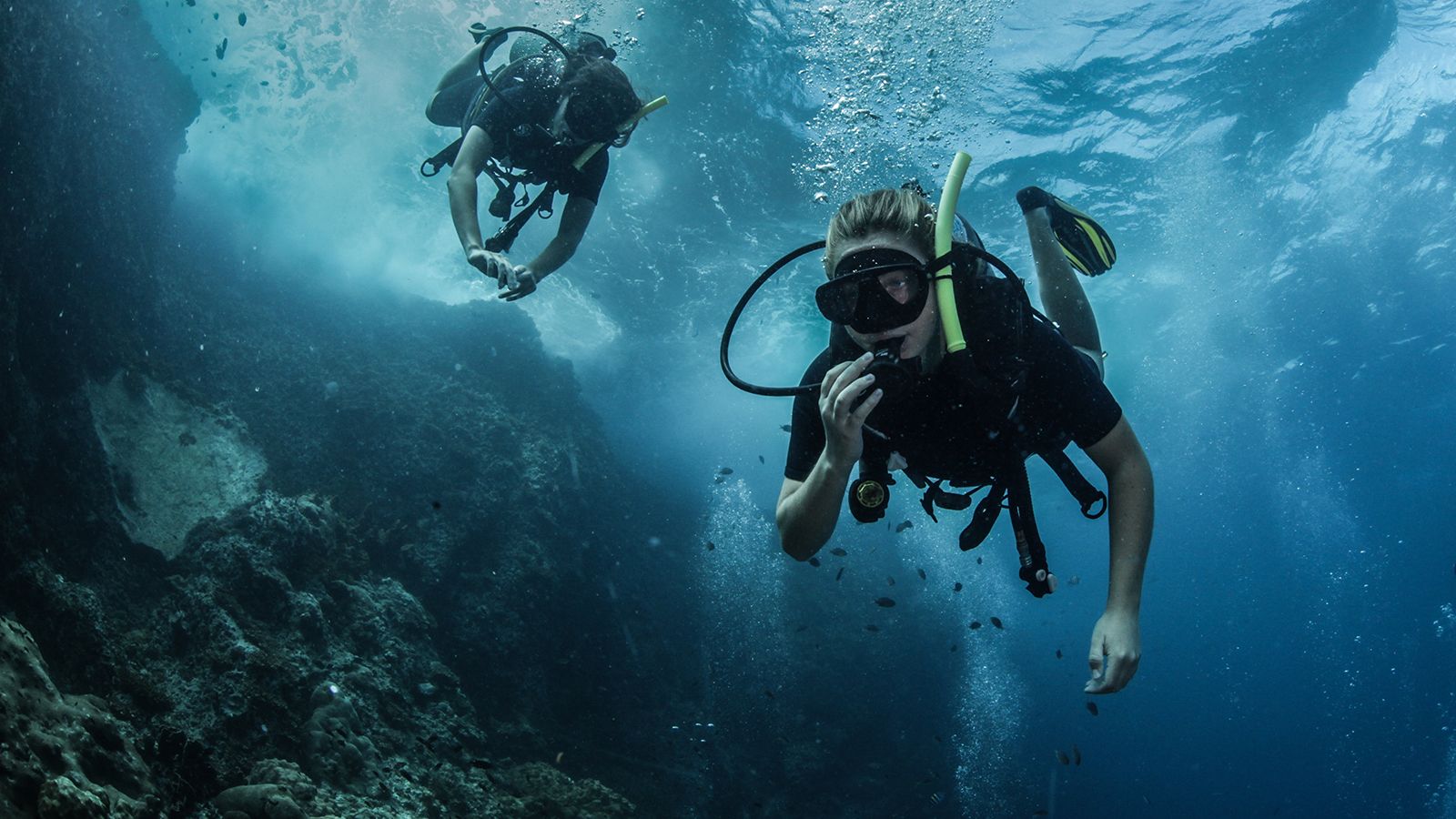
PADI 5-Star · Sairee
PADI 5-Star IDC on Sairee Beach: small groups, every level, taught in seven languages.
Full guide →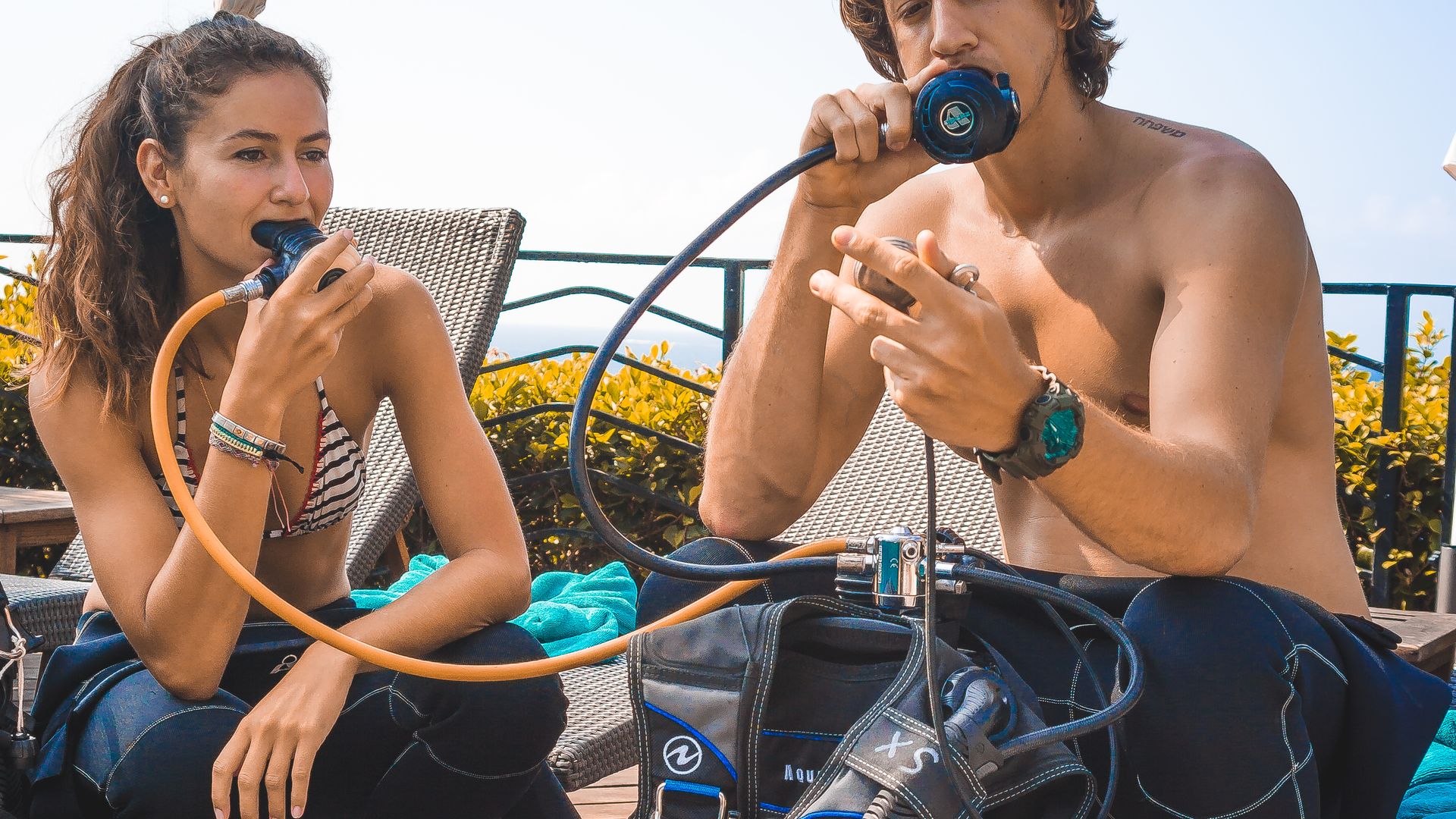
Private club · South coast
Very small classes, a training pool and boats straight from the resort pier.
Full guide →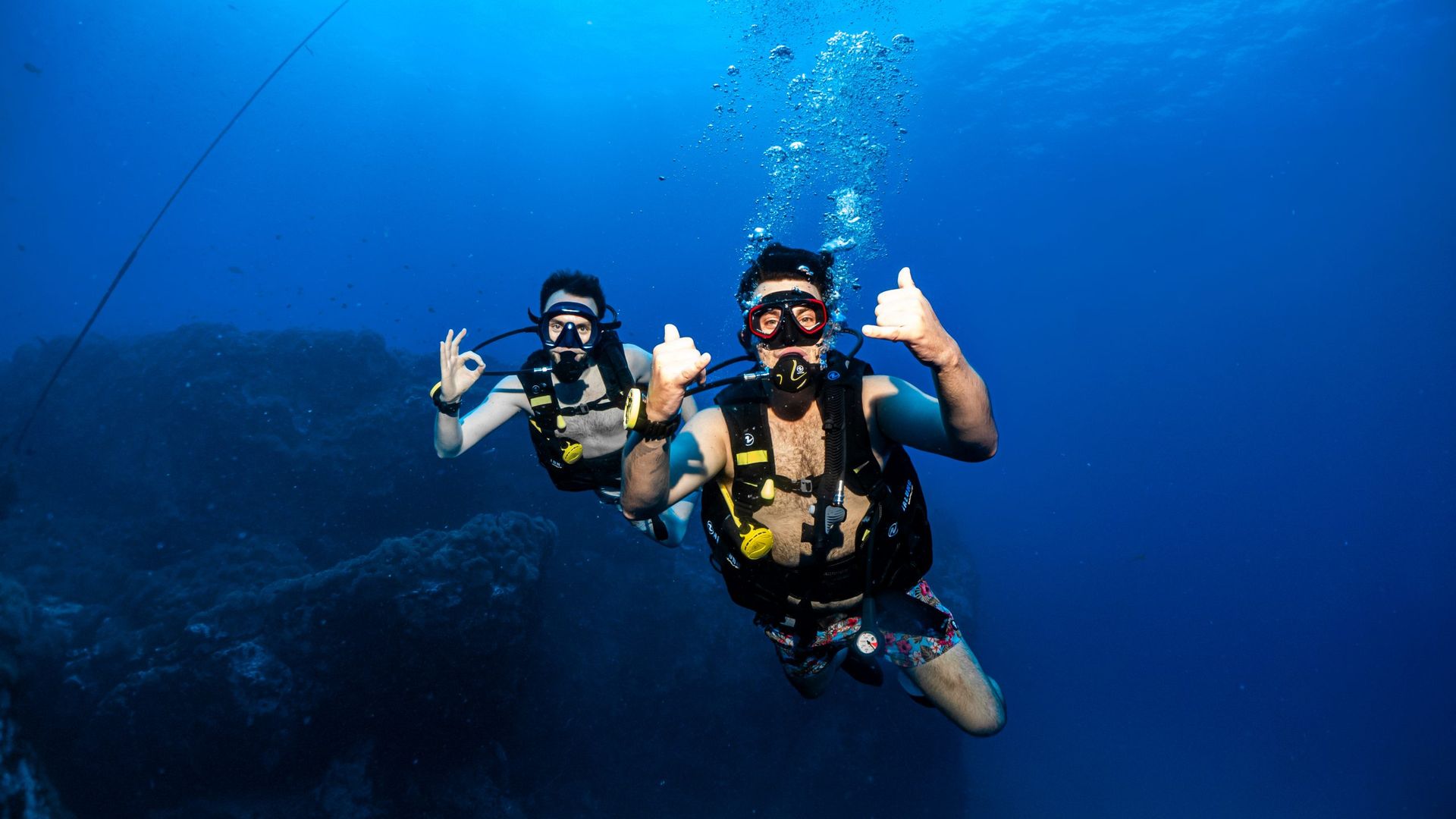
Dive school · Mae Haad
Groups of four, two minutes from the pier, from Open Water to instructor.
Full guide →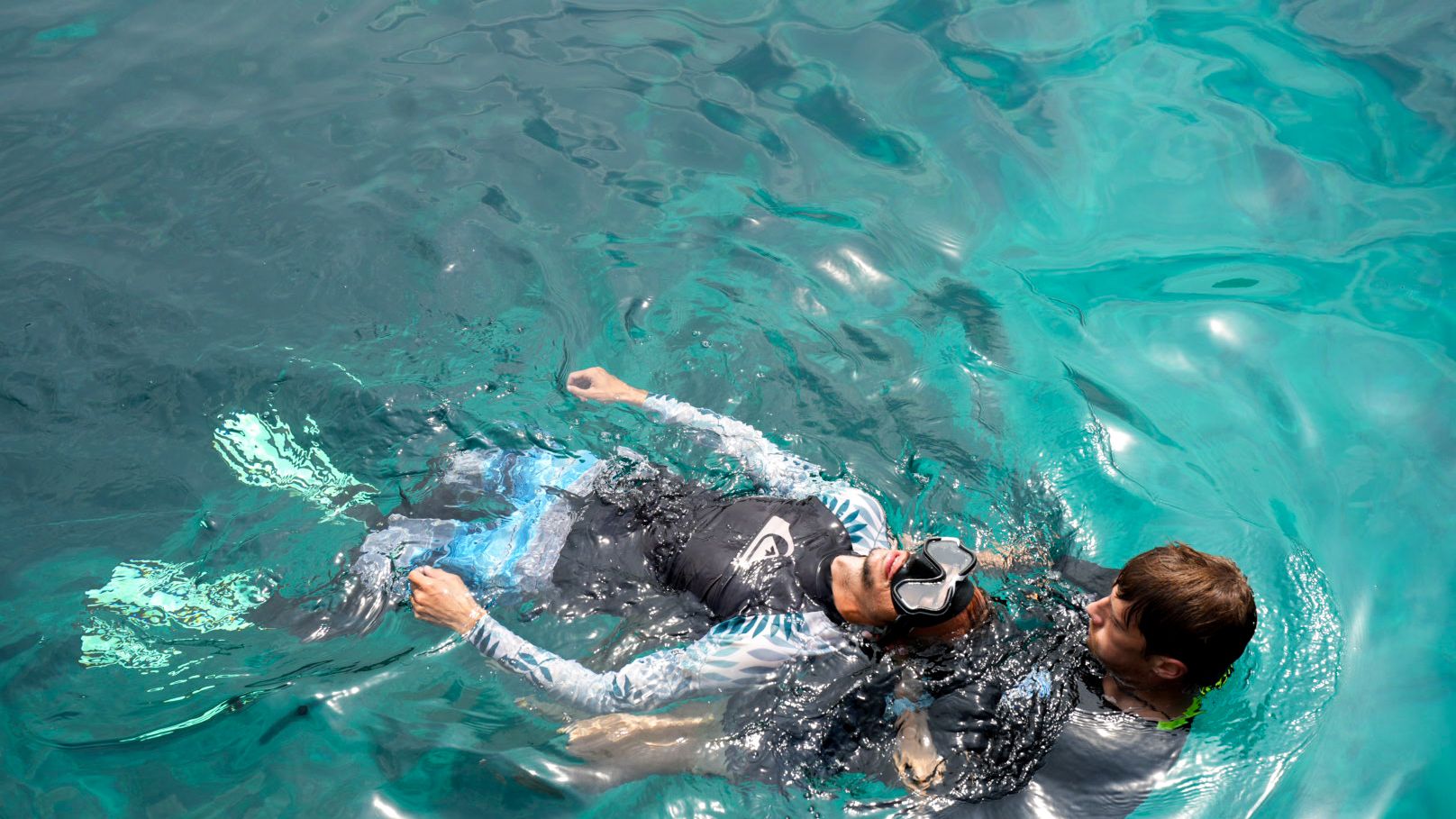
French dive school · Mae Haad & Chalok
Courses in French since 2012: SSI and CMAS / FFESSM, groups of four, first dive to instructor.
Full guide →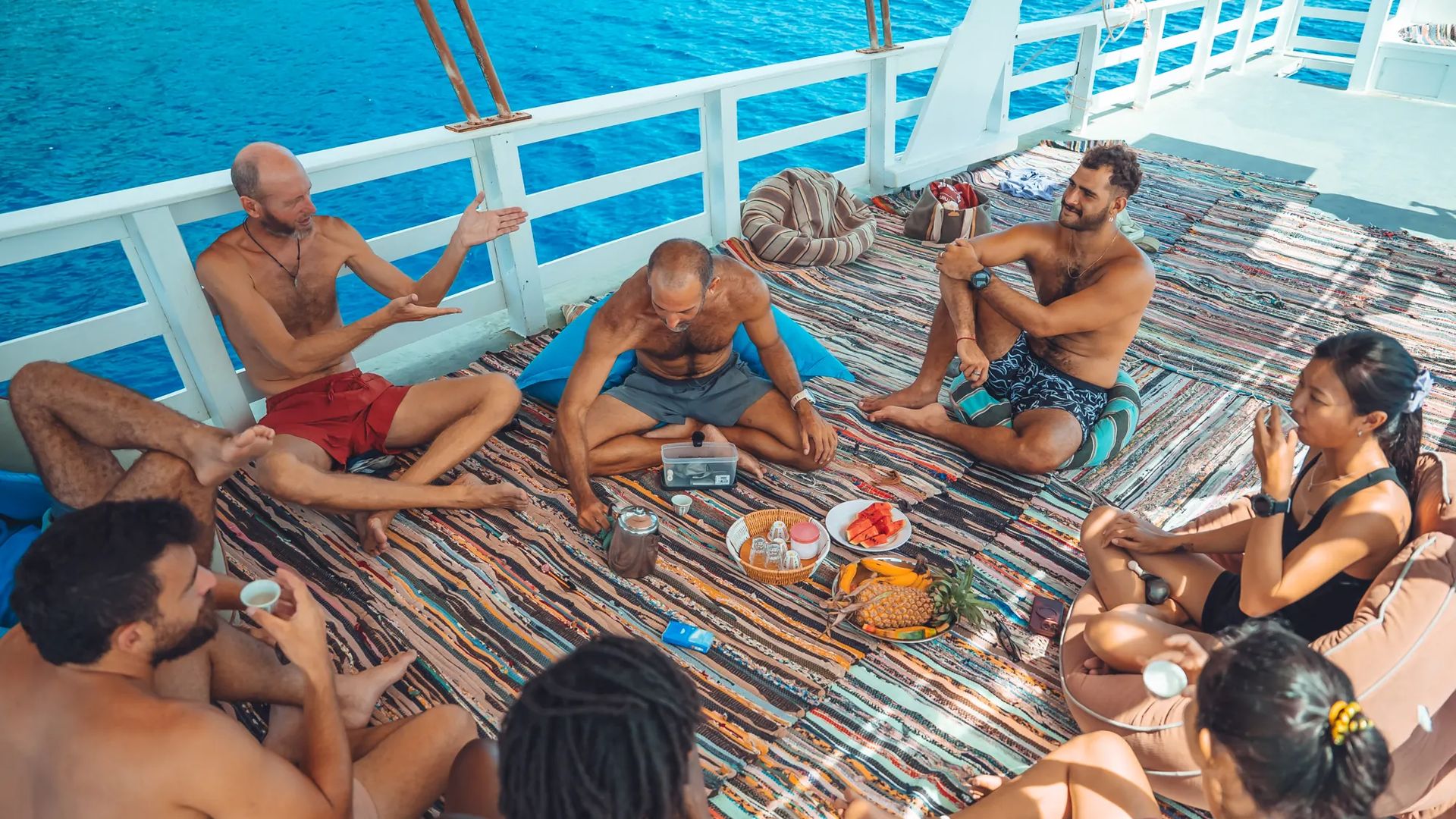
Freediving & yoga · Mae Haad
Learn to freedive on one breath, with breathwork and yoga in a sea-view shala.
Full guide →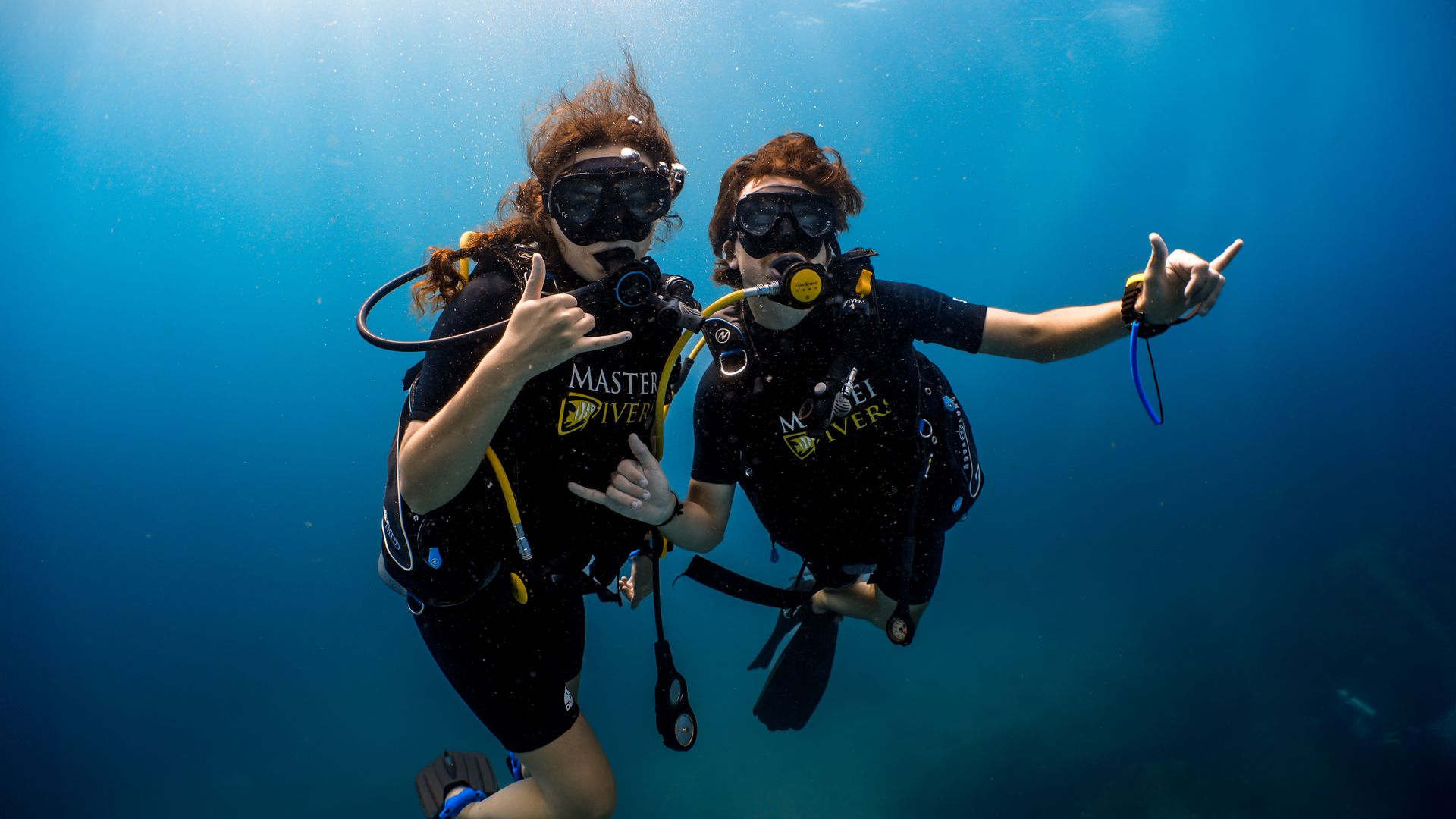
PADI 5-Star CDC · Mae Haad
One of the island's most established dive centres, with a focus on pro training.
Full guide →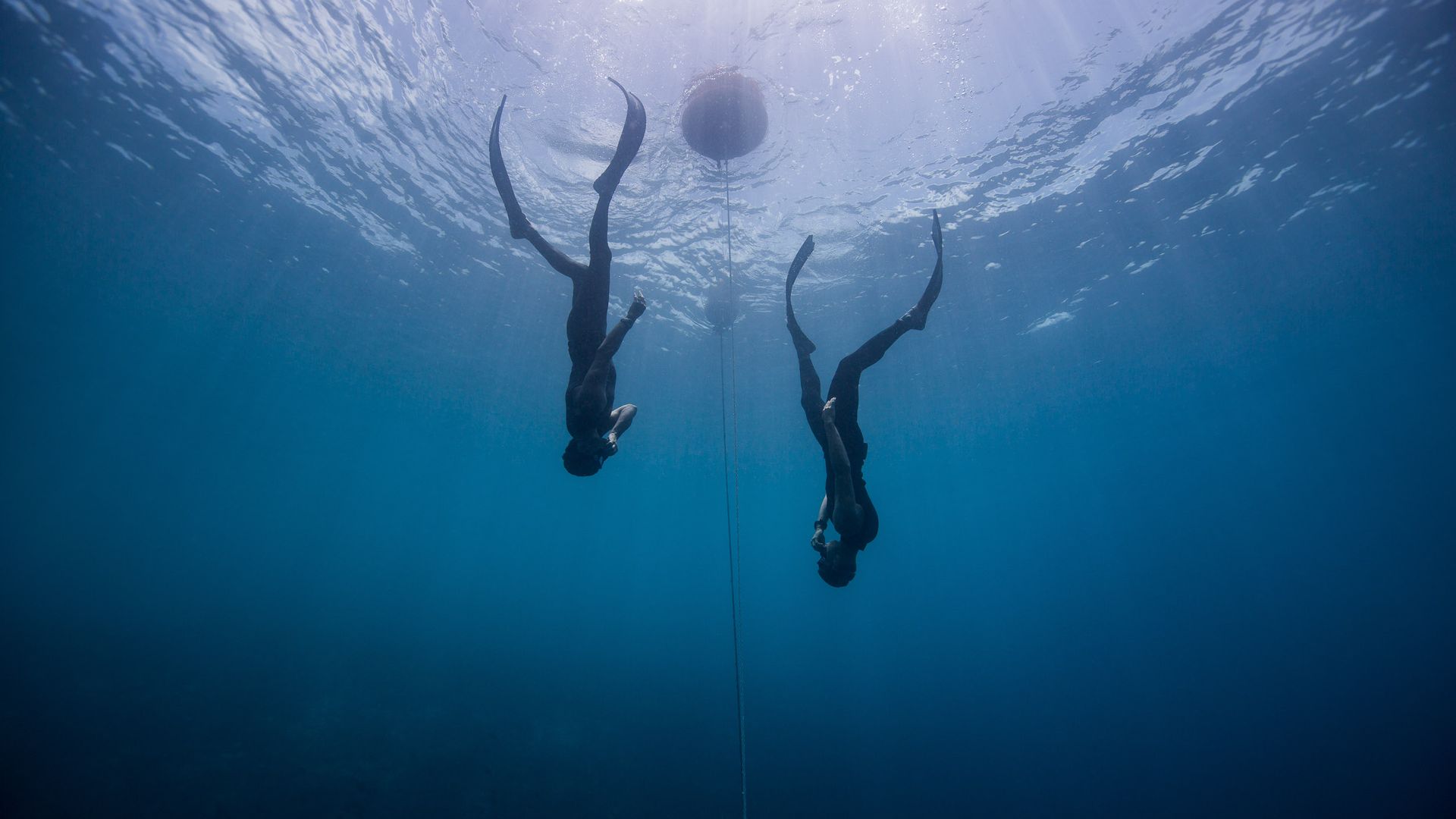
Freediving · Sairee
Personal freediving courses with experienced instructors off Sairee Beach.
Full guide →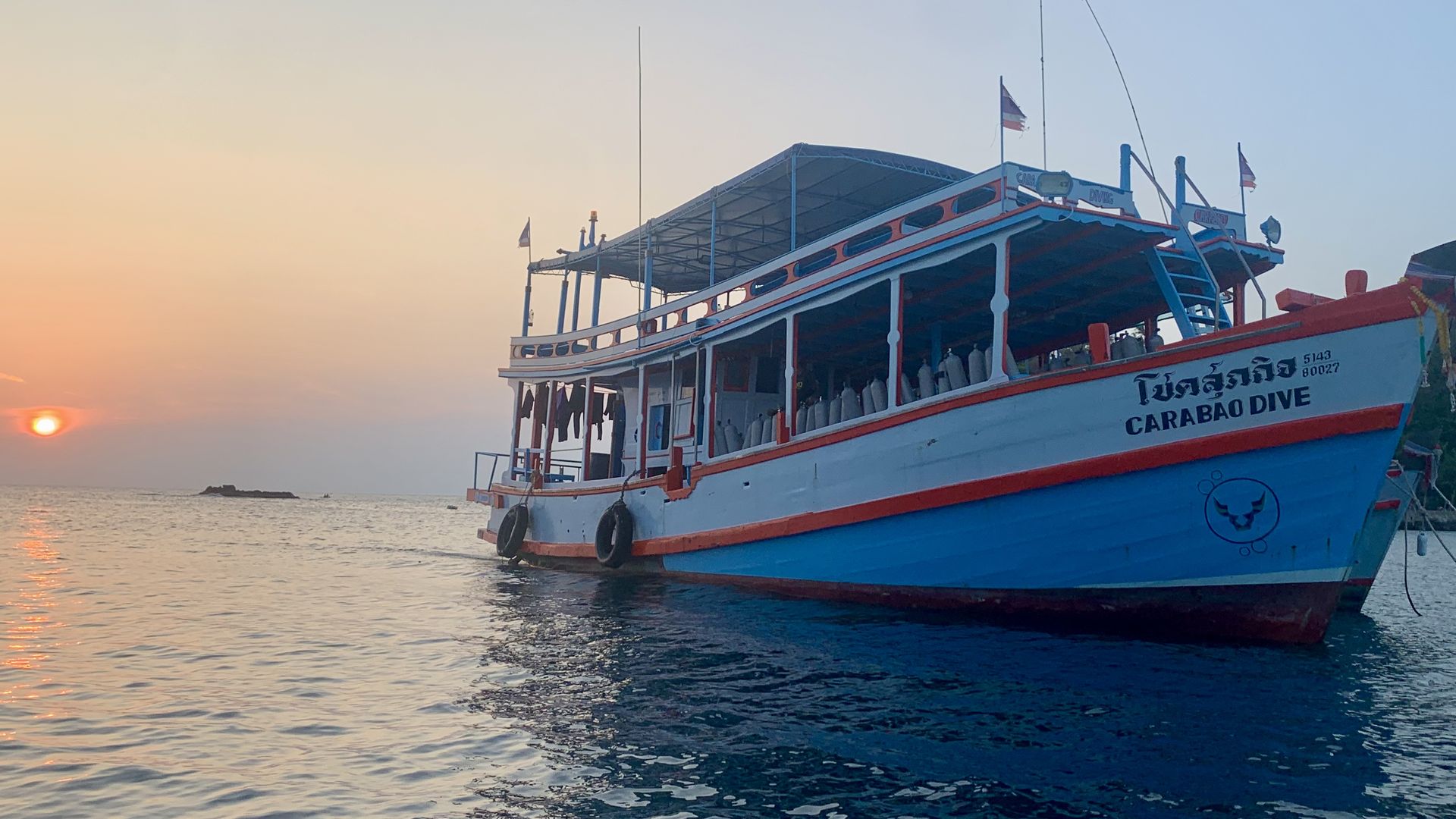
SSI dive resort · Chalok
Dive and stay in the quiet southern bay of Chalok.
Full guide →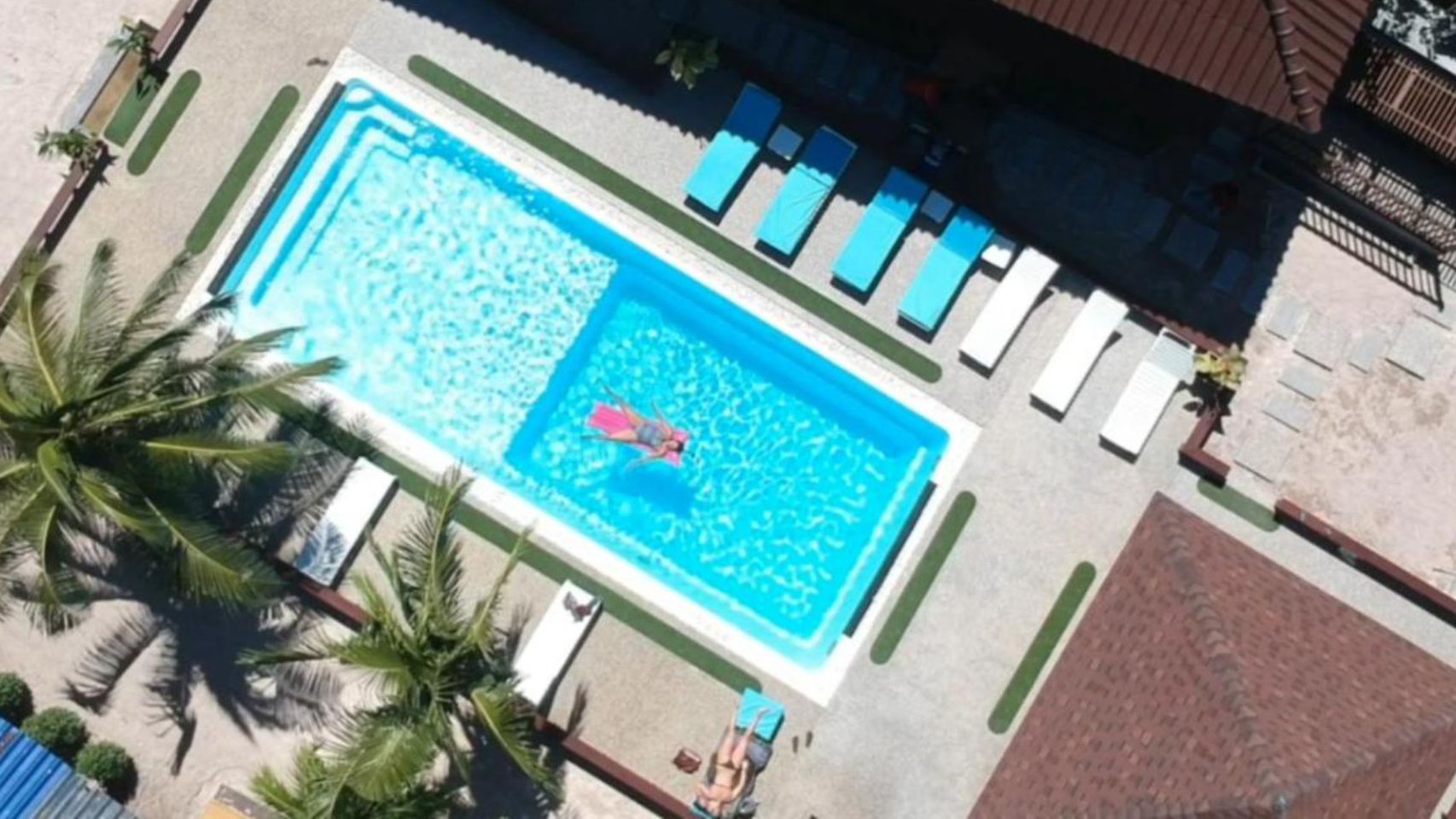
PADI dive resort · Chalok
Courses and fun dives with a resort to stay at, in Chalok.
Full guide →Also on the island: DPM Diving and dozens more. See every dive centre on Koh Tao →