Koh Tao dive sites / HTMS Suphairin
HTMS Suphairin Koh Tao's Newest West-Coast Wreck Dive Site
A 45 m Royal Thai Navy fast attack craft, sunk in 2023 and already collecting fish and coral.
Koh Tao dive sites / HTMS Suphairin
A 45 m Royal Thai Navy fast attack craft, sunk in 2023 and already collecting fish and coral.
The HTMS Suphairin is a former Royal Thai Navy fast attack craft that now rests off the west coast of Koh Nang Yuan. It was sunk in September 2023 to create an artificial reef, and since then it has become one of the most talked-about wreck dives around Koh Tao. You may also hear it called Suphairin 313 or the Noname wreck.
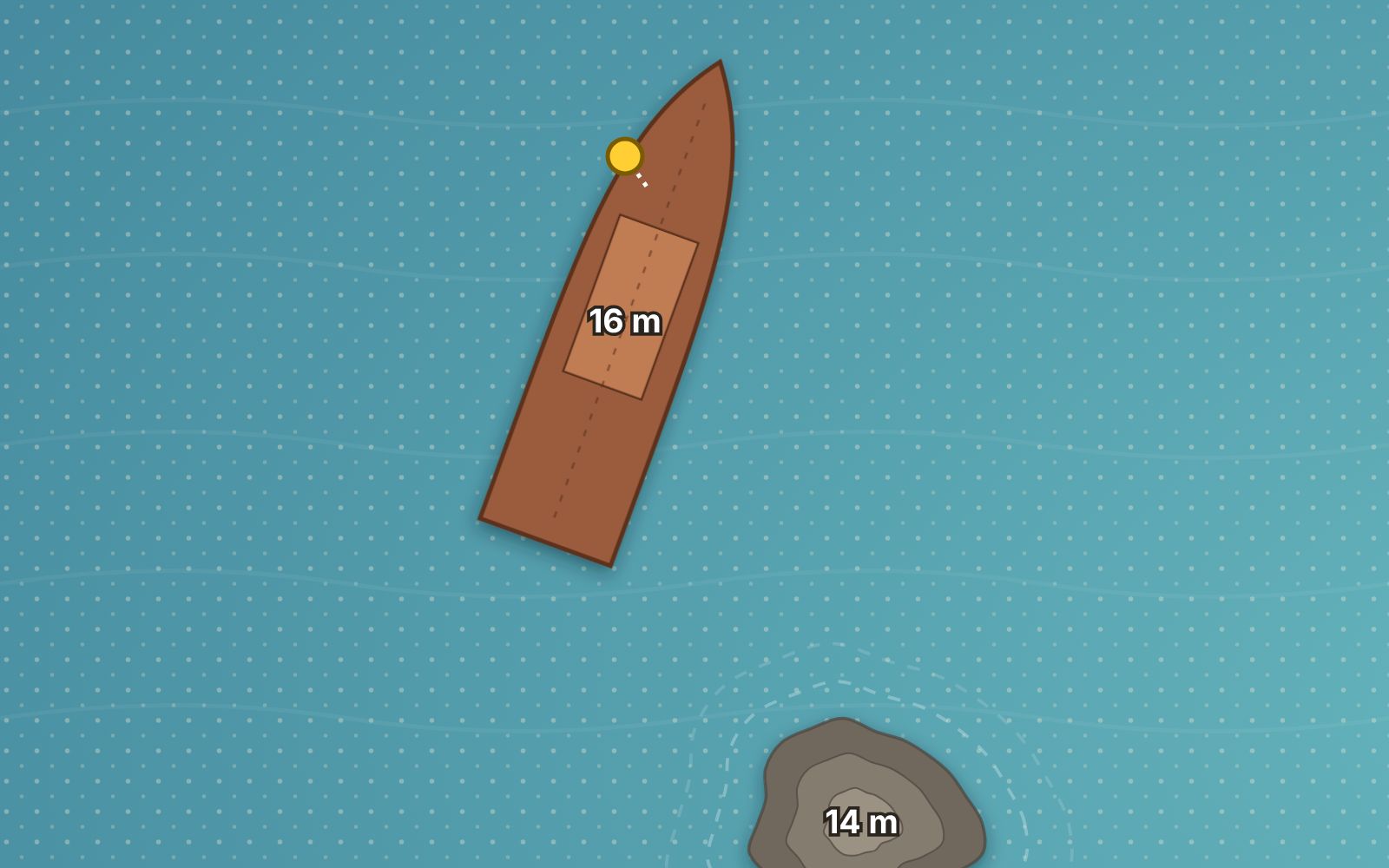
The ship sits upright on sand, with its mast and bridge rising to about 16 m and the seabed at 24 to 28 m. It lies only about 15 m from No Name Pinnacle, so most dives combine the two. It is Advanced territory, and a very good introduction to wreck diving.
You descend the mooring to the upper structure at around 16 m, then work your way around the ship. Swim along the deck, look at the bridge and the mast, then drop down to the sandy edges at 24 to 28 m to see the hull from below.
When your gas or time says it is time to come up, swim over to No Name Pinnacle for a shallower finish on its rocks, or simply start your safety stop on the mooring.
Because the wreck is so close to No Name Pinnacle, the Suphairin on its own rarely makes a whole dive plan. Think of it as one stop in a two-site outing: wreck first while you are deepest, then rocks and shallower water. Check with your centre which order they prefer on the day, as the tide and the current decide it.
The hull measures about 45 m by 7 m. The mast, bridge, deck and weapon mounts are all still there, including a gun on the bow and a machine gun mount at the back. Before sinking, the crew cleared access points and reinforced the doorways so divers can move around safely.
Penetration is for divers with wreck training only. The ship has been prepared with care, but a hull is still an overhead environment, and it is not a place to improvise. Sand around the wreck is home to resting rays, and No Name Pinnacle stands about 15 m to the south-east.
The wreck is young, so the reef is still growing in. Corals, hydroids, bryozoans and soft corals are settling on the steel.
Because the ship is still new, what lives on it changes quickly. Return a few times and compare how the encrusting growth fills in on the rails, the mast and the gun mounts.
The ship was built by Singapore Shipbuilding and Engineering and entered Royal Thai Navy service in the mid-1970s, as a sister ship of the HTMS Hanhak Sattru. After about 42 years of service it was decommissioned in 2018 and handed to the Department of Marine and Coastal Resources for its Underwater Learning Park and Marine Ecosystem Rehabilitation Project.
Around five years of preparation followed. The fuel was drained, hazardous materials were removed and doorways were cleared. In September 2023 she was sunk west of Koh Nang Yuan. Her sister ship went down the same month at Aow Mao, on the east coast. The Suphairin is the first new west-coast wreck since the HTMS Sattakut in 2011.
Visibility is usually about 15 to 25 m, which is good for a wreck. Current is typically mild but can strengthen around the biggest tidal exchanges, so keep an eye on it. March to September tends to be the best window. In winter the west coast can get swell, and from June to August monsoon waves may make the surface rough.
The surrounding sand makes for a clean, open backdrop, so the wreck often looks sharp in photos when the water is clear.
You are diving to as much as 28 m, so narcosis and short no-decompression limits apply. Check the current before you descend, and expect west-coast swell in winter. Stay outside the ship unless you are trained and equipped for penetration.
It was sunk in September 2023 off the west of Koh Nang Yuan, as an artificial reef.
The highest point is about 16 m and the seabed is around 24 to 28 m.
Only with wreck training. The doorways have been cleared and reinforced, but it is still an overhead environment.
About 45 m long and 7 m wide.
Yes. They are about 15 m apart, and most dives visit both.
A granite pinnacle west of Twins where the crack, the big fish and a brand-new wreck all share one dive.
10 to 16 mA purpose-built reef of concrete sculptures and obstacles, a short swim north of Twins.
5 to 20 mThree granite pinnacles on flat white sand, and the place where thousands of divers log their first proper dives.
1 to 22 mOne of Koh Tao's biggest sites, with two granite pinnacles, a coral garden between them and a famous night dive.
Learn to dive
Koh Tao is one of the best places in the world to learn to dive: warm, calm water, sites a short boat ride away and schools for every style. Here are the courses most schools offer and the dive schools we know and trust. Schedules, course length and prices are set by each school.
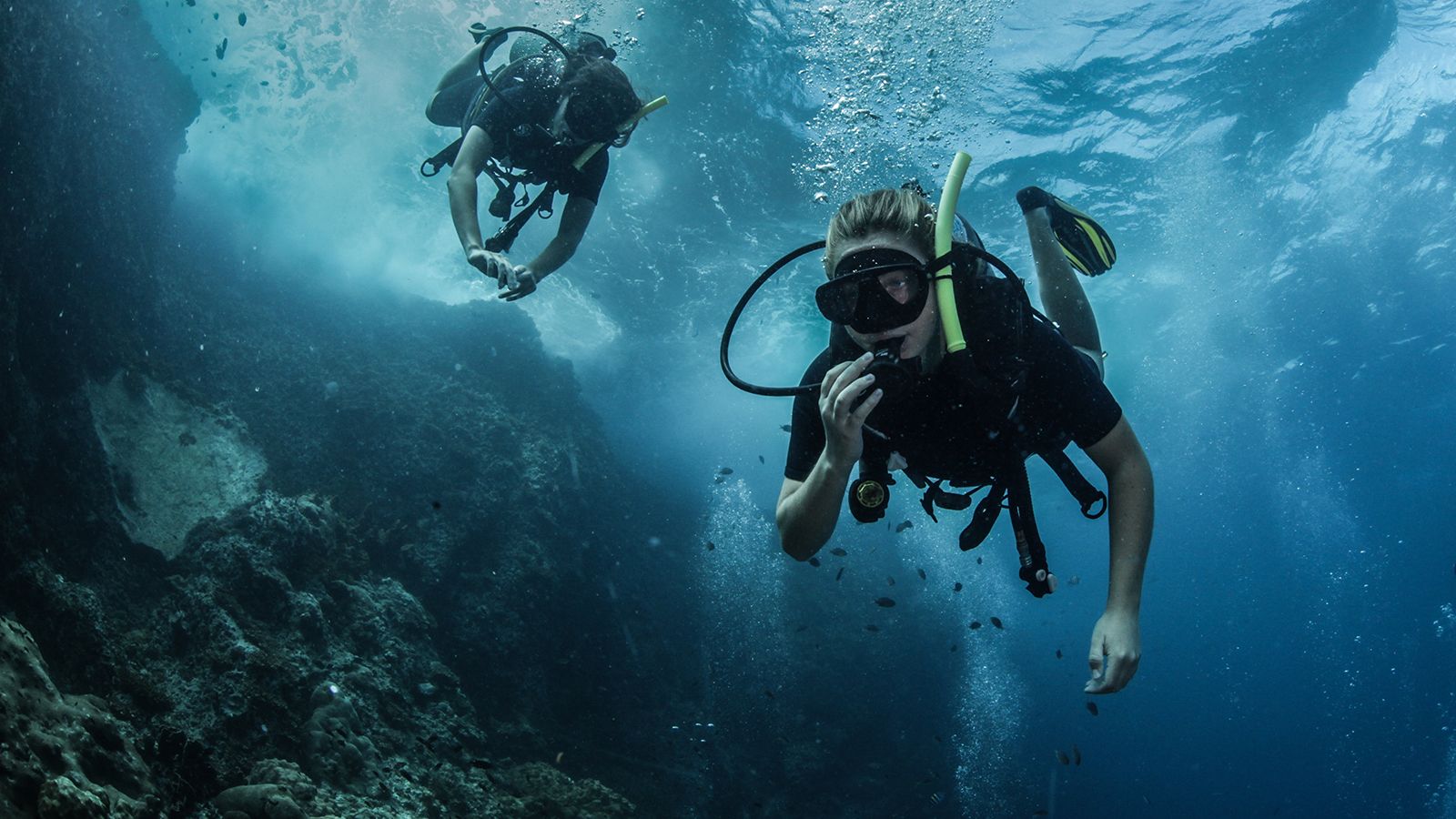
PADI 5-Star · Sairee
PADI 5-Star IDC on Sairee Beach: small groups, every level, taught in seven languages.
Full guide →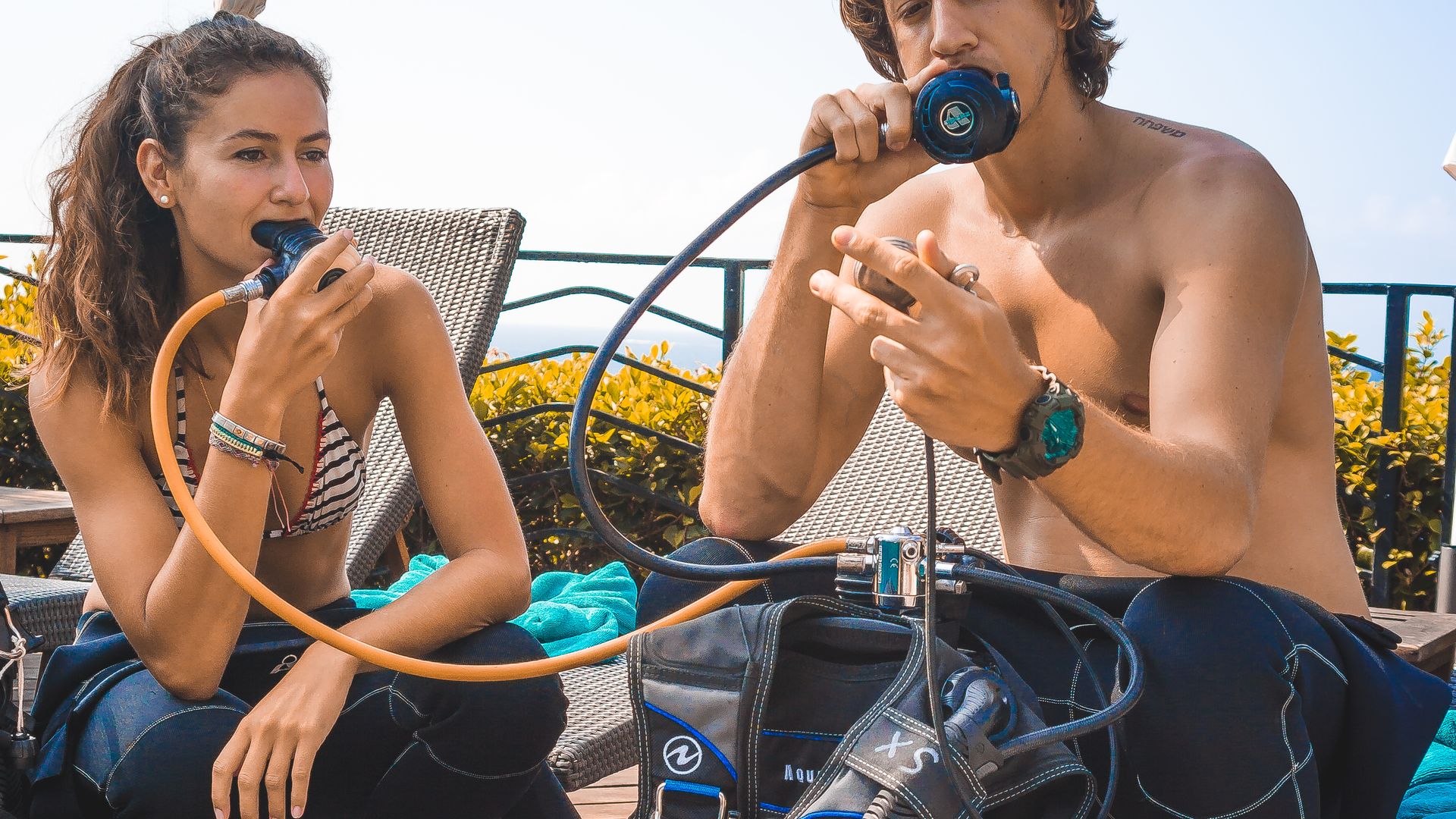
Private club · South coast
Very small classes, a training pool and boats straight from the resort pier.
Full guide →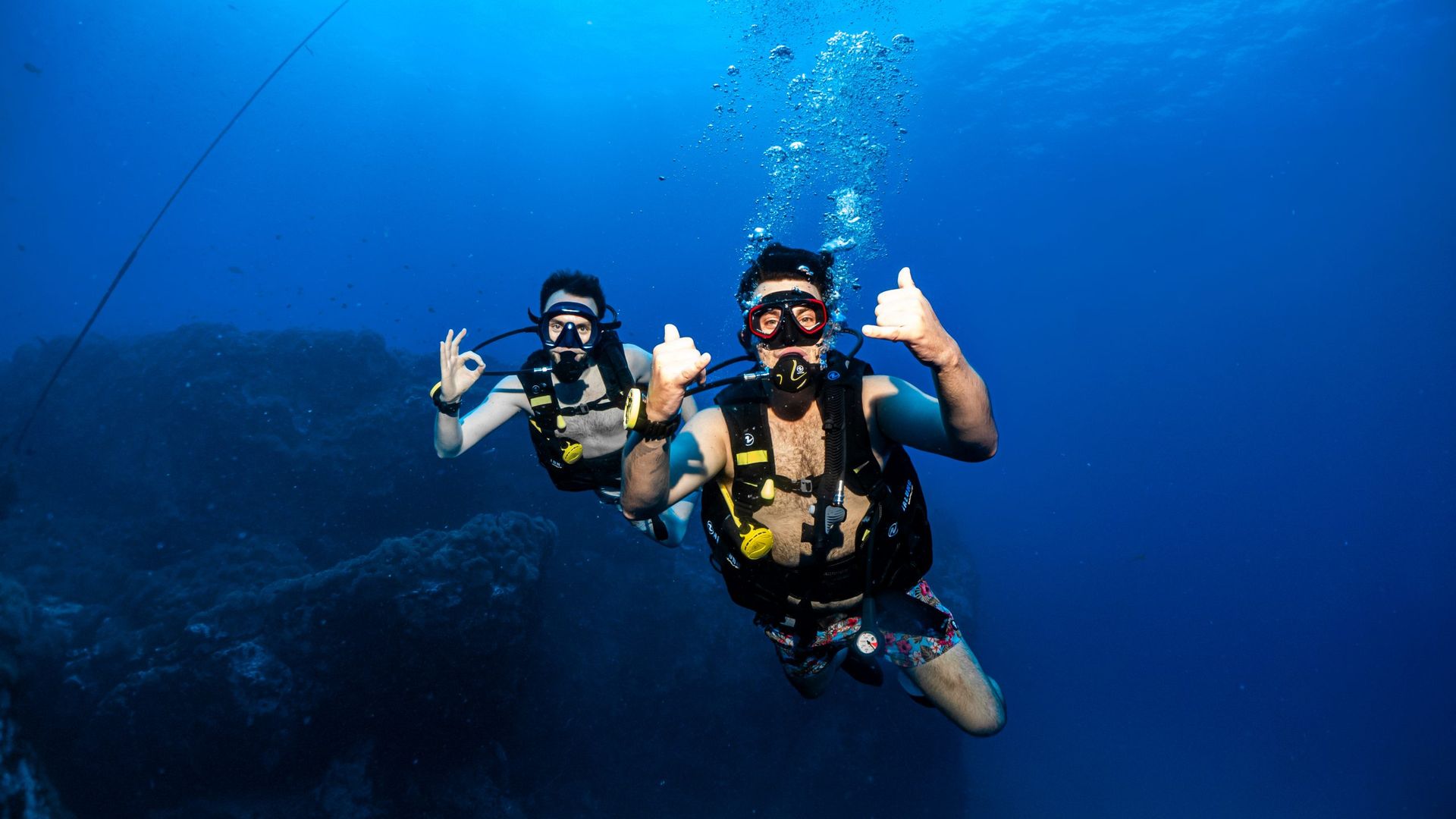
Dive school · Mae Haad
Groups of four, two minutes from the pier, from Open Water to instructor.
Full guide →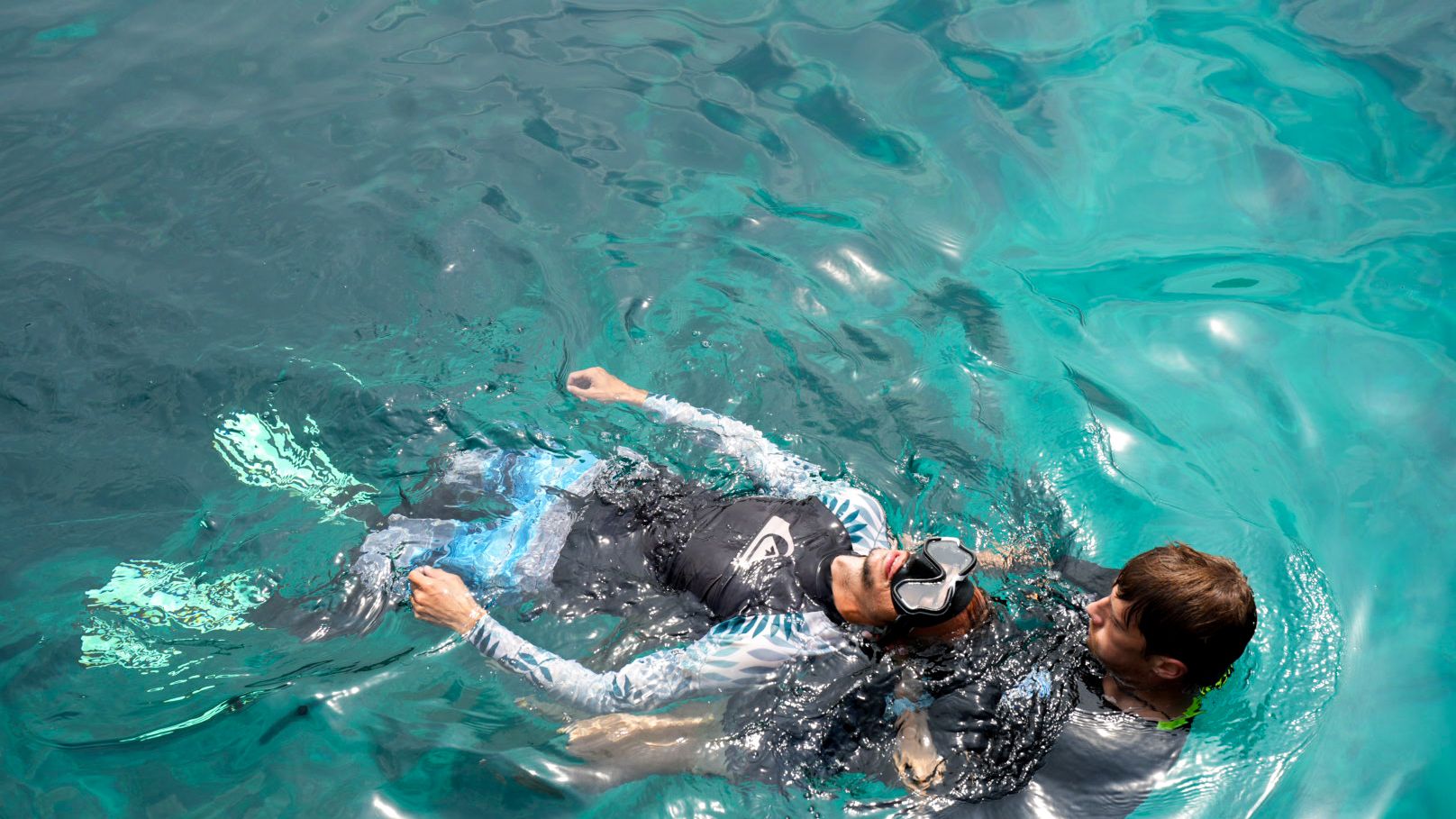
French dive school · Mae Haad & Chalok
Courses in French since 2012: SSI and CMAS / FFESSM, groups of four, first dive to instructor.
Full guide →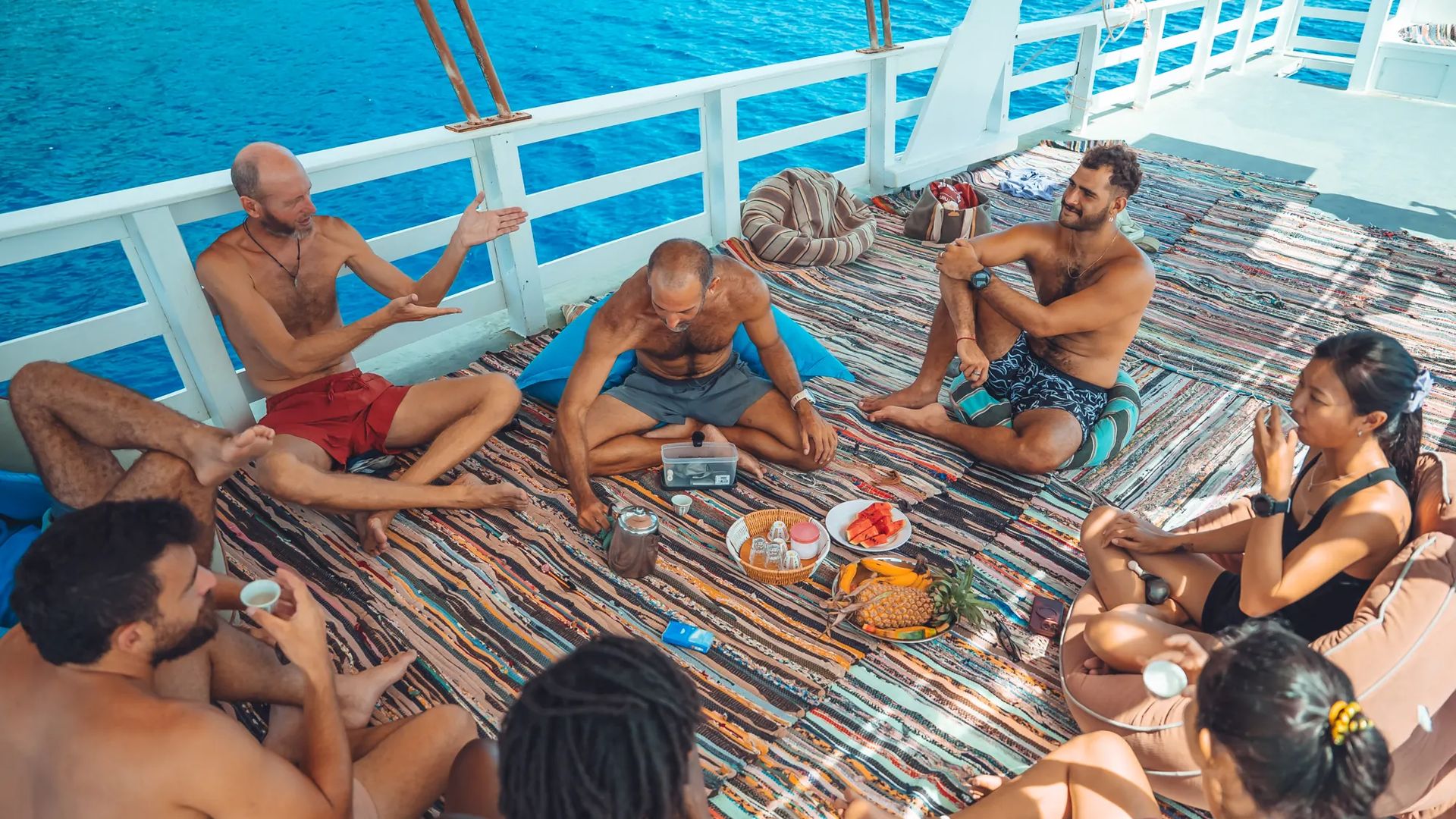
Freediving & yoga · Mae Haad
Learn to freedive on one breath, with breathwork and yoga in a sea-view shala.
Full guide →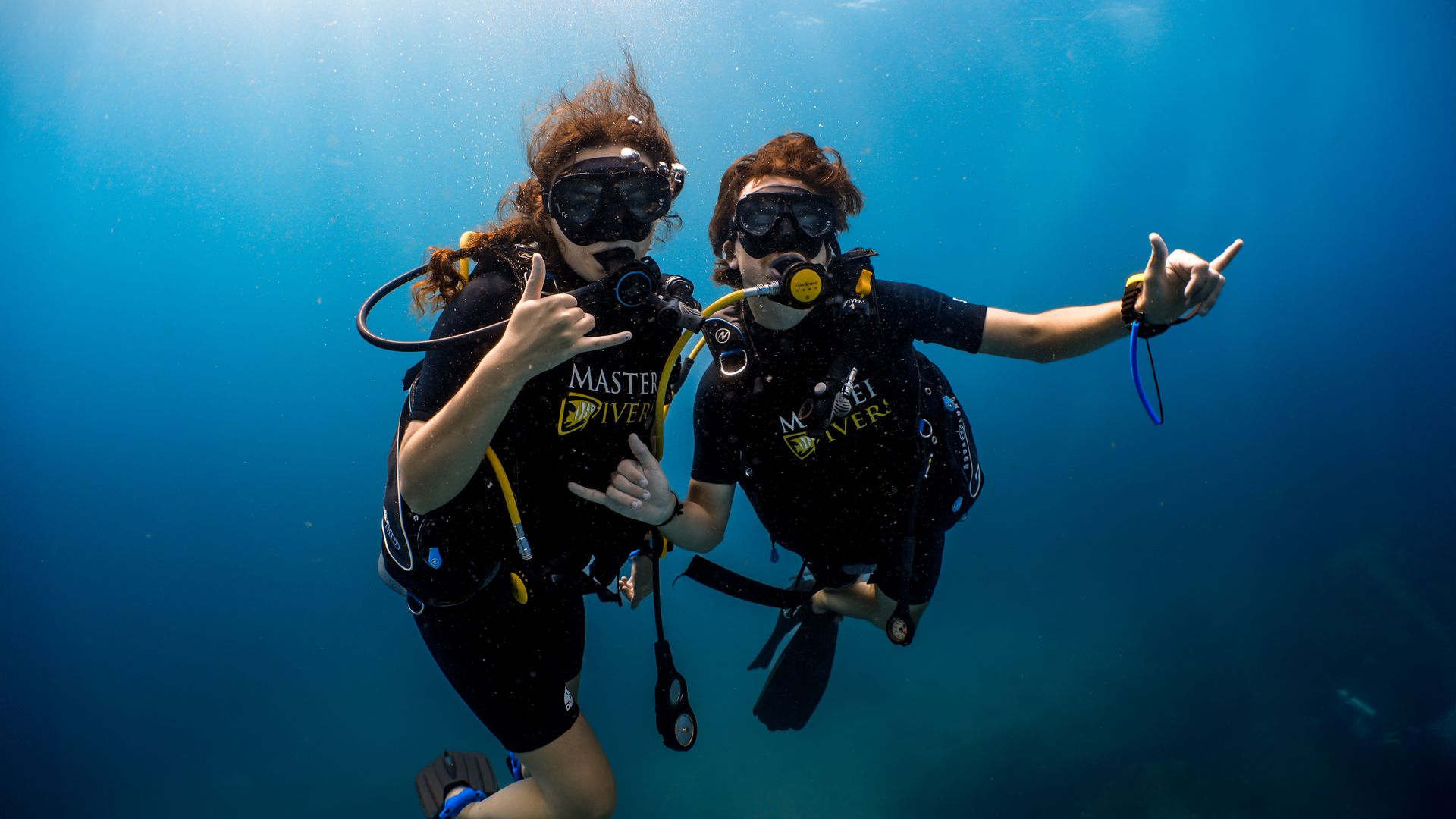
PADI 5-Star CDC · Mae Haad
One of the island's most established dive centres, with a focus on pro training.
Full guide →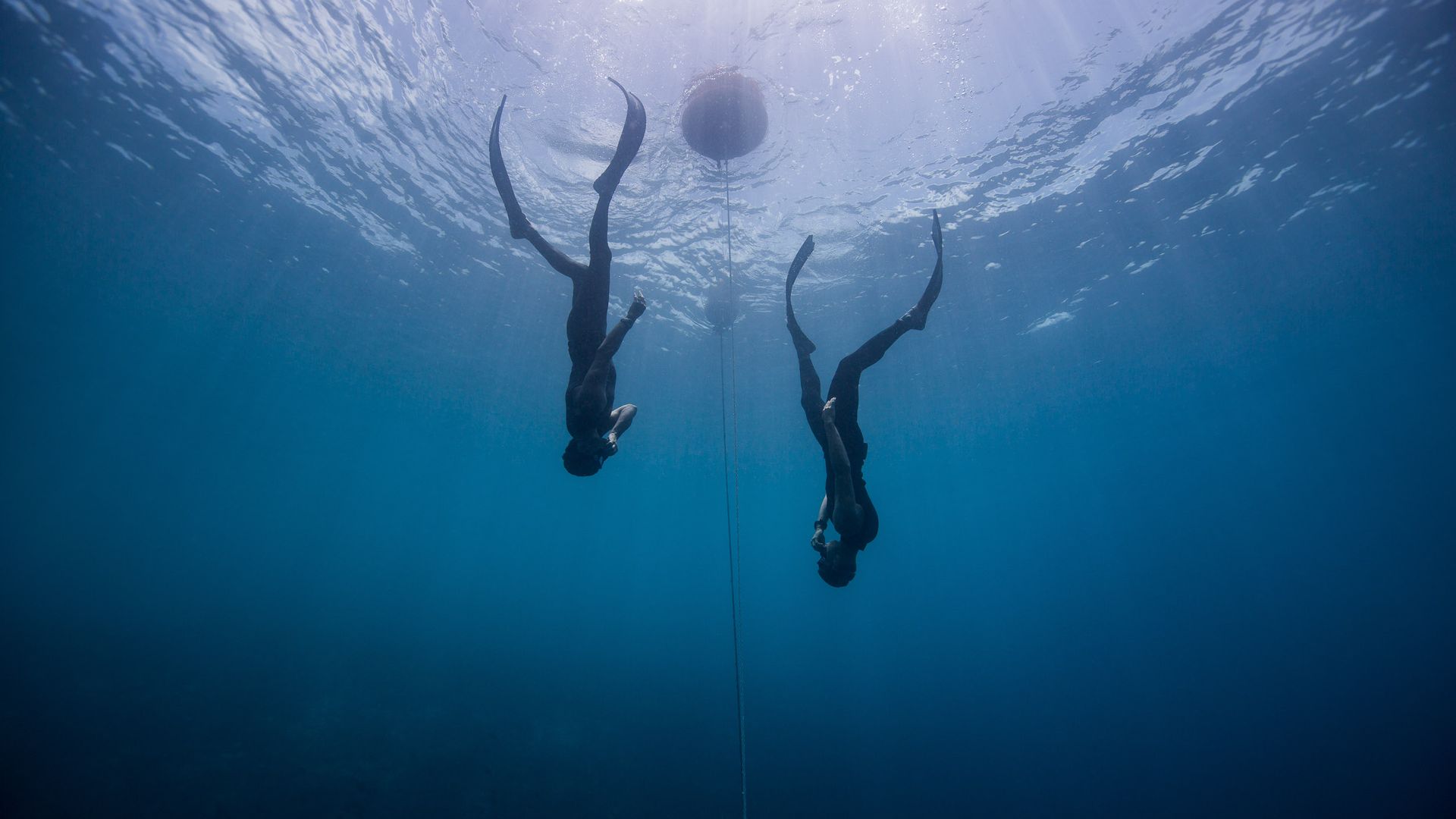
Freediving · Sairee
Personal freediving courses with experienced instructors off Sairee Beach.
Full guide →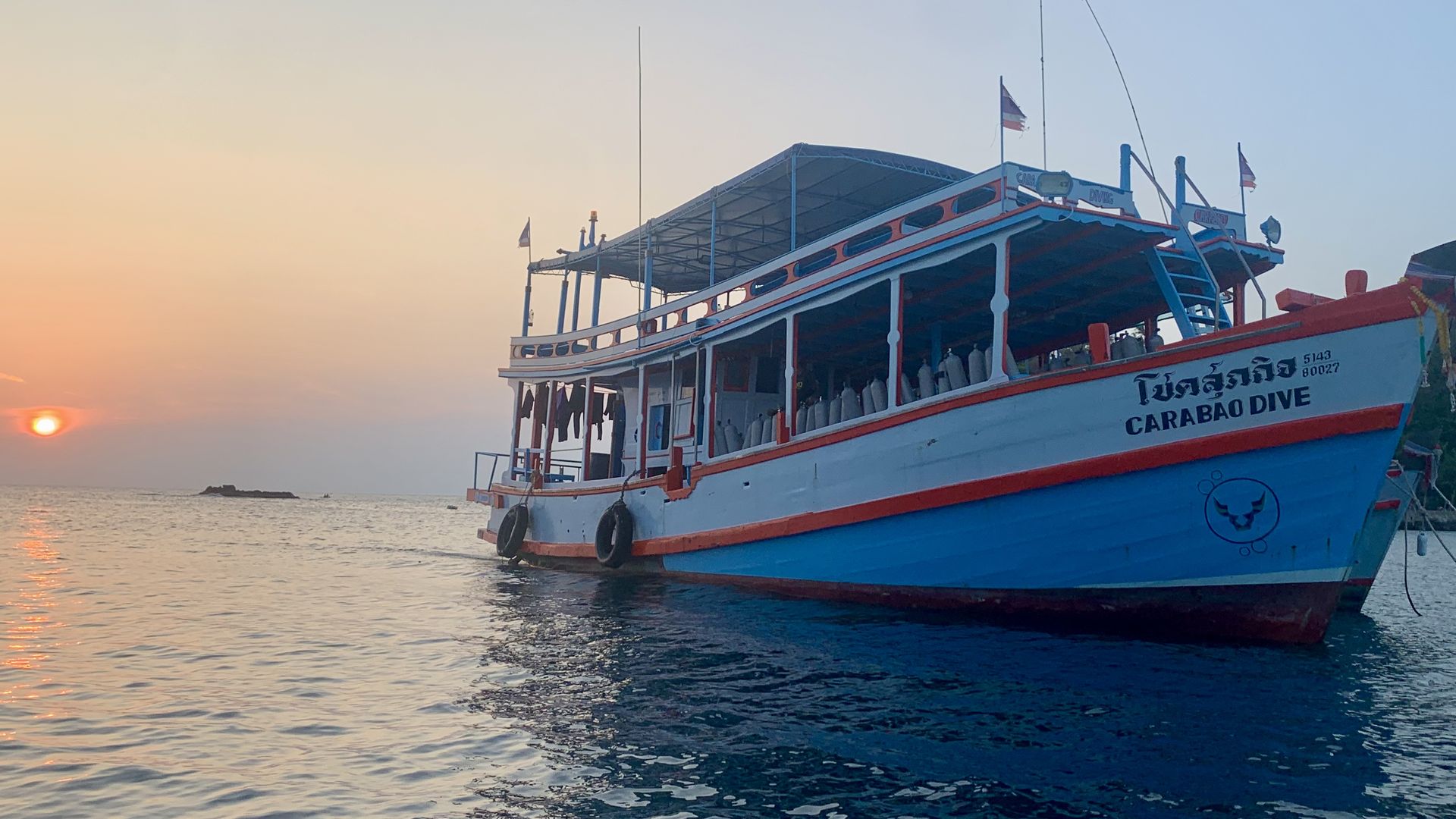
SSI dive resort · Chalok
Dive and stay in the quiet southern bay of Chalok.
Full guide →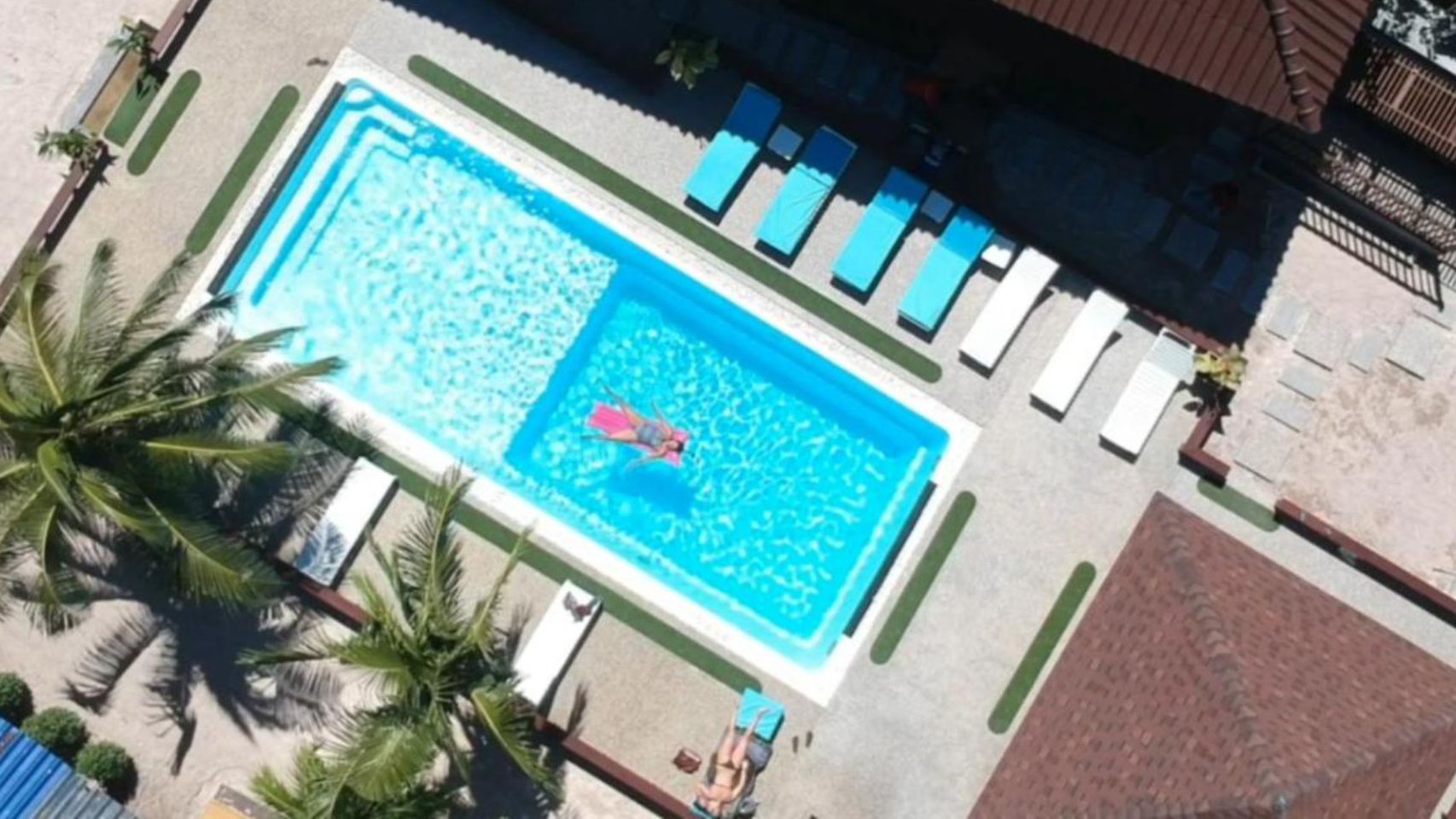
PADI dive resort · Chalok
Courses and fun dives with a resort to stay at, in Chalok.
Full guide →Also on the island: DPM Diving and dozens more. See every dive centre on Koh Tao →