Koh Tao dive sites / Red Rock
Red Rock Koh Nang Yuan's Pinnacle Dive Site
A granite pinnacle just off Koh Nang Yuan, with a cave swim and a drift finish into Japanese Gardens.
Koh Tao dive sites / Red Rock
A granite pinnacle just off Koh Nang Yuan, with a cave swim and a drift finish into Japanese Gardens.
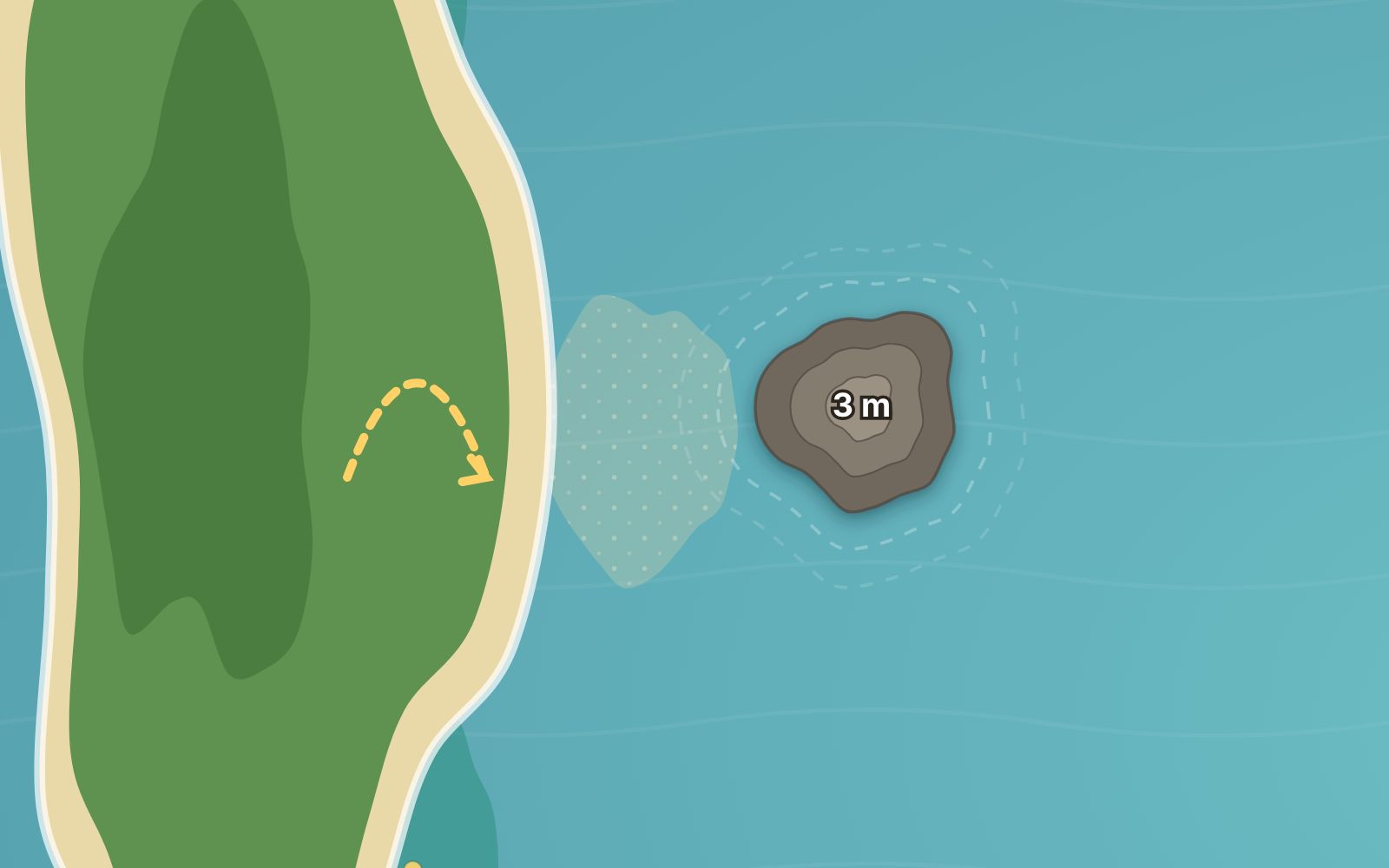
Red Rock is a granite pinnacle sitting about 50 m off the east coast of Koh Nang Yuan, on the side facing Koh Tao. It rises from around 20 m of water to within a few metres of the surface, and it is also known as Nang Yuan Pinnacle. What makes it a good all-rounder is that it packs a pinnacle, a cave and an easy coastal drift into a single dive.
Open Water divers can dive it, and the deeper eastern side suits anyone who wants a bit more depth. The cave needs reasonable buoyancy, and the swim to it crosses open sand, so a compass is useful. Most dives end at Japanese Gardens, which gives you a shallow, relaxed finish.
You descend onto the pinnacle and circle it, keeping the large crack that runs around the rock on your side. The deeper east and north faces are where most of the life is, so take your time there. Once you have done a lap, a short compass heading west across a sandy gap takes you to the Nang Yuan cave.
From the cave you can go north along the coast or south along the reef. The south option is the classic one: the shoreline reef runs at around 12 to 15 m and gradually shallows into the coral bay of Japanese Gardens, where you can spend your safety stop among the bommies.
The dive suits fun divers, refreshers and anyone practising navigation, since the compass swim to the cave is a natural exercise. It is also a good site for photography: the crack gives you plenty of close subjects, and the light filtering into the cave is worth a few frames. Plan your gas for the pinnacle first, because the deeper faces are where you will want to linger.
The rock tops and the sand floor are only about 15 to 20 m apart, so the whole pinnacle is easy to read once you are down. The Nang Yuan coast lies to the west and Koh Tao to the east, which helps if you lose your bearings.
The crack is the place to look. Moray eels, large groupers, pufferfish, yellow boxfish and scorpionfish sit in the gaps, and harlequin sweetlips, titan and yellowmargin triggerfish, bannerfish, angelfish and parrotfish cruise around the rock. Schools of yellowtail barracuda and trevally pass by, and snapper hang over the sand.
For close-up work, look for wart slugs, Durban dancing shrimp, glass cleaner shrimp and pipefish. On the cave floor, blue-spotted ribbontail rays and Jenkins whiprays often rest in the sand. Turtles and banded sea snakes are regular visitors, and pink-tailed triggerfish have been reported along the north coast at 8 to 10 m.
Because the pinnacle rises on its own from the sand, the deeper faces reward a slow lap: look into every part of the crack rather than swimming past it.
Current is usually gentle but can pick up around the full moon. Visibility is typically about 10 m and can reach 20 m or more on a clear day. The calmest, clearest conditions come in the dry-season months, while June to August and mid-November to early January tend to be the least reliable.
The deep side reaches about 22 m, so keep an eye on your depth and gas if you linger there. Current is stronger around the full moon, and the cave swim-through asks for neutral buoyancy: keep your fins off the bottom and your distance from the diver ahead.
Divers on Koh Tao often use the two names for the same pinnacle off the east side of Koh Nang Yuan. You may also see it called Red Rock Pinnacle.
The top is about 3 to 4 m below the surface and the deepest side reaches around 18 to 22 m.
Open Water divers can dive it. The deeper side suits those wanting more depth, and the cave swim needs decent buoyancy.
Commonly at Japanese Gardens, a short drift south along the Nang Yuan coast.
Partly. The top of the pinnacle comes within a few metres of the surface, but most of the site is deeper and it is mainly a boat dive.
A shallow, sheltered coral bay on Koh Nang Yuan where many divers take their first breaths underwater.
6 to 28 mA pile of granite boulders off Koh Nang Yuan, cut with swim-throughs, canyons and caverns.
10 to 16 mA purpose-built reef of concrete sculptures and obstacles, a short swim north of Twins.
5 to 20 mThree granite pinnacles on flat white sand, and the place where thousands of divers log their first proper dives.
Learn to dive
Koh Tao is one of the best places in the world to learn to dive: warm, calm water, sites a short boat ride away and schools for every style. Here are the courses most schools offer and the dive schools we know and trust. Schedules, course length and prices are set by each school.
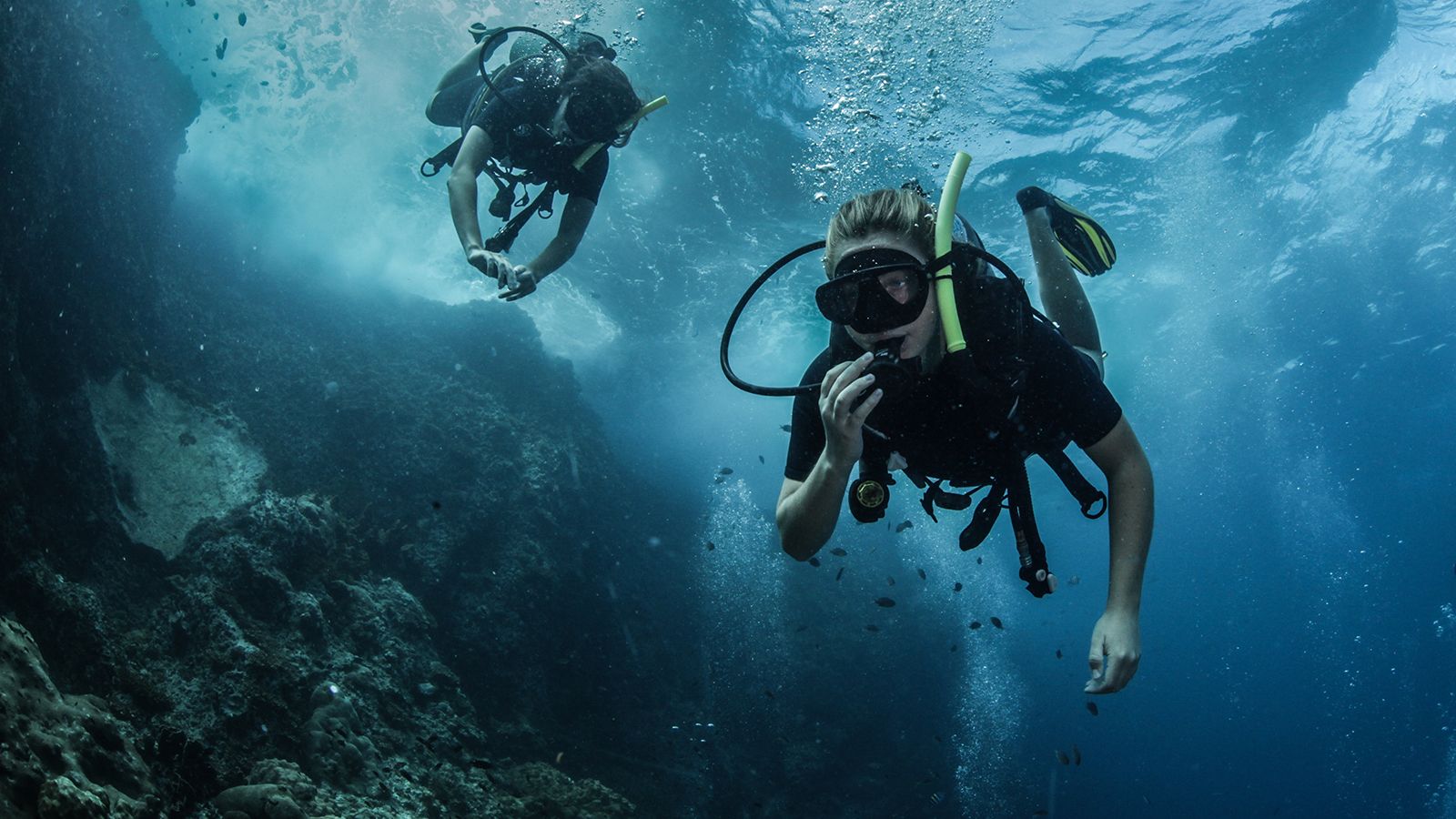
PADI 5-Star · Sairee
PADI 5-Star IDC on Sairee Beach: small groups, every level, taught in seven languages.
Full guide →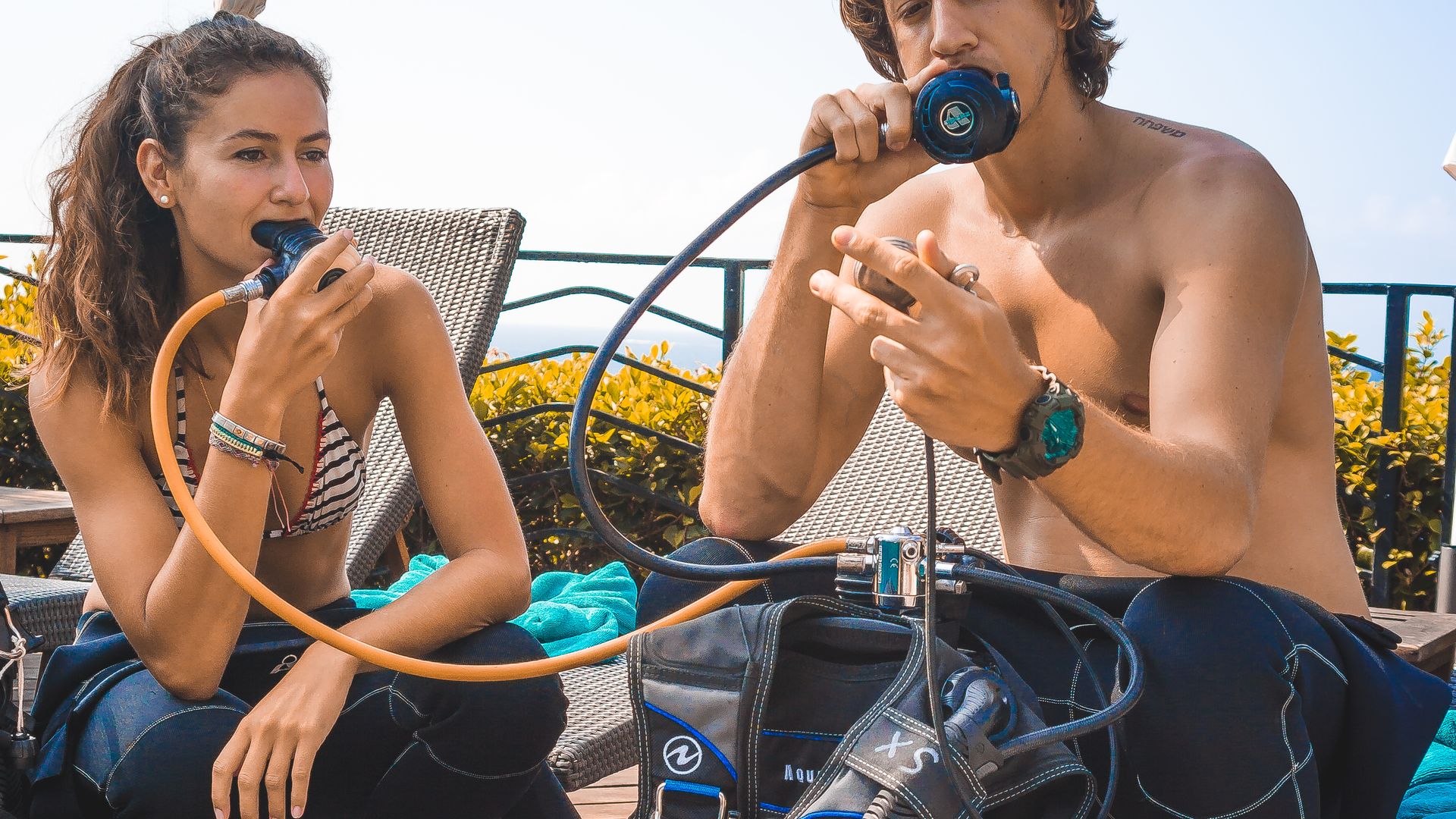
Private club · South coast
Very small classes, a training pool and boats straight from the resort pier.
Full guide →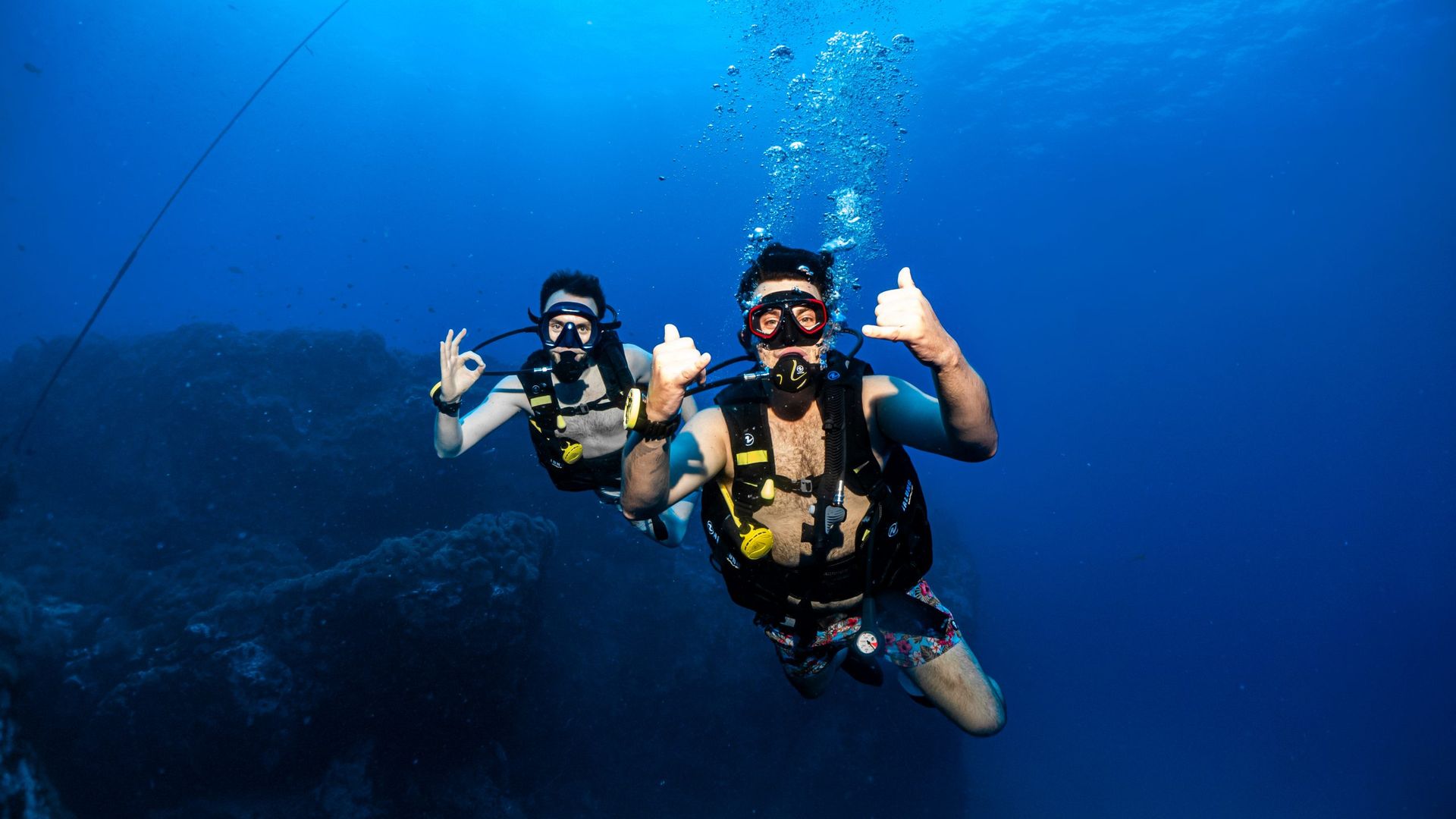
Dive school · Mae Haad
Groups of four, two minutes from the pier, from Open Water to instructor.
Full guide →
French dive school · Mae Haad & Chalok
Courses in French since 2012: SSI and CMAS / FFESSM, groups of four, first dive to instructor.
Full guide →
Freediving & yoga · Mae Haad
Learn to freedive on one breath, with breathwork and yoga in a sea-view shala.
Full guide →
PADI 5-Star CDC · Mae Haad
One of the island's most established dive centres, with a focus on pro training.
Full guide →
Freediving · Sairee
Personal freediving courses with experienced instructors off Sairee Beach.
Full guide →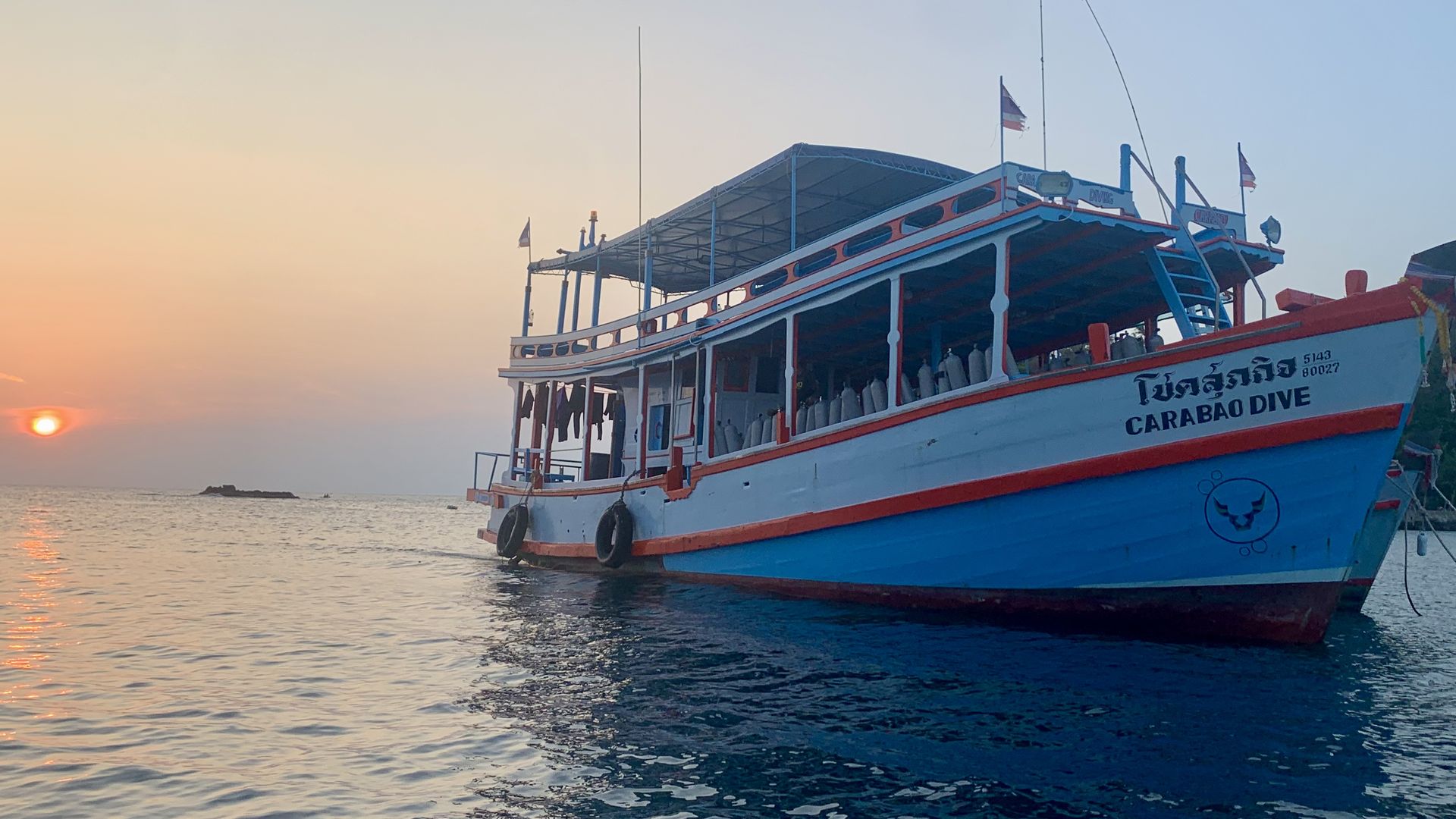
SSI dive resort · Chalok
Dive and stay in the quiet southern bay of Chalok.
Full guide →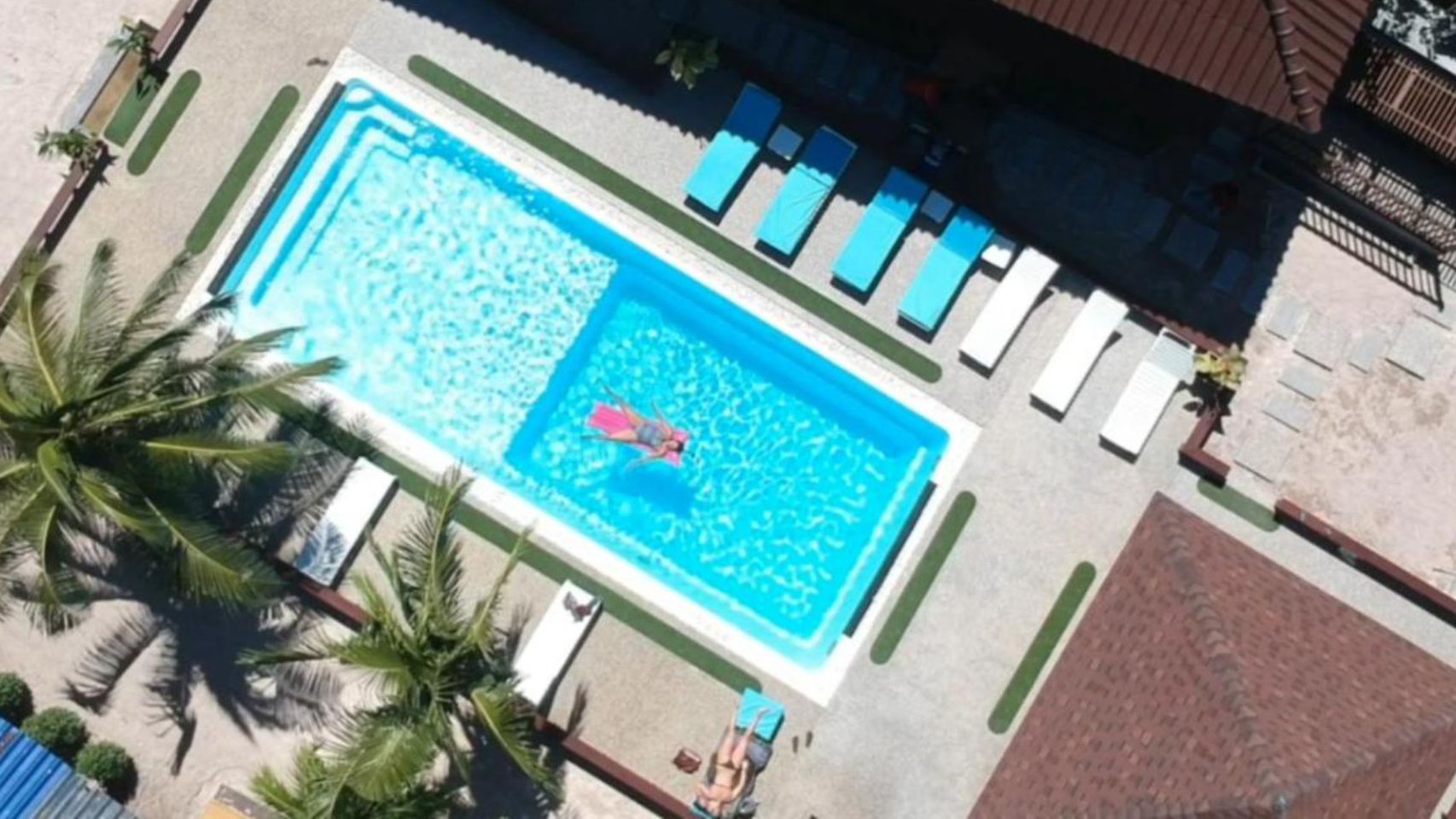
PADI dive resort · Chalok
Courses and fun dives with a resort to stay at, in Chalok.
Full guide →Also on the island: DPM Diving and dozens more. See every dive centre on Koh Tao →