Koh Tao dive sites / Hin Wong Pinnacle
Hin Wong Pinnacle: Koh Tao's East Coast Pinnacle Dive Site
The east coast's big dive: a chain of granite boulders covered in soft corals, with a trench, swim-throughs and hunting fish.
Koh Tao dive sites / Hin Wong Pinnacle
The east coast's big dive: a chain of granite boulders covered in soft corals, with a trench, swim-throughs and hunting fish.
Hin Wong Pinnacle is the east coast's headline dive and one of the best Advanced dives around Koh Tao. It is a chain of large granite boulders about 1.5 km off Hin Wong Bay, reached from Hin Wong Pier by shuttle boat and dive boat in roughly 15 to 20 minutes. The shallowest rock, a flat-topped table at the south end, comes up to about 8 m, and the rest of the site drops through tiers to 30 m and beyond.
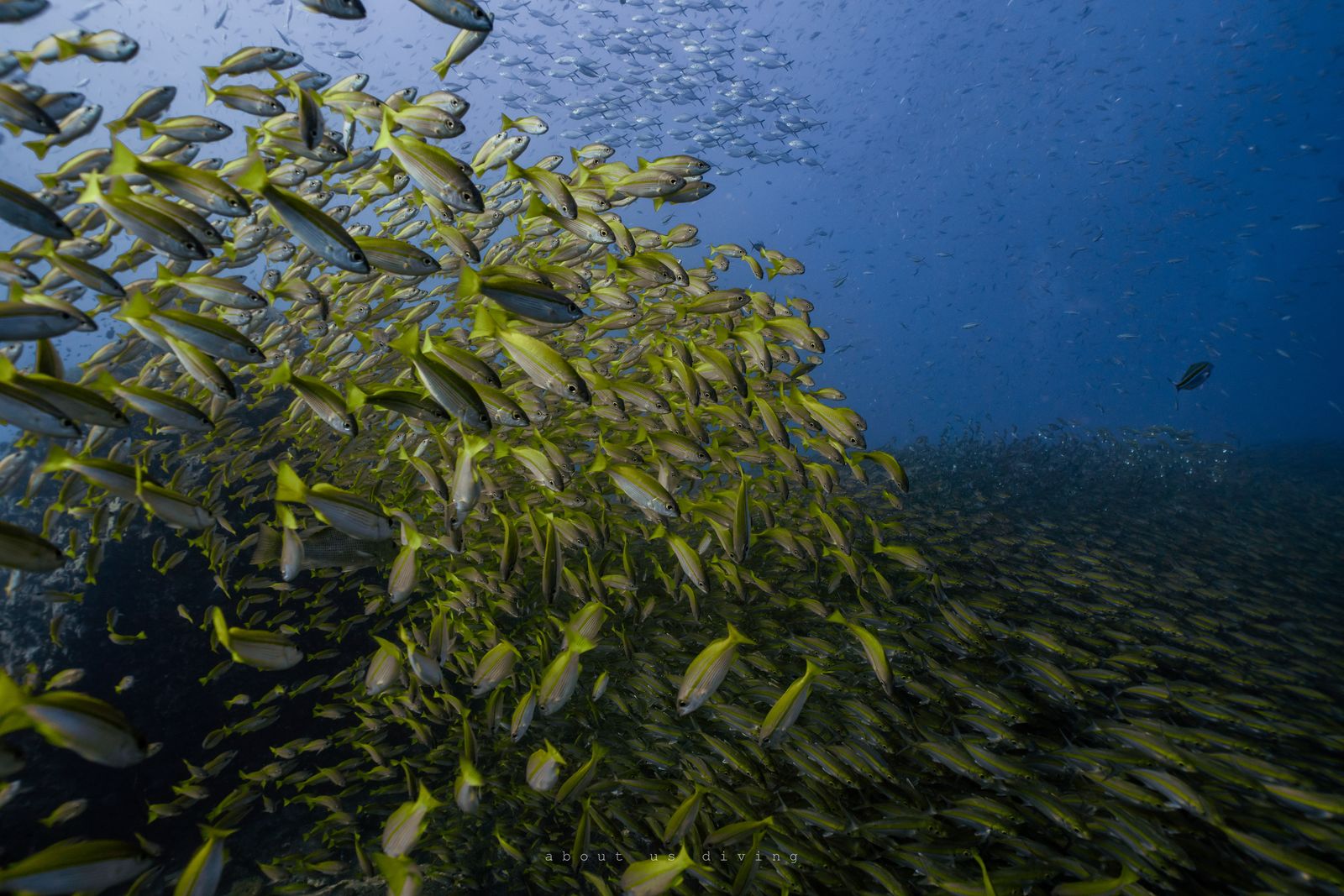
What sets it apart is the cover on the rock. Purple soft tree corals, sea whips, gorgonian fans, sponges and anemones plaster the granite, and the current brings in barracuda, trevally and the odd whale shark. It is not a gentle dive, but it is a rewarding one for confident divers who are comfortable with depth.
The classic plan is to descend on the south tabletop, then work north along the boulder chain. Use the long trench and the swim-throughs as you go, and keep the corals on the east face in view. Most dives stay at 18 to 28 m.
Ascend gradually up the rock and finish with a safety stop on the tabletop or in the blue. A delayed surface marker is worth carrying because of the current.
Because the structure is a long chain, you can follow it either way and simply move up or down the rock to manage your depth. That flexibility is one of the nice things about the site. If you are on Nitrox, the 18 to 28 m band where most dives happen gives you good bottom time.
The pinnacle is often paired with Hin Wong Bay, Lighthouse Bay, Laem Thian or Shark Island, so a second dive in shallower water is easy to arrange. The Pinnacle trip also tends to feel much quieter than the busier west-coast sites.
The site is a north-south line of large granite pinnacles. The table rock at the south end is the shallowest point at roughly 8 m, while other tops sit around 10 to 12 m. From there the rock steps down in tiers through boulder stacks to sand at around 30 m. Maximum depth is quoted up to 40 m, although exact depths vary with the tide and where you measure.
A long trench runs through the formation, with swim-throughs and small caves between the boulders. Head east after your descent to find the purple soft tree corals, while sea whips and gorgonian fans cover the walls throughout. Triggerfish patrol the sand patches around the base, especially when nesting.
The current is what makes this site busy. Trevally, queenfish and barracuda hunt bait balls around the rock, and large brown marbled groupers hide inside the boulders. Hawksbill turtles are resident.
Current is mild to moderate and occasionally strong, and this site is more exposed than most on the west coast. Visibility can be anywhere from 2 to 25 m, and most often 10 to 20 m when conditions line up. A thermocline can appear, so a thin extra layer is not a bad idea.
June to September is best, when the south-west monsoon shelters the east side. October to December, under the north-east monsoon, is the season to avoid. When the west side is rough, this is a worthwhile alternative.
It pays to be honest about this site: conditions are changeable. One day the water is blue and clear and the fish are packed in, the next you are in a thermocline with limited visibility. Your guide will read the conditions at the surface, so trust the briefing.
This is an Advanced-level site. The typical depth, the current and the changeable conditions all add up, and it is often used for Advanced Open Water deep dives, Deep Diver specialty courses and nitrox. Depths go beyond 30 m, so plan your gas and no-stop time carefully, and avoid the site in the north-east monsoon.
The shallowest rock is about 8 m, with tops at 10 to 12 m. Most dives run 18 to 28 m and the seabed is at 30 m or more, up to a quoted 40 m.
It is recommended. The typical depth, the current and the changeable conditions make it best for Advanced-level divers and above.
Purple soft corals, sea fans, big groupers, hawksbill turtles, hunting barracuda and trevally, and occasional whale sharks.
June to September, when the island shelters the east coast. It is usually avoided during the north-east monsoon.
A big boulder-strewn horseshoe on the wild east side, with coral bommies, crevices and blacktip reef sharks.
13 to 24 mA 45 m ex-navy attack craft resting upright on the sand at the mouth of Mao Bay.
3 to 20 mA gentle, calm slope of boulders and coral beside Koh Tao's newest wreck.
3 to 25 mA quiet east coast headland with a beginner bay, light-filled caverns and a lesser-known pinnacle.
Learn to dive
Koh Tao is one of the best places in the world to learn to dive: warm, calm water, sites a short boat ride away and schools for every style. Here are the courses most schools offer and the dive schools we know and trust. Schedules, course length and prices are set by each school.
PADI 5-Star · Sairee
PADI 5-Star IDC on Sairee Beach: small groups, every level, taught in seven languages.
Full guide →
Private club · South coast
Very small classes, a training pool and boats straight from the resort pier.
Full guide →
Dive school · Mae Haad
Groups of four, two minutes from the pier, from Open Water to instructor.
Full guide →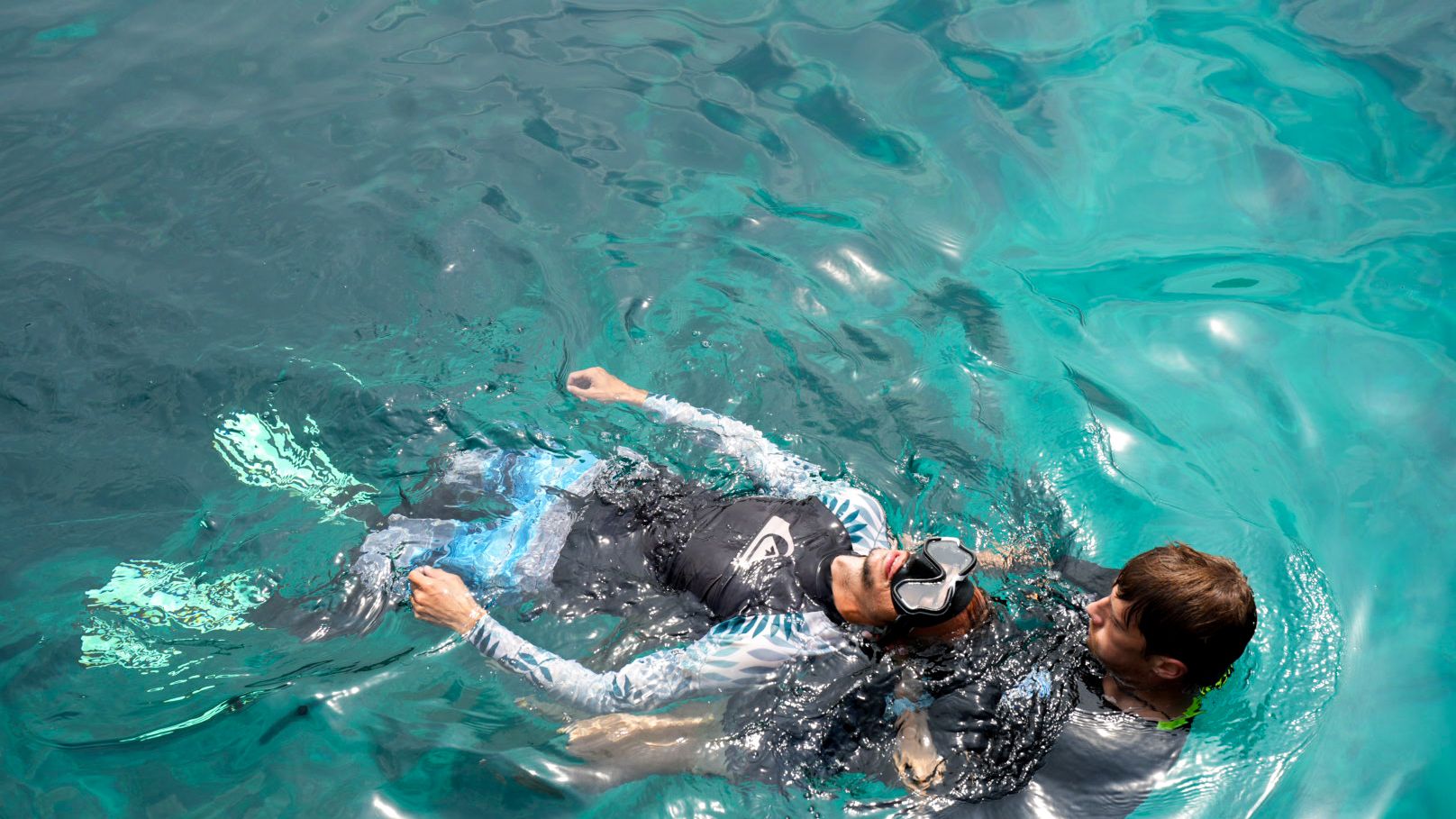
French dive school · Mae Haad & Chalok
Courses in French since 2012: SSI and CMAS / FFESSM, groups of four, first dive to instructor.
Full guide →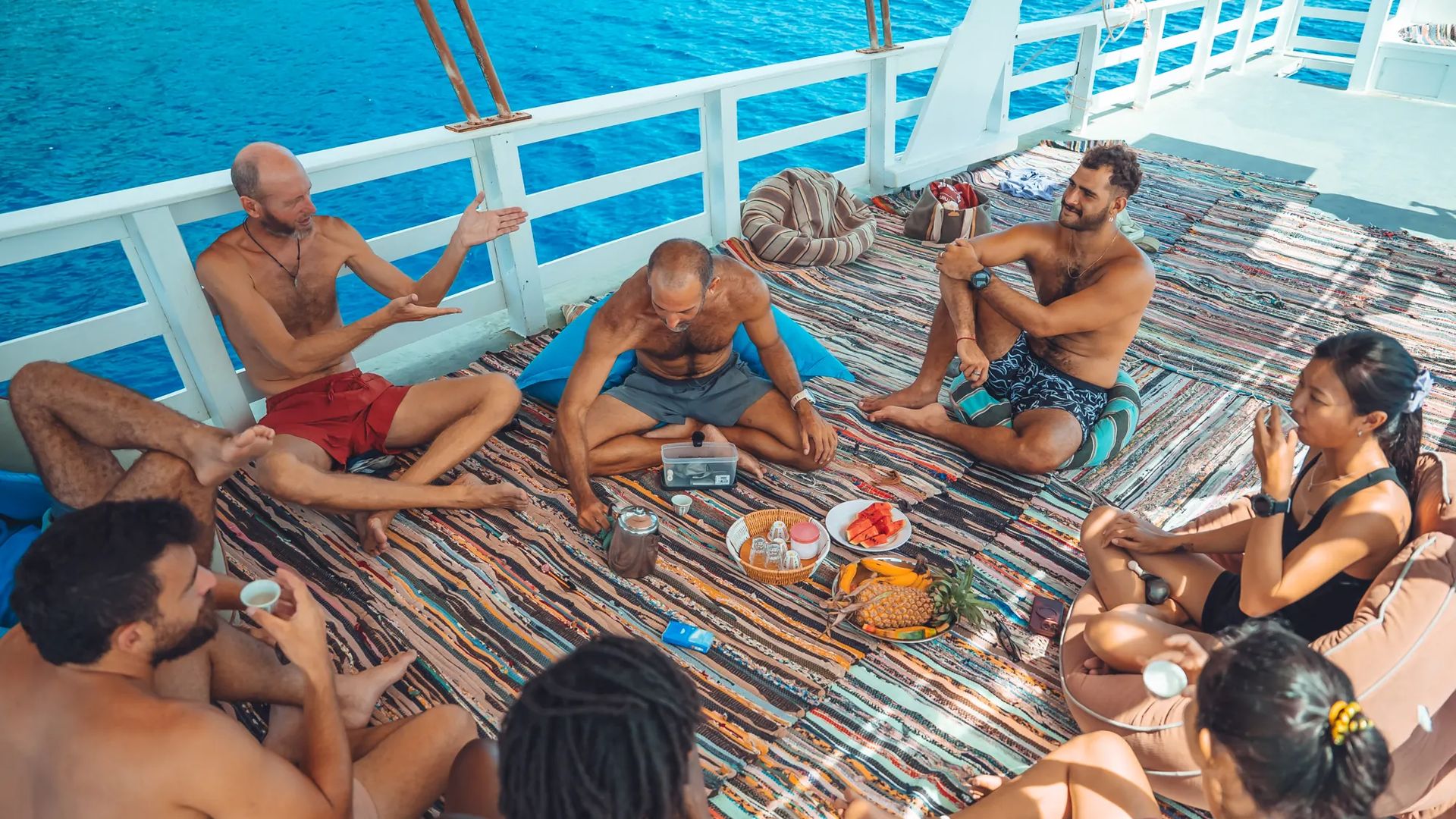
Freediving & yoga · Mae Haad
Learn to freedive on one breath, with breathwork and yoga in a sea-view shala.
Full guide →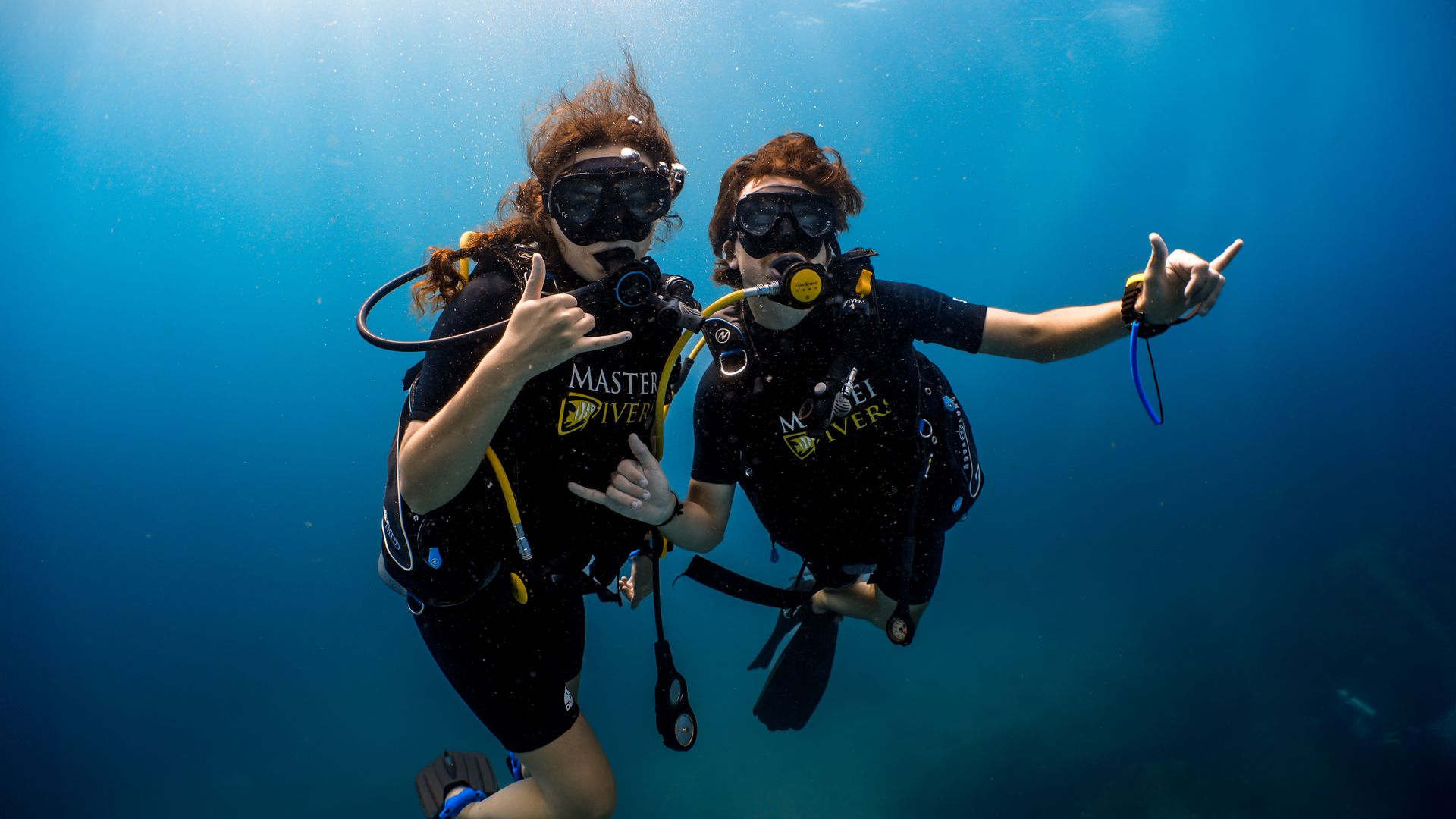
PADI 5-Star CDC · Mae Haad
One of the island's most established dive centres, with a focus on pro training.
Full guide →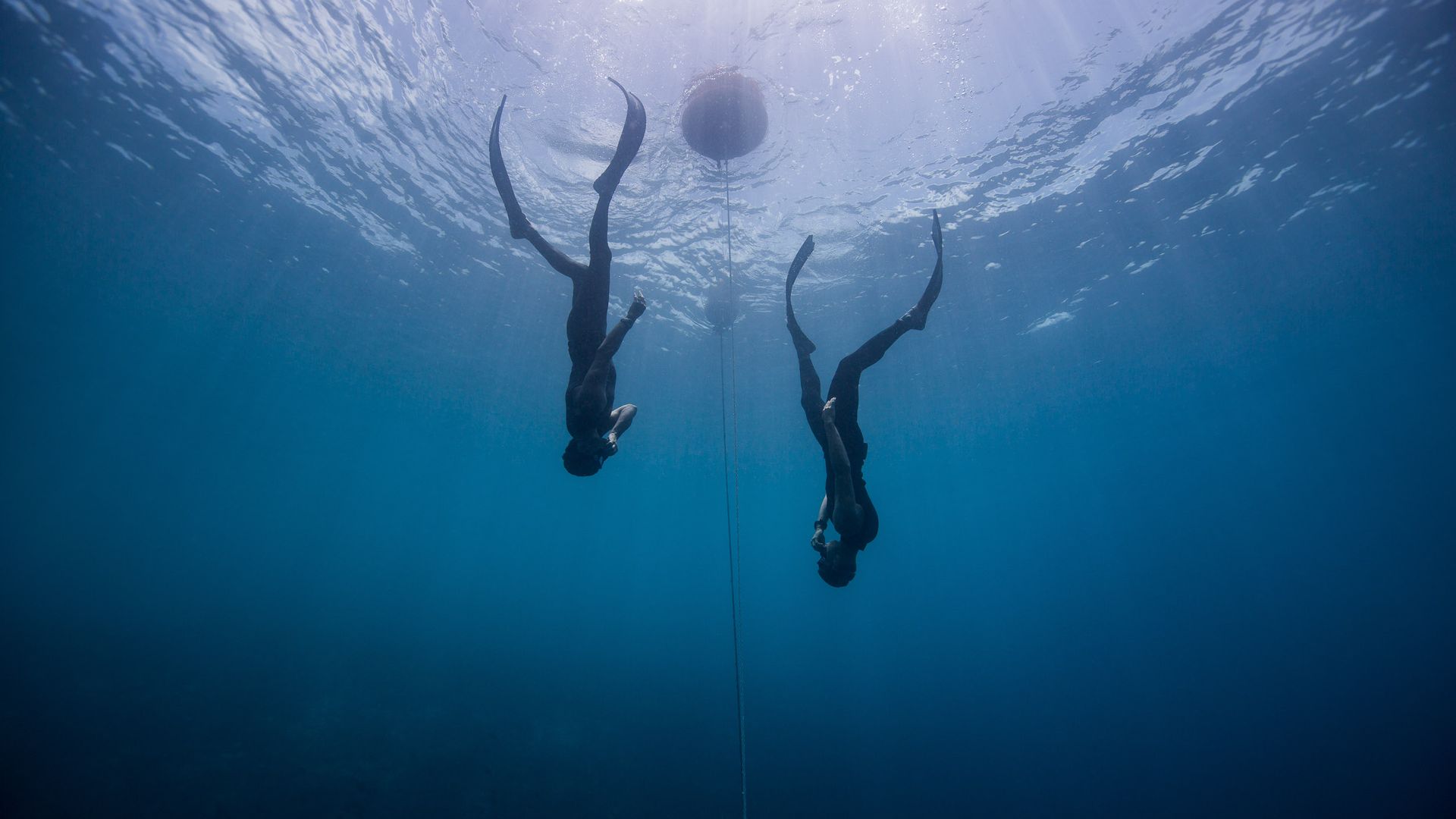
Freediving · Sairee
Personal freediving courses with experienced instructors off Sairee Beach.
Full guide →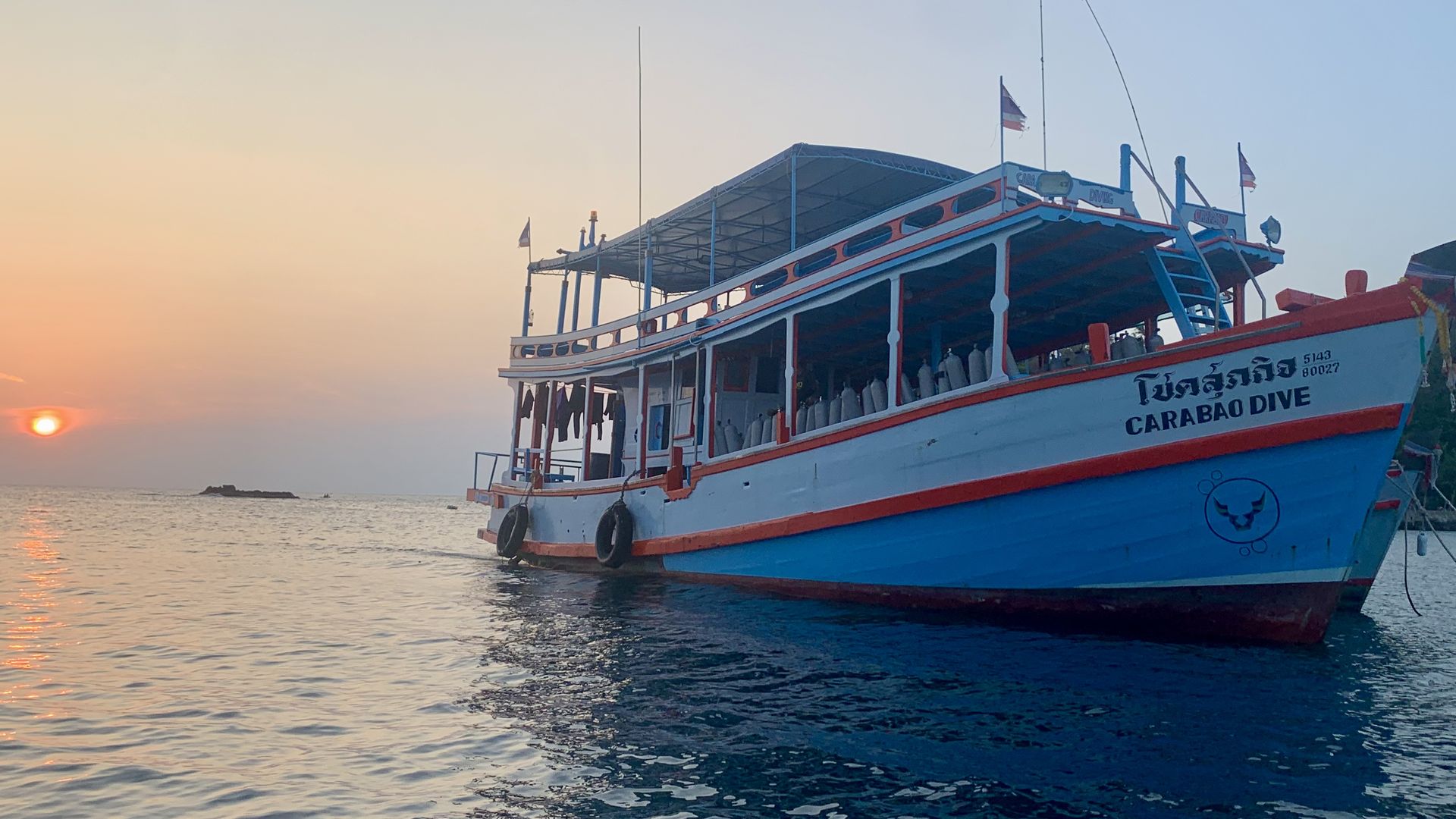
SSI dive resort · Chalok
Dive and stay in the quiet southern bay of Chalok.
Full guide →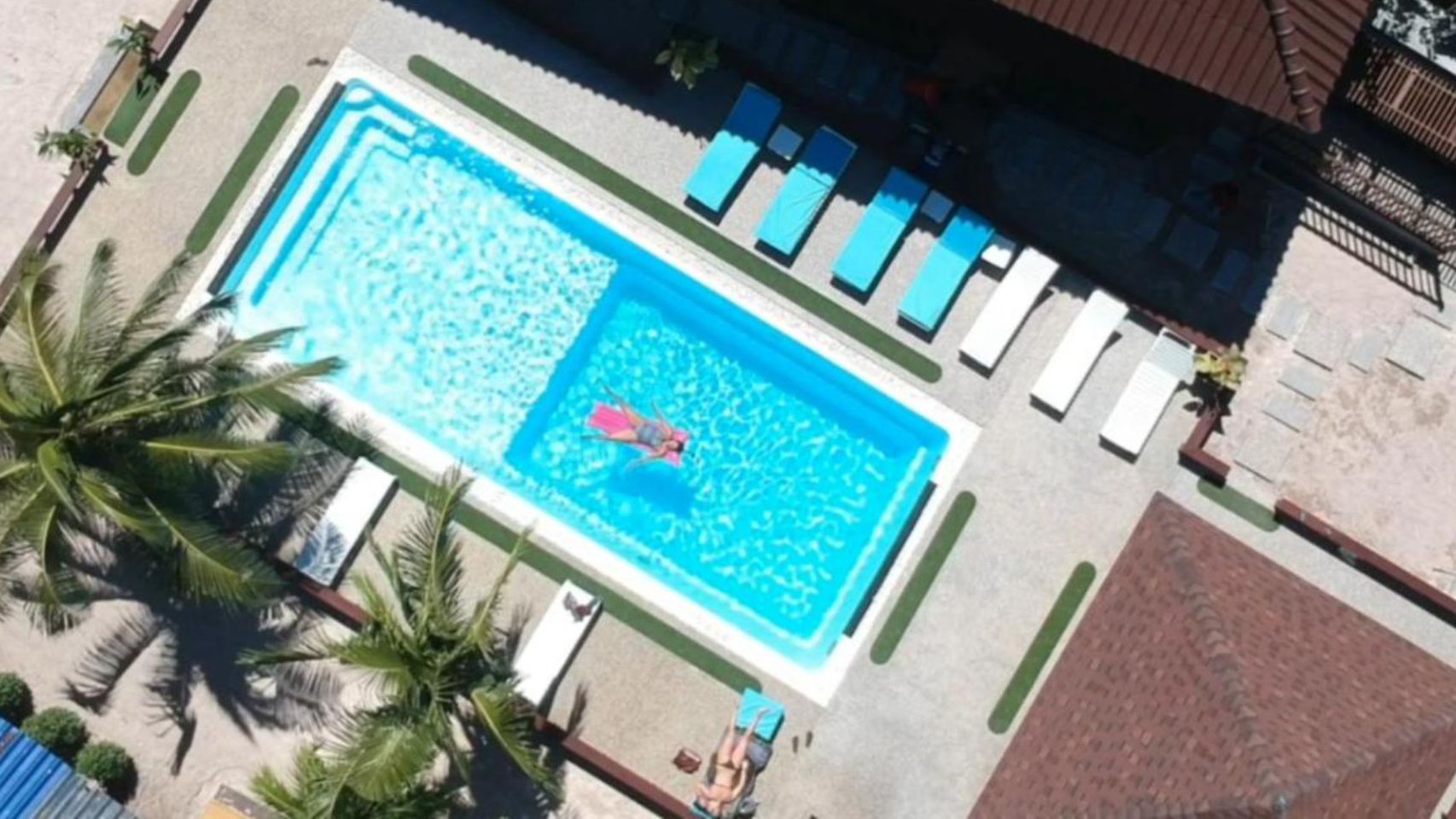
PADI dive resort · Chalok
Courses and fun dives with a resort to stay at, in Chalok.
Full guide →Also on the island: DPM Diving and dozens more. See every dive centre on Koh Tao →