Koh Tao dive sites / Hin Ngam
Hin Ngam Koh Tao's 'Beautiful Rock' Reef
A compact, shallow reef of granite boulders and coral restoration structures in a sheltered corner of the south-east coast.
Koh Tao dive sites / Hin Ngam
A compact, shallow reef of granite boulders and coral restoration structures in a sheltered corner of the south-east coast.
Hin Ngam means 'Beautiful Rock' in Thai, and the Hin Ngam dive site on Koh Tao lives up to it: granite boulders and coral-covered outcrops sit on a sandy bottom in a sheltered corner of the south-east coast. Maximum depth is only about 12 m, which means long bottom times and a relaxed pace.
Boats take roughly 15 to 20 minutes from the main pier, and the site is often paired with Shark Island, Aow Leuk or White Rock. Some guides treat the southern end of Aow Leuk bay as Hin Ngam too, so you may hear the name used for slightly different spots.
You usually descend on the mooring, then work along the boulders and coral bommies at 5 to 10 m. The next stop is the artificial reef modules on the sand, before heading back along the rocks and finishing with a safety stop on the shallow reef.
Because everything sits within a small area, there is no need to rush. It is a good site for slow, close-up looking.
It sits in a useful middle ground. It is deeper and more interesting than a bare training bay, yet gentle enough that nobody feels pushed. That mix makes it a favourite for Open Water training dives, refreshers, buoyancy practice and reef-conservation dives.
The shallow maximum also means plenty of time at depth. A single tank can easily stretch to a long, unhurried dive, with time to look into each ledge and crevice.
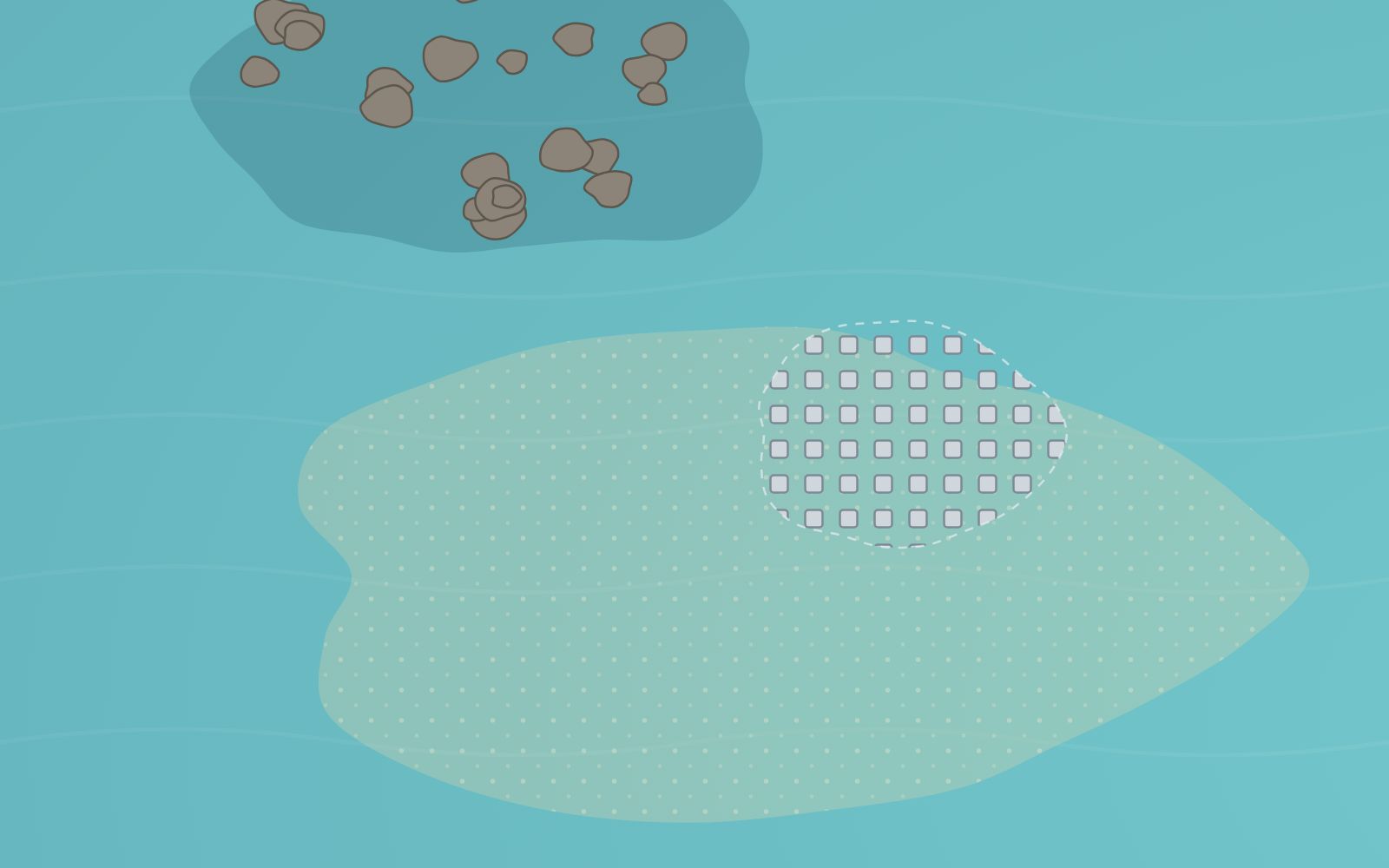
A rocky shoreline gives way to sand dotted with coral bommies. The boulders and a rocky wall along the edge carry hard and soft corals, with ledges and crevices that hide small animals. Sandy gaps between the rocks are resting areas for rays.
Depth runs from a few metres at the rocks to about 12 m on the sand. Some operators quote deeper sections of 18 m or more, so exact depths vary with where you measure. The map is schematic and the positions of the modules are not confirmed.
If you are a photographer, this is one of the better places on the south-east coast to spend a whole dive on a few square metres of reef. Frogfish, pipefish and mantis shrimp reward patience more than distance.
Reef modules and coral nurseries have been placed here to rebuild damaged reef and give juvenile fish shelter. Algae and sponges settle on the new structures first, then coral follows. Exact dates and operators are not confirmed.
Do not confuse it with the Suan Olan project in neighbouring Aow Leuk, which is a separate artificial reef.
Current is usually light in the sheltered bay, though the more exposed southern edge can see moderate flow. Visibility is typically 10 to 25 m, and divers report 18 to 30 m in some months.
The calm months of February to May are good, and so are June to September, when the east side is sheltered while the west coast gets windy. Late October to December, in the north-east monsoon, is the weakest time.
Check with your guide where the nursery frames are placed on the day, and plan your finning so you pass well above them.
Scorpionfish and stonefish are well camouflaged, so keep your hands off rocks and coral. Boat traffic from nearby sites can pass overhead, so ascend near your buoy line.
Visibility can vary a lot from day to day on this coast, so listen to your briefing. If the bay is stirred up after rain, the boulders and wall near the shoreline are usually still worth a slow look, and the shallow depth keeps the dive comfortable either way.
Finally, remember that Hin Ngam is small. Two dives in a row here is a good way to see both the boulders and the sandy modules without feeling you have missed something.
It means roughly 'Beautiful Rock' in Thai. The site is also known as Beautiful Rock.
The maximum is about 12 m, with an average dive depth around 8 m. A few operators quote deeper sections.
Yes. It is shallow, sheltered and used for Open Water training and refreshers.
Yes, reef modules and coral nurseries have been placed on the sand and among the boulders to help the reef recover.
On the south-east coast between Aow Leuk and Shark Island, about 15 to 20 minutes by boat from the main pier.
A white-sand bay on the south-east coast where juvenile reef sharks, easy training dives and a small artificial reef share calm water.
to 36 mA retired tech-diving liveaboard resting on the sand at 34 to 36 m, just beyond Shark Island.
0 to 28 mA granite islet off the south-east tip, wrapped in soft corals, sea fans and turtles.
0 to 15 mA sandy bay at the south end of the east coast where you can snorkel with green turtles and blacktip reef sharks from the beach.
Learn to dive
Koh Tao is one of the best places in the world to learn to dive: warm, calm water, sites a short boat ride away and schools for every style. Here are the courses most schools offer and the dive schools we know and trust. Schedules, course length and prices are set by each school.
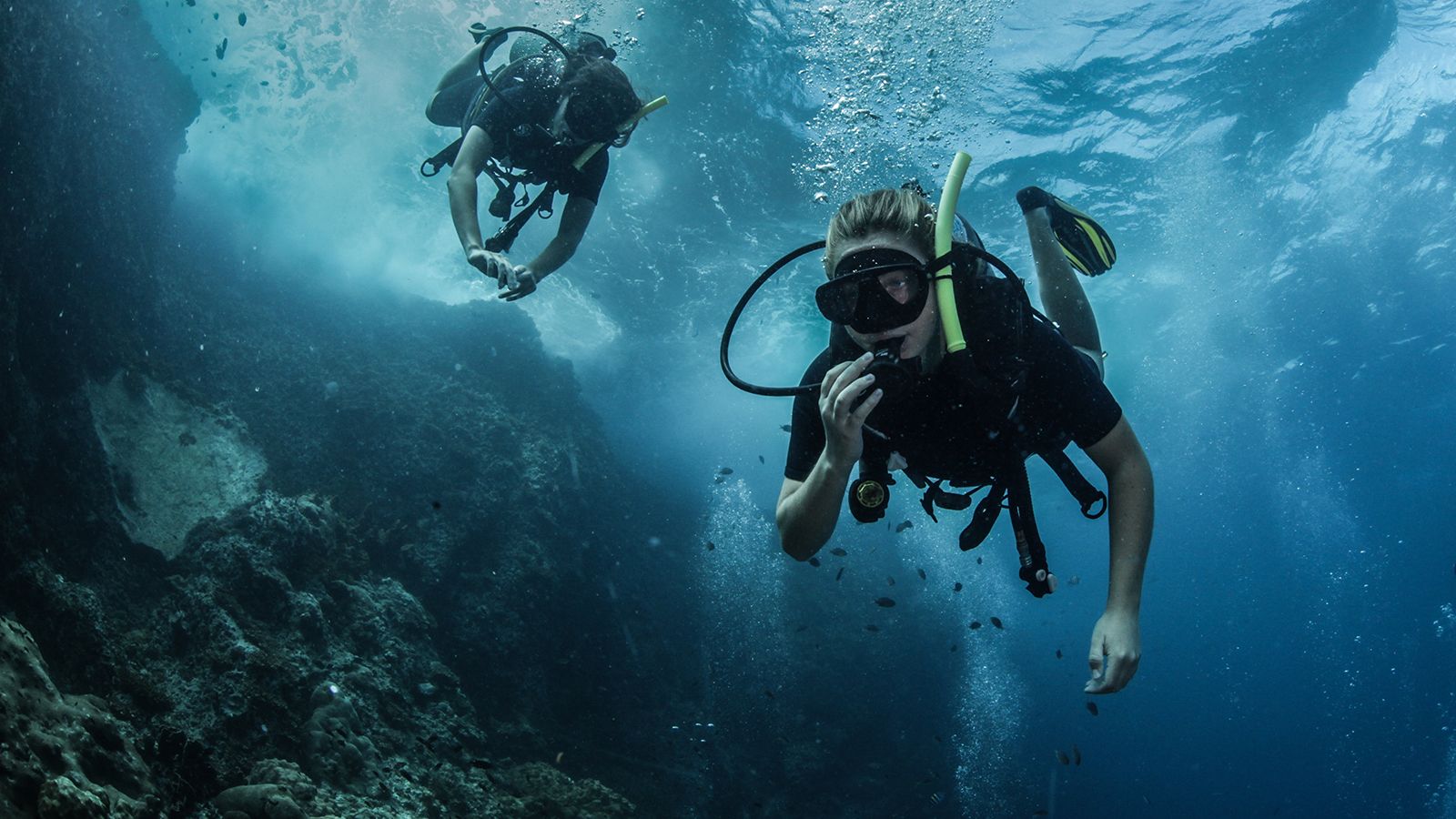
PADI 5-Star · Sairee
PADI 5-Star IDC on Sairee Beach: small groups, every level, taught in seven languages.
Full guide →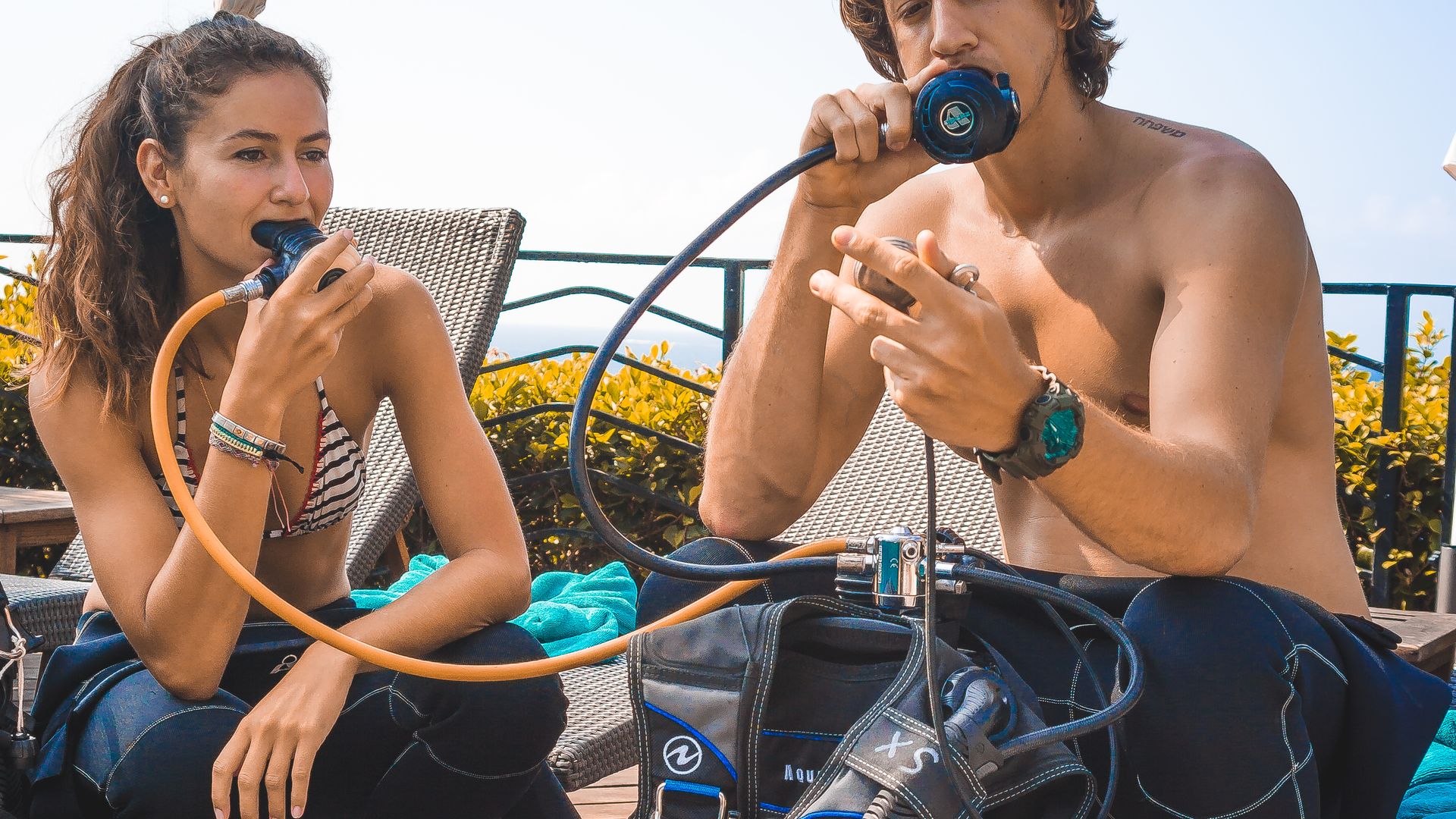
Private club · South coast
Very small classes, a training pool and boats straight from the resort pier.
Full guide →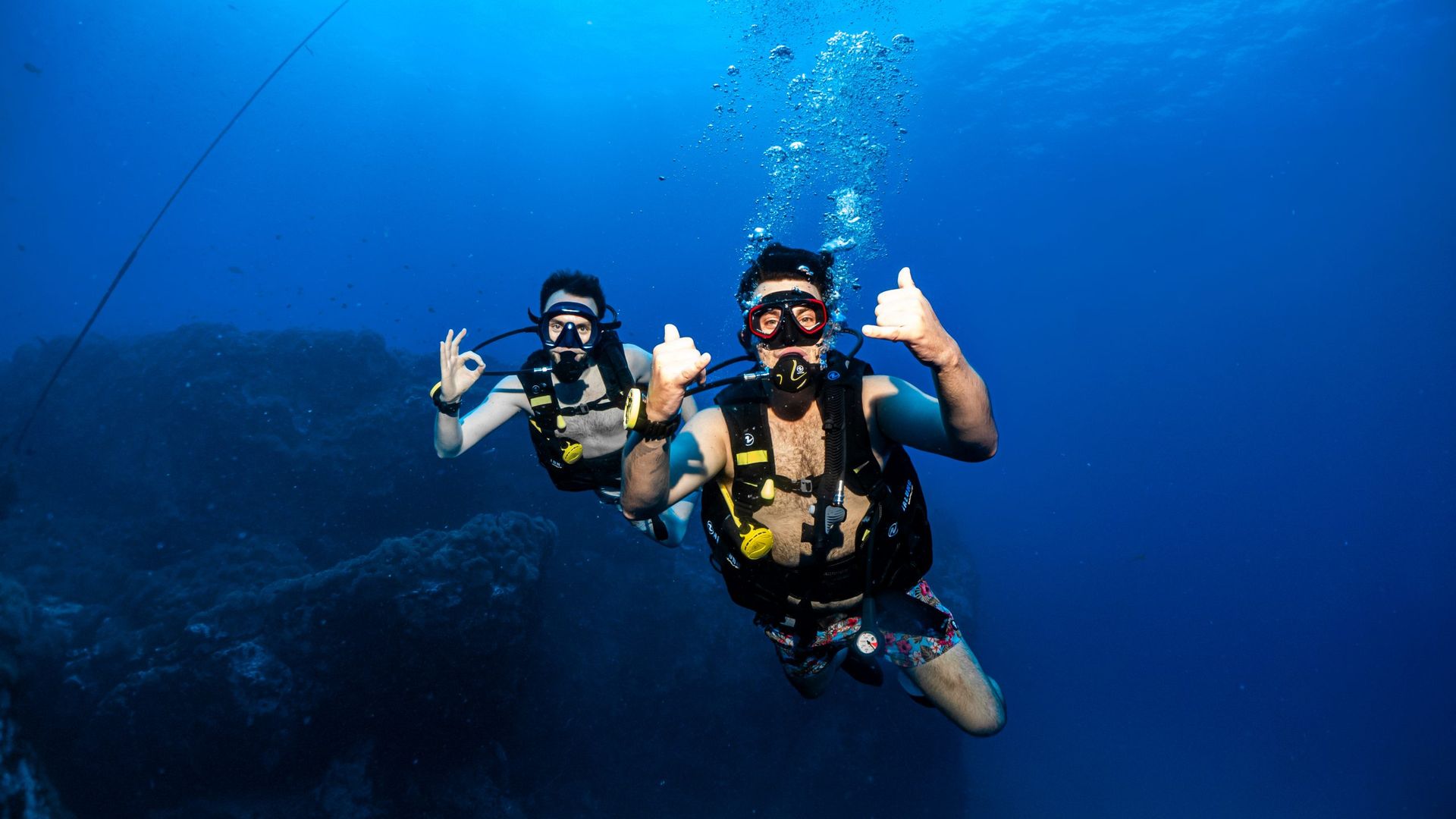
Dive school · Mae Haad
Groups of four, two minutes from the pier, from Open Water to instructor.
Full guide →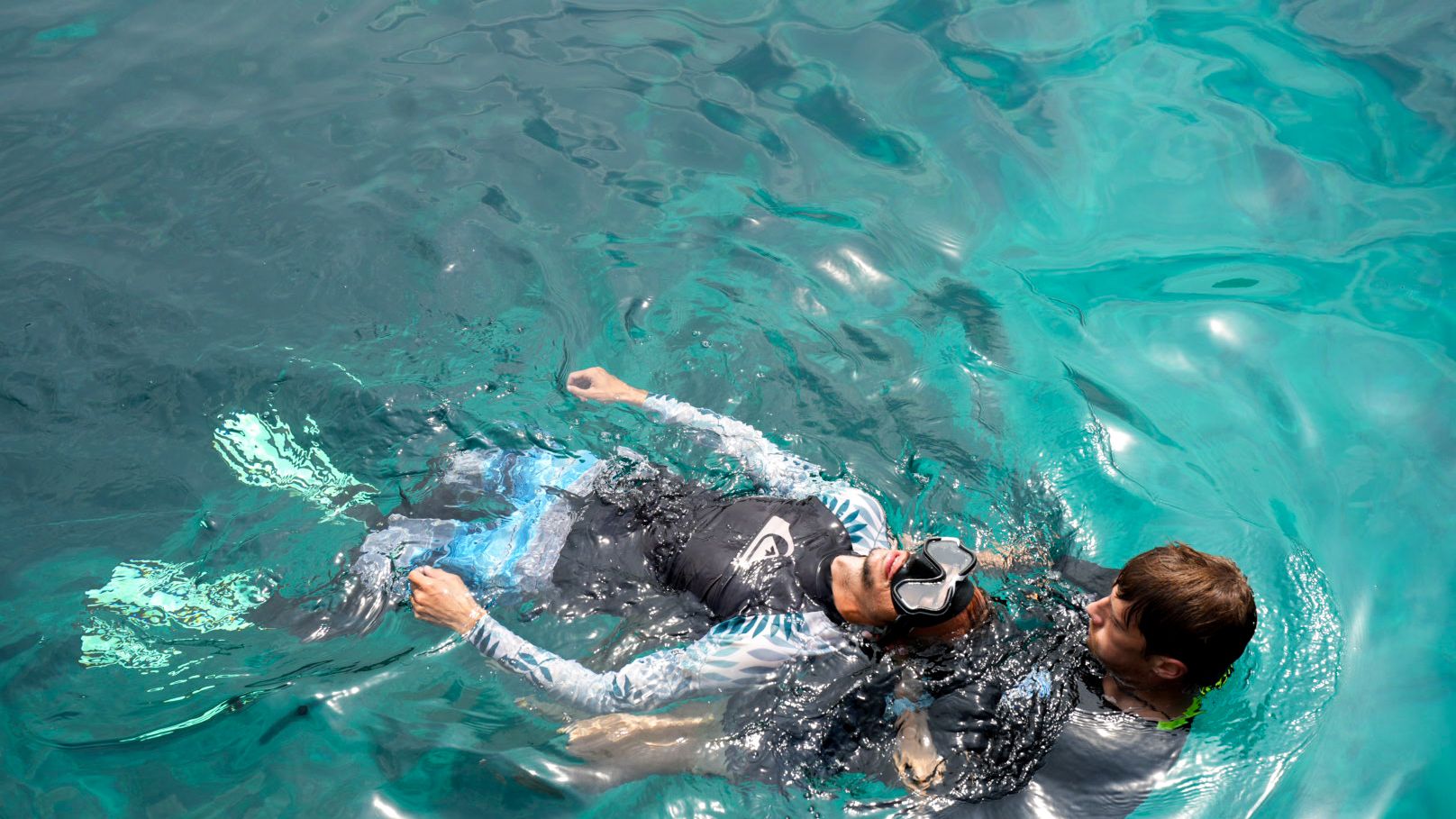
French dive school · Mae Haad & Chalok
Courses in French since 2012: SSI and CMAS / FFESSM, groups of four, first dive to instructor.
Full guide →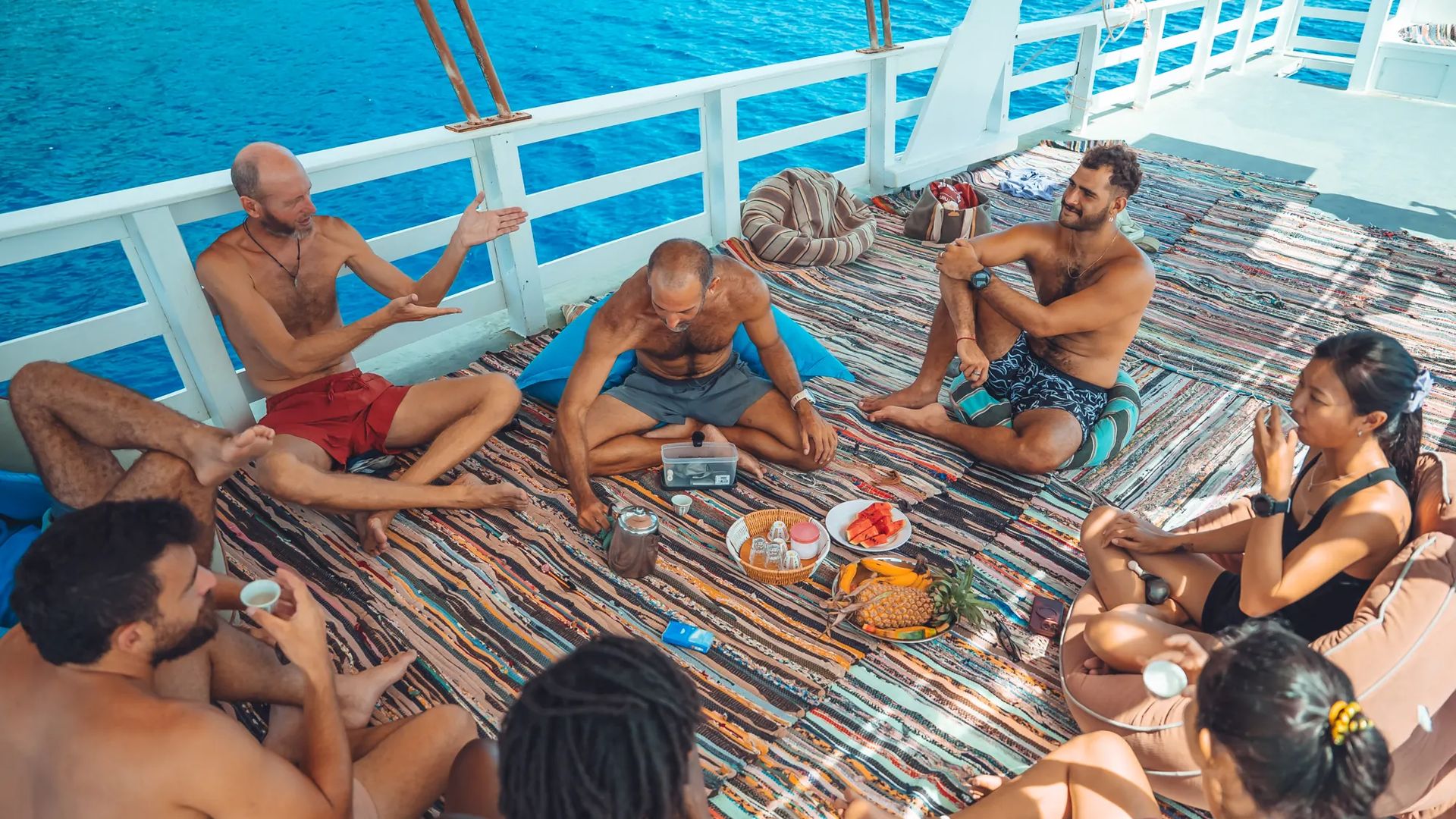
Freediving & yoga · Mae Haad
Learn to freedive on one breath, with breathwork and yoga in a sea-view shala.
Full guide →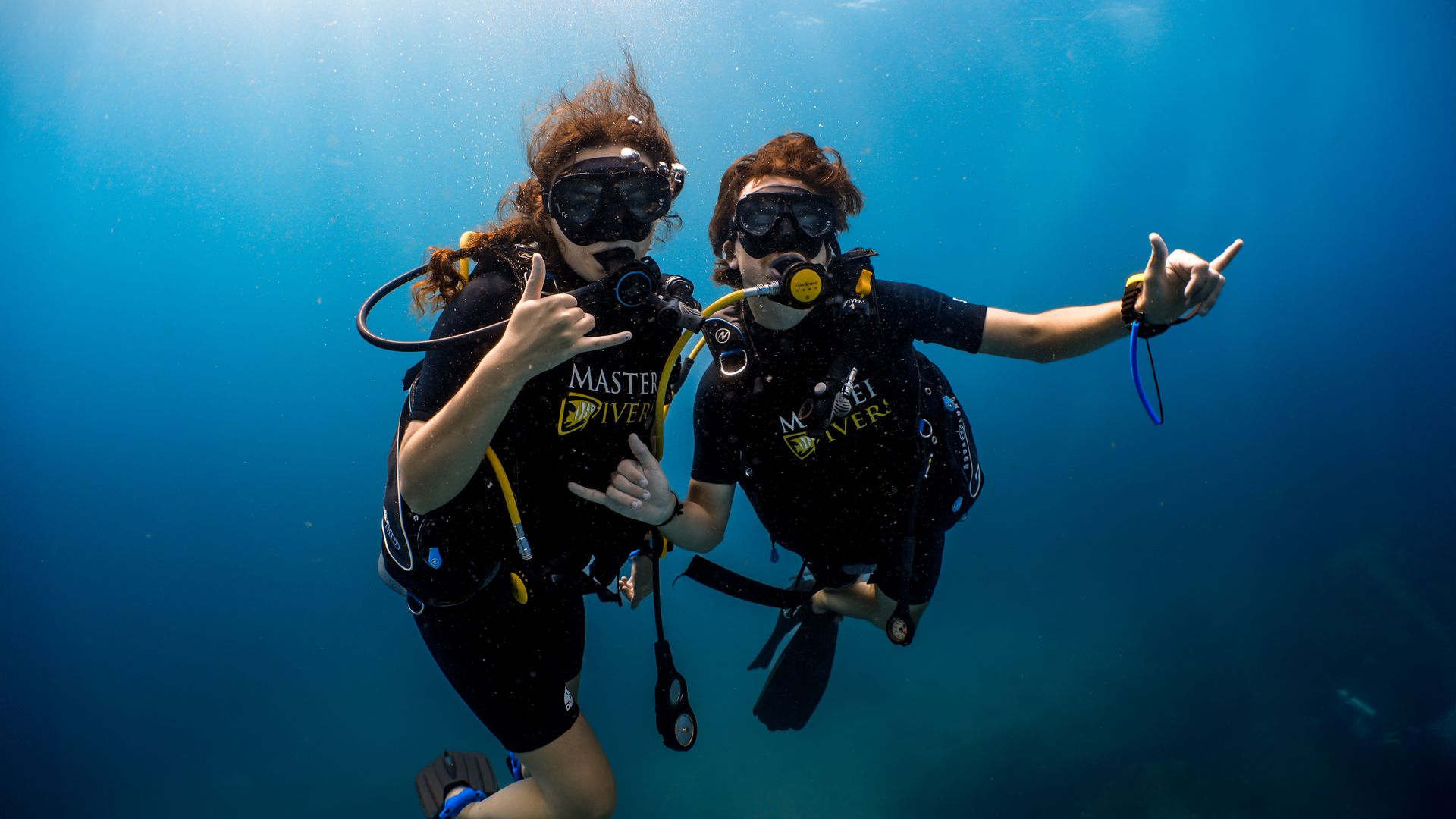
PADI 5-Star CDC · Mae Haad
One of the island's most established dive centres, with a focus on pro training.
Full guide →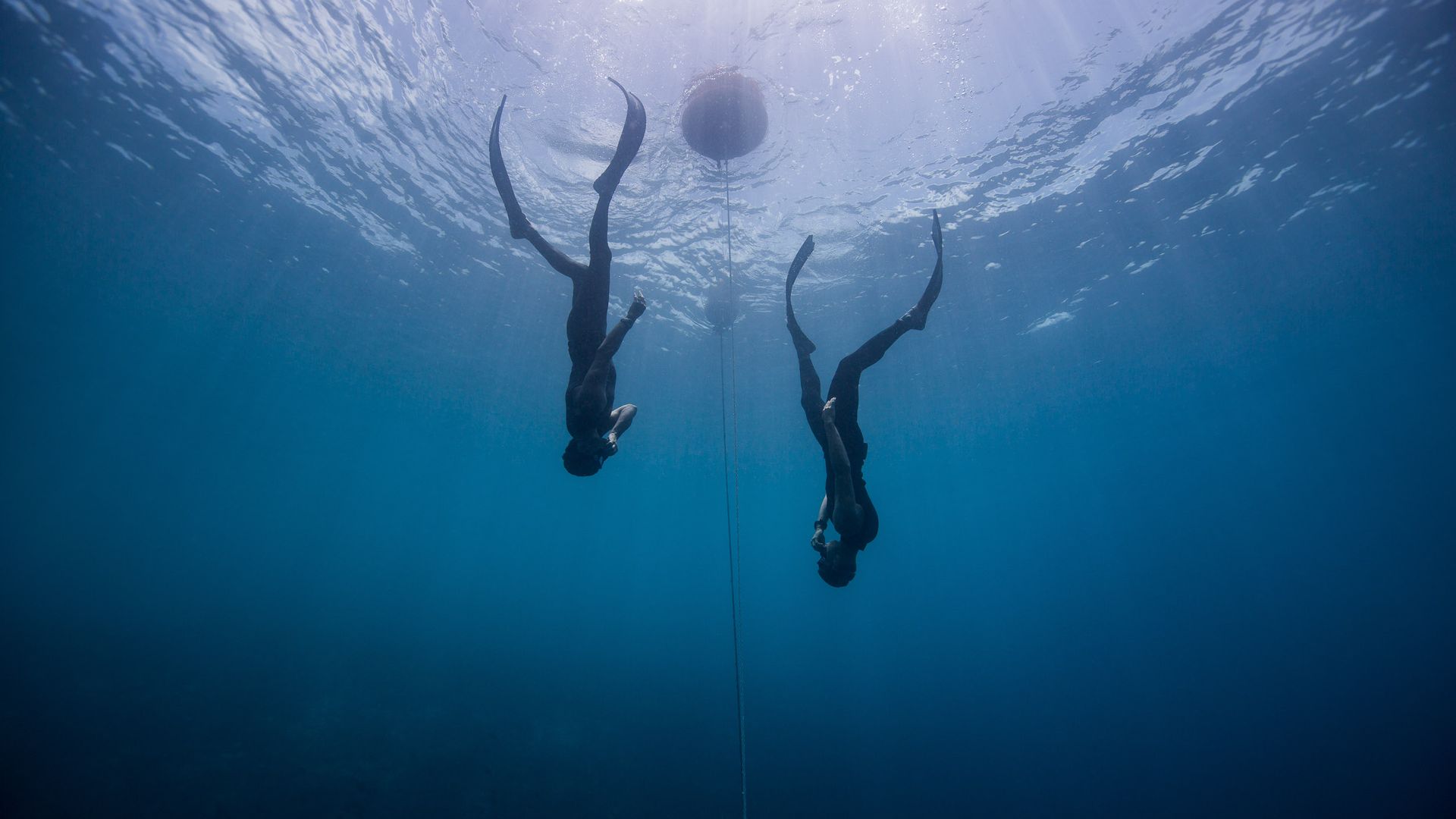
Freediving · Sairee
Personal freediving courses with experienced instructors off Sairee Beach.
Full guide →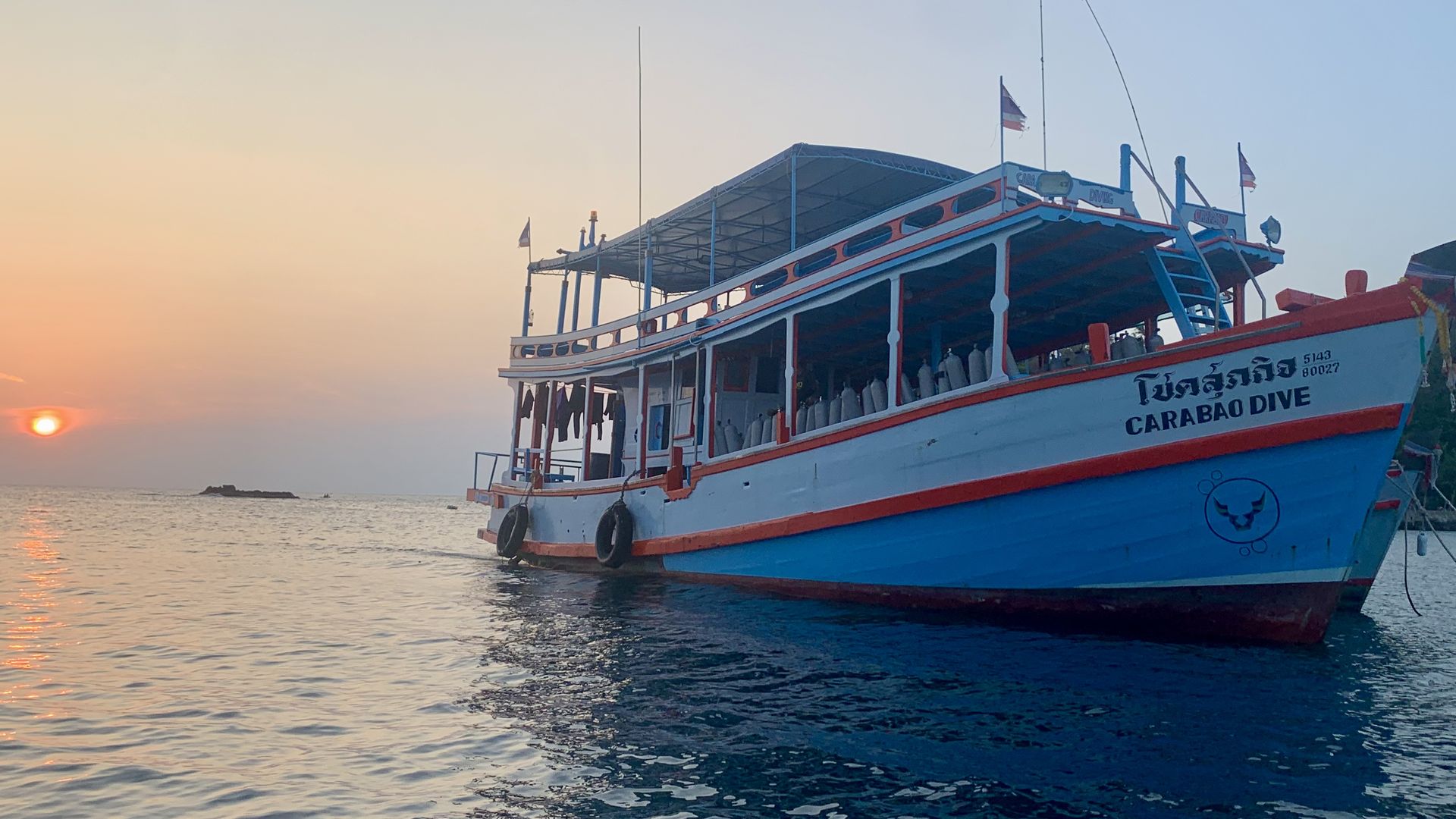
SSI dive resort · Chalok
Dive and stay in the quiet southern bay of Chalok.
Full guide →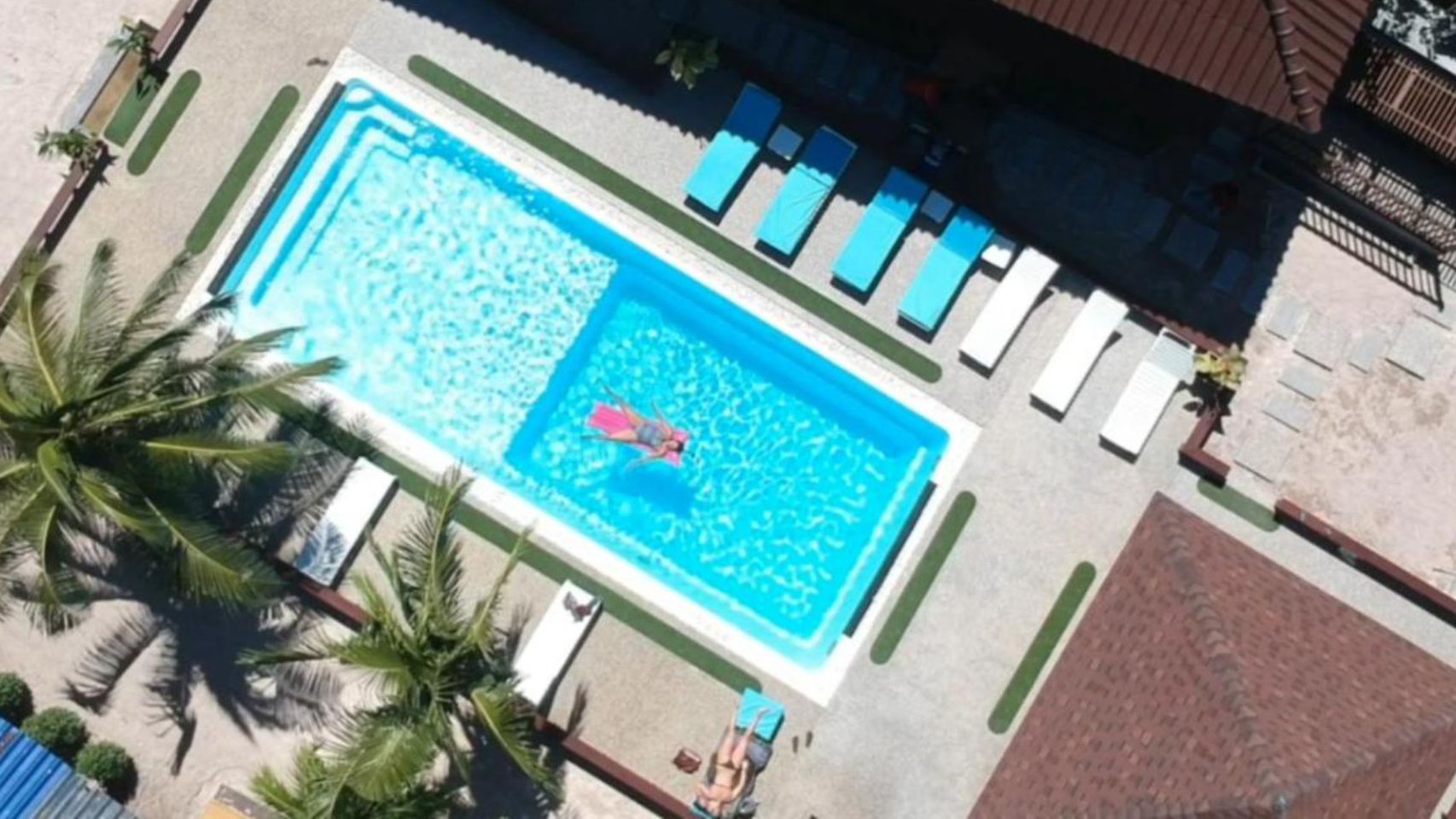
PADI dive resort · Chalok
Courses and fun dives with a resort to stay at, in Chalok.
Full guide →Also on the island: DPM Diving and dozens more. See every dive centre on Koh Tao →