Koh Tao dive sites / Mao Bay
Mao Bay Sheltered East Coast Bay Dive Site, Koh Tao
A gentle, calm slope of boulders and coral beside Koh Tao's newest wreck.
Koh Tao dive sites / Mao Bay
A gentle, calm slope of boulders and coral beside Koh Tao's newest wreck.
Mao Bay (also spelled Ao Mao or Aow Mao) is a sheltered dive site on Koh Tao's east to south-east coast. The reef starts in the shallows at 3 to 5 m and slopes gently down to about 18 to 20 m, covered in granite boulders, coral gardens and patches of sand.
It is one of the easier dives on this side of the island: protected from the prevailing winds, usually calm, and suited to both training dives and relaxed fun diving. Since 2023 it has had an extra draw, because the ex-navy wreck HTMS Hanhak Sattru sits on the sand at the bay mouth.
Mao Bay is a boat dive. Trips run about 15 to 20 minutes from the pier area, and it is often paired with Shark Island, Aow Leuk, Tanote Bay or the Hanhak Sattru wreck.
Because the east coast is exposed in the north-east monsoon, the bay is dived mostly in the calmer months. In season, many centres use it as a reliable fallback when other sites are rough.
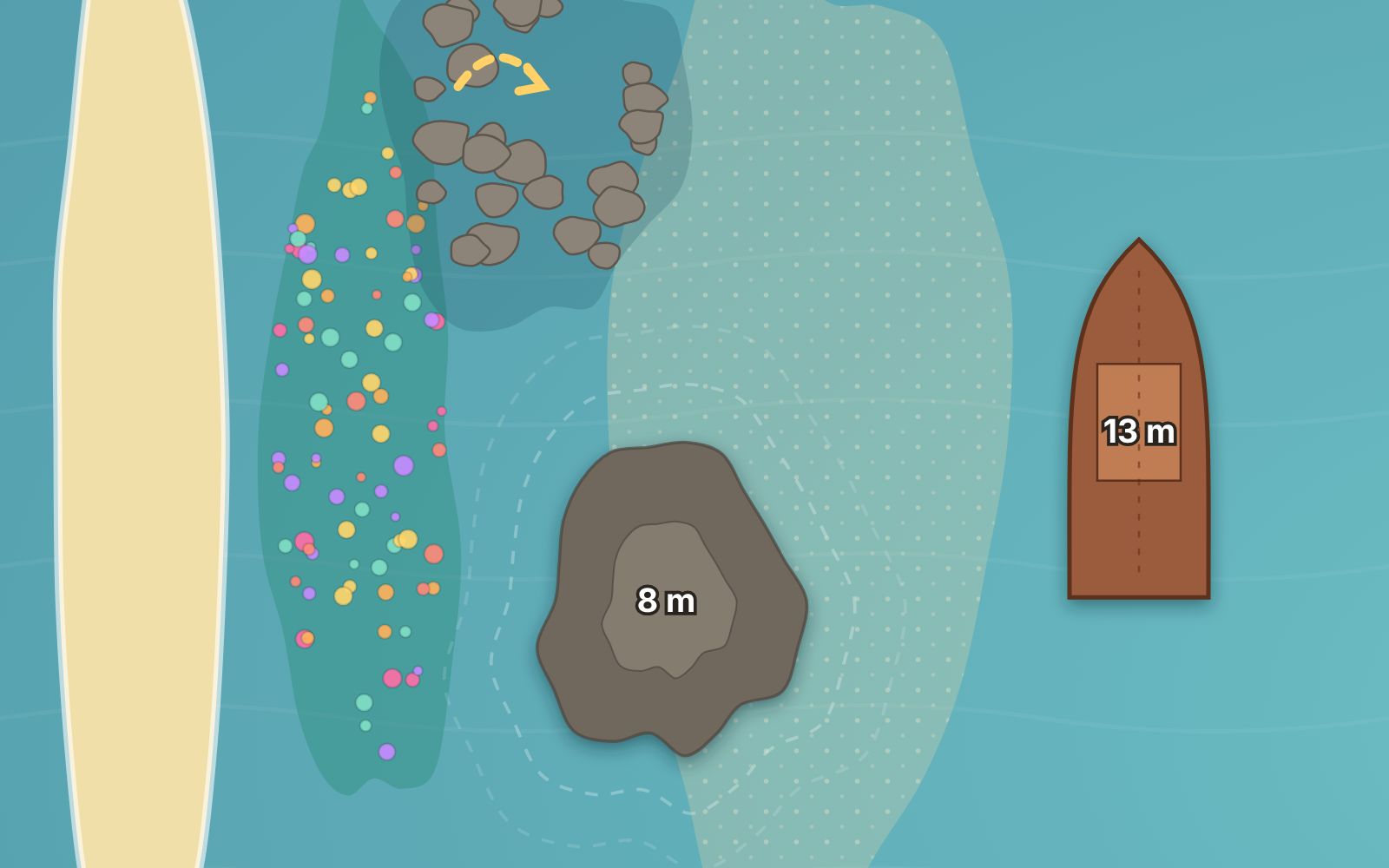
A typical dive starts at the bay mouth, either on the wreck or on the sand beside it, and works back toward the shore. You follow the slope across sand and coral bommies, then reach the granite boulders and the shallow coral gardens, finishing in the shallows with an easy safety stop.
The profile is gentle, so you spend most of the dive at moderate depth with plenty of time to look around. Divers who start at the wreck get a deeper first half and a long, relaxed ascent.
The layout on the map is schematic, so use it as a guide to what is where rather than an exact chart.
The boulders and overhangs hold moray eels, lionfish and groupers, while blue-spotted stingrays settle on the sand. Butterflyfish, angelfish and parrotfish work over the coral, and schools of snapper hang above the reef.
Green turtles drop by from time to time, and trevally and barracuda sometimes pass through. For macro, look for nudibranchs, cleaner shrimp and juvenile reef fish tucked among the rocks.
The bay's biggest change in recent years is the HTMS Hanhak Sattru, a former Royal Thai Navy attack craft sunk as an artificial reef in September 2023. It lies at 22 to 24 m, so it is a dive for Advanced divers, but it is usually done as one profile with the bay.
Divers who are not ready for the wreck can still enjoy the shallower reef. Ask your centre which version of the dive is planned.
Mao Bay is a rare site that works for almost everyone in the boat. Trainee divers use the shallow upper reef for Open Water course dives and refreshers, while certified divers spend their time on the deeper outer section of the slope.
Underwater photographers like it too. The calm water, the rays on the sand and the small life hiding among the rocks all reward a slow, patient dive, and visibility is usually best on calm days with little tidal flow.
If you are building a trip around the east coast, Mao Bay pairs naturally with Shark Island, Aow Leuk or Tanote Bay, and it is a sensible plan B whenever the wind has made other sites rough.
May to September is the best window, when the south-west monsoon leaves the east coast sheltered. October to December is the north-east monsoon season and the bay can be exposed.
Visibility is typically 8 to 20 m depending on season and tide. Current is generally minimal, apart from some tidal flow near the bay mouth by the wreck.
From about 3 to 5 m in the shallows down to around 18 to 20 m. The Hanhak Sattru wreck at the mouth lies at 22 to 24 m.
Yes. It is sheltered and usually calm, and the shallow sections suit training and Open Water divers.
HTMS Hanhak Sattru, a former Royal Thai Navy attack craft sunk as an artificial reef in September 2023.
May to September, when the east coast is sheltered. The north-east monsoon from October to December makes it less reliable.
Partly. The shallow upper reef can be snorkelled, but it is a boat trip rather than a beach swim.
A 45 m ex-navy attack craft resting upright on the sand at the mouth of Mao Bay.
3 to 25 mA quiet east coast headland with a beginner bay, light-filled caverns and a lesser-known pinnacle.
2 to 20 mA big boulder-strewn horseshoe on the wild east side, with coral bommies, crevices and blacktip reef sharks.
5 to 18 mKoh Tao's most varied east coast dive, with natural reef, a sunken catamaran and a coral nursery.
Learn to dive
Koh Tao is one of the best places in the world to learn to dive: warm, calm water, sites a short boat ride away and schools for every style. Here are the courses most schools offer and the dive schools we know and trust. Schedules, course length and prices are set by each school.
PADI 5-Star · Sairee
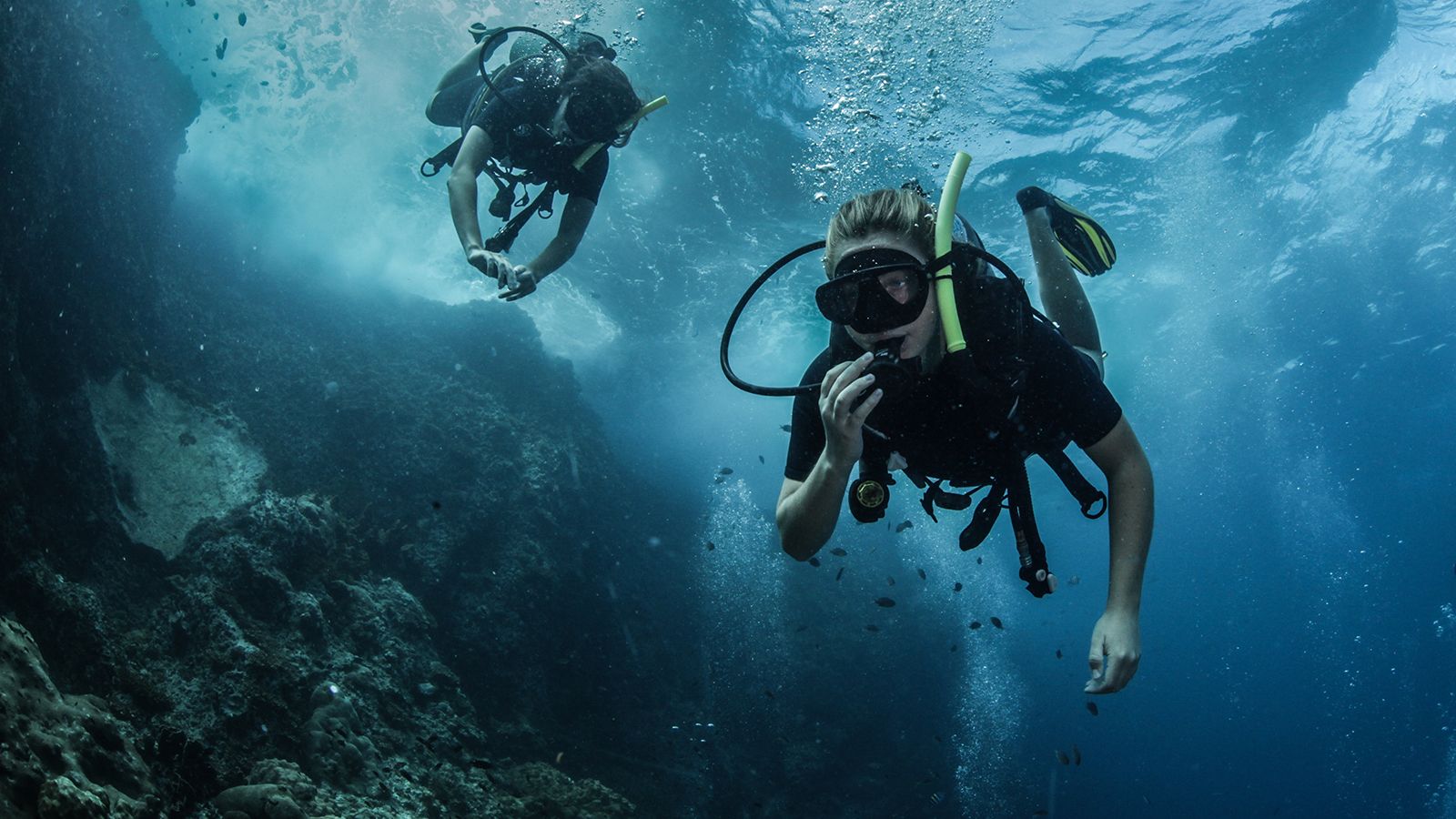
PADI 5-Star IDC on Sairee Beach: small groups, every level, taught in seven languages.
Full guide →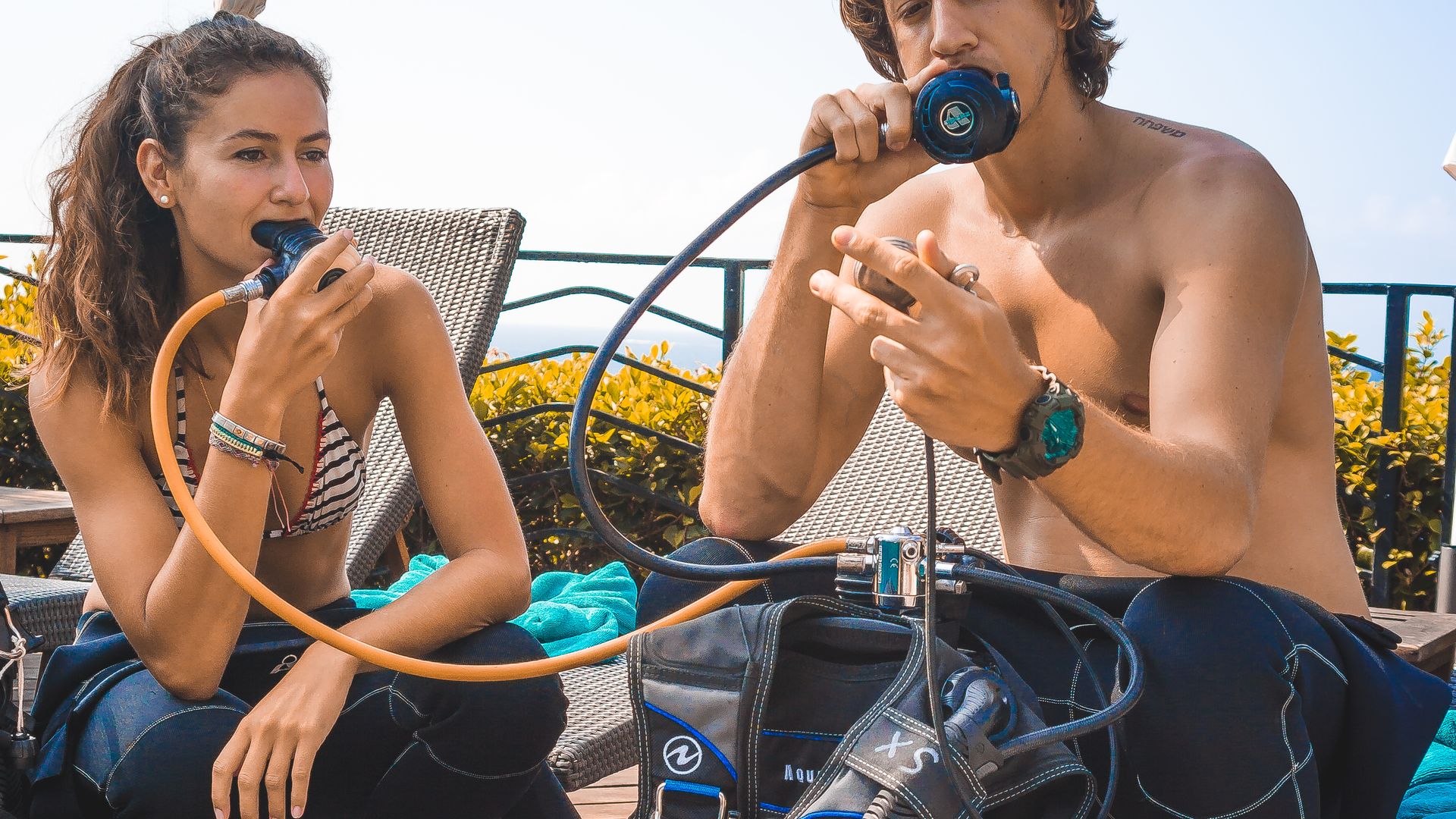
Private club · South coast
Very small classes, a training pool and boats straight from the resort pier.
Full guide →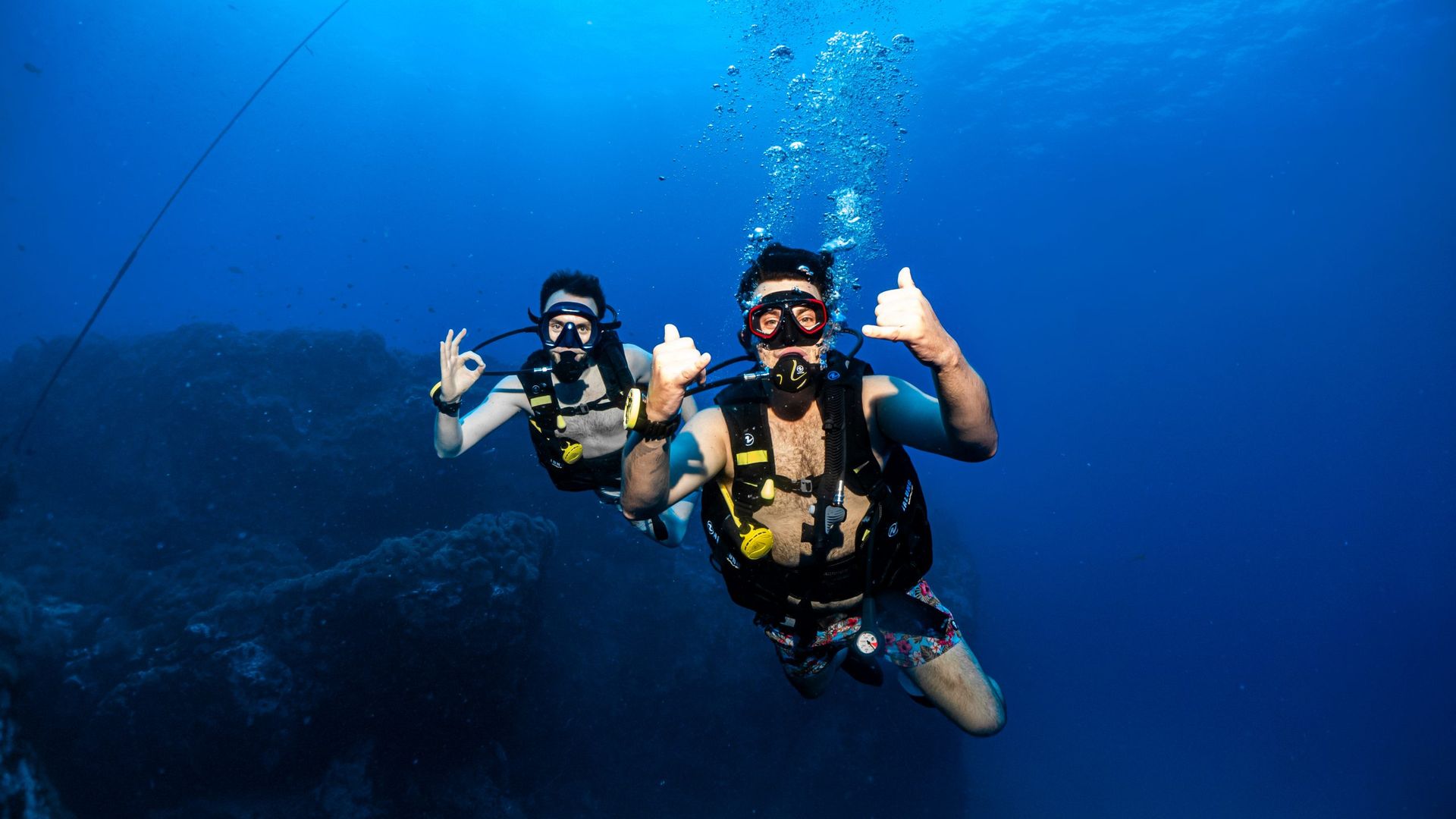
Dive school · Mae Haad
Groups of four, two minutes from the pier, from Open Water to instructor.
Full guide →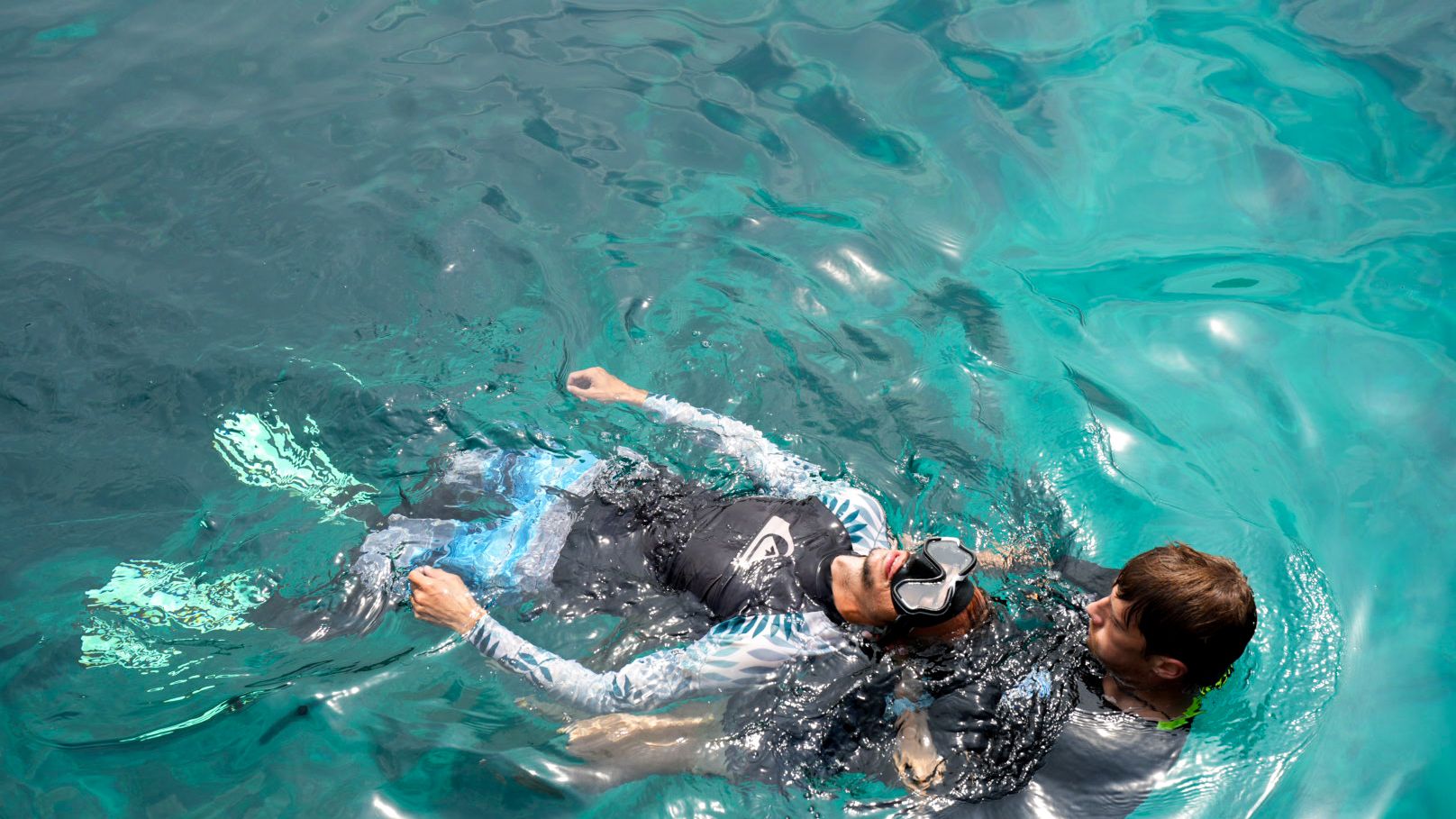
French dive school · Mae Haad & Chalok
Courses in French since 2012: SSI and CMAS / FFESSM, groups of four, first dive to instructor.
Full guide →
Freediving & yoga · Mae Haad
Learn to freedive on one breath, with breathwork and yoga in a sea-view shala.
Full guide →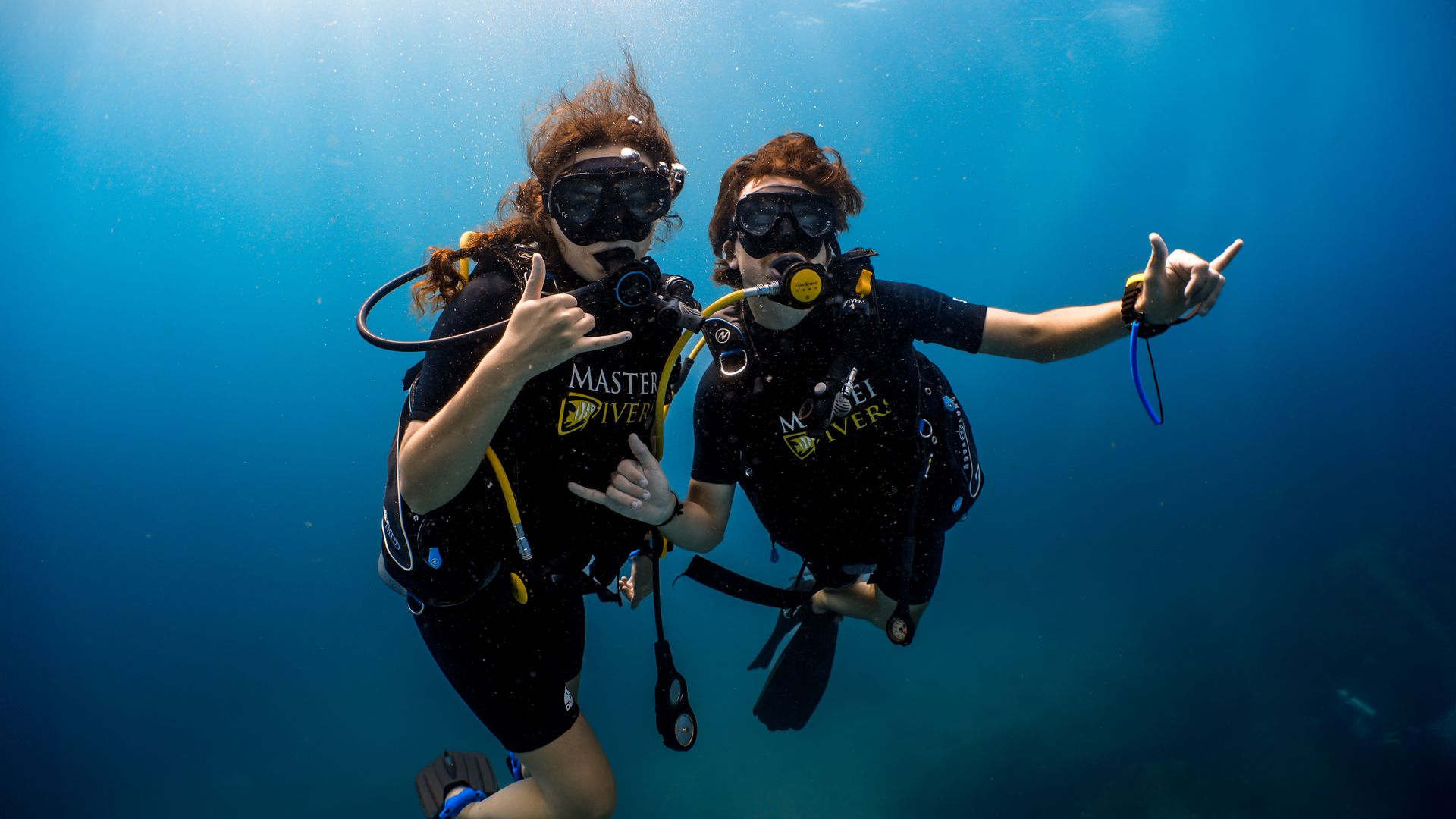
PADI 5-Star CDC · Mae Haad
One of the island's most established dive centres, with a focus on pro training.
Full guide →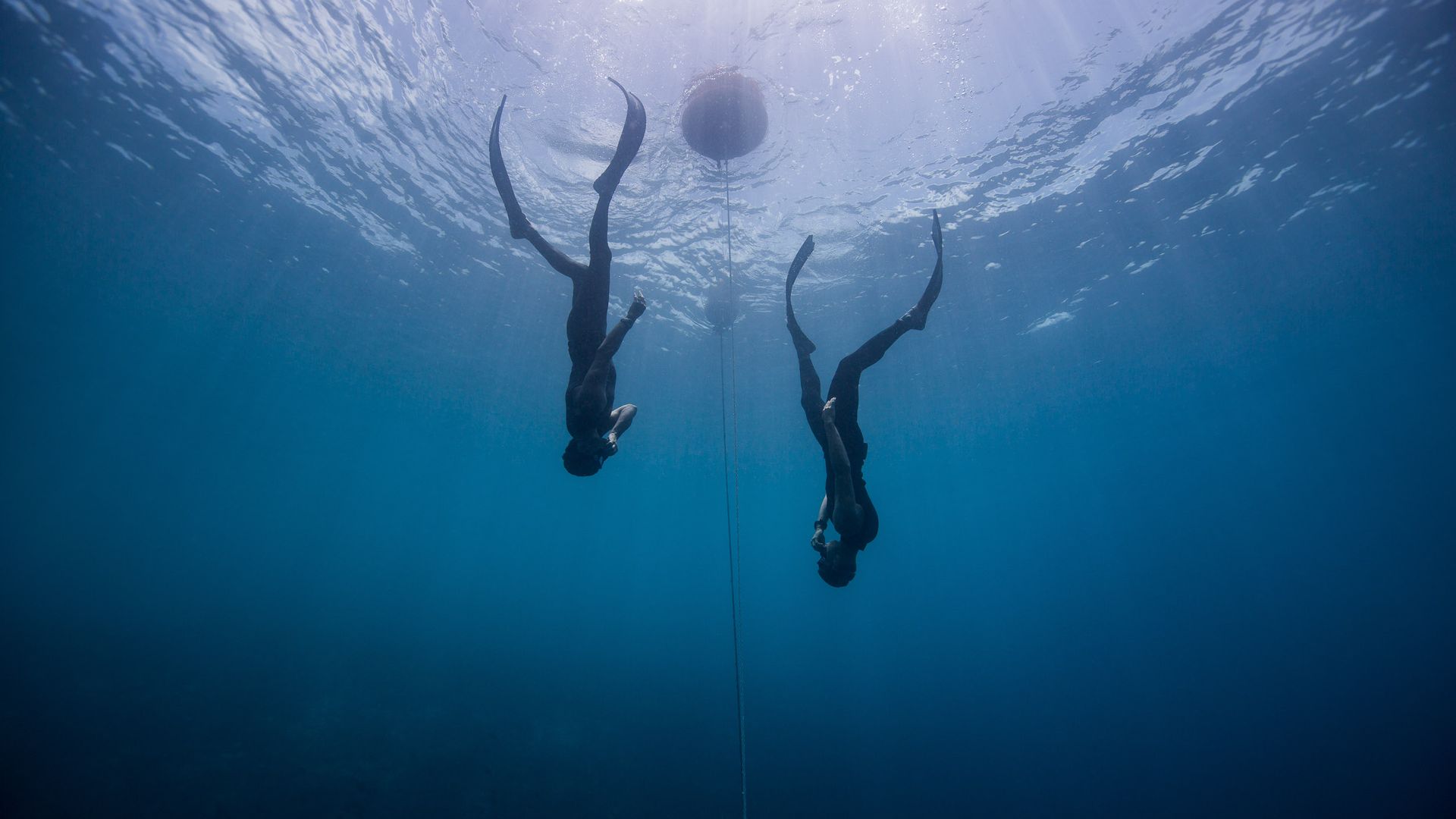
Freediving · Sairee
Personal freediving courses with experienced instructors off Sairee Beach.
Full guide →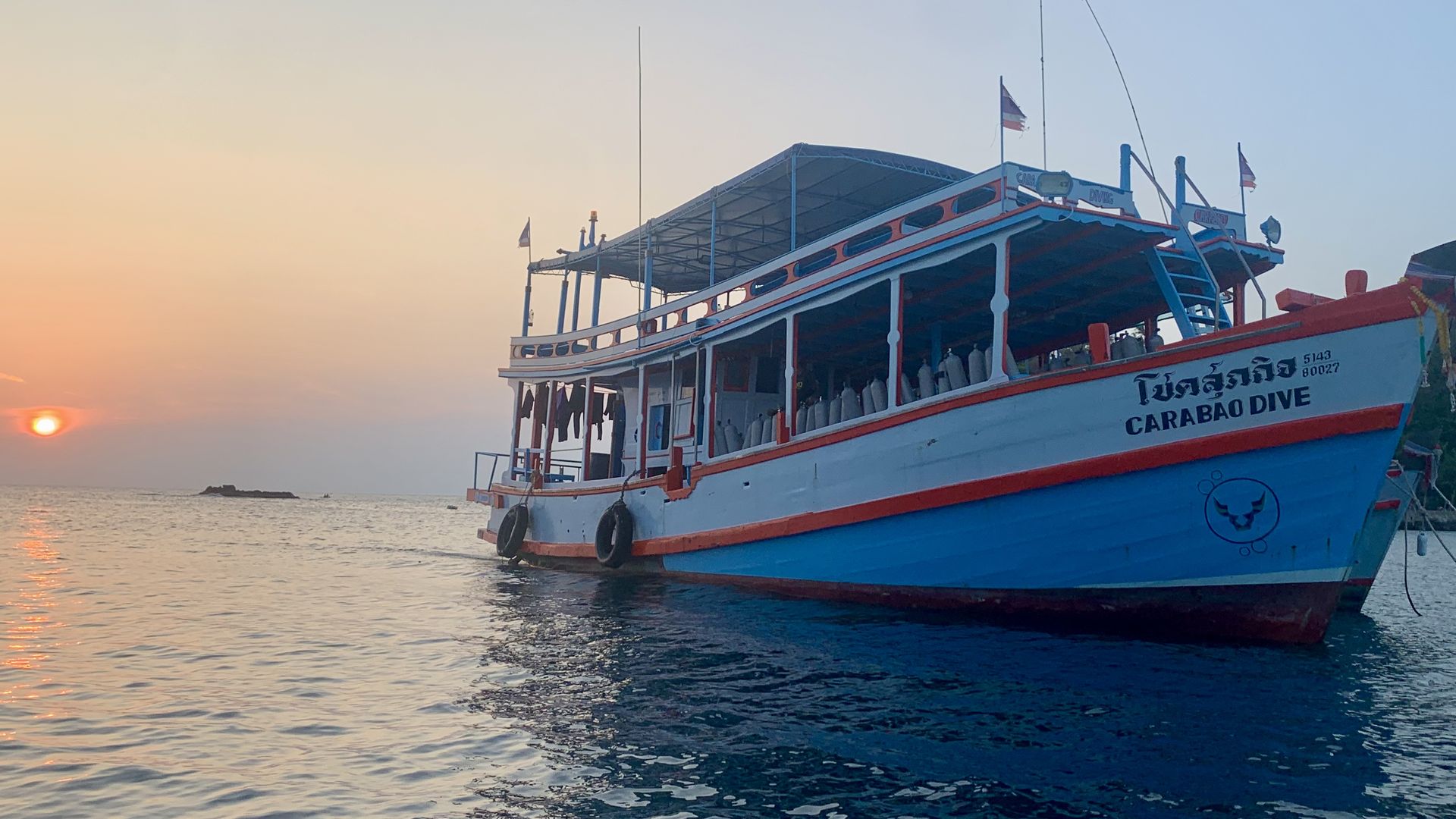
SSI dive resort · Chalok
Dive and stay in the quiet southern bay of Chalok.
Full guide →
PADI dive resort · Chalok
Courses and fun dives with a resort to stay at, in Chalok.
Full guide →Also on the island: DPM Diving and dozens more. See every dive centre on Koh Tao →