Koh Tao dive sites / Laem Thian
Laem Thian Granite Caves and Bay Dive Site, Koh Tao
A quiet east coast headland with a beginner bay, light-filled caverns and a lesser-known pinnacle.
Koh Tao dive sites / Laem Thian
A quiet east coast headland with a beginner bay, light-filled caverns and a lesser-known pinnacle.
Laem Thian is a rocky headland on Koh Tao's quiet east coast, and it is one of the more interesting Laem Thian Koh Tao dive spots for divers who like boulders, swim-throughs and big fish. You will also see it written as Laem Thien, and the caves are often called Laem Thian Caves.
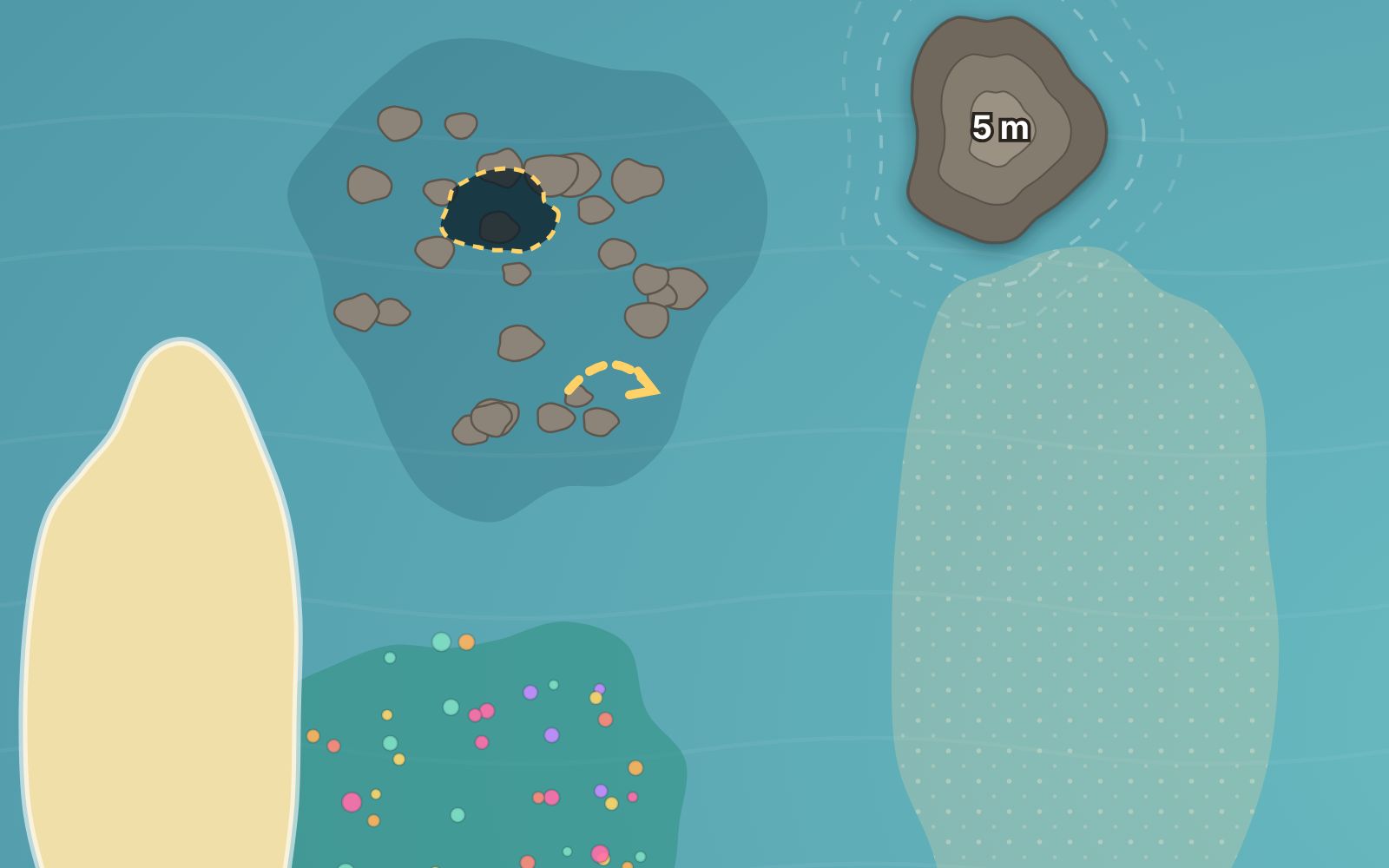
The site has three faces: a sheltered bay on the south side, a cave area of stacked granite on the north side, and a pinnacle off the cape. It is dived less than the west coast classics, so the reef feels calm and uncrowded.
Laem Thian is reachable by boat only. Most dive centres send you by taxi to Hin Wong Pier, then a shuttle boat, then roughly 20 minutes on the dive boat. It is frequently the second dive after Shark Island or Hin Wong Pinnacle.
The east coast is far less developed than the west, which is a big part of its charm. It also means the site is best in the calmer months.
In the bay, the dive is a shallow drift over boulders and coral on the south side, at about 3 to 15 m. It is a relaxed first dive or a good place to practise skills.
For the caves, you descend near the northern boulder clusters at around 18 to 20 m and weave up through caverns and swim-throughs between 8 and 18 m. Dives usually finish in the shallows, where Weibel's butterflyfish gather in big schools. There is a lot of up and down, so keep an eye on your air.
The three parts of Laem Thian suit different divers. The bay is the gentle option and works for Discover Scuba and Open Water skills. The caves are better for buoyancy practice and Advanced Open Water dives, and the deeper sand is sometimes used for deep training.
The pinnacle is the least documented part of the site. It is described as a rock mass of huge boulders, canyons and swim-throughs between 5 and 25 m, but few dive centres describe it in detail, so ask your guide whether it is on the plan before you count on it.
Because the headland is dived less than other Koh Tao sites, it often feels like you have the reef to yourself. That is a good reason to give it a full dive rather than treating it as a filler stop.
Giant groupers wait near the cave entrances, and sweetlips shelter under ledges. White-eyed morays and blue-spotted stingrays share the sand, and yellowtail barracuda school along the inner slope of the bay. A resident titan triggerfish and big shoals of Weibel's butterflyfish round off the dive.
Rarer visitors are reported here too, including bumphead parrotfish, orange-spined unicornfish, cobia, batfish, cuttlefish and blacktip reef sharks. For macro, look for nudibranchs, banded pipefish, wart slugs and juvenile harlequin sweetlips and yellow boxfish.
June to September is the best time, when the south-west monsoon sheltering the east coast gives fine weather. October and November are the north-east monsoon and best avoided.
Visibility is usually 10 to 20 m, and on good days it can reach 15 to 30 m. The water is mostly calm in fair weather, though surge can build around the caves.
The swim-throughs are overhead spaces, so stay within recreational limits and keep your fins off the rock. Surge near the caves can push you around, and startled groupers resting among the boulders can bolt.
The sand slope beyond the rocks drops toward 40 m, so watch your depth if you wander off the reef.
The boulders run from about 8 m down to 18 to 22 m, with the caves generally at 18 to 20 m.
The bay on the south side is, at 3 to 15 m. The caves suit more experienced divers with good buoyancy.
A Laem Thian Pinnacle is listed off the cape at 5 to 25 m with boulders and swim-throughs, though most dive trips focus on the bay and caves.
June to September. October and November fall in the north-east monsoon and are best avoided.
By boat only. Divers usually taxi to Hin Wong Pier, then take a shuttle boat and a ride of roughly 20 minutes.
A gentle, calm slope of boulders and coral beside Koh Tao's newest wreck.
13 to 24 mA 45 m ex-navy attack craft resting upright on the sand at the mouth of Mao Bay.
5 to 18 mKoh Tao's most varied east coast dive, with natural reef, a sunken catamaran and a coral nursery.
0 to 10 mTwo tiny bays in a quiet valley, best known for snorkelling among boulders and coral.
Learn to dive
Koh Tao is one of the best places in the world to learn to dive: warm, calm water, sites a short boat ride away and schools for every style. Here are the courses most schools offer and the dive schools we know and trust. Schedules, course length and prices are set by each school.
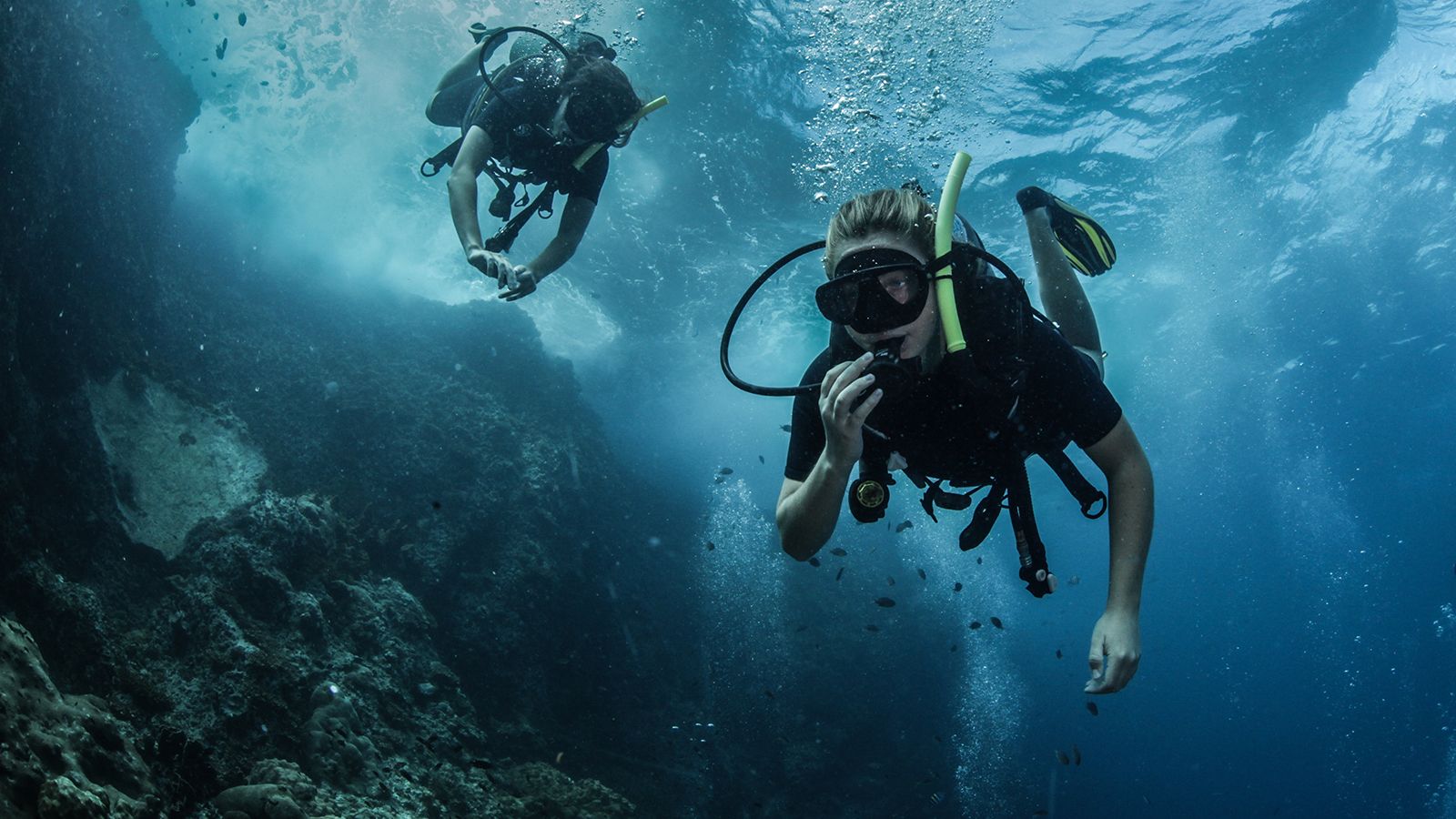
PADI 5-Star · Sairee
PADI 5-Star IDC on Sairee Beach: small groups, every level, taught in seven languages.
Full guide →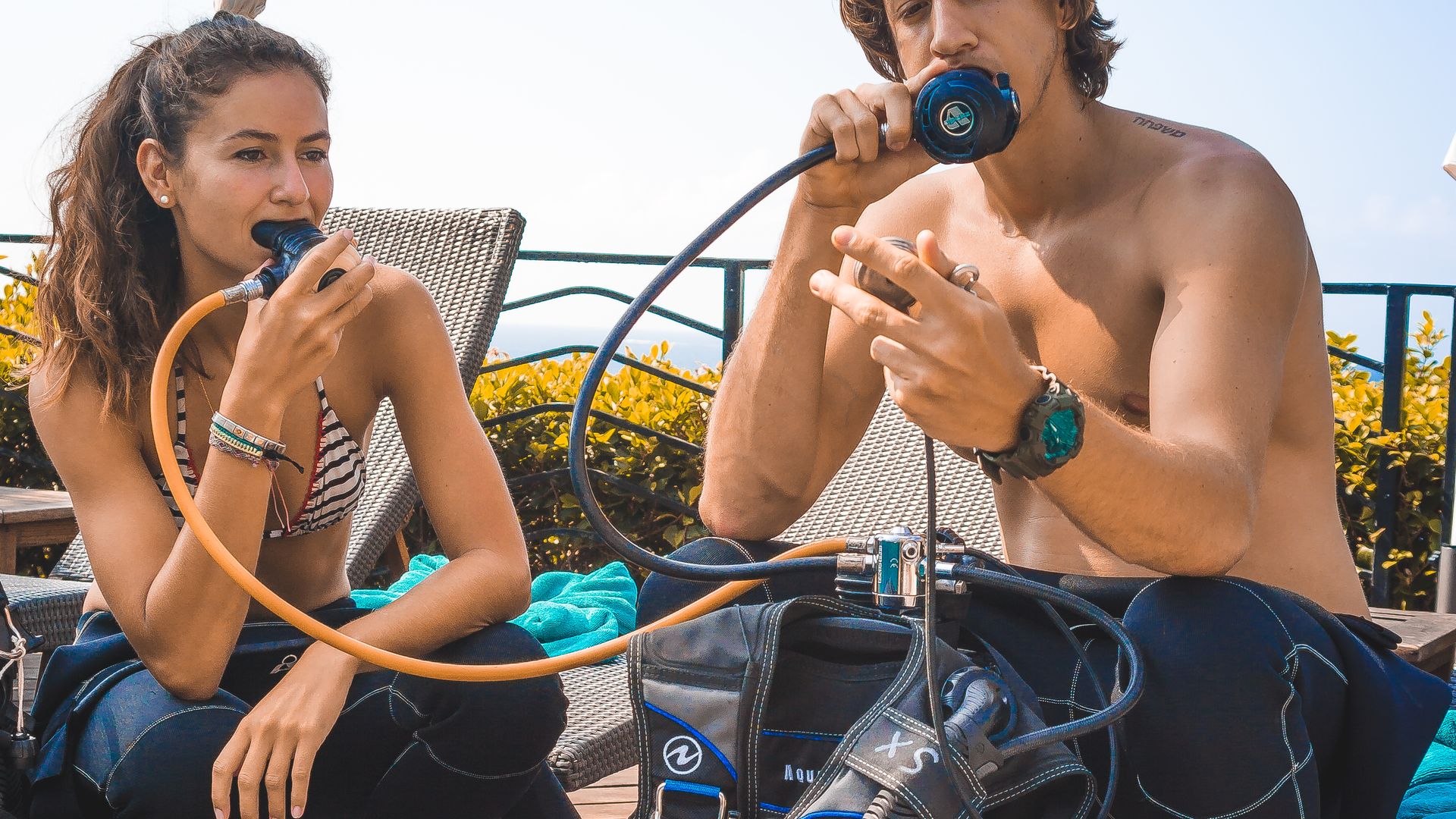
Private club · South coast
Very small classes, a training pool and boats straight from the resort pier.
Full guide →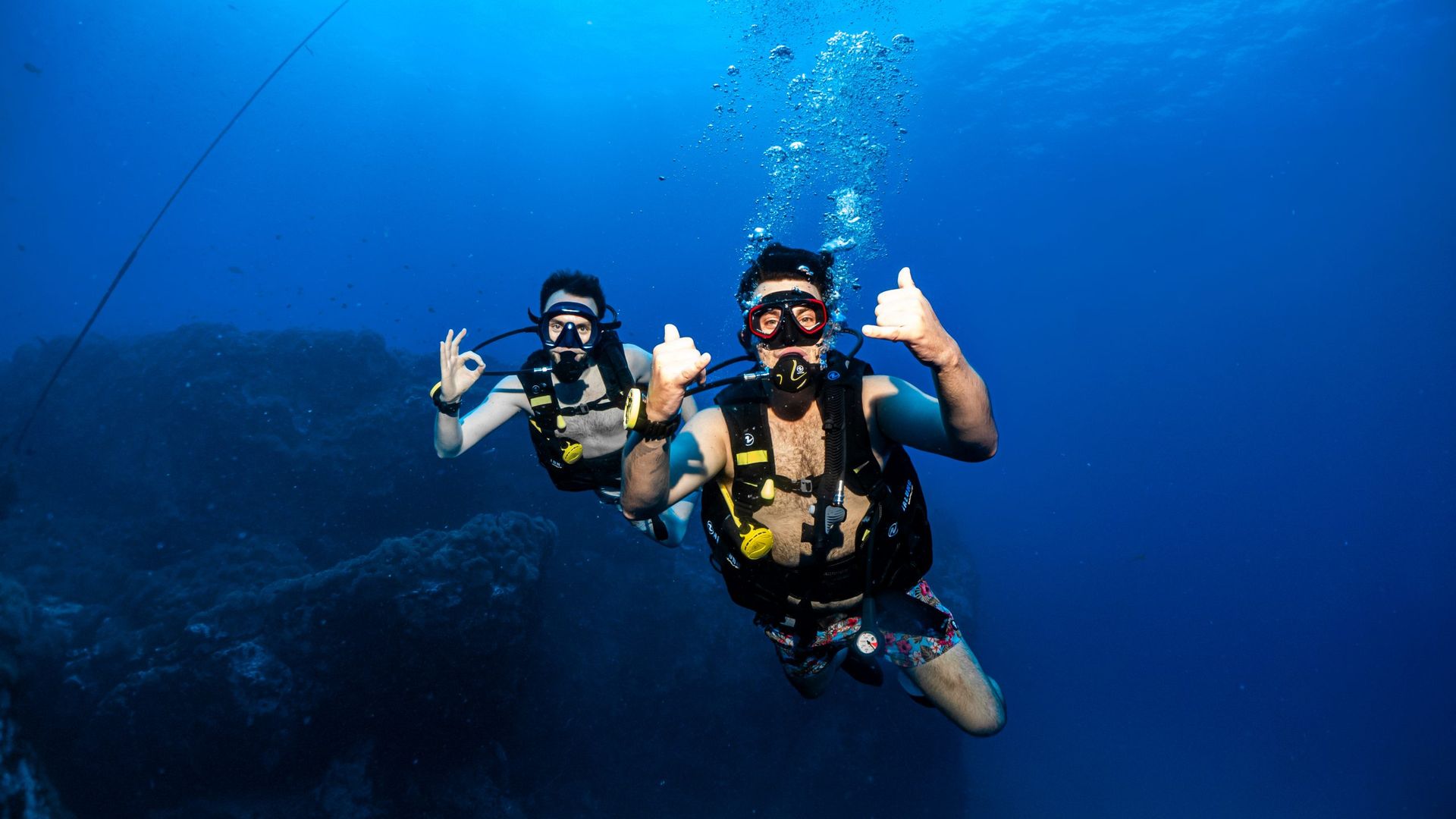
Dive school · Mae Haad
Groups of four, two minutes from the pier, from Open Water to instructor.
Full guide →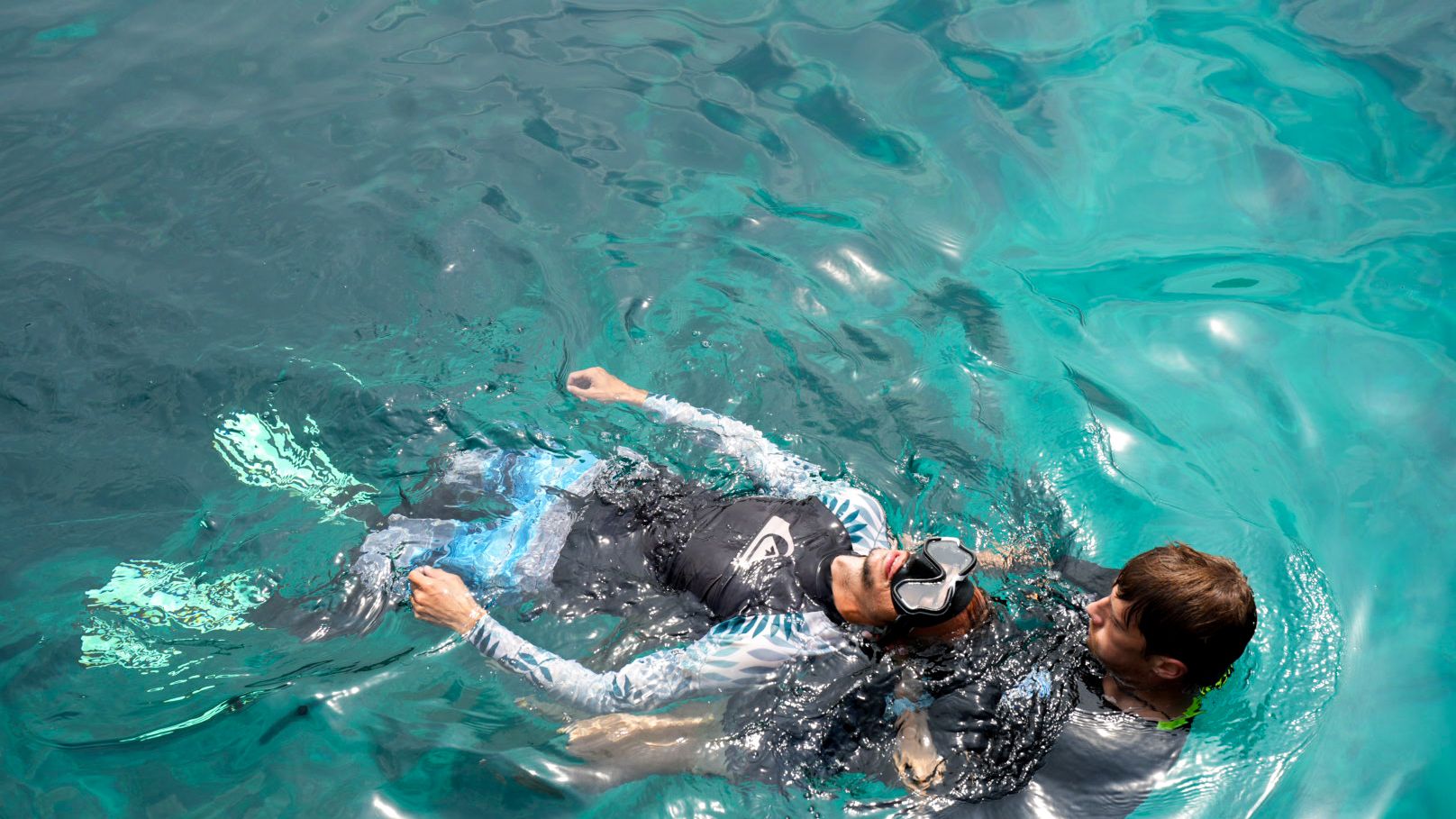
French dive school · Mae Haad & Chalok
Courses in French since 2012: SSI and CMAS / FFESSM, groups of four, first dive to instructor.
Full guide →
Freediving & yoga · Mae Haad
Learn to freedive on one breath, with breathwork and yoga in a sea-view shala.
Full guide →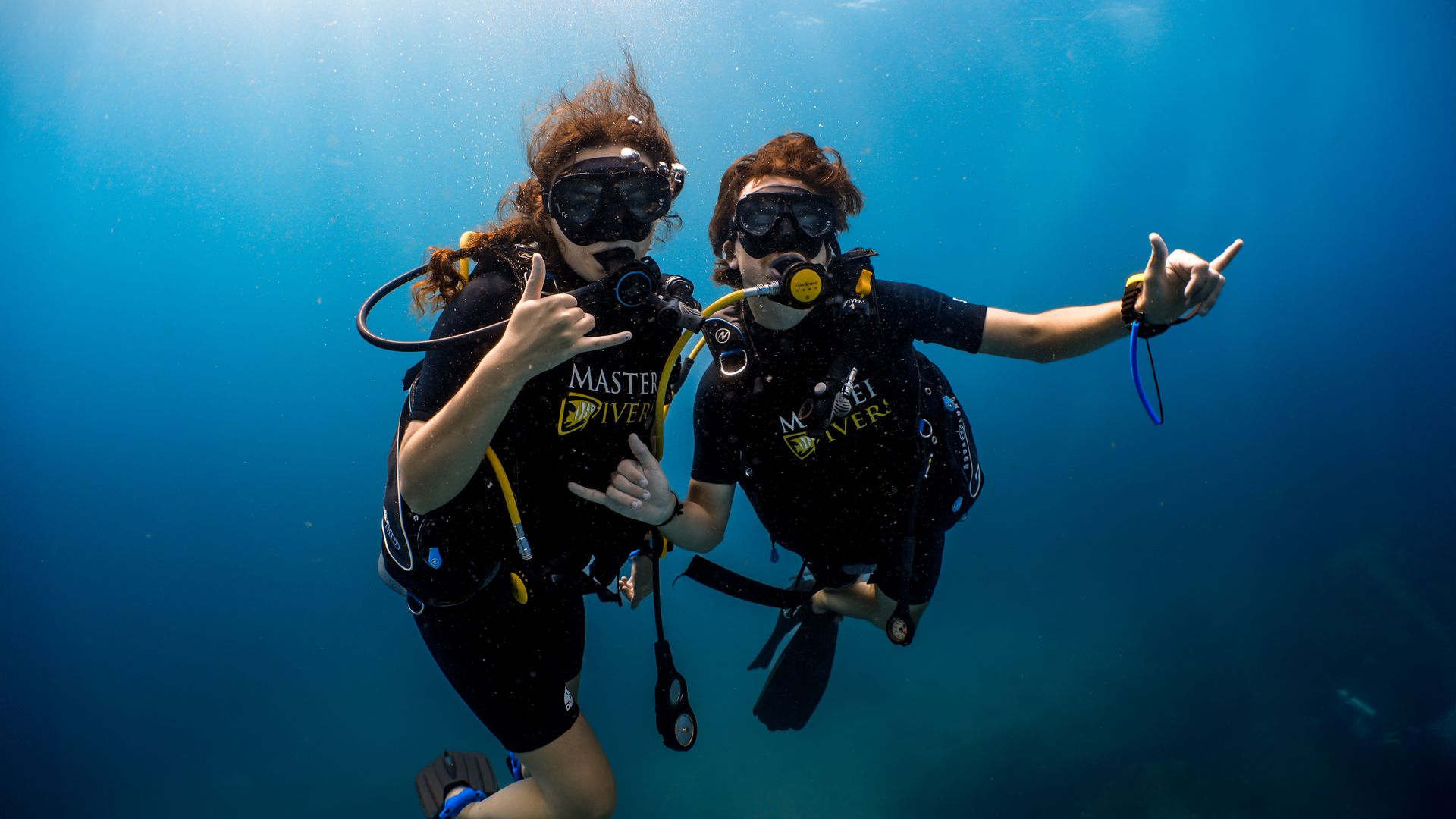
PADI 5-Star CDC · Mae Haad
One of the island's most established dive centres, with a focus on pro training.
Full guide →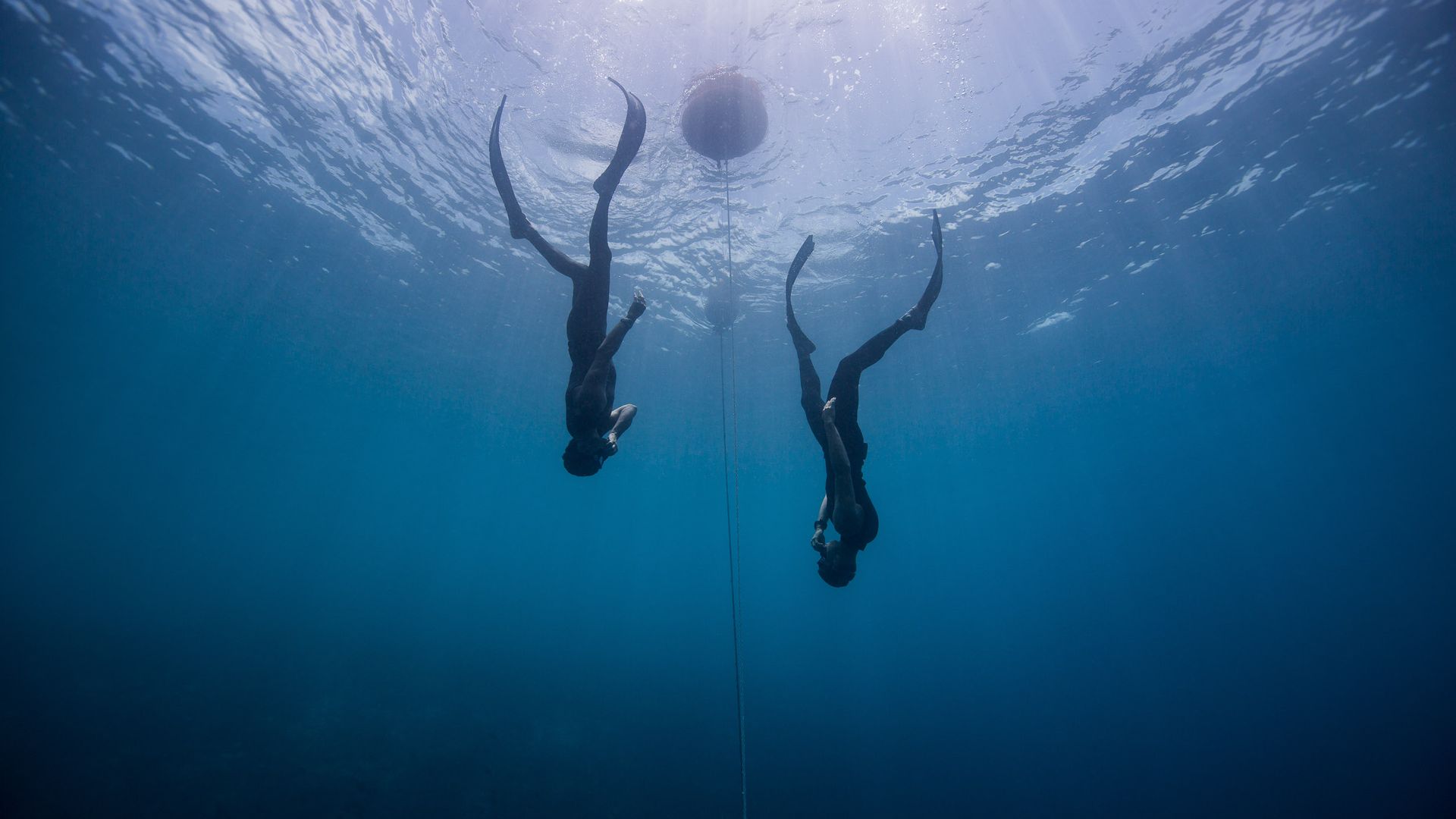
Freediving · Sairee
Personal freediving courses with experienced instructors off Sairee Beach.
Full guide →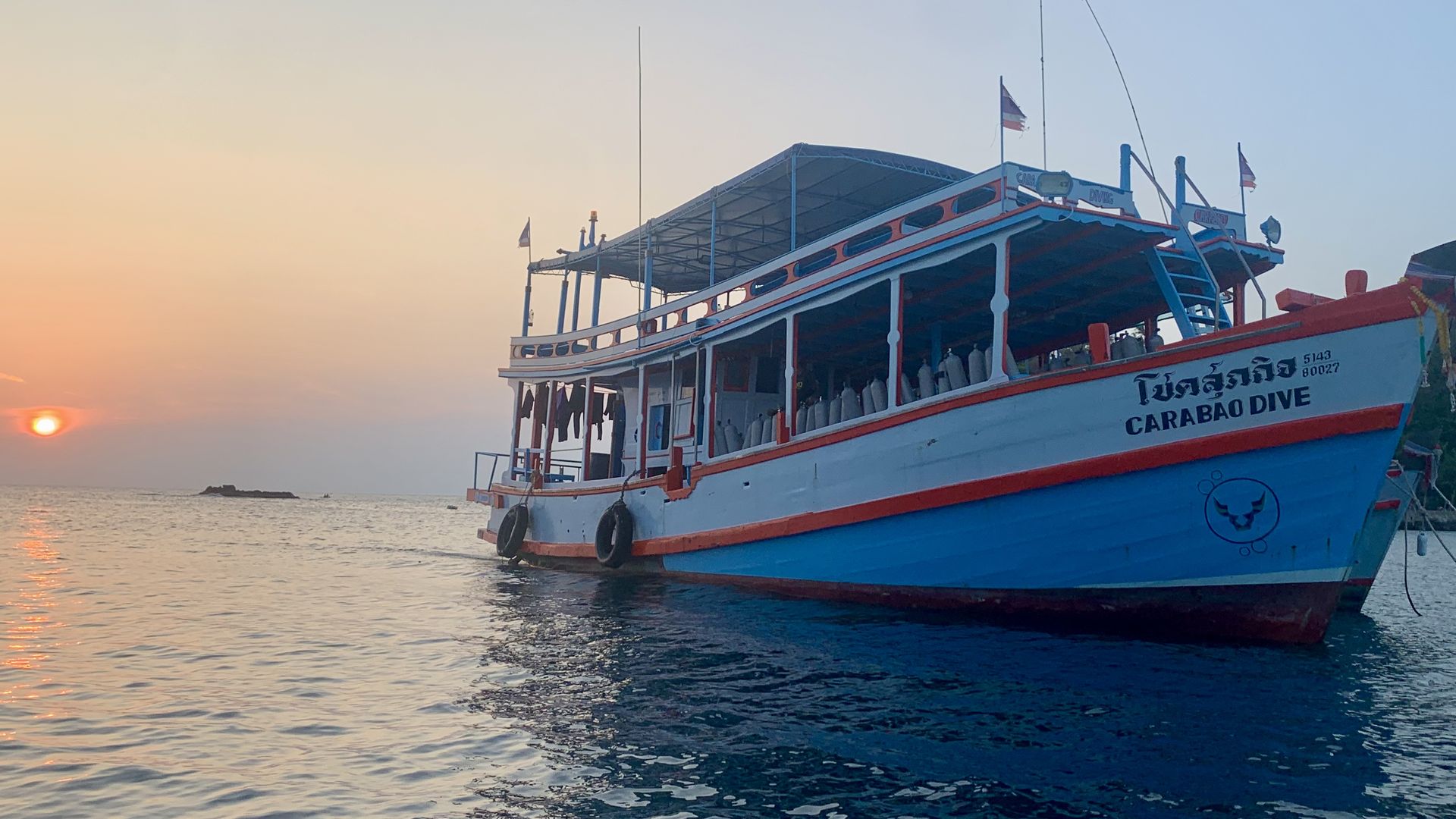
SSI dive resort · Chalok
Dive and stay in the quiet southern bay of Chalok.
Full guide →
PADI dive resort · Chalok
Courses and fun dives with a resort to stay at, in Chalok.
Full guide →Also on the island: DPM Diving and dozens more. See every dive centre on Koh Tao →